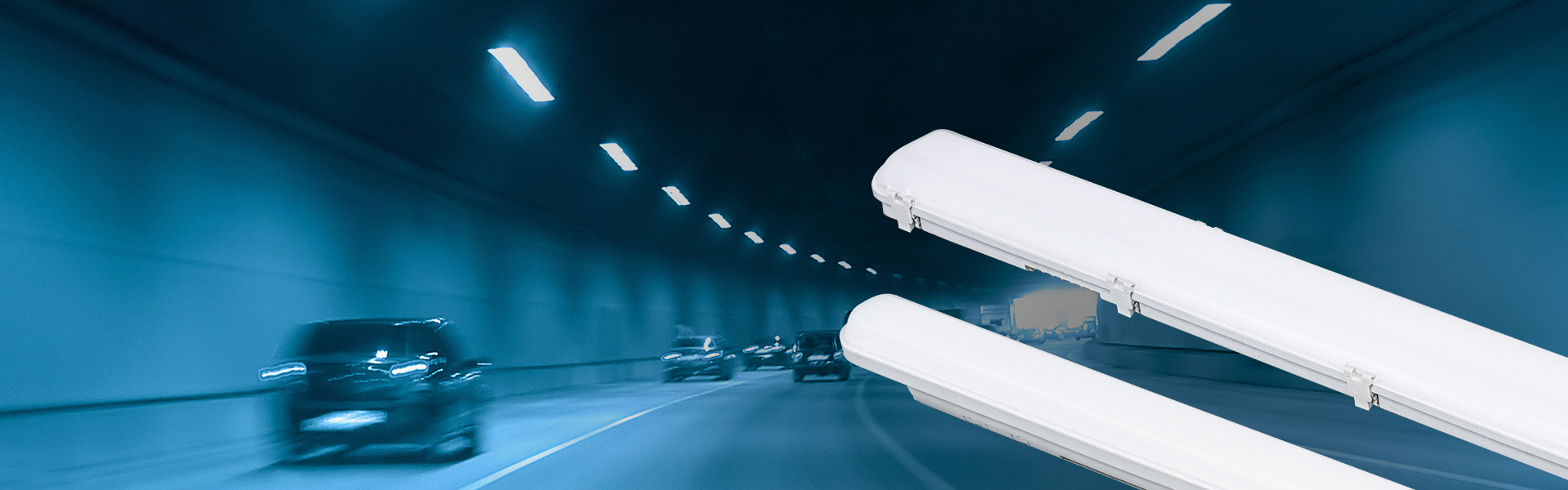
Lighting takes up a good chunk of energy in many places, from shops and offices to factories and parking areas. For years, people relied on basic bulbs or tubes that got the job done but wasted a lot of power in the process. Much of the electricity went into heat instead of actual light, so bills added up fast, especially where lights stay on for hours.
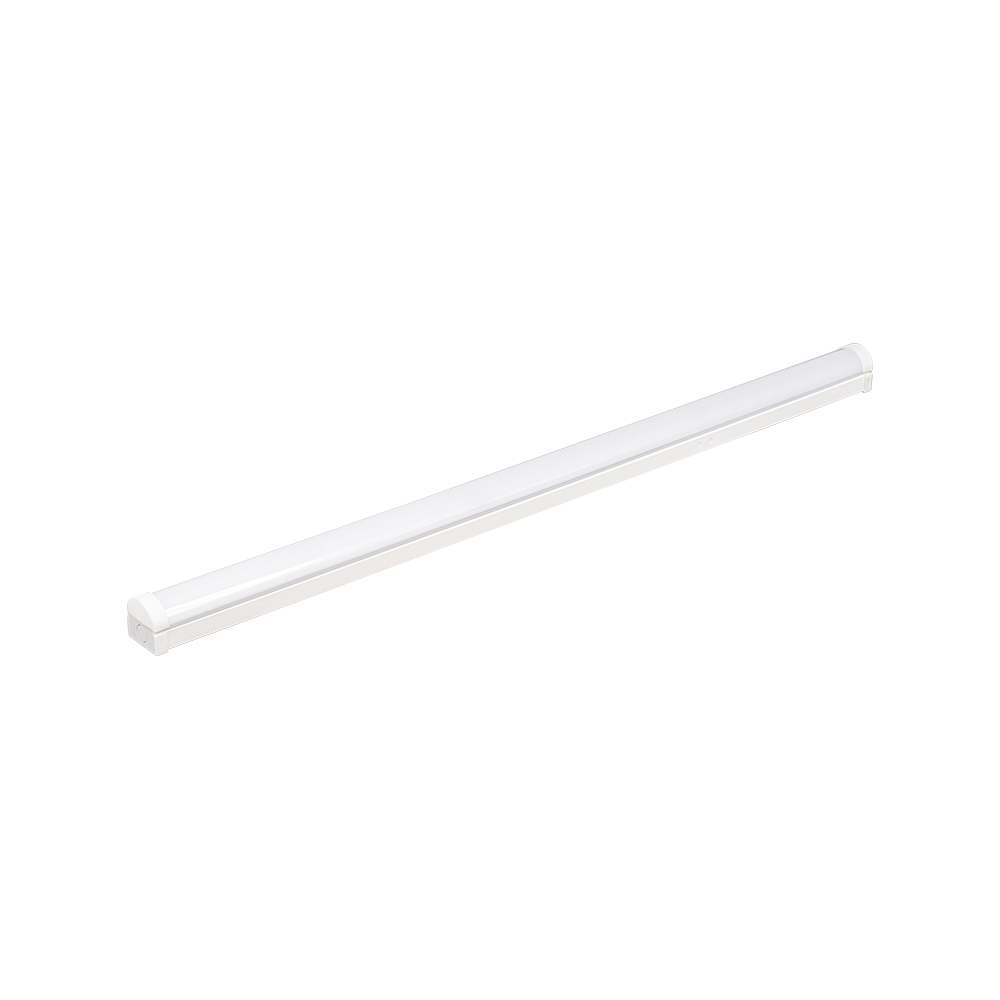
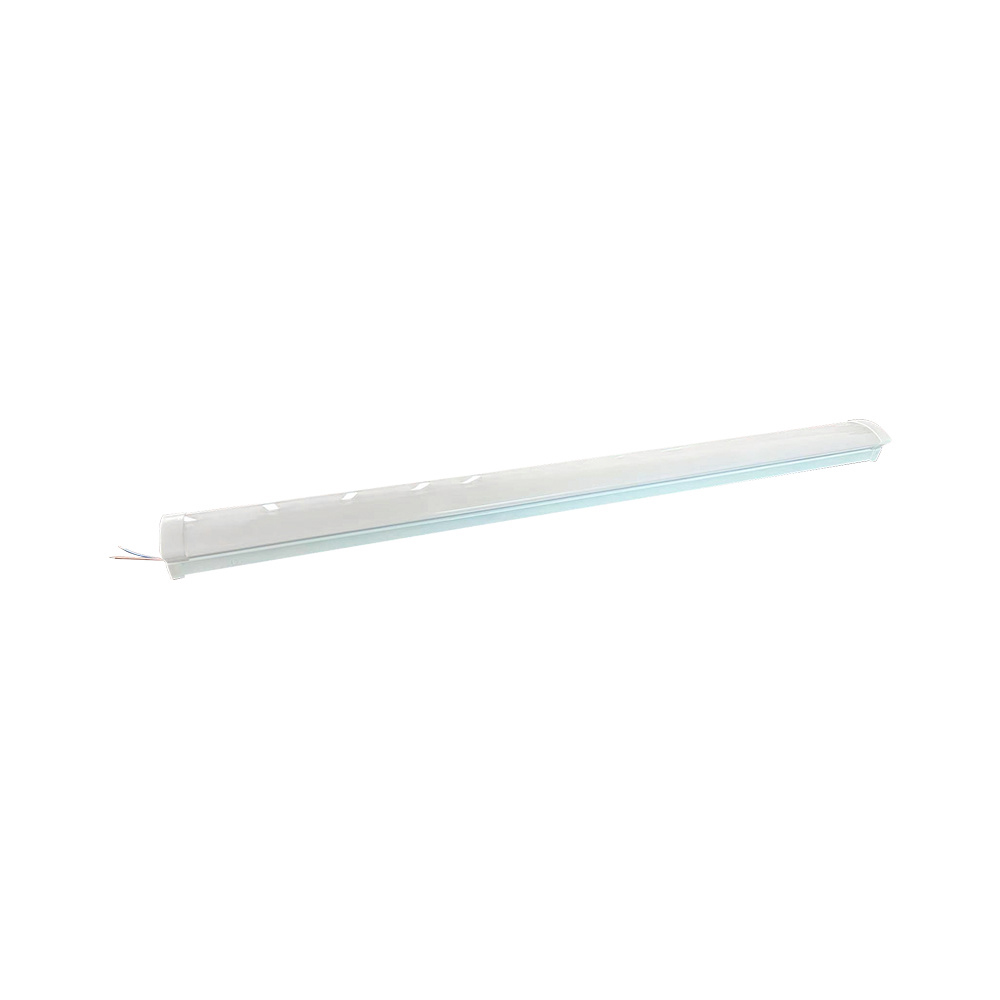
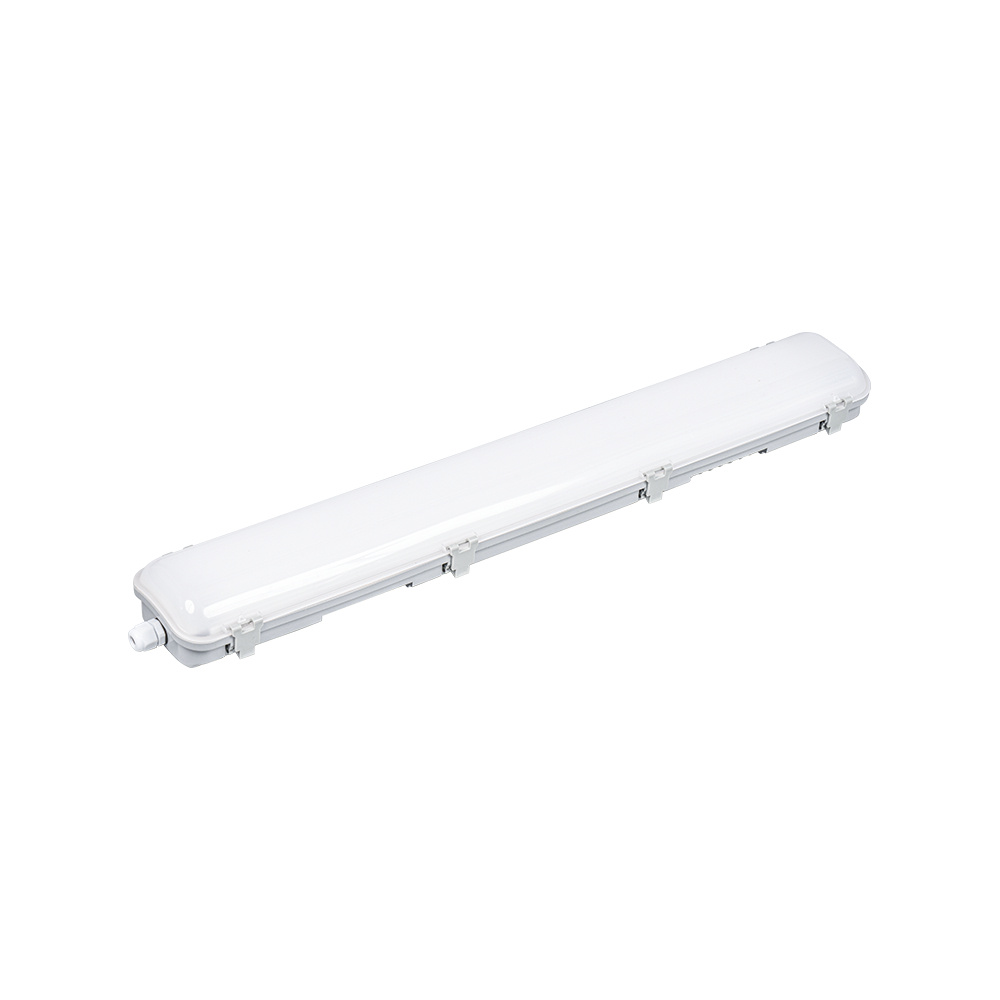
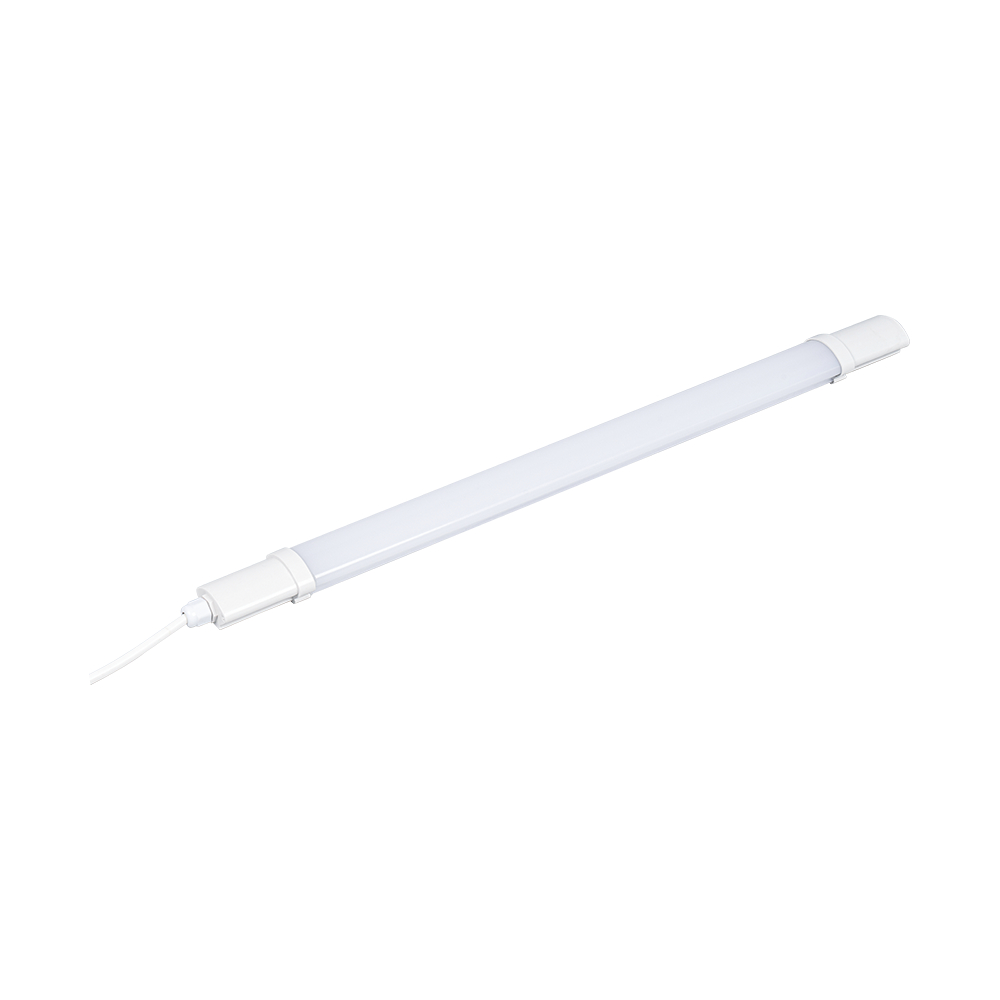
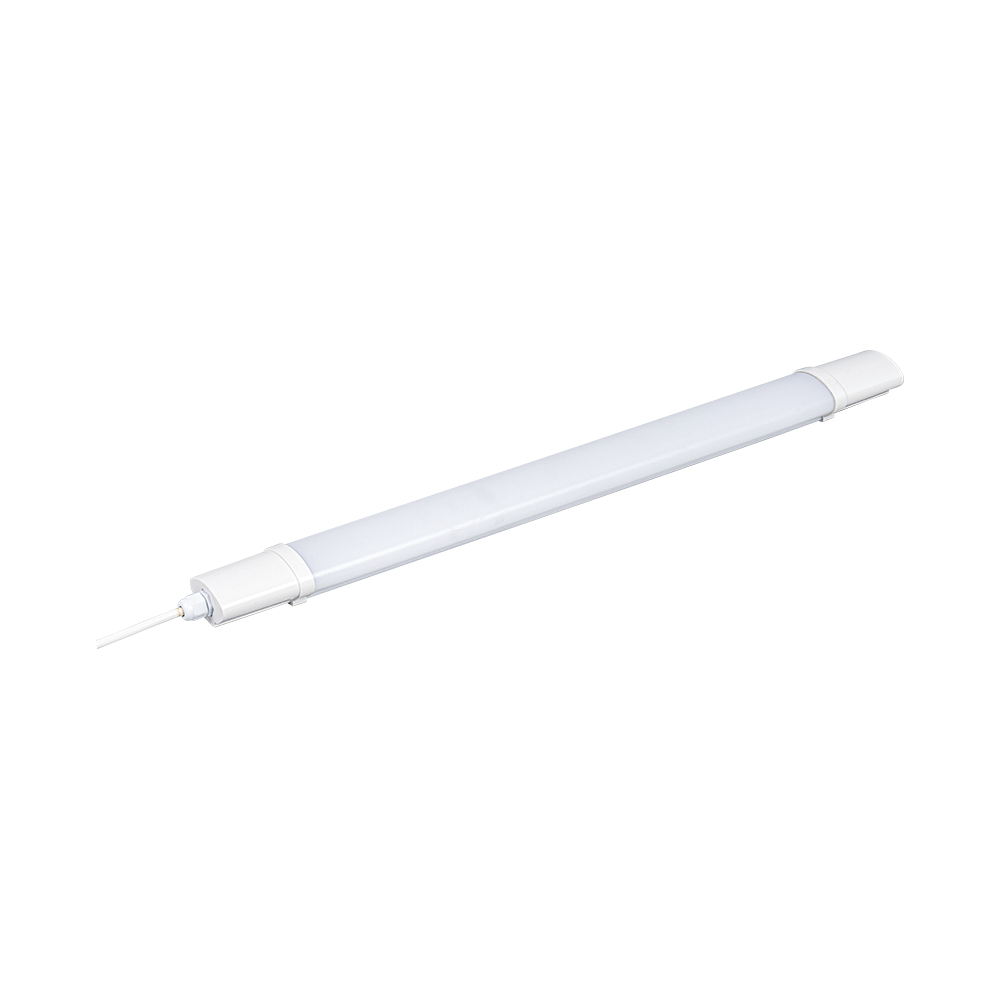
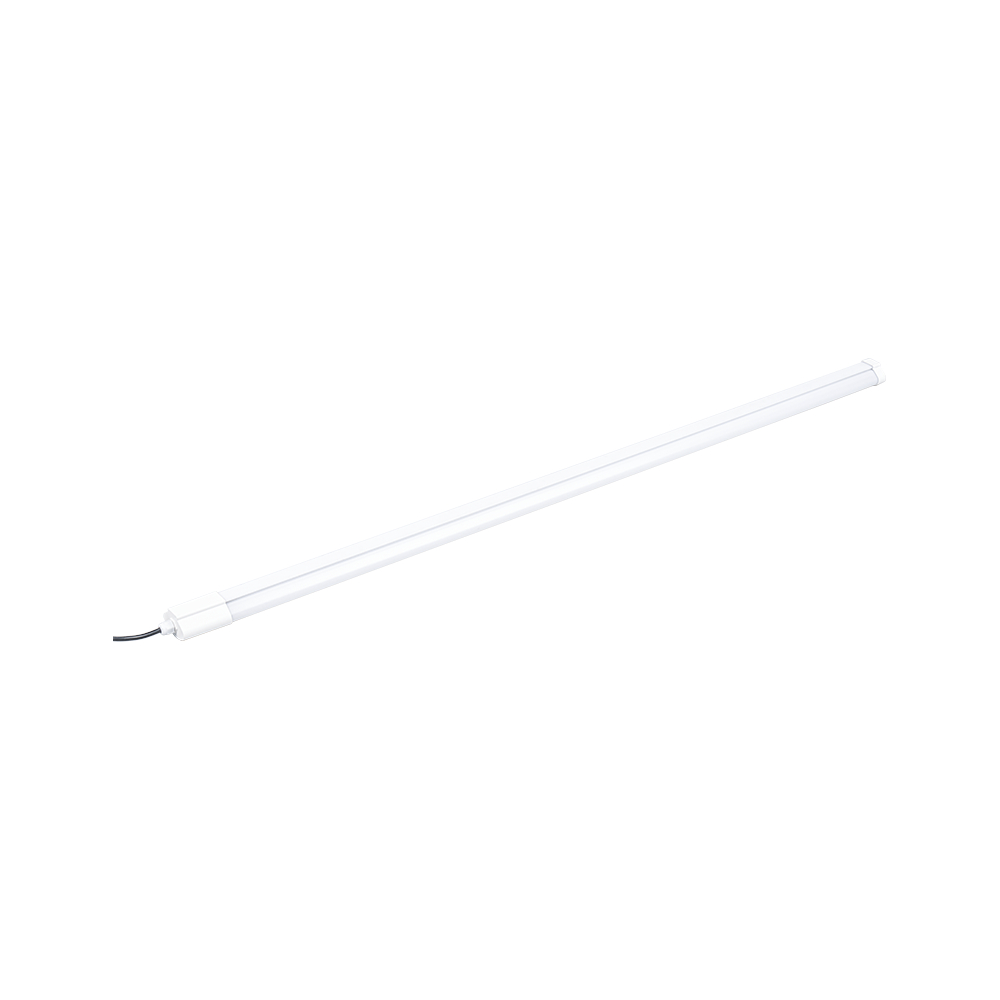
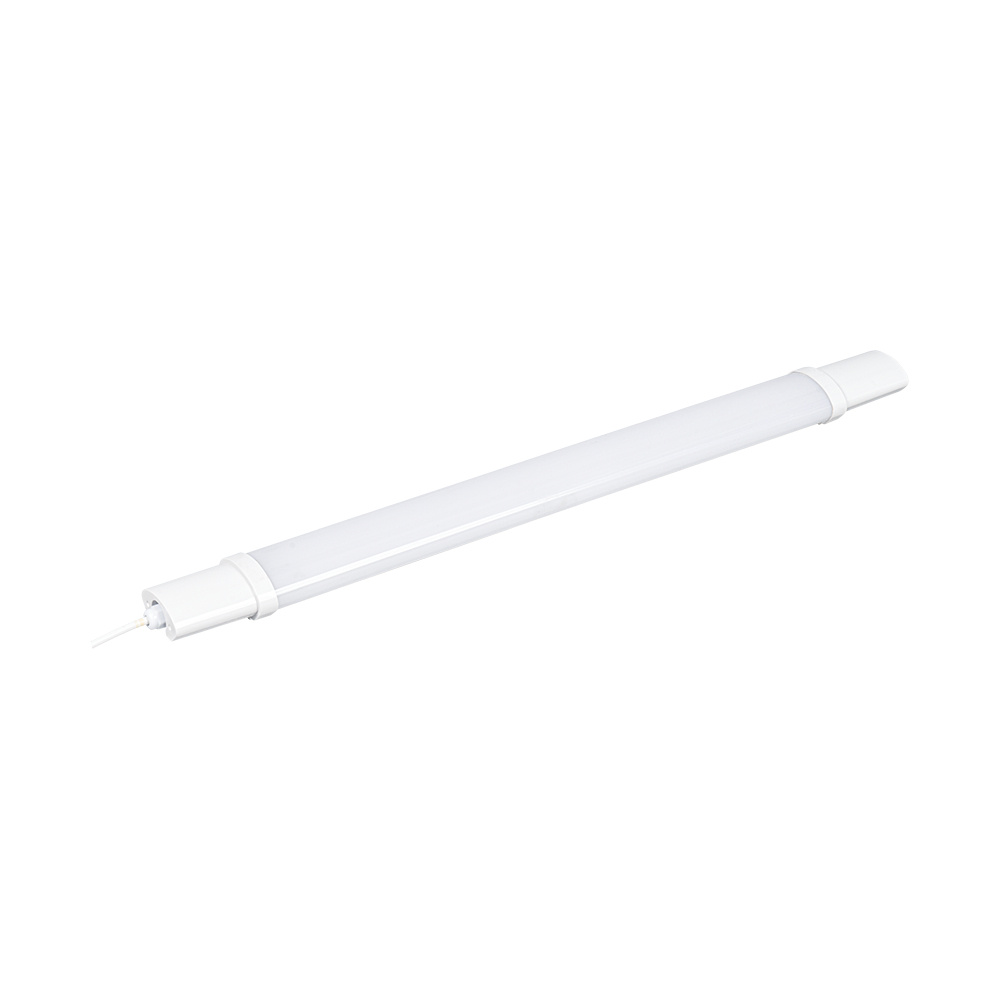
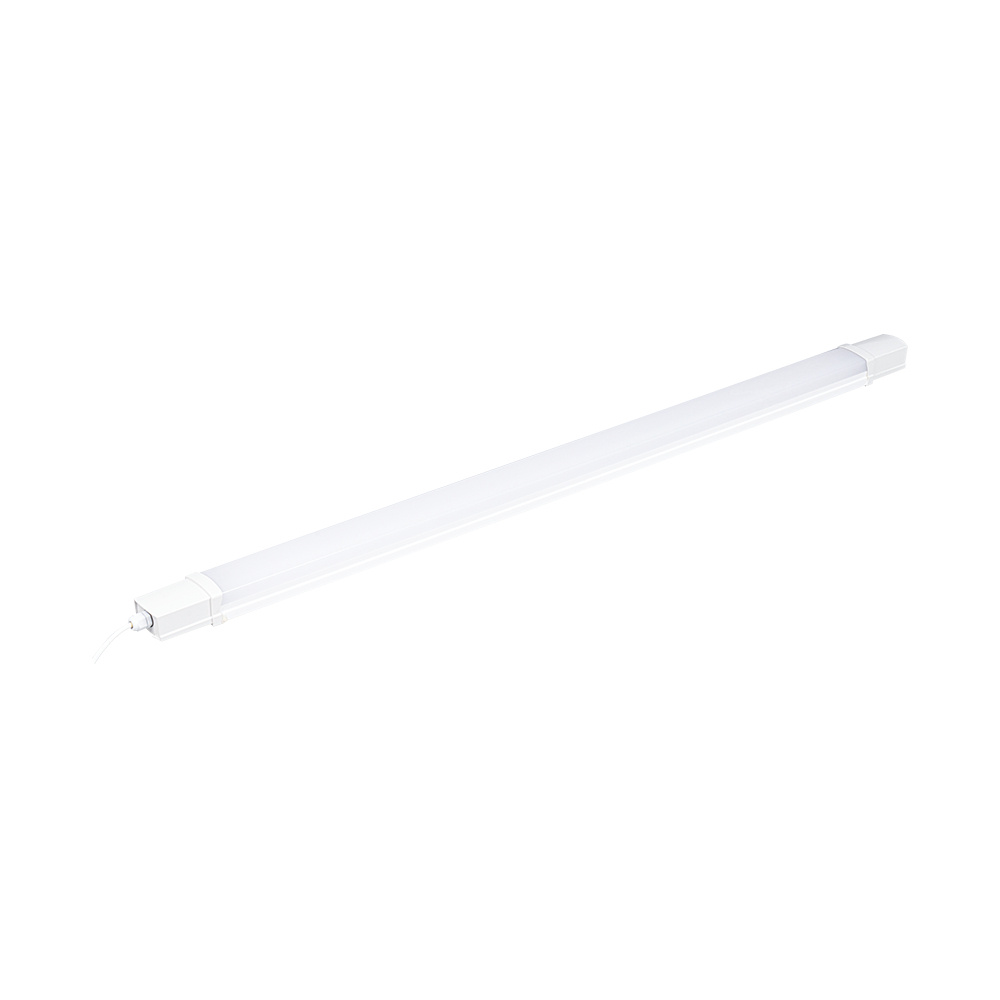
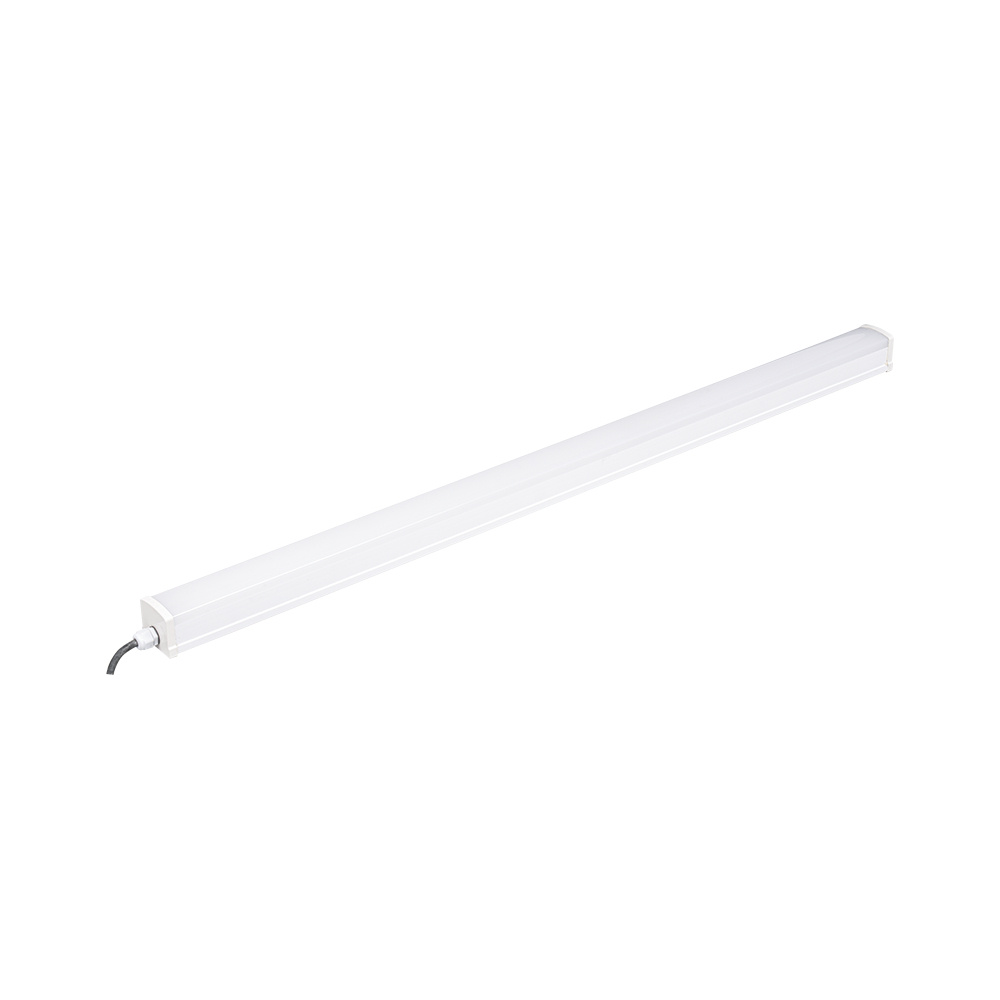
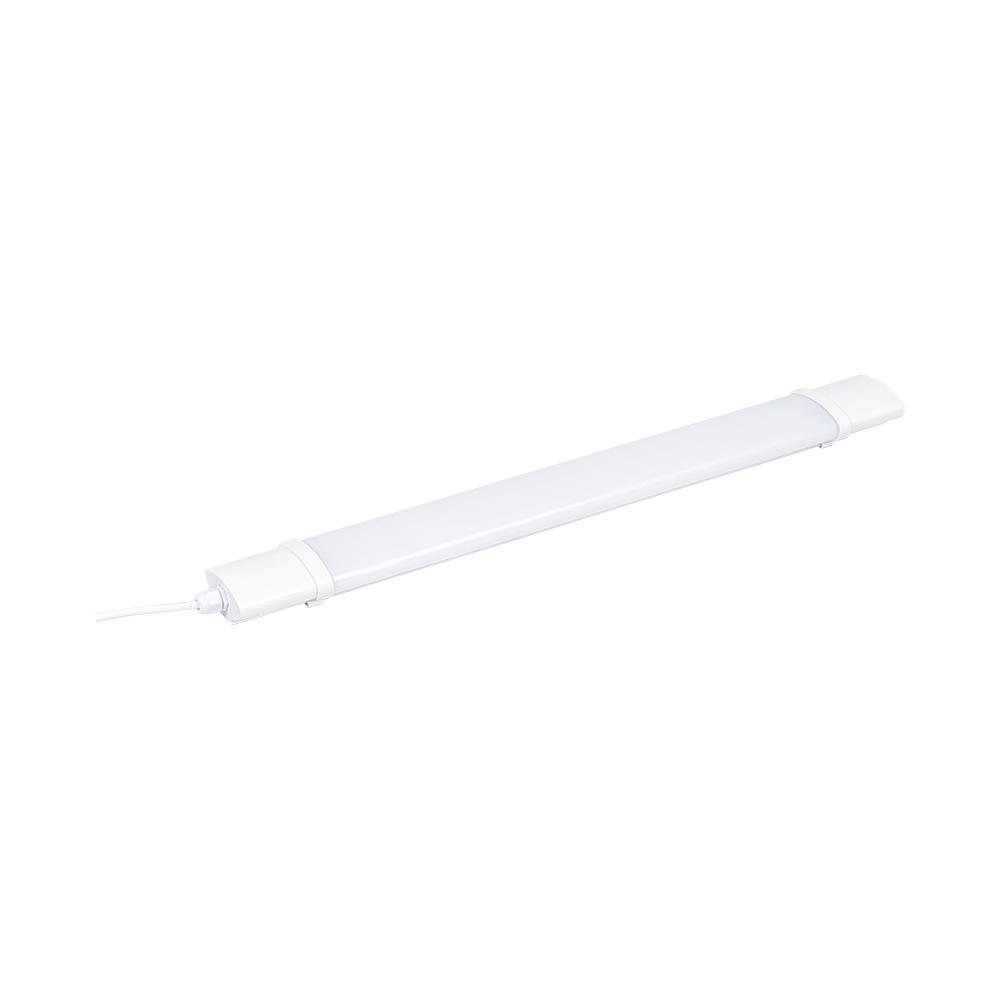
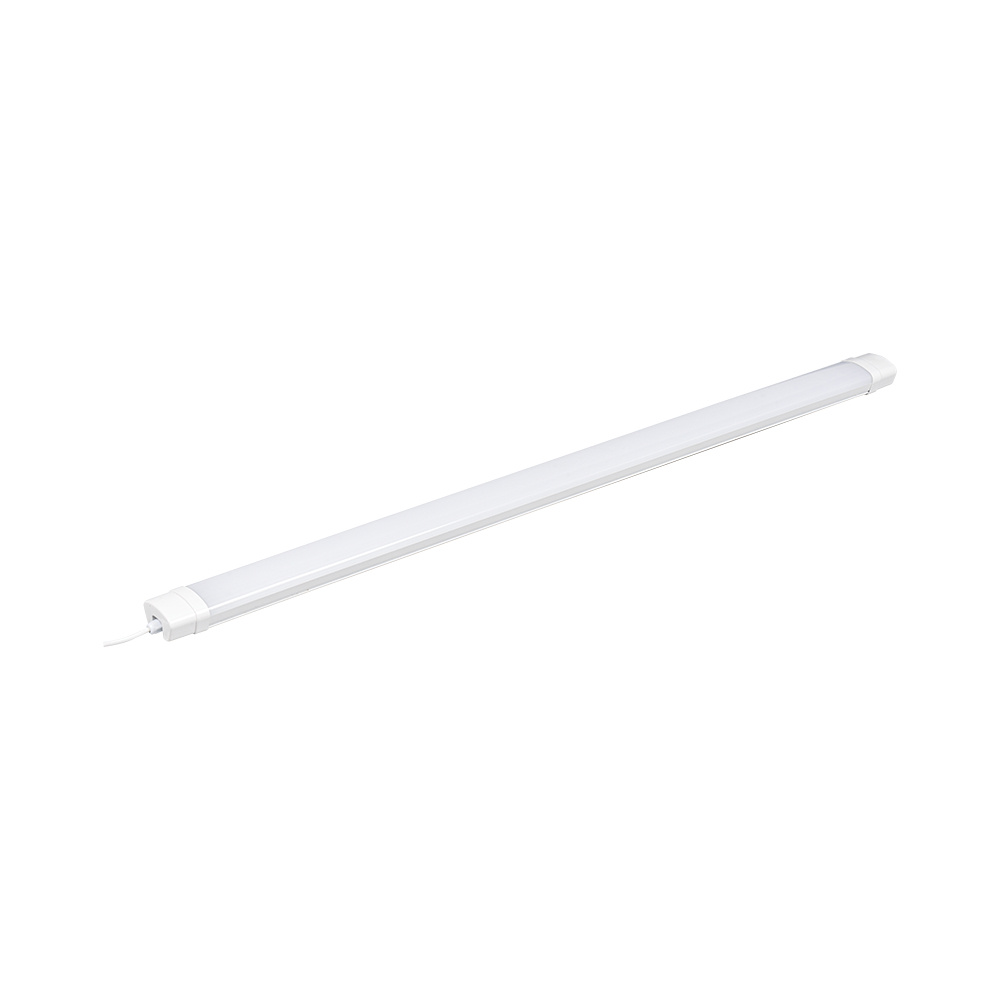
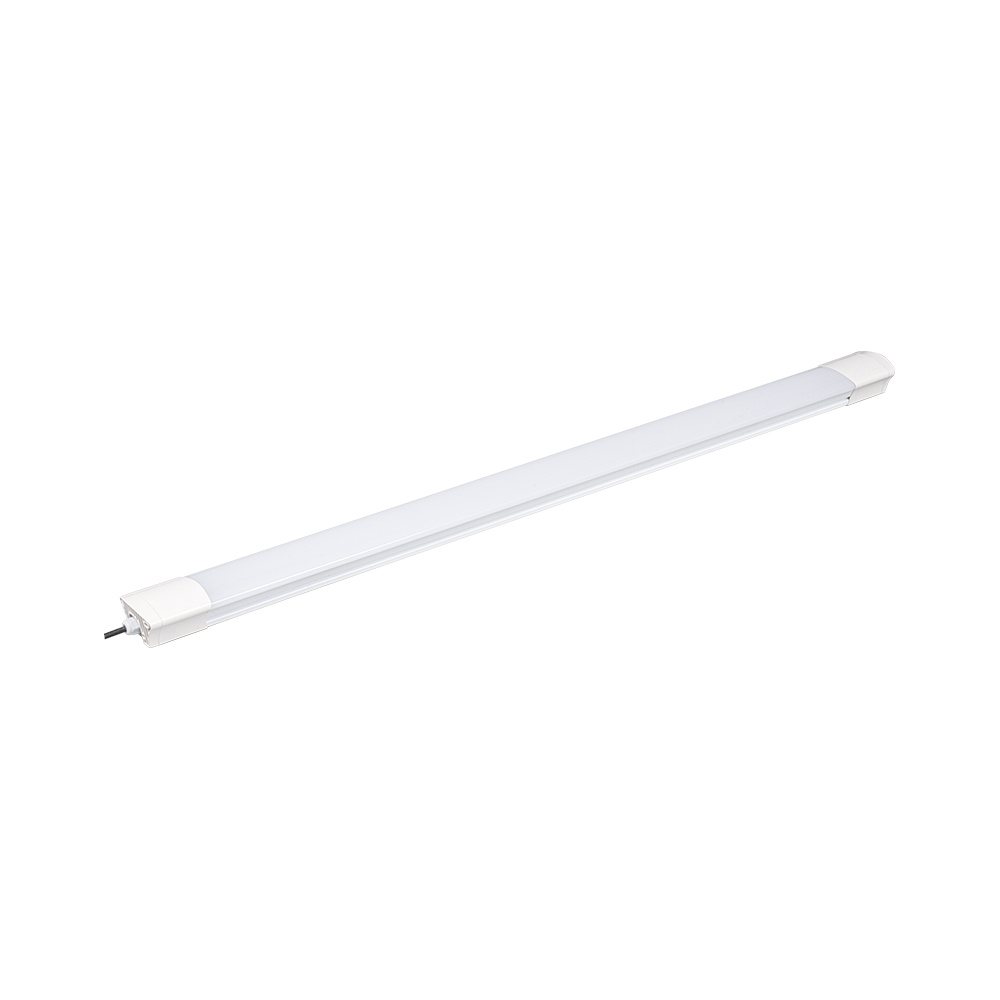
Now, newer options like CG6040 square LED triproof lamps handle things differently. They turn electricity straight into light with very little waste heat. This basic change makes a real difference when you look at daily use. The lamps are built tough to deal with dust, water splashes, or knocks, but the big draw is how little power they need to keep areas bright.
Older lighting worked by heating something up or exciting gas inside a tube. That meant a lot of energy got lost before you even saw the light. LED versions skip most of that loss. The result shows up clearly in places that run lights all day—lower running costs and less strain on the whole system.
Businesses and building managers notice this shift when they swap out old fixtures. The new ones keep giving steady light without pulling as much power. Over months or years, the savings build up quietly but steadily. It's not just about one lamp; in larger setups with dozens or hundreds of units, the effect becomes hard to ignore.
These triproof designs fit well where conditions aren't ideal. They hold up in damp spots or dusty corners while still saving energy. That combination makes them practical for everyday use in real spaces.
Content
The way LED lamps produce light explains a lot of the savings. Electricity moves through a small chip, and that movement releases light directly. There's no need to heat anything to glowing point, so almost all the power goes toward the brightness you see.
Older bulbs did things the hard way. One type heated a thin wire until it shone, but most of the energy turned into heat you could feel if you touched the bulb. Another type used electricity to make gas glow, which was better but still lost plenty along the way. Both approaches meant you paid for a lot of wasted energy.
With LED triproof lamps, the cooler running shows in several ways. The fixtures themselves stay closer to room temperature, so they don't add extra warmth to the space. In summer or enclosed areas, that means less work for cooling systems. The light comes out focused where it's needed, without spreading uselessly in all directions.
This direct approach lets the same amount of brightness come from much less power. In a storage area or hallway, you end up using fewer watts overall to keep things well lit. The difference adds up quickly when lights run for long stretches.
The build of square triproof lamps supports this efficiency too. The protective cover and seals don't block the light output much, so the energy put in still reaches the area below. Everything works together to make sure the power used translates into actual illumination rather than loss.
LED lamps get more light out of each bit of electricity they use. The chip design focuses on producing visible light without extra wavelengths that don't help with seeing. That means the brightness feels stronger even though the power draw stays low.
Traditional options spread their energy across a wider range, including parts of the spectrum people can't see. Some of that went into heat or invisible light, cutting down on useful output. Over time, those lamps also dimmed as parts wore out, so you ended up needing more power or more fixtures to keep the same level.
Square LED triproof lamps keep their output steady for much longer. The materials don't degrade quickly, so the light stays consistent without fading. This lasting performance means you don't have to replace units often or deal with gradual drop-offs that force higher settings.
In practical spots like loading bays or walkways, this steady light makes daily work easier. People can see clearly without straining, and the coverage remains even across the space. The long running time cuts down on upkeep—fewer climbs to change bulbs or tubes that burned out early.
All this ties back to energy use. When a lamp lasts longer and keeps its brightness, you avoid the waste of throwing away half-used units. The overall system runs smoother, with less downtime and fewer spare parts needed.
| Feature | Square LED Triproof Lamps | Older Lighting Options |
|---|---|---|
| How energy turns into light | Direct process with little heat waste | Lots of energy lost as heat |
| Light produced per power used | Higher output for the same input | Lower useful light, more waste |
| Running temperature | Stays cool during use | Gets hot, adds warmth to the area |
| How long brightness lasts | Stays steady over time | Fades gradually, needs earlier replacement |
| Overall running costs | Lower over months and years | Higher due to waste and frequent changes |
The energy benefits show up clearly in various settings. Shops with bright displays keep lights on all day to attract customers. Older fixtures there meant high bills and warm aisles from all the heat. Switching to LED triproof versions cools things down and cuts power use while keeping products well lit.
Parking areas run lights from dusk to dawn. Traditional setups drew heavy power to cover large spaces. LED options spread light better with less draw, and the tough build handles weather without failing early. The savings help cover maintenance for the whole lot.
Factories or storage sites need reliable coverage for safety and work flow. Lights stay on during shifts, sometimes around the clock. The lower power need reduces strain on electrical systems, and the durability means fewer interruptions from failures.
Public buildings like halls or corridors benefit from the even spread and long life. Budgets stretch further when energy costs drop and replacement work stays minimal. The cooler operation improves comfort in crowded spots.
In all these cases, the shift brings down monthly expenses noticeably. Places with many fixtures see the biggest drop, but even smaller setups feel the difference over time. The savings free up money for other improvements or simply lower overhead.
Square LED triproof lamps already save a good amount of power on their own, but adding smart controls takes things further. These setups let the lights respond to what's actually happening around them, so power only gets used when it makes sense.
A common example is motion sensors. Lights stay off until someone walks into the area—a hallway, storage aisle, or loading bay—then come on just long enough. Empty spaces don't sit there burning electricity for no reason. In big warehouses or parking structures where lights often run for hours, this cuts waste without leaving anyone in the dark.
Daylight sensors help too. They notice when sunlight comes through windows or open doors and dim the fixtures automatically. On bright days, the lamps back off and let natural light do some of the work. At night or in dim corners, they ramp up again as needed.
Scheduling is another straightforward feature. Lights can switch off during quiet hours or weekends when nobody's around, or drop to a lower level overnight for basic security. No more relying on people to remember flipping switches at the end of a shift.
All this automation also avoids the usual slip-ups—like forgetting to turn lights off after a late delivery or during a holiday break. Once the system is set, it just runs on its own.
Pairing these controls with the lamps squeezes out extra savings over time. The fixtures stay reliable and bright when needed, but the overall power draw drops noticeably. Businesses end up with solid lighting that costs less to run day after day, without extra effort from staff.
Beyond straight energy savings, LED triproof lamps bring other practical gains. The lack of heat buildup makes them safer in enclosed or flammable areas. No hot surfaces mean less risk of burns during maintenance or accidental contact.
The focused light reduces glare in work zones, helping people see better without squinting. This improves concentration and cuts down on mistakes from poor visibility. In storage areas, clear views of labels or markings speed up tasks.
Disposal becomes simpler too. Older types sometimes contained materials that needed special handling. LED versions avoid those issues, making end-of-life processing easier and cleaner.
Combining with basic controls—like timers or sensors—pushes savings further. Lights dim or turn off when areas are empty, using power only where and when needed. This fits naturally with the efficient base design.
Upfront planning for placement maximizes coverage, ensuring no overlapping waste or dark spots. Good layout means fewer units overall, adding to the energy and cost benefits.
Saving on electricity is nice, but the green side counts for a lot too. Old-style bulbs—whether the kind that get hot or the tube types—waste plenty of power turning it into heat rather than light. All that extra energy means more demand on power plants, which pushes up carbon emissions.
LED triproof lamps work in a smarter way. They turn nearly all the electricity into actual light, staying cool in the process. In places like warehouses or factory floors where air can get stuffy, this means fans or AC units don't have to fight as much heat. The lower power pull overall lightens the load on the grid and helps cut down the facility's carbon footprint.
Another plus is how long they last compared to regular bulbs. You don't swap them out nearly as often, so far less ends up in the trash. The parts in these lamps recycle easier as well, skipping some of the tricky disposal headaches older bulbs bring. In bigger operations—think storage halls or production lines—making the change adds up to meaningful drops in both power use and waste over the years.
Production areas, storage buildings, and outdoor spots give lighting a hard time. Dust settles everywhere, water gets splashed during cleaning, weather takes its toll, and forklifts or carts occasionally clip fixtures as they move around. Regular lights tend to pack up quick in those conditions.
LED triproof lamps are built specifically for this kind of rough treatment. They come with solid barriers against dust, damp, and bumps, letting them keep going where standard ones would already be failing. Good seals block fine particles and moisture, and the sturdy housing shrugs off normal knocks.
Older fixtures usually need fixing or replacing fairly often because of wear from the surroundings. These stronger versions slash that workload. The tough outer shell guards against physical hits, while proper sealing stops dirt or water from getting inside and causing trouble. Companies find their lighting stays dependable for much longer stretches, without the constant hassle of repairs or swaps.
When people work out what lighting really costs, they look past the initial purchase. Traditional setups rack up expenses over time—bulbs burn out, heat causes issues, or environmental knocks lead to breaks, meaning steady repair bills, especially across large areas.
LED triproof lamps turn that around. Their long service life and solid construction bring the repair count way down. Crews no longer climb up every few weeks to change failed units or sort out damage. That leaves them free for other maintenance around the place.
Electricity costs drop as well, thanks to lower power use and steady brightness that doesn't fade. There's no need to crank things up or add extra units to make up for dimming. Putting together the reduced energy draw and infrequent replacements delivers reliable savings month after month. The higher starting cost gets paid back through lower day-to-day running and service expenses, turning the switch into a straightforward choice for most sites.
Square triproof lamps provide a clear improvement over traditional lighting options, especially when it comes to energy efficiency. With their direct light production, consistent brightness, and long lifespan, these lamps work together to minimize waste and reduce operating costs. In practical applications across various commercial and industrial environments, the energy savings are both reliable and significant.
These lights are perfect for spaces requiring steady, long-lasting illumination without high energy consumption. Their combination of energy savings, durability, and low maintenance makes them an excellent choice for modern facilities.
At CIGE, we specialize in manufacturing robust triproof lighting solutions designed to meet the practical demands of commercial and industrial settings. We continuously refine our designs based on real-world feedback to provide energy-efficient, high-performance lighting options.
It is focused on the overall solution of dry bulk material port transfer system,
research and development, manufacturing, and service.

+ 86-158 6784 4739
garrick@cigelighting.com
+ 86-574 5896 6613
No. 332, Yizidi, Zhoutang west village. Zonghan street, Cixi, Ningbo, Zhejiang Province, China
Copyright © Ningbo Cige Photoelectric Technology Co., Ltd. All Rights Reserved. Triproof Light Manufacturer