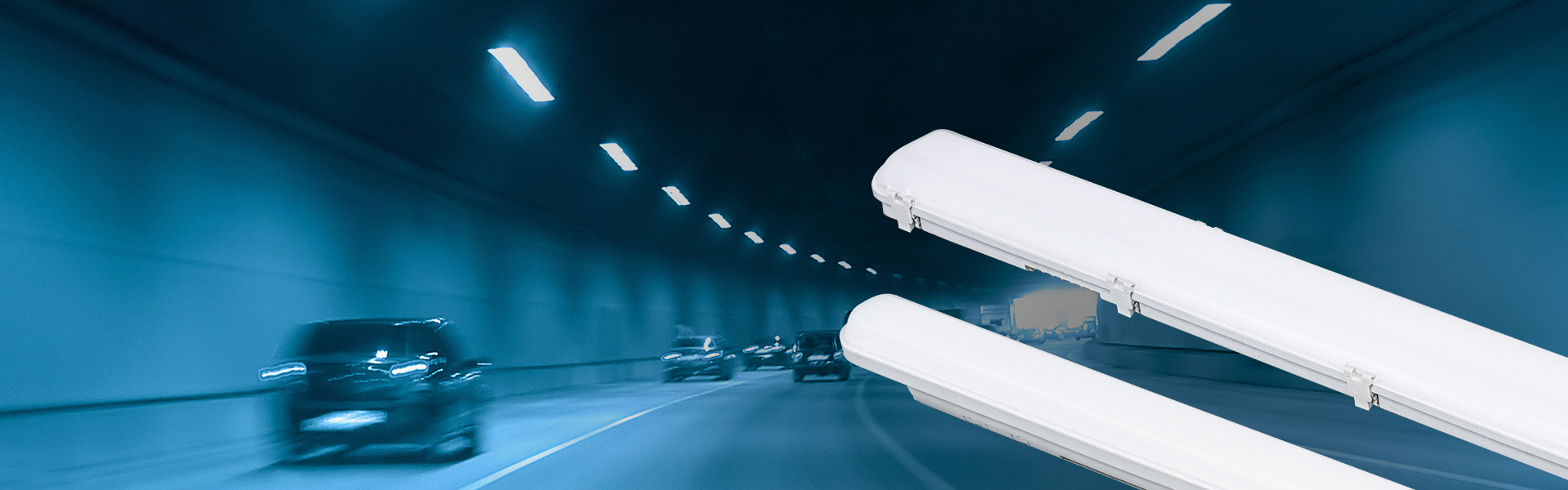
Warehouses keep going all day long. Forklifts turn in tight spots, pallets go up on high racks, loads move around during loading and unloading, and workers push to get orders done on time. In this kind of place, small bumps happen all the time as part of the job. A cart rubs against a rack, something slips a bit off a shelf, or a door swings open too far.
If ordinary lights get hit in these ways, they often stop working in that spot. The area goes dim, making normal jobs harder. People struggle to read labels or find items properly, so everything slows down and wrong picks happen more often. Worse still, low light hides things on the floor like spills or boxes, and that makes accidents more likely.
Bad lighting causes more trouble than most other problems. When light isn't steady, staff hold back, work gets slower, picking mistakes go up, and safety issues build fast.
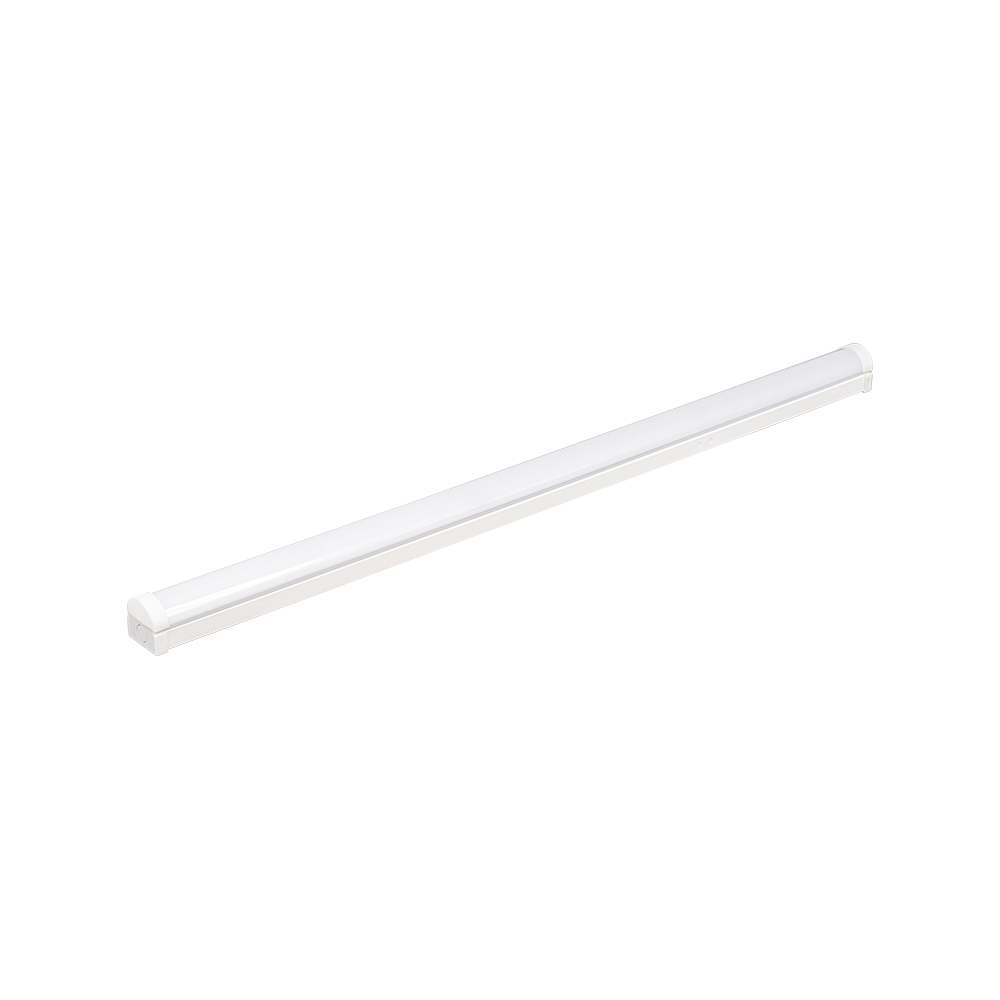
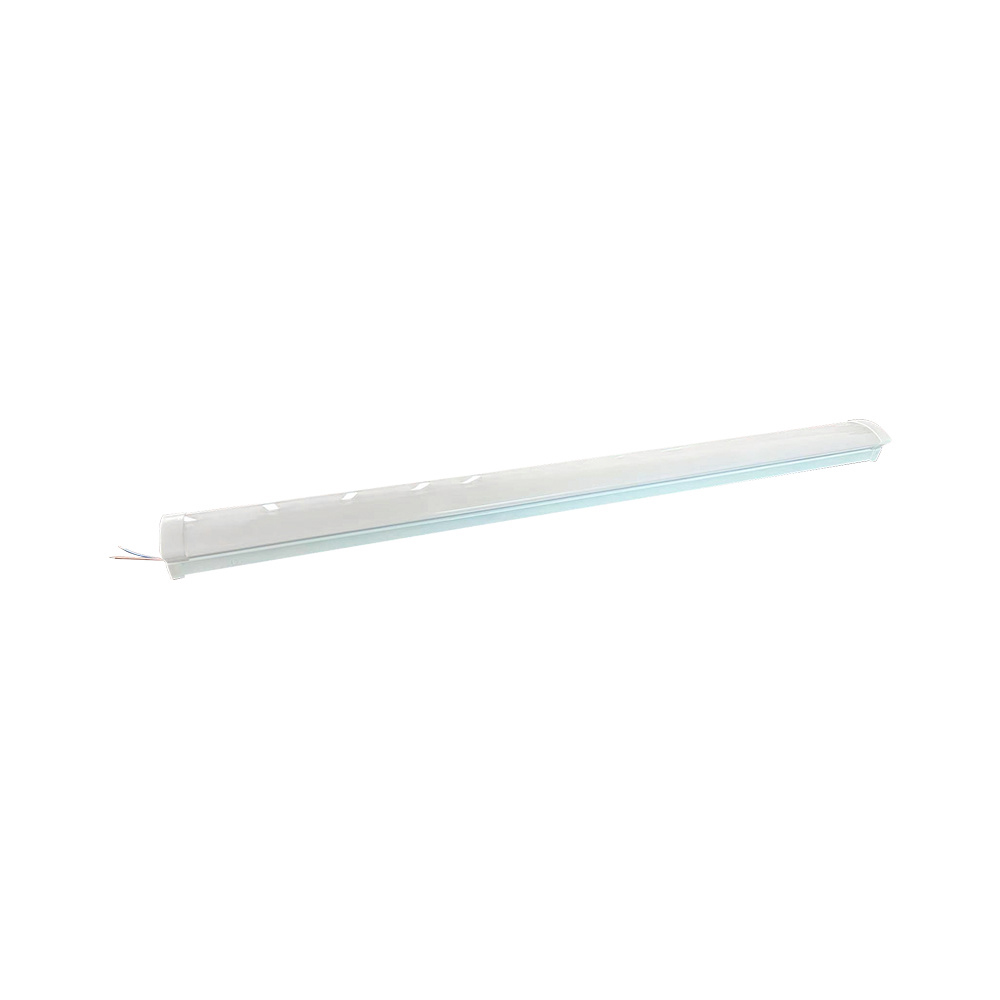
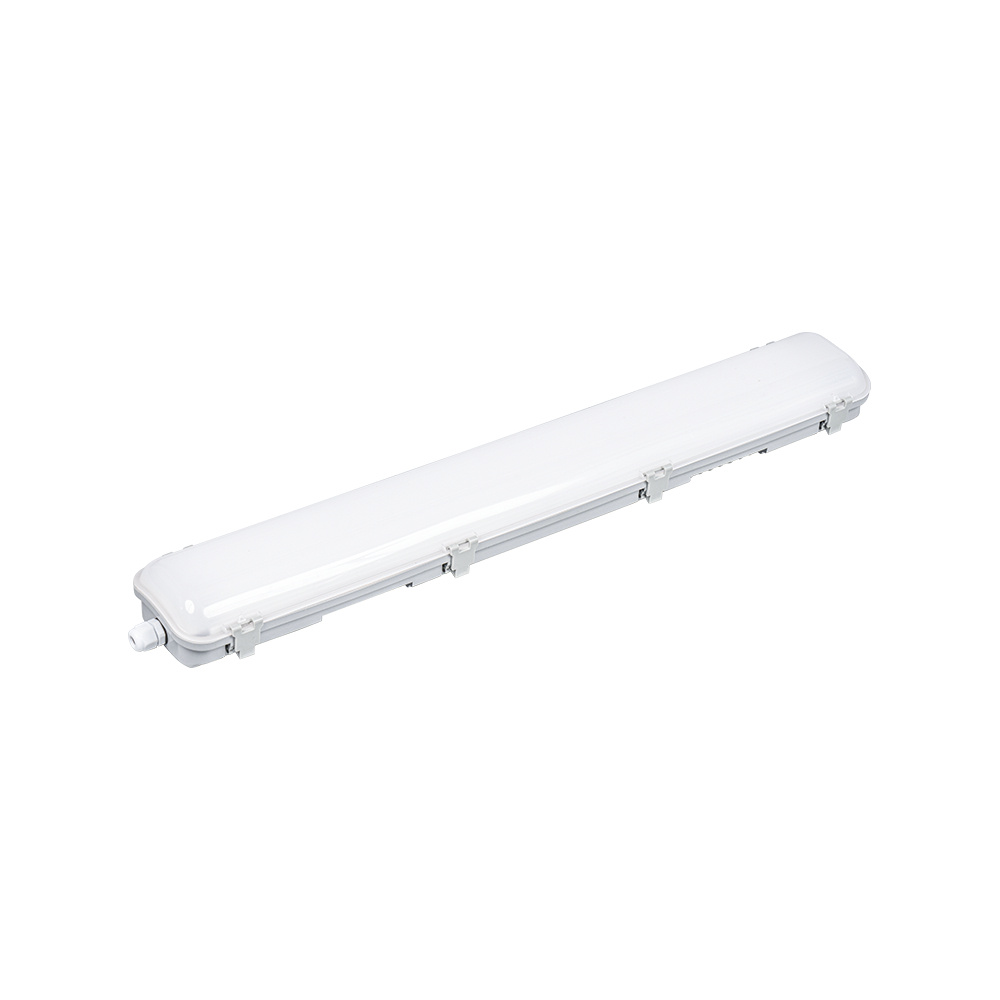
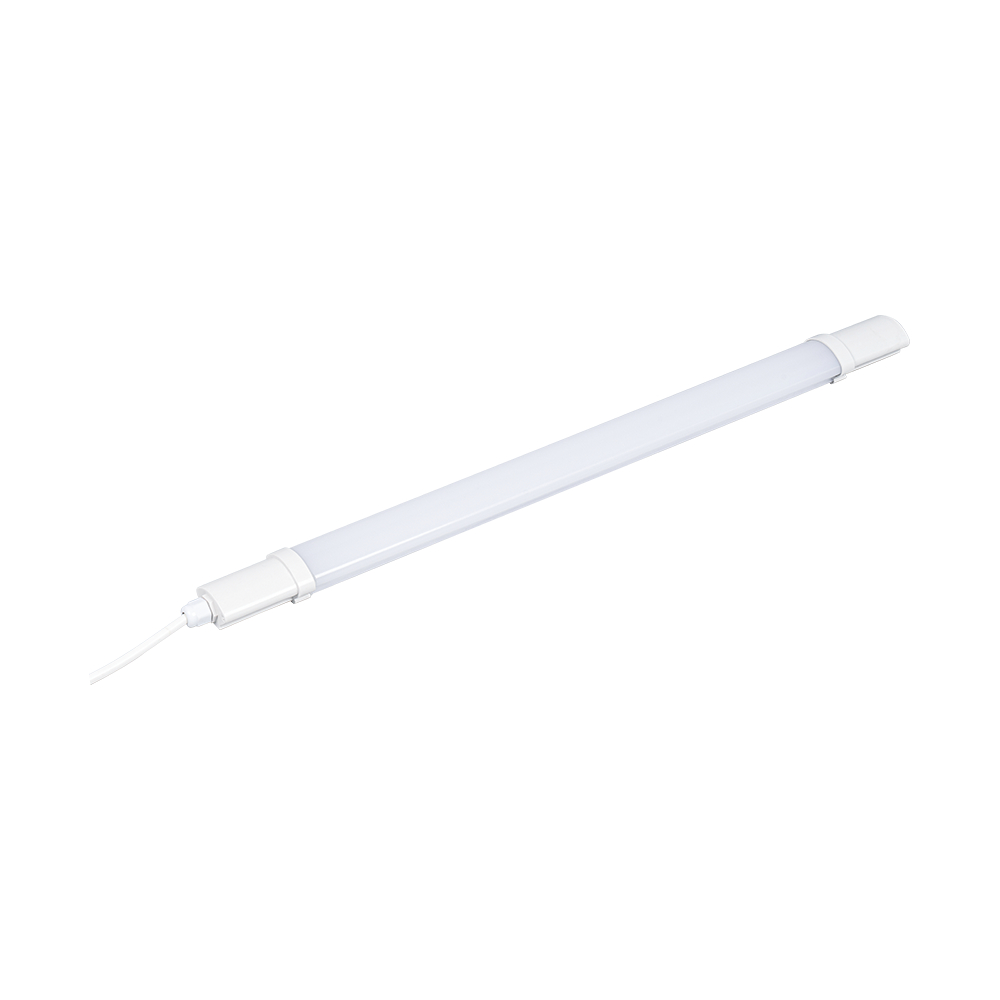
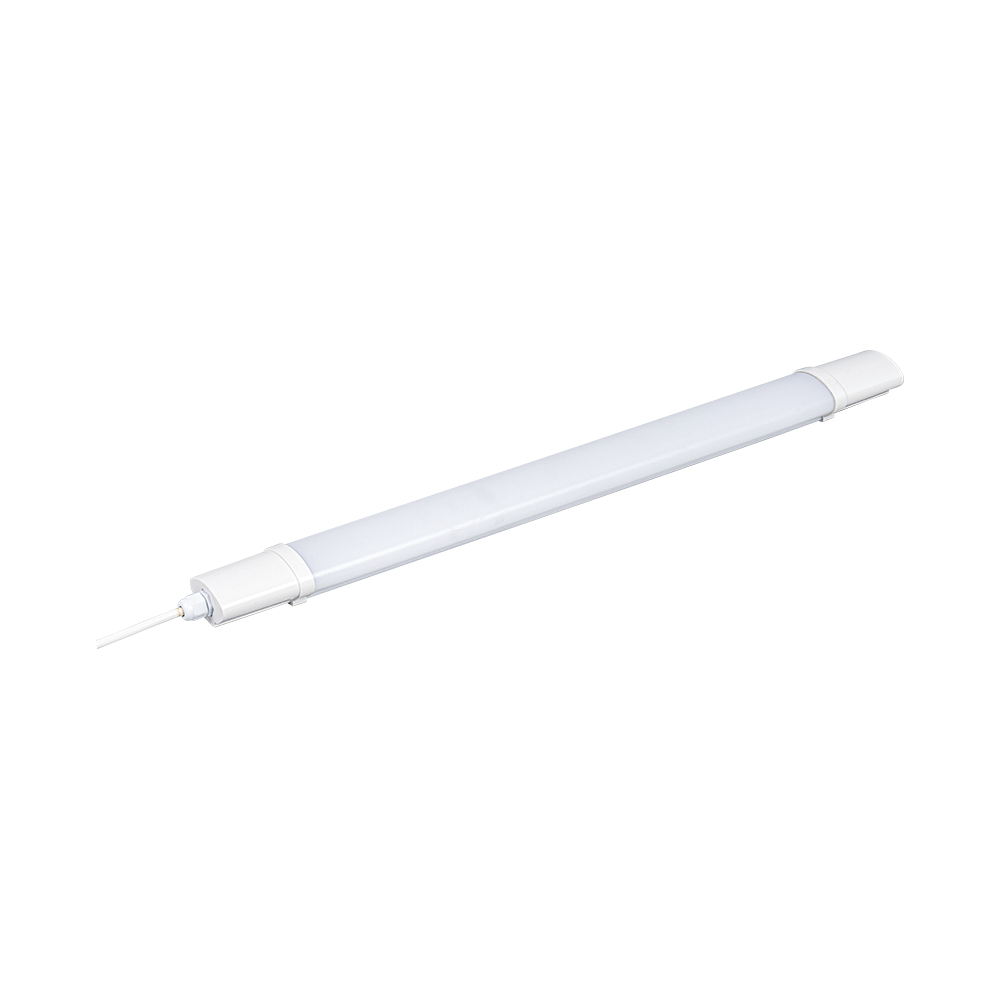
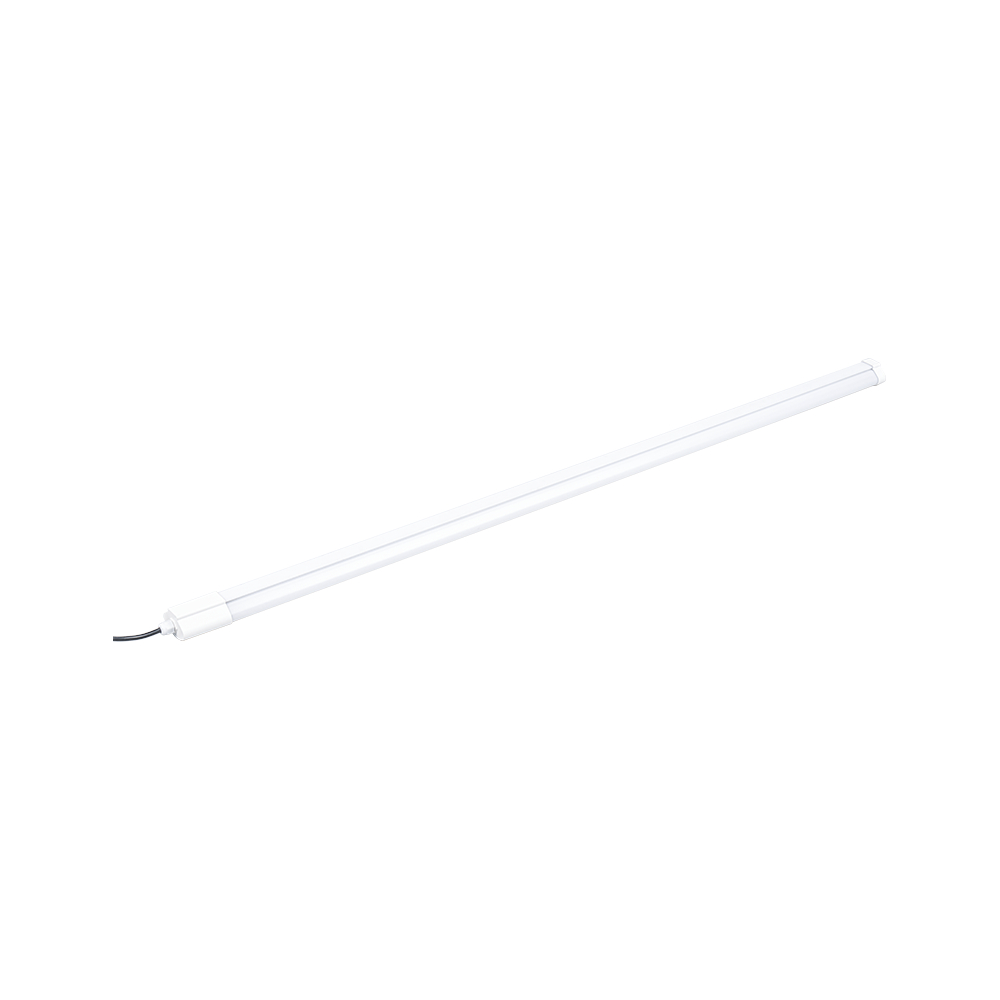
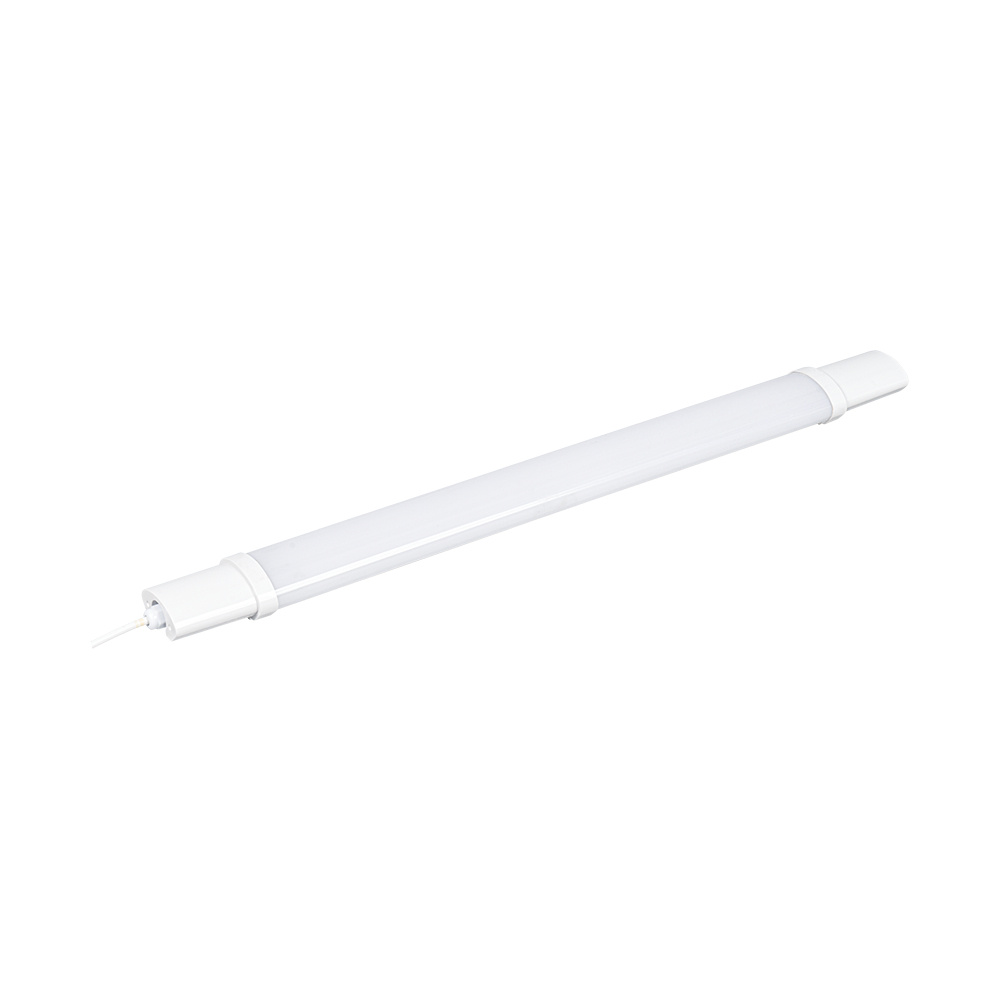
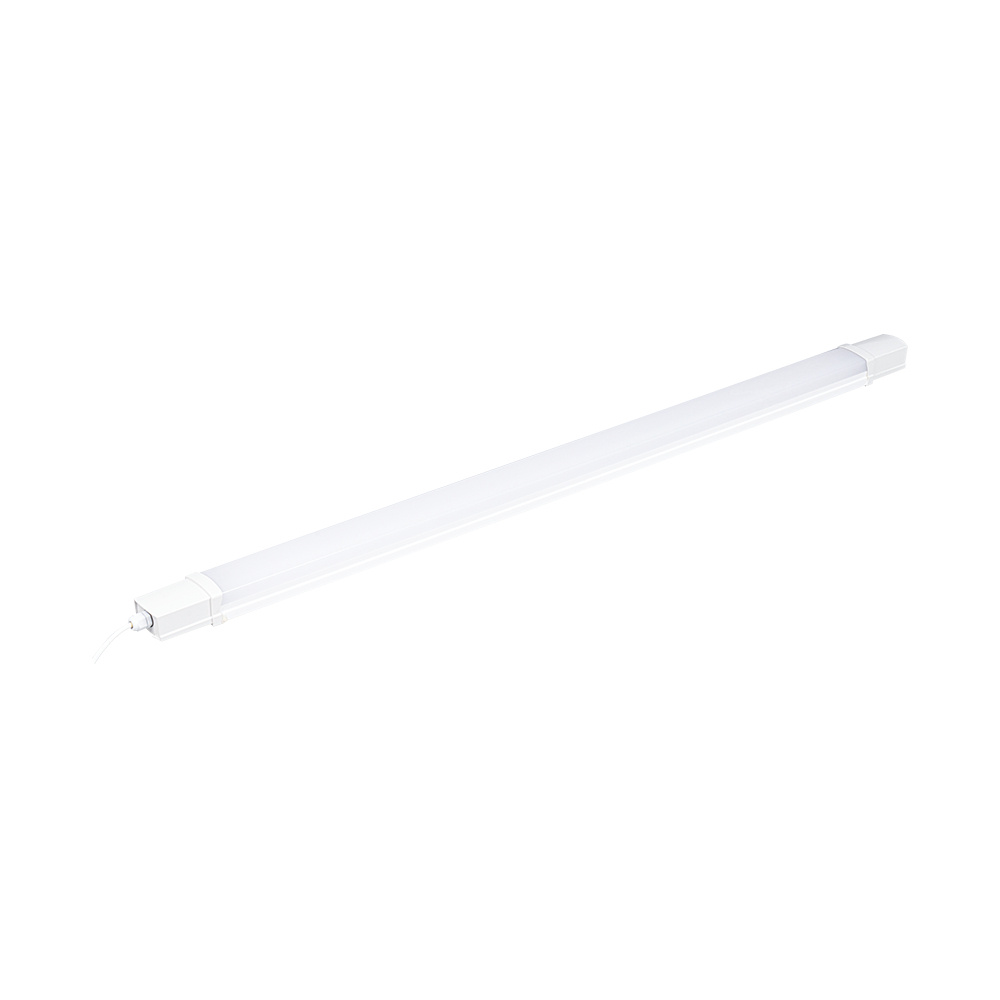
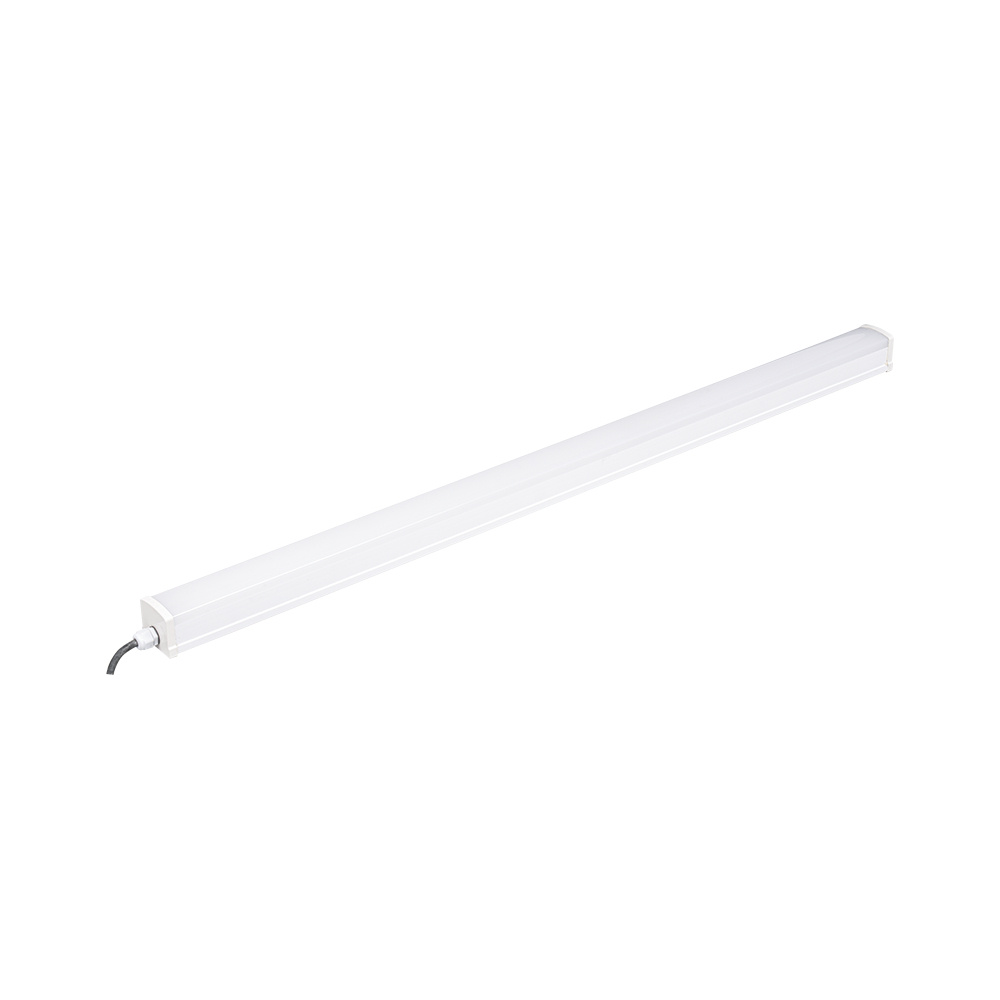
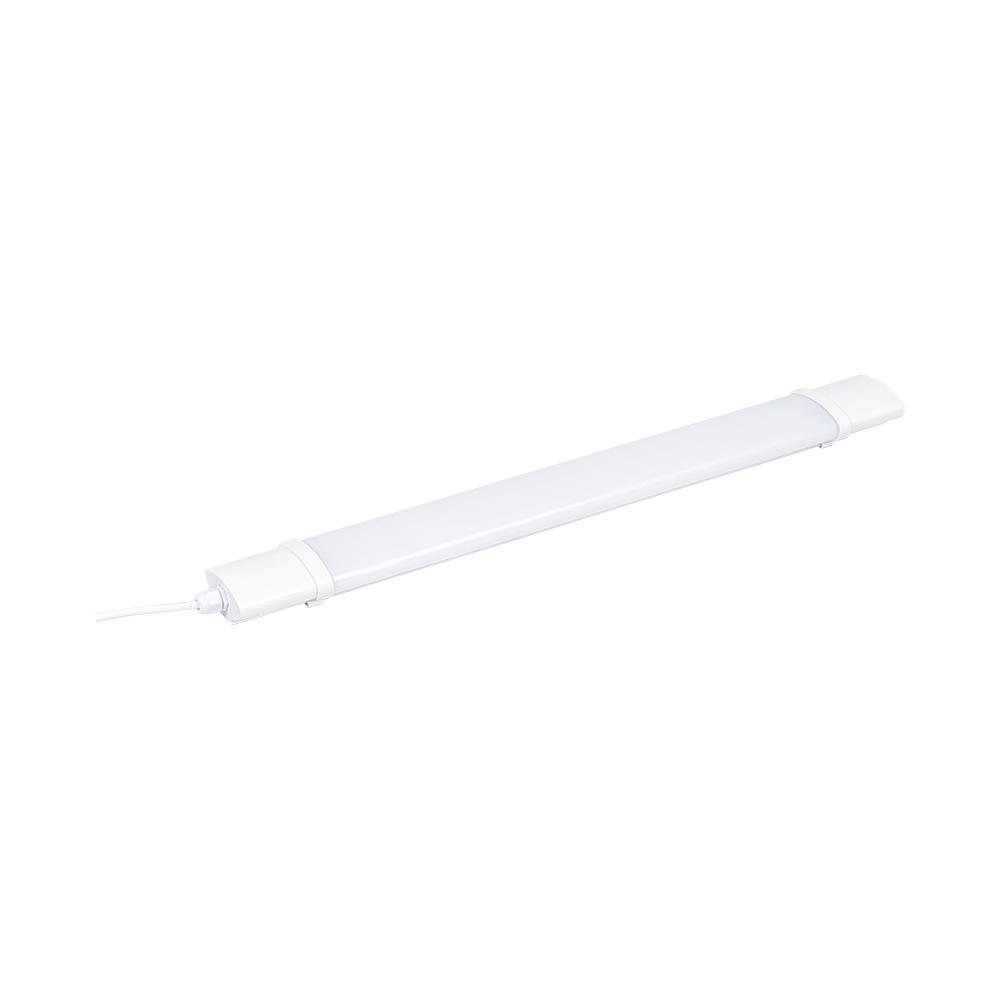
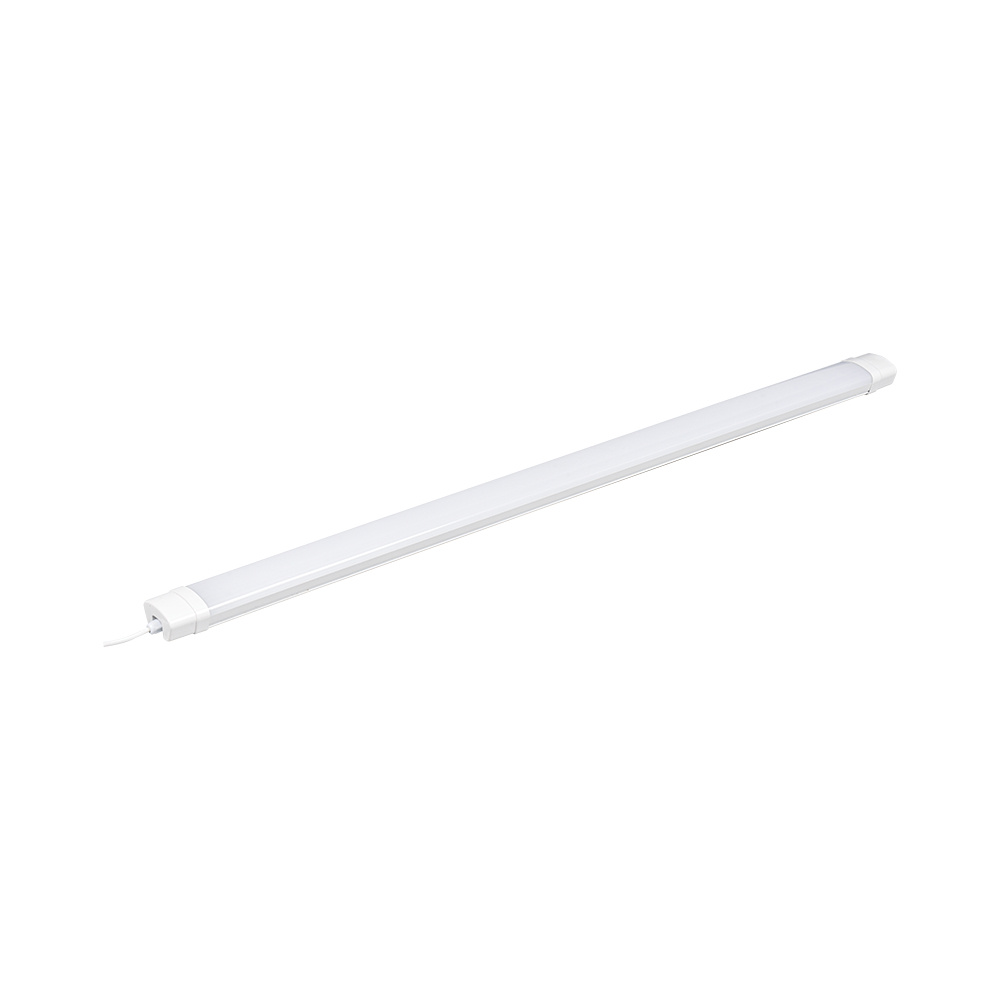
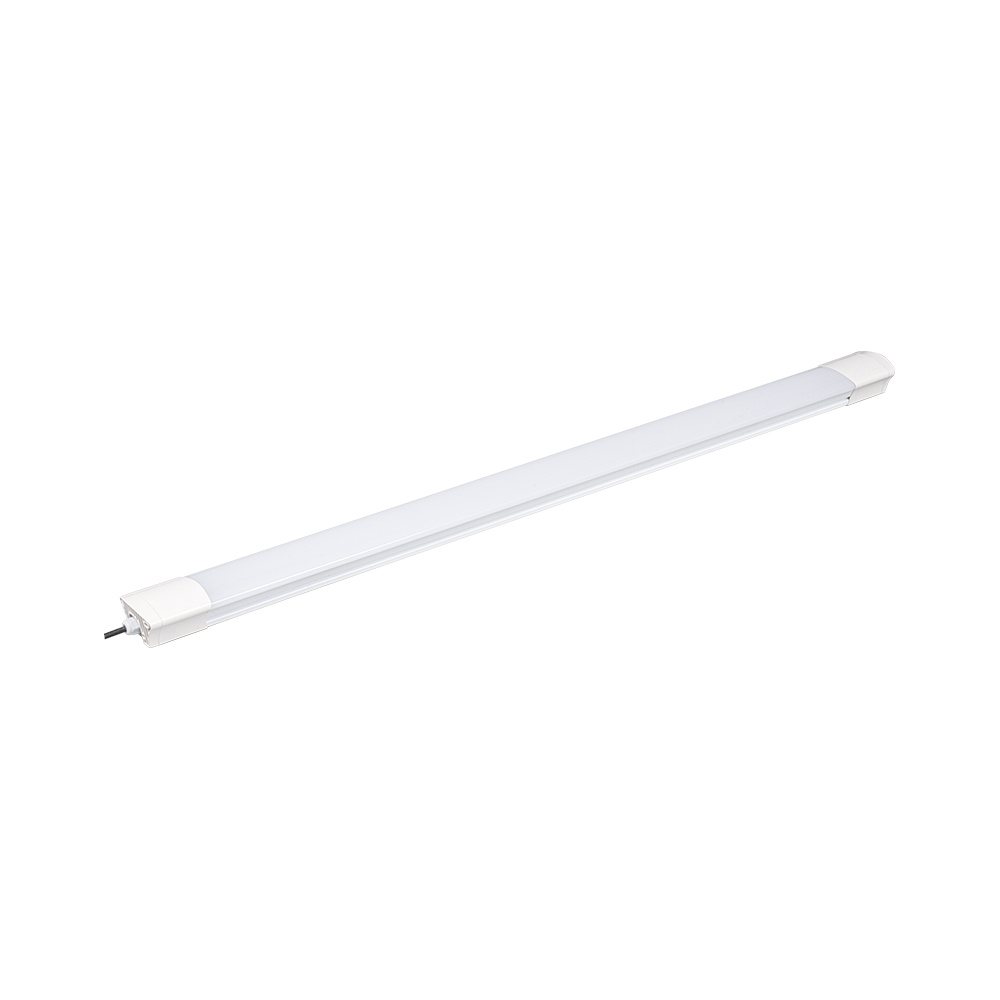
That's where LED Triproof Light comes in handy. These lights are made to handle water, dust, and knocks without failing. They keep giving good light even in rough warehouse conditions. In big places that run heavy loads non-stop, overhead lights have to stay on without needing fixes all the time. If they break often, you end up with constant repairs, extra spending on new ones, and lost hours.
Going with tough options like LED Triproof Light cuts most of that out. The light stays even, jobs keep moving without stops, picks stay accurate, and the whole place feels safer to walk around. Maintenance drops, money spent on lighting goes down—both the obvious costs and the hidden ones from delays or mistakes. The warehouse just runs better day to day.
Content
The shell on these lights is the main guard. It's built from solid stuff that doesn't crack or shatter easy. Think about materials that can flex a bit under pressure but hold shape—mixes of strong plastics or metal blends that spread out force instead of letting it punch through.
In a warehouse, you get all kinds of knocks. A forklift driver misjudges a turn and grazes the wall-mounted light. Or up high, a box tips off a top shelf and clips the fixture below. With thinner covers, that often means broken pieces falling and a dark spot until maintenance shows up. But these tougher shells absorb the shock, dent maybe a little, but keep the insides safe.
Corners and edges get special treatment too. Rounded shapes or extra strips help glances slide off rather than dig in. Guys who've installed them say they've seen carts bang right into the ends and nothing happens—no cracks, no leaks starting. The cover just does its job quietly.
On top of strength, the surface stays smoother longer. Dust from unpacking or moving goods doesn't stick as bad, so light doesn't get blocked over time. Even when a bump kicks up particles, the shell keeps things clean enough for steady output. It's practical stuff that adds up to fewer dark patches and less climbing ladders to fix things.
Open up the fixture, and the layout inside shows real thought. The boards, chips, and wires aren't just floating around—they're held firm with brackets, cushions, or fillers that soak up movement.
Vibrations are constant in warehouses—trucks rolling, conveyors running, stacks settling. Add a direct bump, and loose parts could shift or break connections. Here, supports act like little anchors. The main board sits steady, chips stay tucked away from edges where force hits hardest. Wires route gently, no sharp turns that snap under stress.
Electricians mention how rare it is to find loose stuff inside these, even after months of rough handling. A jolt might rattle the whole building, but the light doesn't flicker or cut out. No sudden shorts from parts touching wrong. Spacing helps too—room for air to move, keeping heat down so nothing warps over time.
It's all about planning for the worst without making things complicated. Components sit where impacts least affect them, isolated if needed. Result? Lights that handle daily chaos and keep working like nothing happened.
Strength means nothing if stuff gets inside. Seals are crucial—rubber rings, compounds, tight fits at every seam and hole. They stop moisture from cleaning or spills, block dust from loading zones.
In warehouses, floors get washed regular, air carries fine particles from cardboard or packaging. Humidity swings make surfaces sweat. Poor seals let that in quick—rust starts, lenses fog, connections fail.
With solid sealing, the inside stays dry and clean no matter what. Even if a collision nearby kicks up debris, nothing sneaks through. Wipe the outside, and you're done—no deep teardown cleans.
Layers help: main gaskets outside, extras around sensitive spots. If one takes wear, others back it up. Over years, this means way fewer failures from environment alone. Lights stay bright, no gradual dimming from buildup inside.
The light sources themselves get special coating—gels or resins that encase them completely. This shields against damp, particles, even corrosive air in some storage areas.
The wrap handles heat well too, pulling warmth away so things don't overcook during long shifts. When bumps happen, it cushions delicate bits, stopping cracks or shifts.
Overall, the fixture feels like one solid unit. Less chance of internal movement wearing things down. Workers see steady performance—brightness doesn't fade from hidden damage. Managers get longer stretches between changes.
| Everyday Warehouse Issue | How the Design Copes | What It Means on the Floor |
|---|---|---|
| Bumps from carts or forklifts | Strong shell spreads force, inner cushions | Light stays on during busy times |
| Dust flying around | Tight seals keep particles out | Brightness holds steady, less cleaning |
| Water splashes or humidity | Wrapped parts and gaskets block moisture | No shorts or fogging inside |
| Constant shaking from traffic | Secured components don't loosen | No flickering over long hours |
| Heat buildup from running all day | Materials move warmth away | Parts last longer, less gradual fade |
Some versions watch their own temperature. Sensors notice when it's climbing, then adjust airflow or vents to bring it down.
In packed warehouses during hot months, this stops overheating that could hurt performance. After a bump, it stabilizes quick, no lingering hot spots causing trouble.
Doesn't add much complexity—just quiet help keeping things optimal. Places with varying activity notice the difference most.
When warehouses move to triproof LED fixtures, the daily work for maintenance crews looks quite different. Before, in areas with lots of forklift traffic or tight aisles, lights took knocks often enough that someone was always dealing with them. A small bump could split a cover or shake things loose inside, and the light would go out until fixed. Teams ended up on ladders several times a week swapping units, sweeping up bits, or tightening connections—time taken away from checking machines or other equipment.
Now, with the heavier build of triproof units, those calls drop way down. The outside housing stands up to normal contacts without trouble, internal parts stay put even with vibration, and seals keep dust and water out. No slow buildup on the inside means the light doesn't dim early and force a change. Upkeep turns into basic jobs: a quick wipe of the outside now and then, a glance to make sure nothing looks off, nothing more.
The money side shows the change clearly. Stock rooms hold fewer spare lights and parts. Hours once spent on lighting repairs go to planned checks on other systems instead. Over a few years, buying and fitting new units happens far less often, and the savings add up. Warehouses also skip the extra costs from dark zones—orders held up, shifts running late, or people working slower in poor light. Those choosing sturdy fixtures see the upfront spend come back through lower running costs, both the obvious ones and the ones that used to sneak in quietly. Lighting stops being something that surprises the budget every month.
Putting in triproof LED fixtures fits well with the many different shapes warehouses come in. Some have tall open spaces, others low ceilings over packed racks, and loading bays often need lights on walls or posts. These units come ready for several mounting ways, so no big extra work is needed to make them suit the site.
Hardware usually allows hanging from chains or hooks up high, screwing straight to ceilings or walls lower down, and brackets that tilt to aim light where it's wanted. Cable entry on different sides means connecting to existing runs is simpler, less new piping required. Electricians find the connection boxes open without fuss and terminals laid out clearly, so rows go up quicker.
The choices help both fresh builds and older refits. In buildings with uneven ceilings or tight corners, the adjustable parts get good spread of light without cutting into structure. When a warehouse adds floors or new shelving, the same lights work everywhere, keeping stock lists short and fitting straightforward.
Placement matters for lasting performance too. Setting units a bit back from the busiest paths of trucks or pallets, while still giving enough light, cuts down on direct hits. Mixing overhead and side mounts often clears shadows around corners or high stacks. Good planning at install time covers current needs and helps the tough build do its job longer by lowering day-to-day risks.
Put these pieces side by side—tough cover, secure insides, tight seals, protected cores, smart cooling—and you get lights ready for warehouse life. Bumps that used to mean downtime now barely matter.
All the different parts of the fixture support each other in a practical way once installed in a working warehouse. The solid outer housing meets any contact first and spreads the force, so the impact does not reach critical areas. Inside, the brackets and cushions keep boards and connections in place, even when the building shakes from regular traffic or a sudden knock. Seals at joints and openings stop dust and moisture from entering, while the coating around the light-emitting parts gives extra resistance to damp air or particles. In units that include it, the temperature control quietly adjusts airflow to avoid heat problems during extended use.
On the warehouse floor, this setup means lighting stays dependable through normal daily activity. A forklift grazing a fixture or a load shifting against a mounted unit rarely causes failure. The affected light continues operating, aisles keep their even coverage, and staff carry on with loading, picking, or moving goods without interruption. Tasks like reading shelf labels or scanning barcodes remain straightforward under consistent brightness.
Maintenance staff see the clearest shift. Calls to replace knocked units or fix flickering from small impacts become uncommon. Their schedule opens up for routine checks on other systems rather than urgent lighting repairs. Shifts run with fewer pauses waiting for sections to be relit or for temporary work-arounds in dim areas.
Managers notice steady output across the facility and fewer unplanned expenses tied to lighting damage. The fixtures cope with the usual physical demands of storage work without adding extra tasks. Reliable light supports normal pace in all zones, from dock areas to high shelving. The overall construction provides illumination that matches the real conditions found in active warehouses.
As storage spaces get busier and more packed, need for lights that shrug off rough treatment grows. Designs focused on real durability will keep playing a big role.
Our factory, CIGE, has been making these kinds of triproof fixtures for a good while now, always tweaking based on what folks tell us from actual sites. If your warehouse deals with plenty of knocks and you want lights that just keep going, we're happy to chat about options that fit your setup.
It is focused on the overall solution of dry bulk material port transfer system,
research and development, manufacturing, and service.

+ 86-158 6784 4739
garrick@cigelighting.com
+ 86-574 5896 6613
No. 332, Yizidi, Zhoutang west village. Zonghan street, Cixi, Ningbo, Zhejiang Province, China
Copyright © Ningbo Cige Photoelectric Technology Co., Ltd. All Rights Reserved. Triproof Light Manufacturer