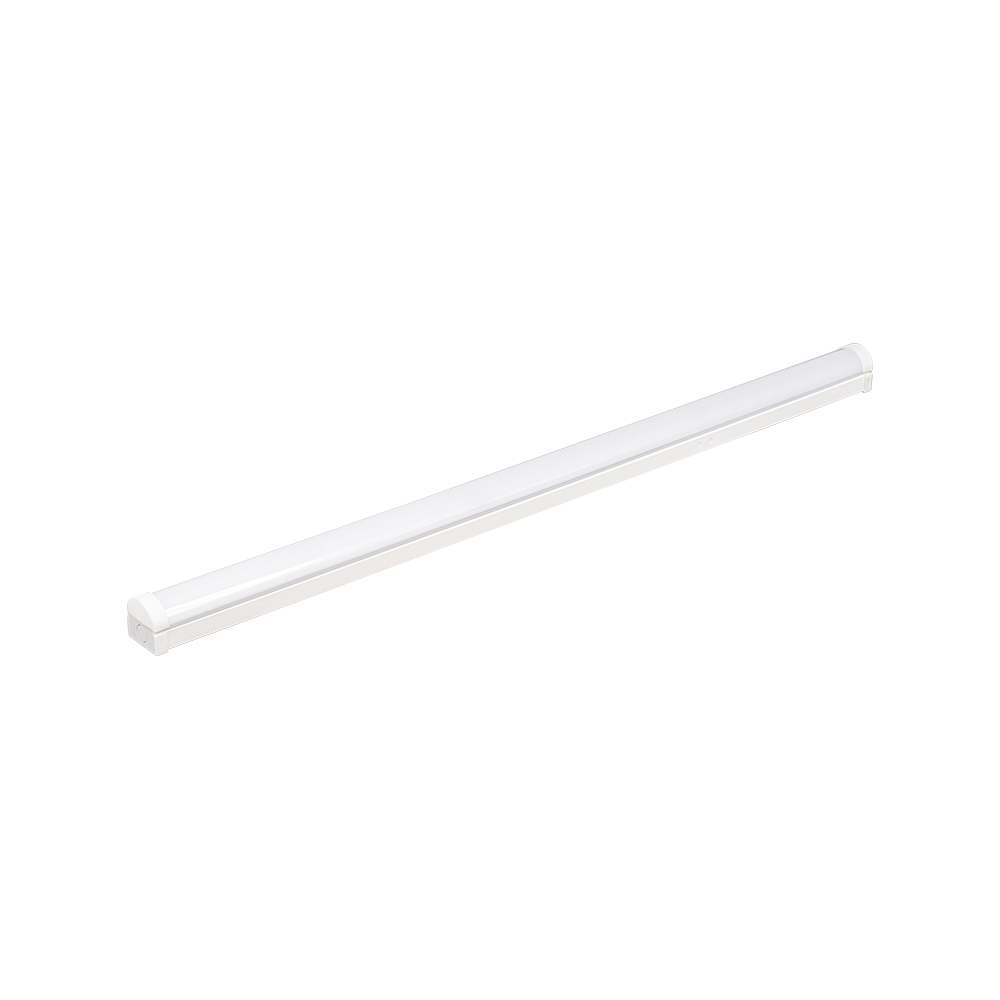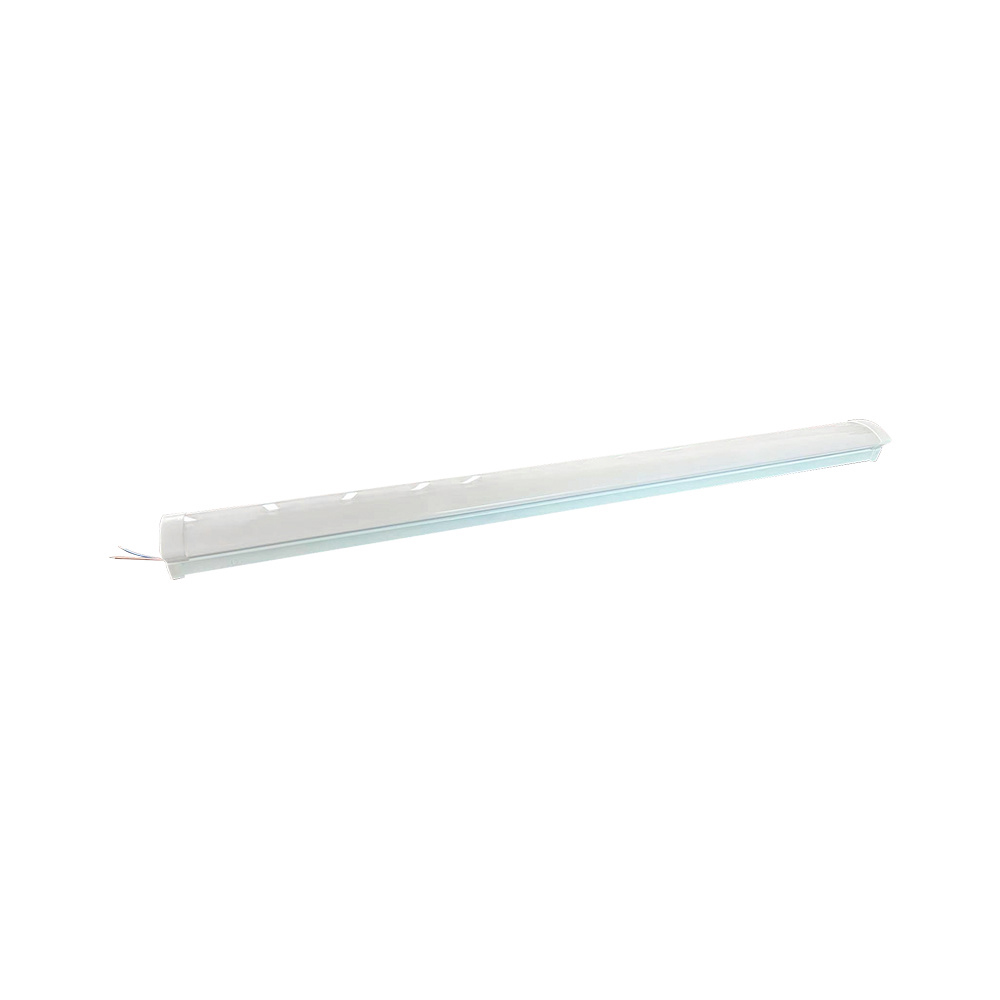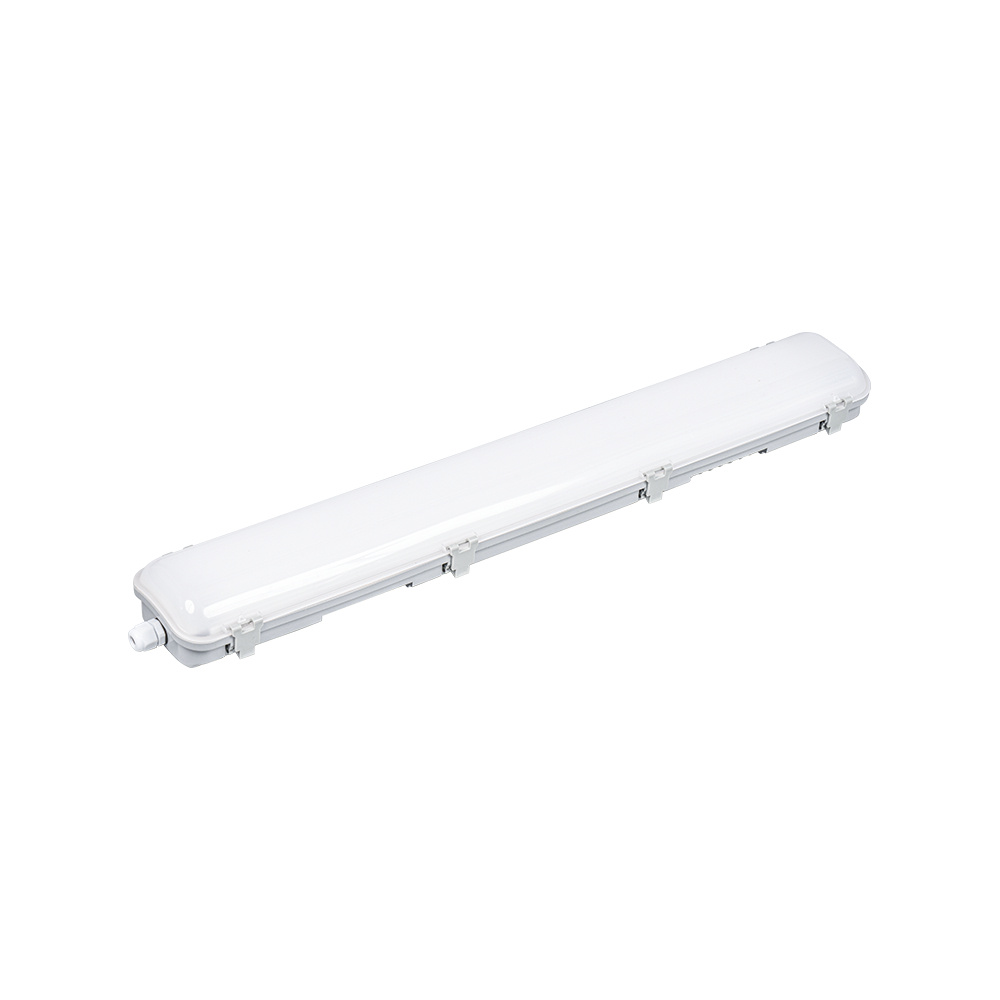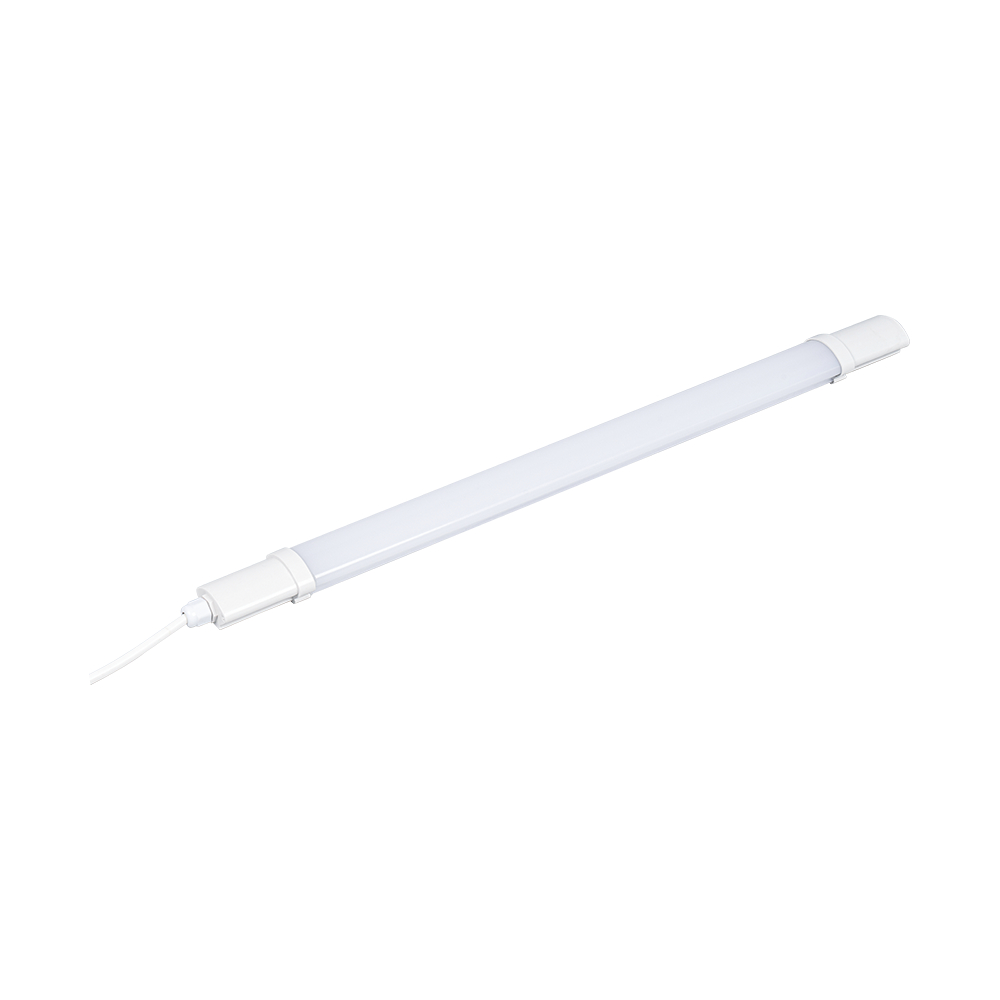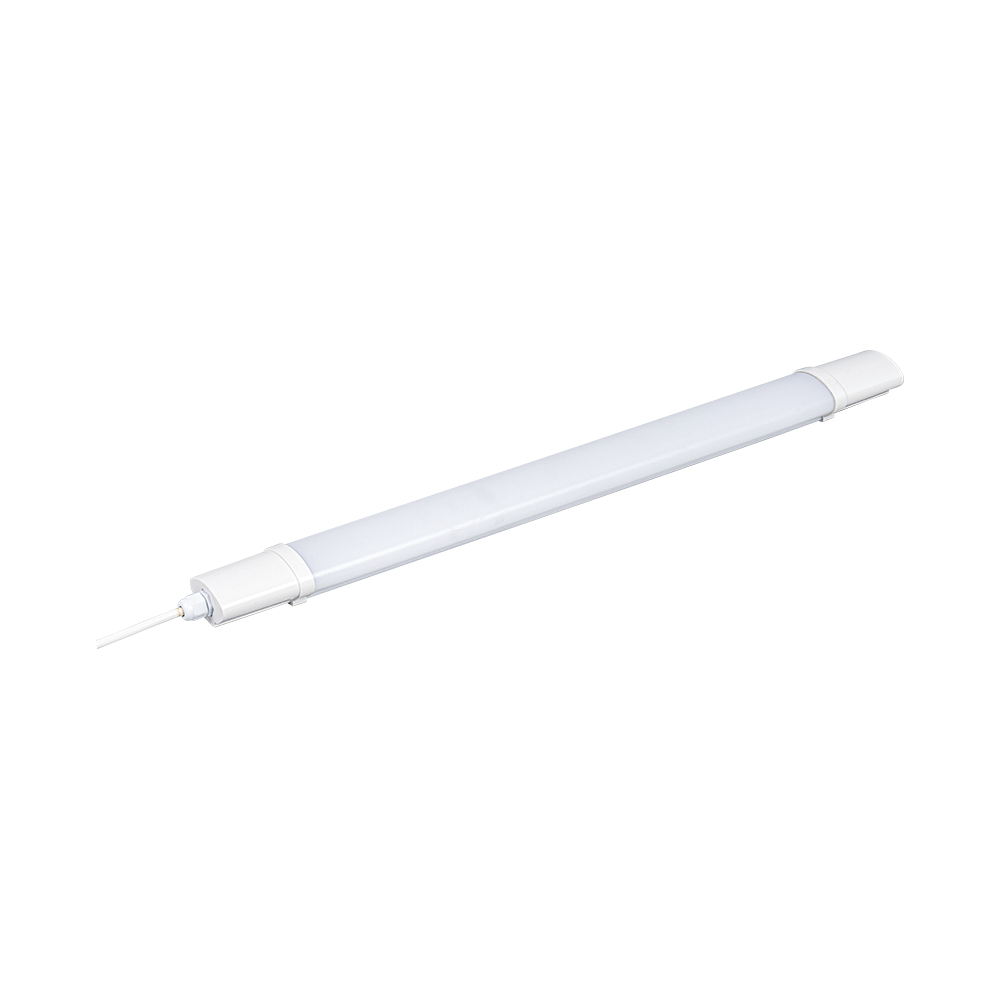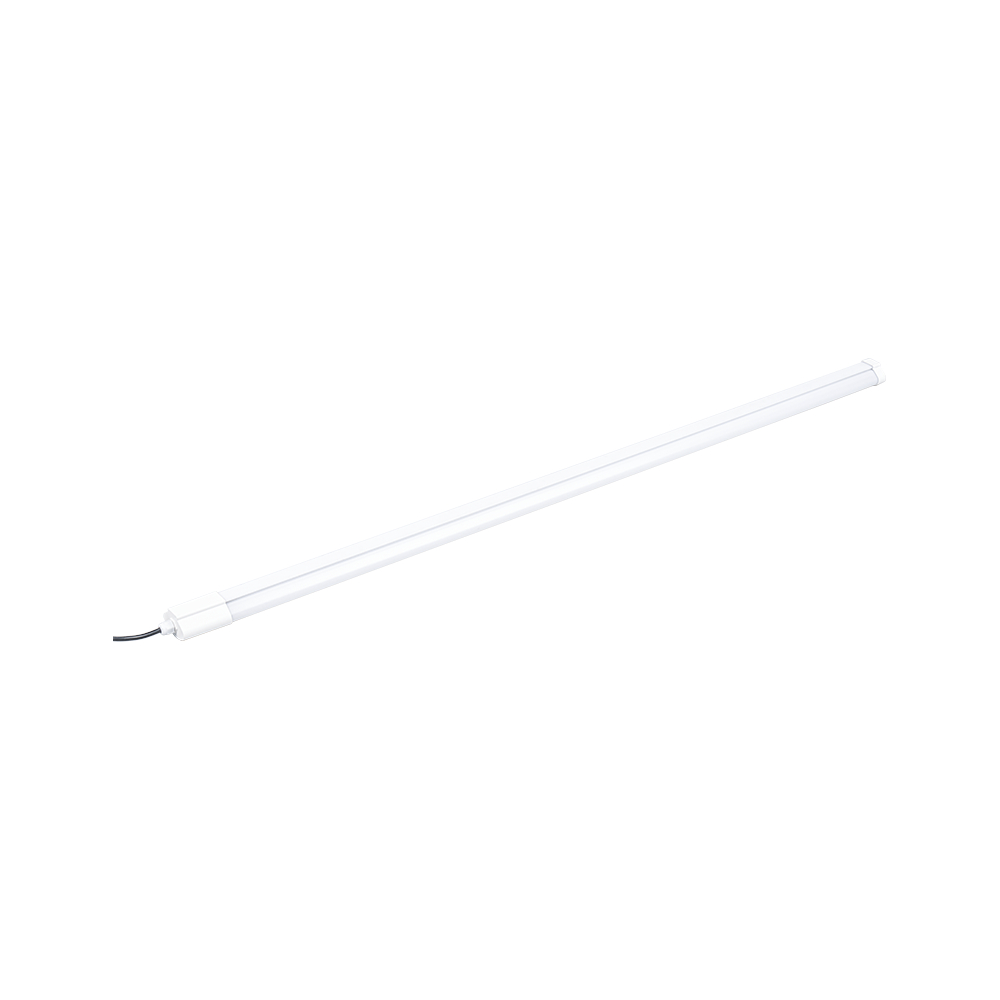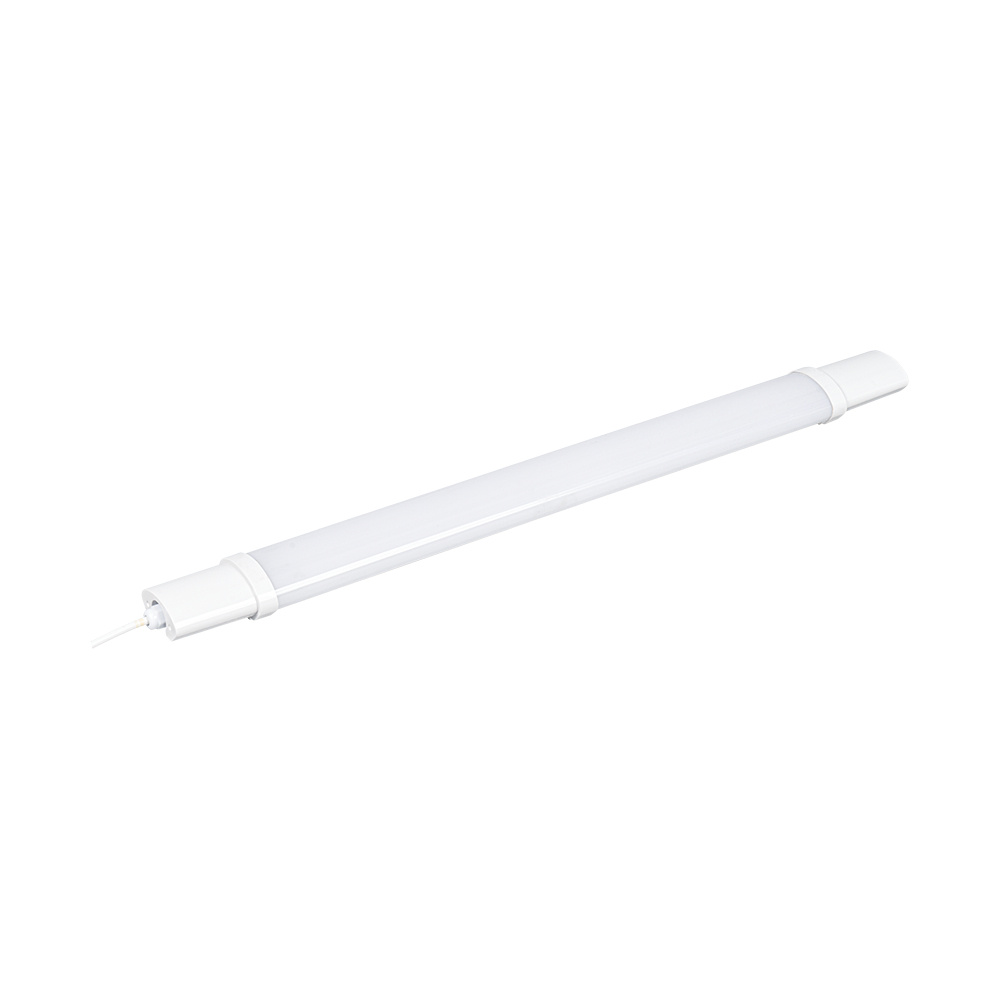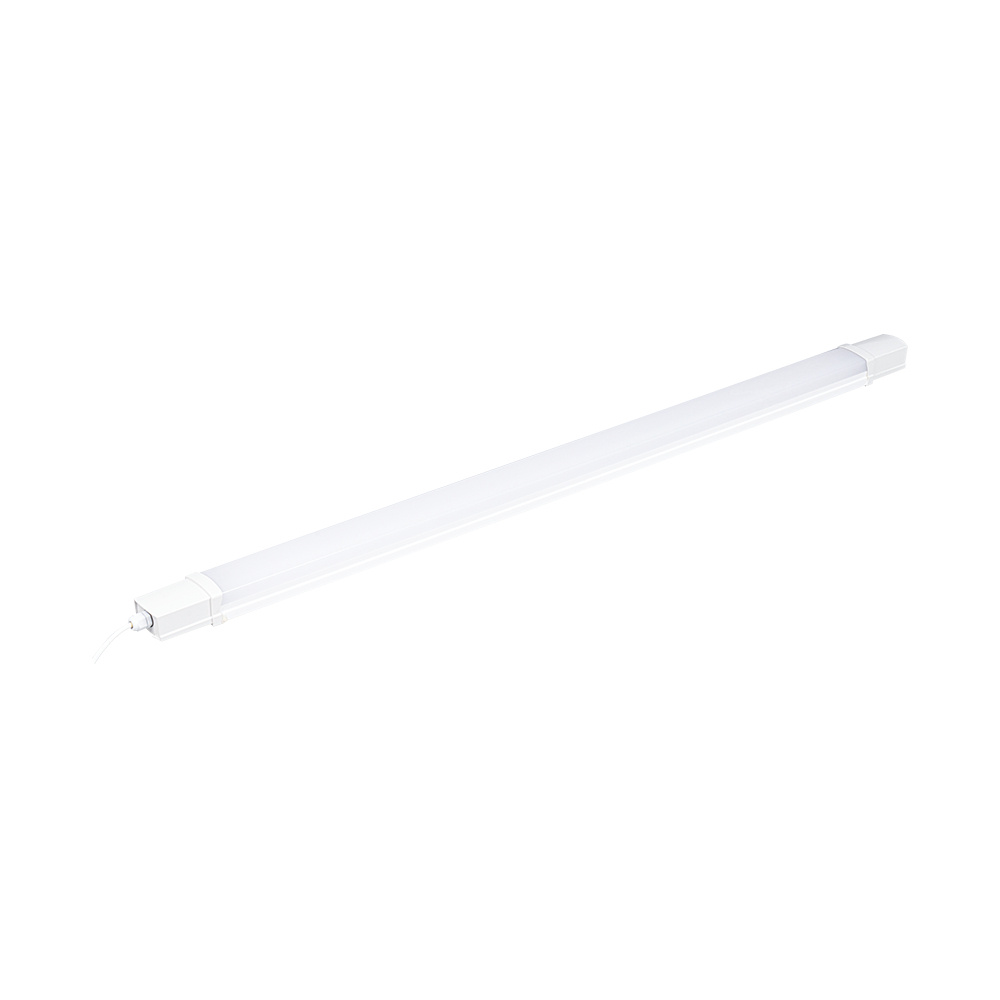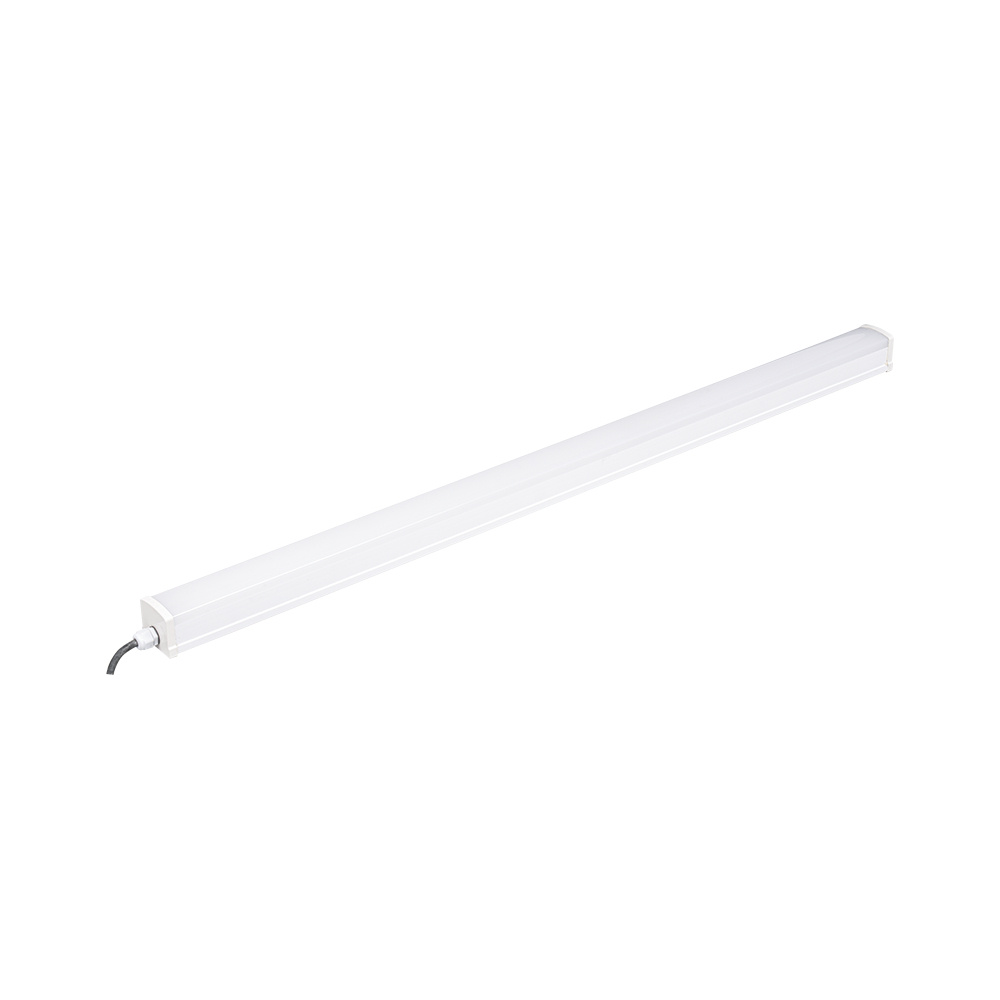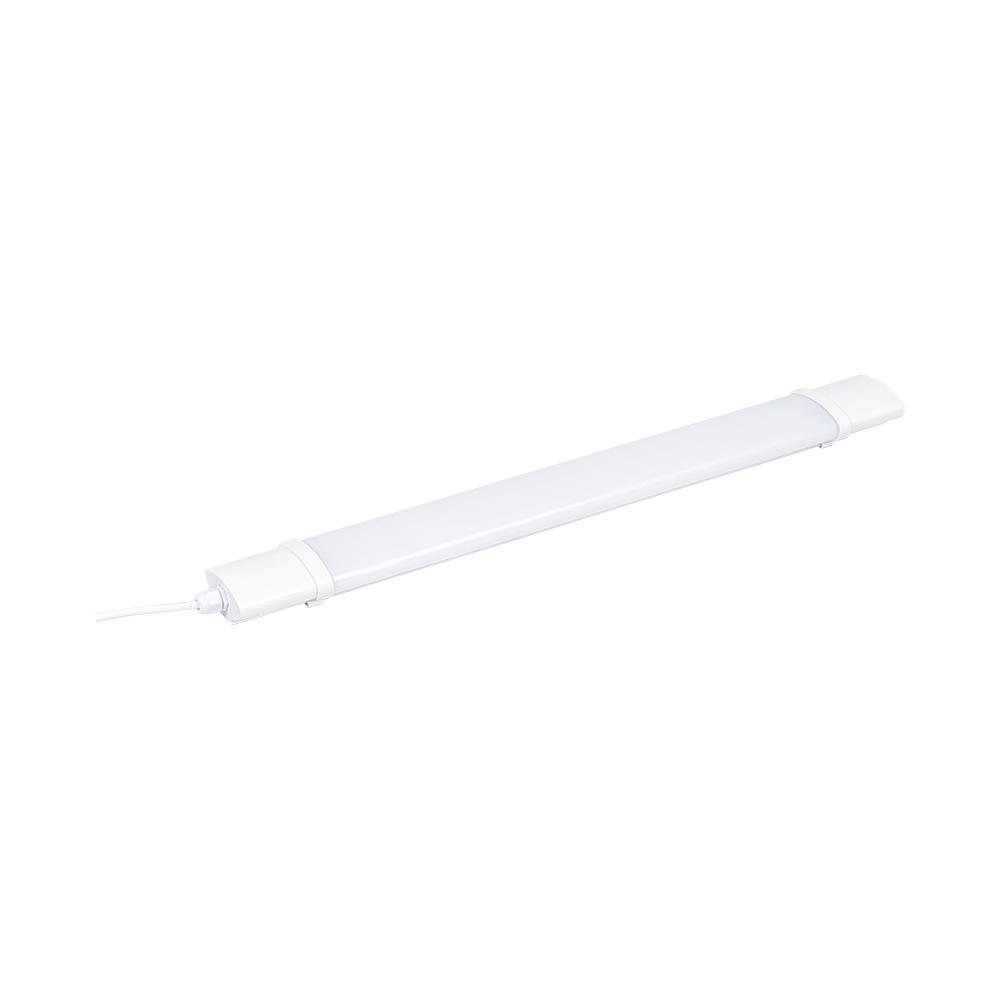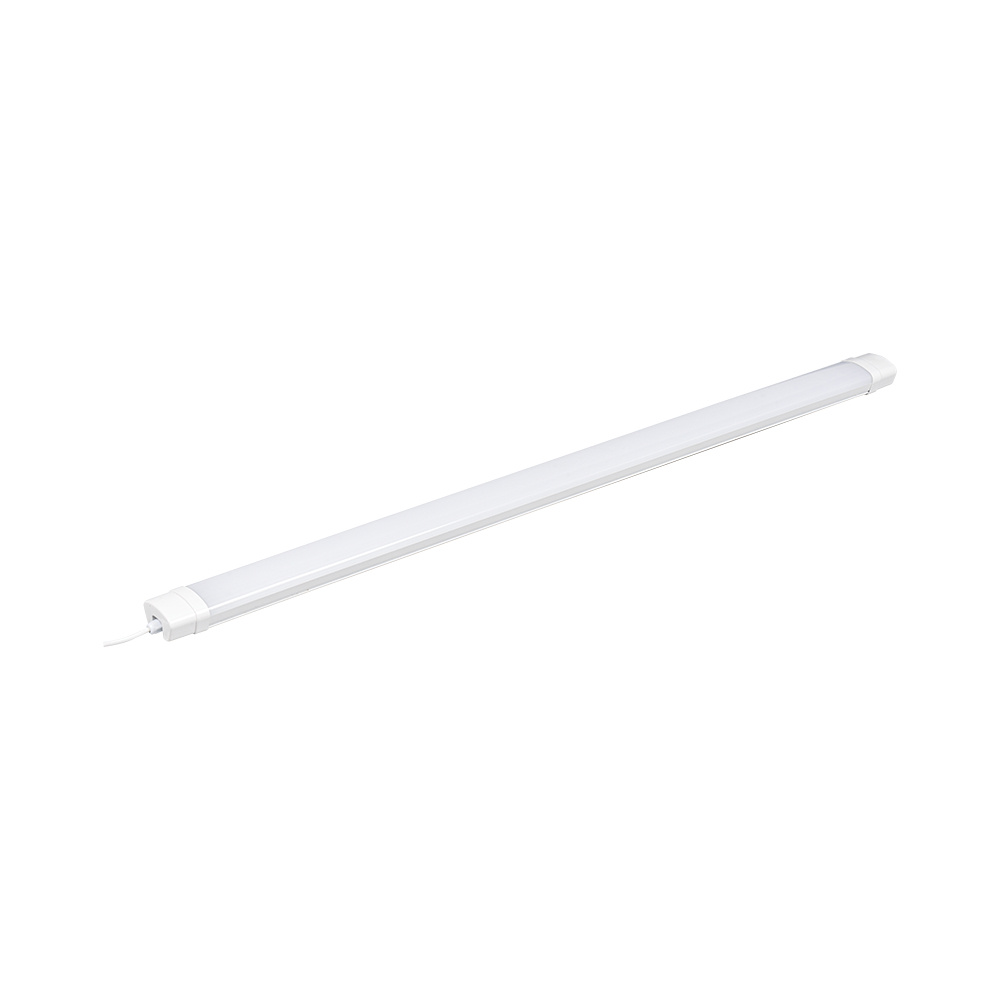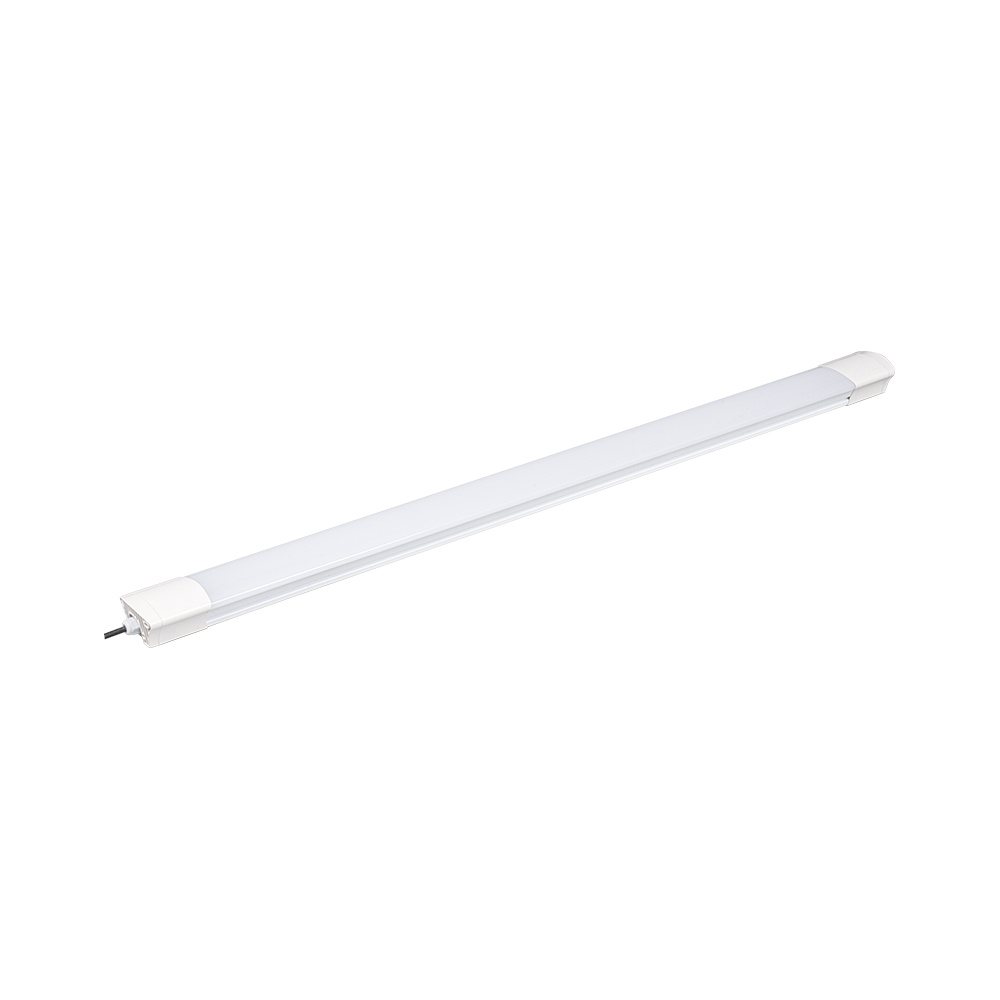
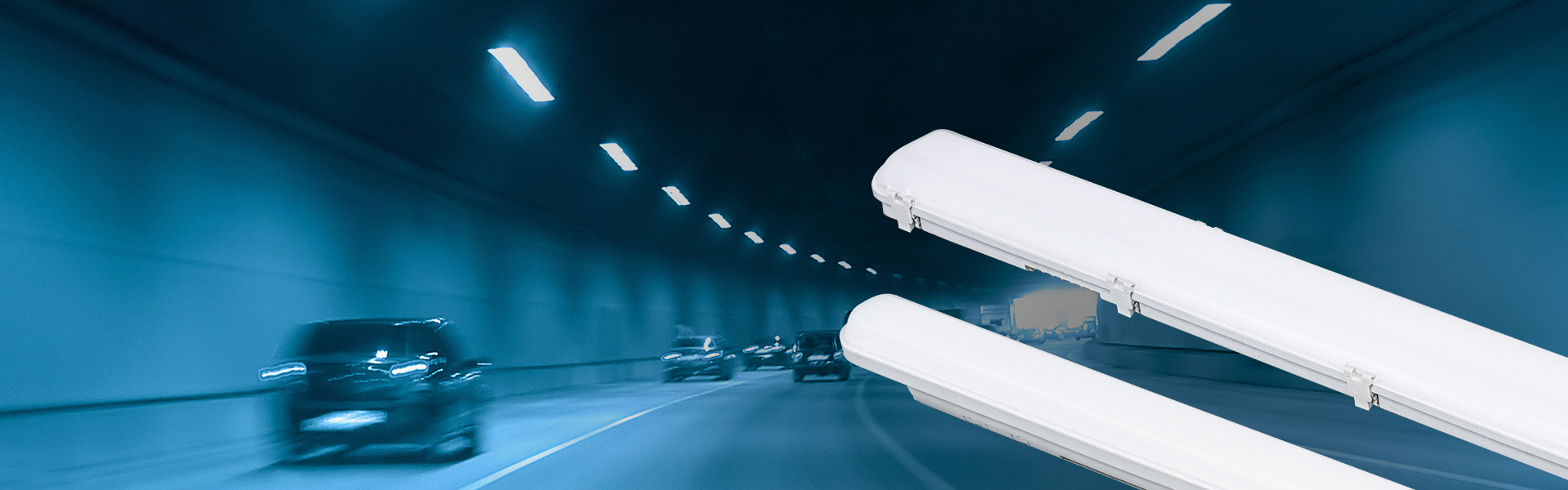
CG-LO Linear LED lights have really grabbed a strong place in all kinds of lighting jobs these days because they just handle so many situations without making a big deal out of it. Those long, narrow bars push out nice even light across wide spaces, so folks reach for them in everything from big storage buildings to regular offices and retail stores. The thing that makes them stick out is the way they mix handy smart stuff with solid construction, slipping into different spots easy while keeping the power bill down and still running strong.
What pulls people in most is how these lights bend to fit whatever the room or building needs. You get different strength options, so dialing in exactly the amount of brightness—whether it's a little workshop corner or a huge plant floor—feels simple. Throw in the chance for clever controls and quick linking, and all of a sudden keeping track of lights across a whole place turns way less complicated. Plus, the kind of light they give off—whether warmer tones or cooler ones, always sharp and clean—helps set the right vibe and keeps eyes from getting worn out during long days.
Toughness counts for a lot here too, with strong materials that brush off knocks, dust buildup, and temp changes. Fast installs in different ways cut down on time and headaches, and certain models even switch to backup power if the mains go out. Put all that together and you end up with linear LED lights that just work as a versatile pick for tons of lighting jobs without any drama.
Content
One thing that really stands out with CG-LO linear LED lights is how good they are at turning electricity into actual usable light. They come with a good range of output levels, making it pretty straightforward to grab the one that fits the task—whether you want soft background glow or full bright coverage. That spread means they tuck into small nooks or line up across big open rooms, always putting out light without sucking extra power.
Next to older kinds of lighting, these LEDs get way more brightness out of each bit of energy, knocking down costs and taking pressure off the electrical setup. In spots that keep lights burning all day long, those savings pile up fast and leave more budget for other stuff. You also get steady light with no annoying flicker or dark patches, so everything stays well lit no matter how big the area.
The efficiency shows up strongest in buildings that mix quiet zones with busy ones. Picking the right power for each section stops you from blasting too much light in low-use spots while making sure the high-traffic areas stay plenty bright. Over the long haul, pulling less power also means less heat getting trapped, which helps the whole fixture last longer in places that see heavy daily use.
A lot of linear LED lights come set up for neat extras like motion sensors that catch people walking by or forklifts rolling through. Those detectors turn the lights on just when something's moving and ease them off or shut them down when nobody's around, trimming waste big time in corridors, stock rooms, or parking structures.
Sometimes the sensing reaches around corners or through shelves, which comes in handy for awkward layouts where you can't always see straight across. That quick on-and-off routine adds safety by lighting up walkways right away while leaving empty sections dark and cheap to run.
Hooking several lights together is another useful move—these bars connect up without much trouble, so one switch or sensor can run a whole line or even a full zone. That makes changes and checks a lot easier, especially in long stretches like grocery aisles or mechanic bays. You can sync them all to dim together or split groups for different schedules, whatever matches how the space gets used.
All those controls shift plain lighting into something that responds to actual daily patterns, cutting power use without forcing anybody to keep messing with switches.
Nailing the right feel with light makes a real difference, and CG-LO linear LED lights handle it well with options to shift the warmth from soft golden shades to bright daylight looks. Turn it warmer for chill areas like lunch rooms or lobbies, or crank it cooler for jobs that need sharp concentration, like production benches or cash registers.
Being able to tweak it lets you match the light to the hour or the task—faking a gentle morning rise for early crews or easing into calmer tones as the day winds down. It keeps people sharp when they need to be and helps them relax when it's time.
Add in solid color accuracy and things look lively and real under the light. Bright reds stay punchy, greens keep fresh, faces come out natural. That changes the game in store displays, galleries, or any spot where getting colors right matters, cutting down on confusion and tired eyes from dull or off shades.
Together it turns spaces into places that feel welcoming and practical, dodging the harsh glare that wears people out over long shifts.
These linear LED lights really hold their own because they've got solid bases and tough covers that just brush off the usual daily grind. The steel backing gives them serious strength down the middle, and the clear polycarbonate shields do a great job keeping dust, drips, and splashes away from the guts, so everything inside stays clean no matter if the place is filthy or soggy.
They don't flinch at freezing mornings or scorching afternoons, keeping steady in cold warehouses without heat or open loading areas that bake in the sun. That kind of wide temperature handling means far fewer failures and a lot longer before you have to think about swapping anything out.
Bump protection comes in handy where things get crowded—forklifts zipping by, carts bumping edges, or tools dropping off benches. The outer shells take those hits and don't crack or dent easy. They also stand up to moisture-heavy or salty air without rusting or fading, think busy commercial kitchens full of steam or storage spots near the coast.
All that ruggedness means you get consistent performance in rough environments, way fewer repair guys showing up, and everything keeps moving without random lighting hiccups throwing off the day.
Getting these lights mounted usually turns out pretty painless, thanks to designs that aren't heavy and bulky—one guy or a couple of helpers can knock it out without breaking a sweat. You've got all sorts of ways to attach them: snug against ceilings, slapped flat on walls, or hanging down from chains, so weird corners or super high spots aren't a problem.
The clips and brackets snap right into place quick, and the ends come pre-wired so hooking up power doesn't drag on forever. When you're running long stretches, the built-in linking lets you chain them one after another without cluttering everything with extra junction boxes or tangled cables.
That kind of flexibility shines whether you're refreshing lighting in an older building or wiring up a brand-new one—it works around exposed beams, drywall, or open ceiling grids no trouble. Adjustable drop hooks let you tweak the height a bit for just the right even coverage or to aim the light exactly where it needs to hit.
Quick and clean installs mean the job gets done fast, which is gold for any operation that can't afford to close down sections for days just to swap out lights.
Some of these linear LED models come with their own built-in battery packs that take over the second the main power cuts out, switching without a flicker to keep critical areas from going dark. That emergency running time handles safe evacuations or lets important work carry on in spots like staircases or production stations.
The backup charge lasts plenty long enough for folks to get out calmly or for standby generators to fire up and take the load. Once regular power returns, it quietly recharges itself so it's always good to go if the lights go out again.
It's a solid comfort factor anywhere darkness could cause real trouble—medical facilities, computer rooms, or factories with tight safety standards that demand reliable light no matter what happens with the grid.
You'll find these lights popping up in all sorts of places, each one making use of whatever part of the design fits best. Massive warehouses appreciate the broad, uniform throw that reaches up to tall shelving, while motion sensors knock the power use way down in aisles that sit empty most of the shift.
Office buildings go for long continuous rows that wipe out annoying shadows across desks and cubicles, letting people focus better with the option to tweak the warmth of the light. Retail spots love how they make merchandise look vibrant and eye-catching, drawing shoppers in with colors that stay true and punchy.
Car repair bays and home workshops dig the sturdy builds plus the easy chaining for full coverage over workbenches. Schools keep hallways, classrooms, and gymnasiums lit without running up huge bills, and the emergency feature helps during fire drills or real outages.
Sheltered outdoor areas like shipping docks grab the versions built to handle weather, standing firm against rain, wind, and salt spray. Even everyday homes are picking up sleeker versions for kitchens, garages, or basements, enjoying the straightforward controls and the fact they just keep working year after year.
All in all, they cover everything from heavy industrial punishment to regular household needs without skipping a beat.
| Feature | Main Advantage | Best Suited Environments |
|---|---|---|
| Variable Output Strengths | Matches brightness to space size | Small rooms to large halls |
| Motion Detection | Lights only when needed | Hallways, storage, garages |
| Chain Linking | Easy control over multiples | Long aisles, workshops |
| Tunable Warmth | Sets mood and focus | Offices, retail, homes |
| Accurate Color Render | True-to-life shades | Shops, art spaces, kitchens |
| Rugged Construction | Withstands bumps and weather | Factories, outdoor covers |
| Multiple Mounts | Fits any layout | Ceilings, walls, suspended |
| Emergency Reserves | Stays on during blackouts | Stairs, critical operations |
This overview shows how the features overlap to tackle specific challenges while boosting overall usability.
Once these linear LED lights are up and running, the real benefits start showing up over months and years rather than right away. The way they pull so little power means that in places where lights stay on for long stretches—think warehouses during night shifts or offices during business hours—the savings just keep stacking. What starts as a small difference per fixture turns into noticeable lower electric bills month after month.
The parts inside are built to hang in there for a long time, so you aren't constantly pulling down old units and putting up replacements. That cuts way back on the hassle of ordering new stock, scheduling crews, and dealing with the downtime that always comes with swapping fixtures. Fewer trips up ladders, fewer burned-out bulbs piling up in the trash—it's all part of keeping things running smooth without much interruption.
Day-to-day care stays pretty basic. Most of the time a quick wipe across the cover with a damp cloth is enough to knock off dust or smudges. No need to crack open the housing or mess with wiring unless something truly unusual happens. The built-in smarts take care of a lot too—motion sensors and linking features mean the lights turn themselves on and off as people move through, so nobody has to walk around flipping switches or remembering timers.
That kind of steady, low-drama performance builds real trust on the job. Workers and managers stop bracing for sudden blackouts or dim spots that throw off the rhythm of the day. Everything just keeps going, and that quiet reliability makes a difference in how smoothly operations run.
Places that care about the environment pick up on it too. Using less electricity and replacing fixtures less often means a smaller overall footprint. It lines up nicely with bigger goals around cutting waste and running cleaner, so these lights become part of the story when companies talk about being more sustainable.
The folks who make these CG-LO linear LED lights haven't stopped tinkering. Newer versions keep bringing in small but smart changes that make them even easier to live with. One of the bigger steps has been going modular—different sections can snap apart and swap out without tearing down the whole run. If a piece wears out or you want to add a feature down the road, you handle it in minutes instead of starting from scratch.
Smarter connections are showing up more often too. Some models now talk to central systems that watch how much power gets used, how often the space stays empty, or what the temperature is doing, then quietly adjust brightness or timing on their own. That kind of automatic fine-tuning squeezes out extra savings and keeps performance tight without anyone having to lift a finger.
Looking further out, people are experimenting with materials that shave off weight while staying just as tough, or controls that reach even further into building management setups. The heart of it all stays the same though—keep the design practical, keep it adaptable, and make sure it keeps getting better at meeting whatever new demands come along.
A lot of older lighting setups struggle with the same handful of headaches: light that pools in some spots and leaves others dark, power bills that climb too fast, or fixtures that crack or fail the first time something bumps them. Linear LED lights take a different approach and knock most of those issues down at once.
The long, even spread of light means you don't get those harsh bright patches and deep shadows that make it hard to see properly. Everything looks balanced, whether you're working under them or just walking through. The lower power pull keeps costs in check, and the sturdy casings shrug off accidental knocks from carts, ladders, or dropped tools.
Sensors cut down on the bad habit of leaving lights burning in empty areas, while the option to chain them together makes it simple to control big stretches with one switch or one setting. Tunable warmth levels let you soften the glow when it's too stark or brighten it up when the task needs more clarity. And if the power blinks out, the backup versions keep things lit long enough to get everyone out safely or bridge the gap until generators kick in.
Instead of patching one problem after another, the whole design works as a package—each feature helps cover for the others, so the light stays solid even when conditions aren't ideal.
What really sets a good linear LED light apart comes down to the care put into every single piece inside. The drivers that keep the current steady, the housings that take the knocks, the connectors that don't loosen over time—when those are solid, nothing becomes the weak link that brings the whole thing down early.
Builders put these through real stress tests, shaking them, heating them up, running them non-stop, just to make sure they hold up under everyday punishment. That kind of attention means the lights keep delivering the same brightness and reliability years after installation, instead of fading fast or quitting unexpectedly.
For the people using them, that translates into setups that feel dependable from the first day and keep feeling that way. No constant little frustrations, no surprise replacements—just lighting that does what it's supposed to without drama.
These fixtures fit right into the push for more responsible energy use. They drink very little power compared to older options, so the overall draw on the grid stays lower. Because they last so long, you end up making fewer units over time, which means less raw material pulled from the earth and less manufacturing energy spent.
At the end of their run, many parts can go into recycling streams instead of landfills. That small shift adds up when you're talking about buildings full of fixtures. The combination of low consumption, long life, and recyclable elements makes these lights a natural pick for companies or facilities that want to show they're serious about shrinking their environmental impact while still getting strong, dependable performance.
Out in the field, these CG-LO linear LED lights have proven themselves in all sorts of rough spots. Dusty manufacturing plants that used to eat through bulbs now see the same fixtures running year after year without complaints. Steamy commercial kitchens stay bright even when grease and heat are constant factors.
Retail stores notice customers lingering longer around displays that look sharp and colorful under the even glow. Offices report that people seem more comfortable and focused when the light feels natural instead of harsh. Loading docks and workshops keep going through long nights and busy days, with no sudden failures throwing off schedules.
Each kind of space pulls something different from the design, but the end result is the same—better light, fewer headaches, and real improvements in how the place functions day to day.
The future for linear LED lighting feels pretty exciting when you see what's cooking in the labs and workshops right now. Teams are pushing hard to tie these fixtures tighter into whole-building smart setups. Picture the lights chatting back and forth with heating, cooling, or even security systems—dimming down when rooms empty out to save on AC load, or brightening up automatically if cameras spot unusual movement after hours. That kind of teamwork could shave even more off energy costs while making buildings run sharper overall.
Another direction that's picking up steam involves lights that figure things out on their own. They watch how people use the space over weeks—when traffic peaks, when areas sit quiet—and quietly shift brightness or timing to match without anyone programming every little change. It's like giving the system a bit of common sense so it keeps improving as it goes.
On the hardware side, folks are playing with newer composites and alloys that drop weight quite a bit but still take a beating. Lighter bars mean easier handling up on ladders, quicker installs in awkward ceilings, and less strain on old structures during retrofits. That opens up spots that used to be too tricky or costly to light properly.
Control options keep expanding too. Apps and cloud links are getting simpler, letting facility managers tweak whole floors from a phone while they're walking the plant or even from home. Voice commands, tighter ties to occupancy data, scheduled scenes that shift through the day—all heading toward setups where the lighting just feels effortless.
Through all the new bells and whistles, though, the foundation stays rock-solid: lights that are straightforward to put up, built to last in rough spots, and flexible enough to bend with whatever comes next. The upgrades aren't about flashy gimmicks—they're about making reliable, everyday lighting even better at handling real-world jobs as needs keep shifting.
When you boil it down, CG-LO linear LED lights cover such a wide range of jobs because they pull together a handful of practical strengths—running lean on power, offering handy controls, throwing clean and comfortable light, holding up to daily knocks, going up quick in all kinds of ways, and having backup plans when power dips.
They slide into different spaces without much fuss and keep performing when cheaper options would start flickering or quit. Whether it's a busy warehouse, a quiet office, a bustling shop floor, or any spot that needs steady light tailored to the task, these fixtures step up as a no-nonsense, smart choice that thinks ahead.
In tough production settings like the factories at CIGE, where lines run long shifts under demanding conditions, going with these linear LED lights pays off in solid, uninterrupted brightness. They keep the work areas well-lit shift after shift, cut down on wasted electricity, and rarely need extra fixing or fiddling. Bottom line, they just provide the clear, dependable glow that helps everything stay productive and on pace, day in and day out.
It is focused on the overall solution of dry bulk material port transfer system,
research and development, manufacturing, and service.

+ 86-158 6784 4739
garrick@cigelighting.com
+ 86-574 5896 6613
No. 332, Yizidi, Zhoutang west village. Zonghan street, Cixi, Ningbo, Zhejiang Province, China
Copyright © Ningbo Cige Photoelectric Technology Co., Ltd. All Rights Reserved. Triproof Light Manufacturer