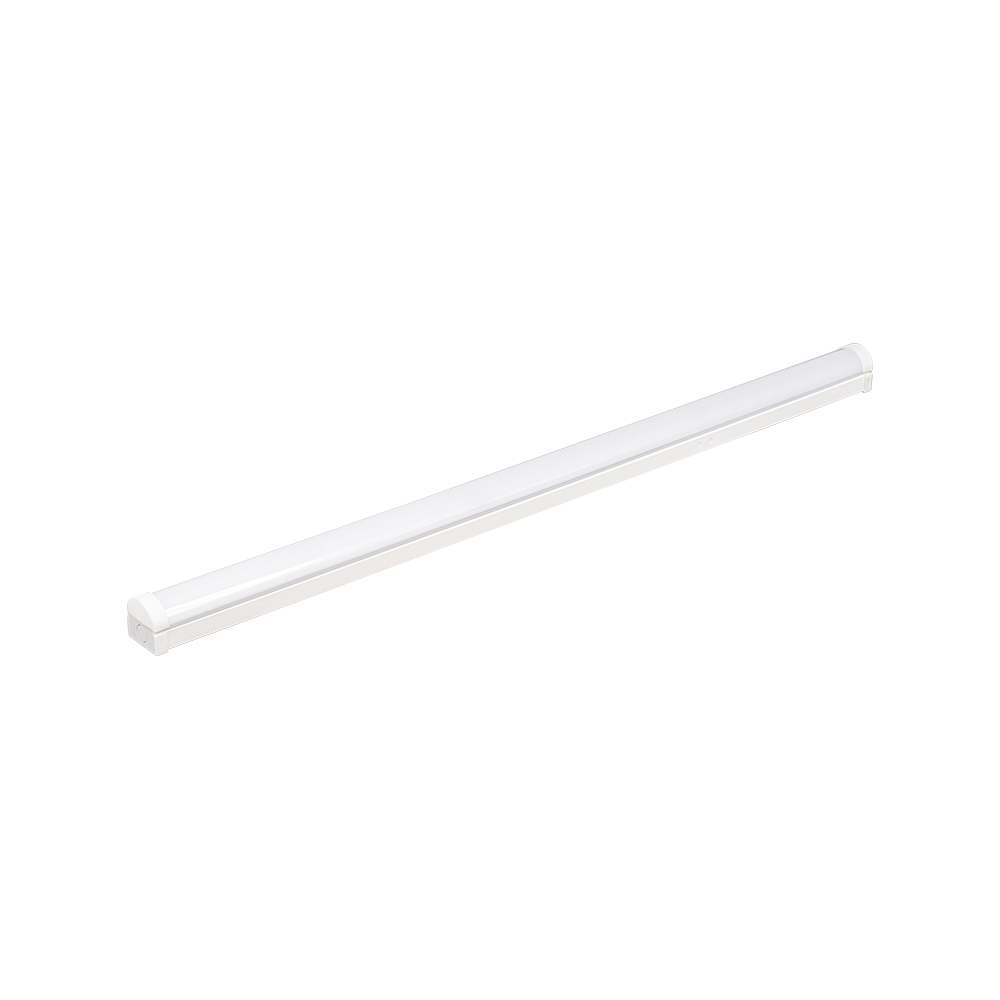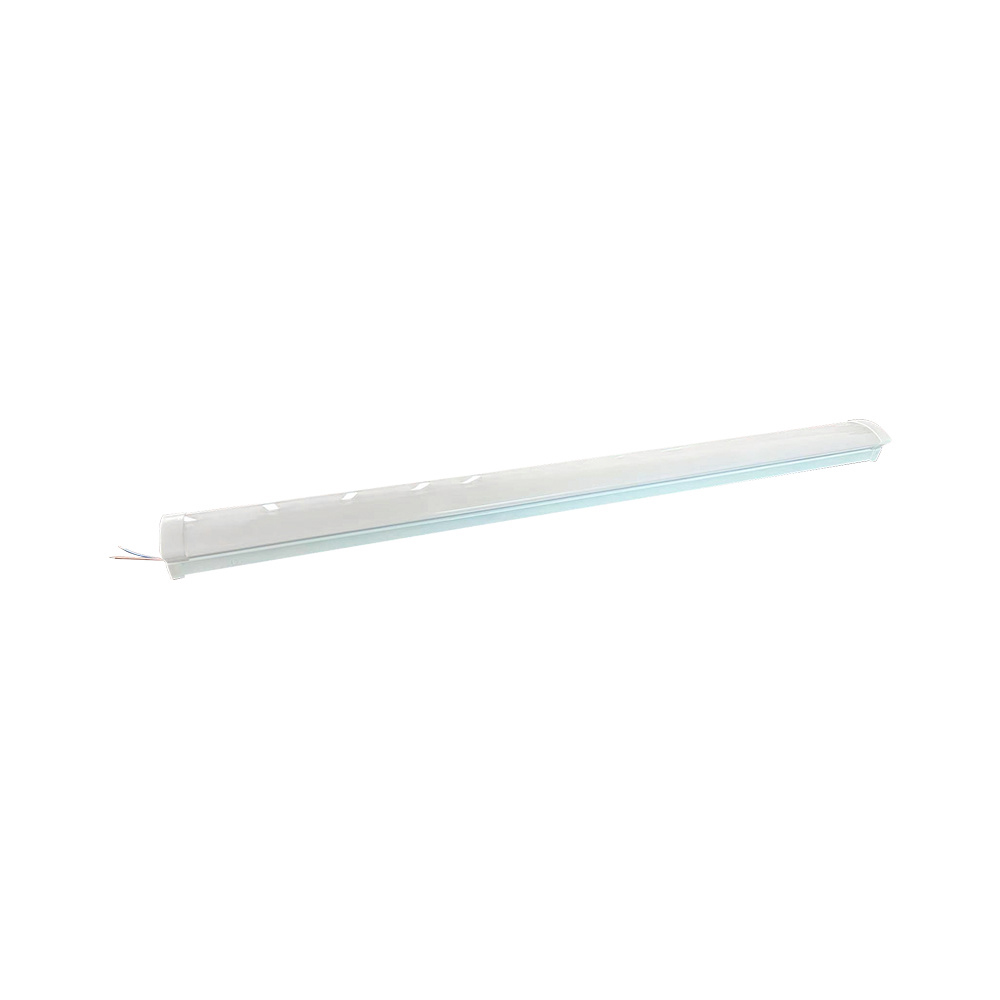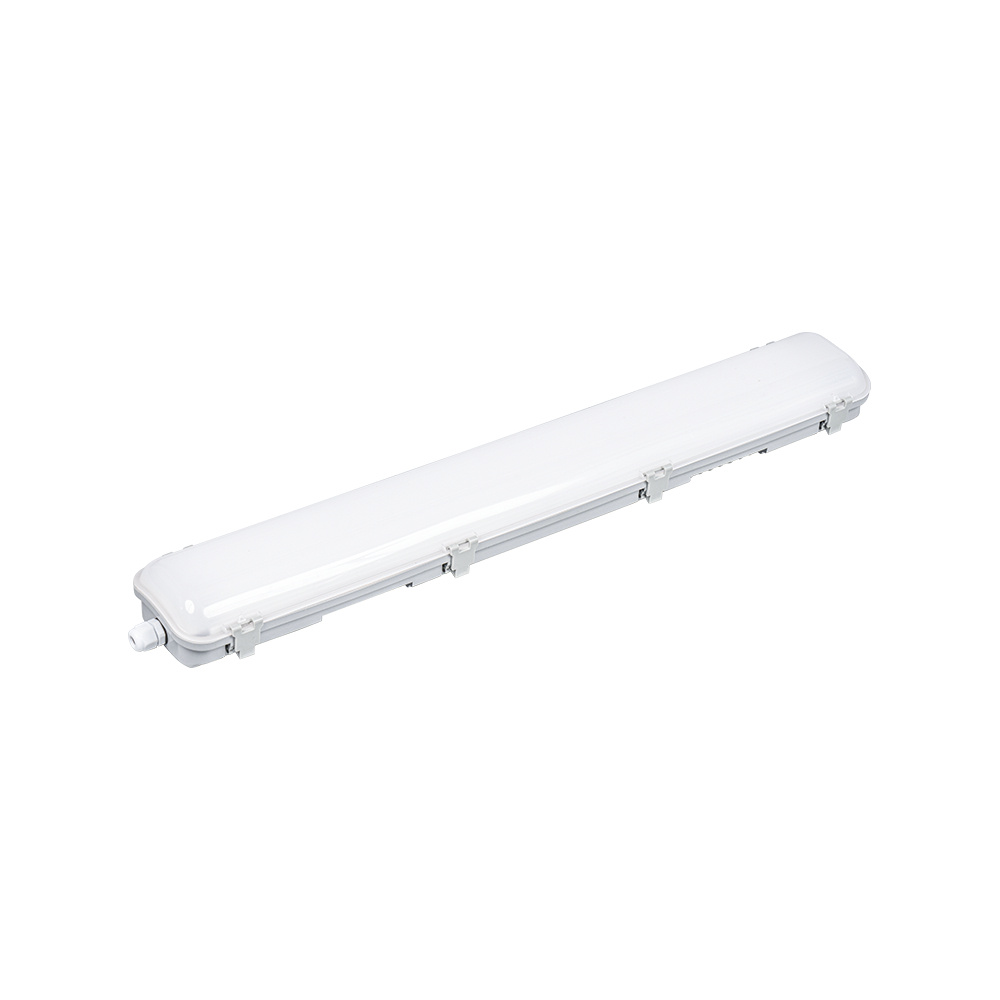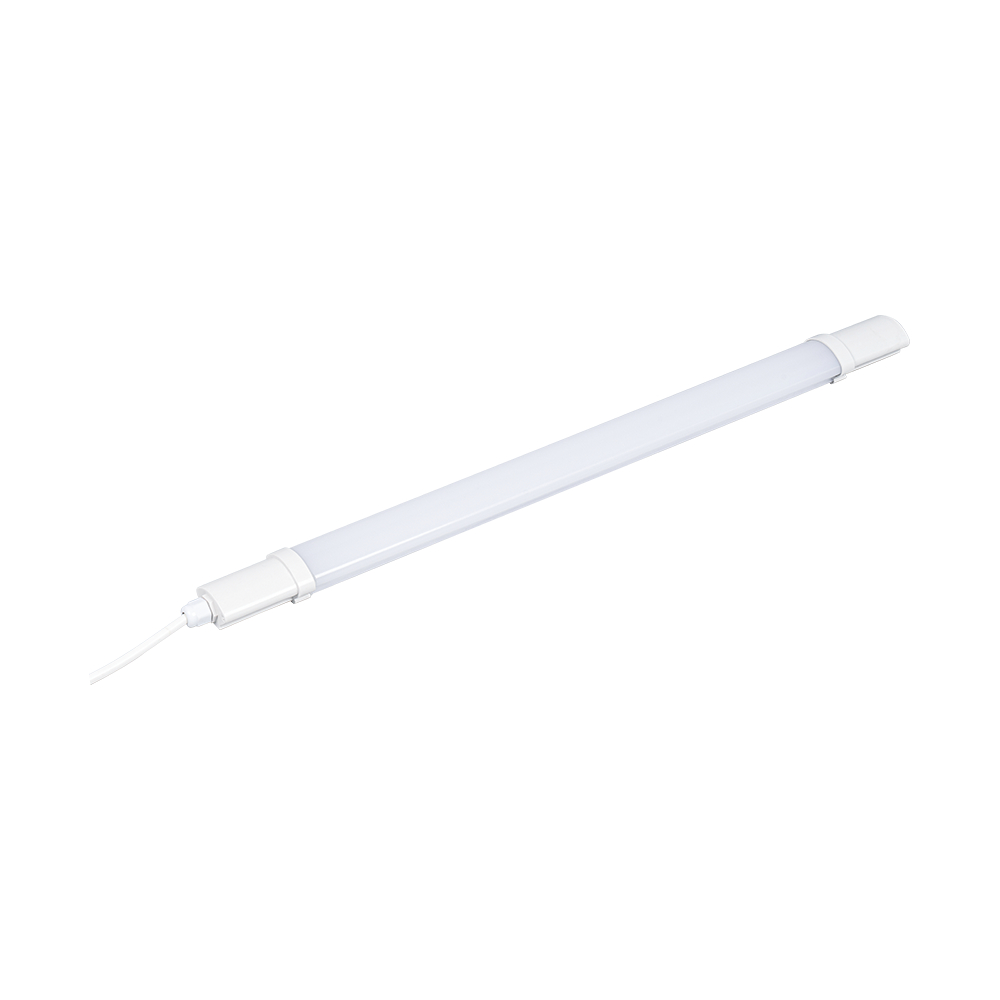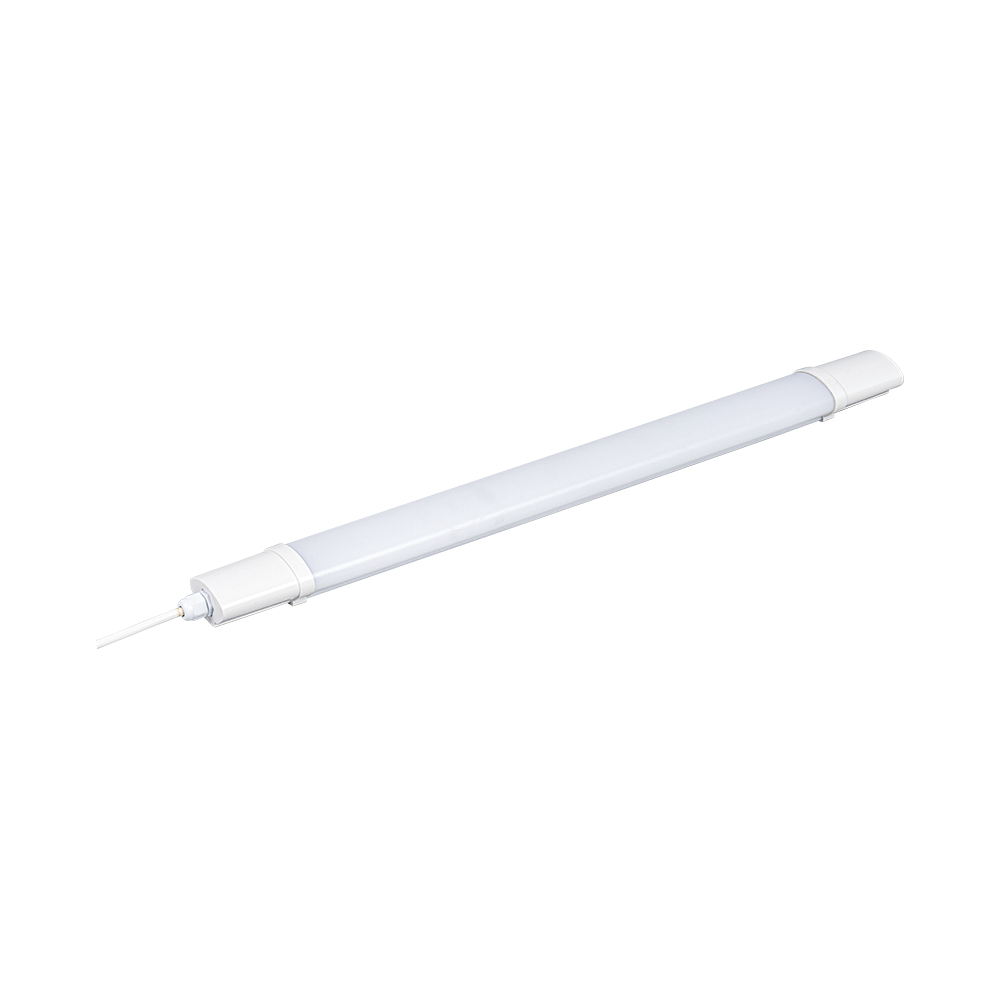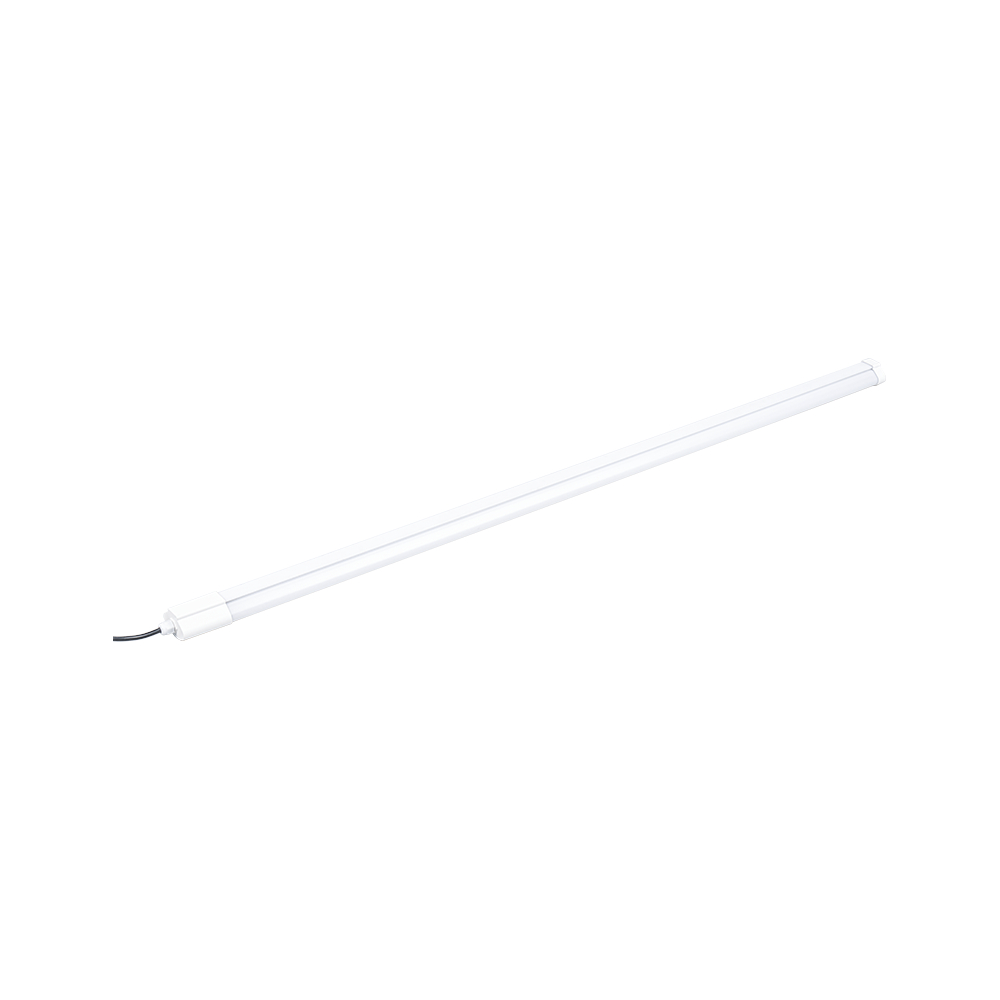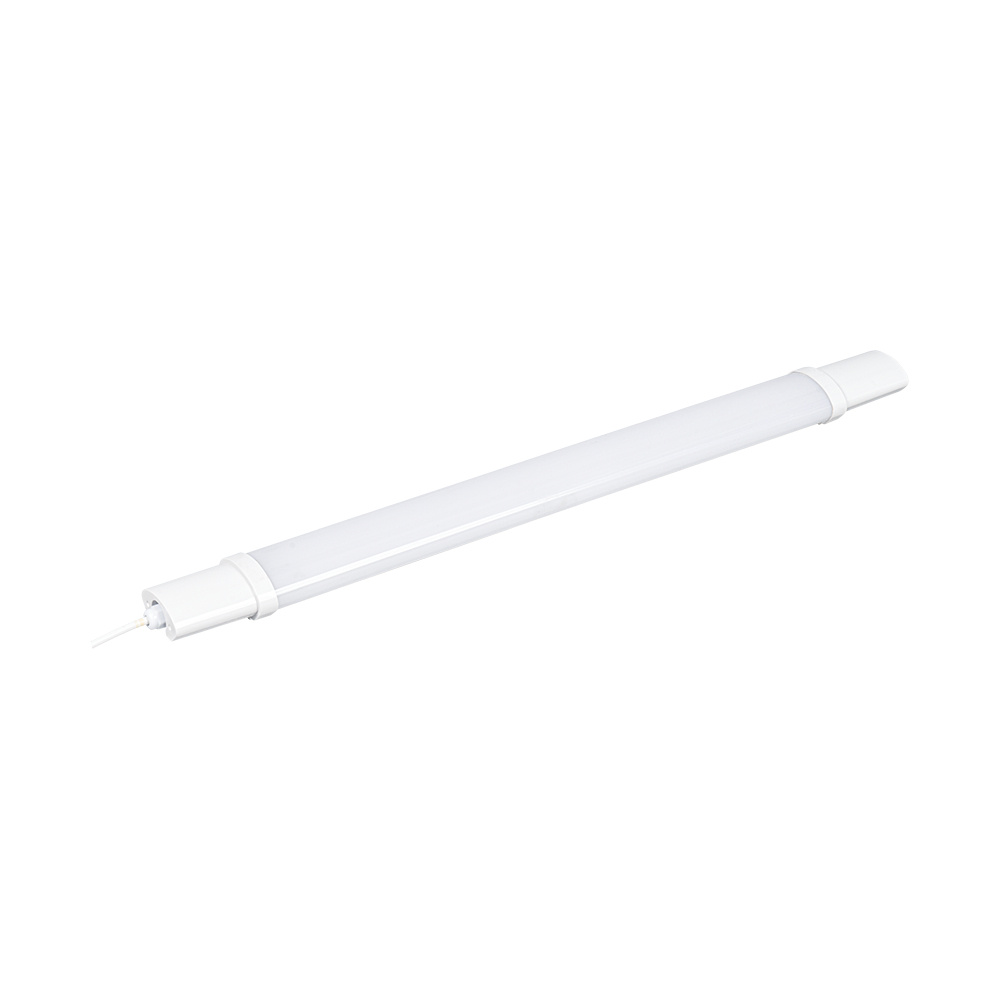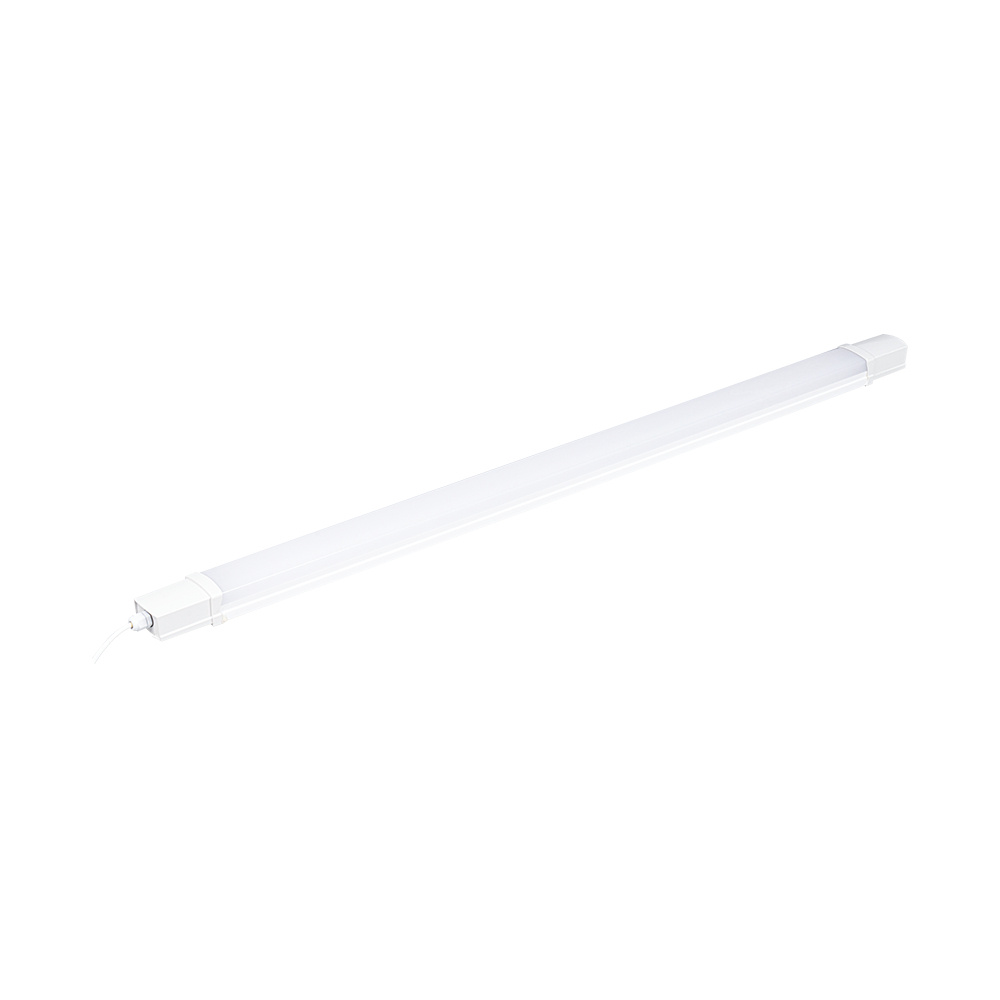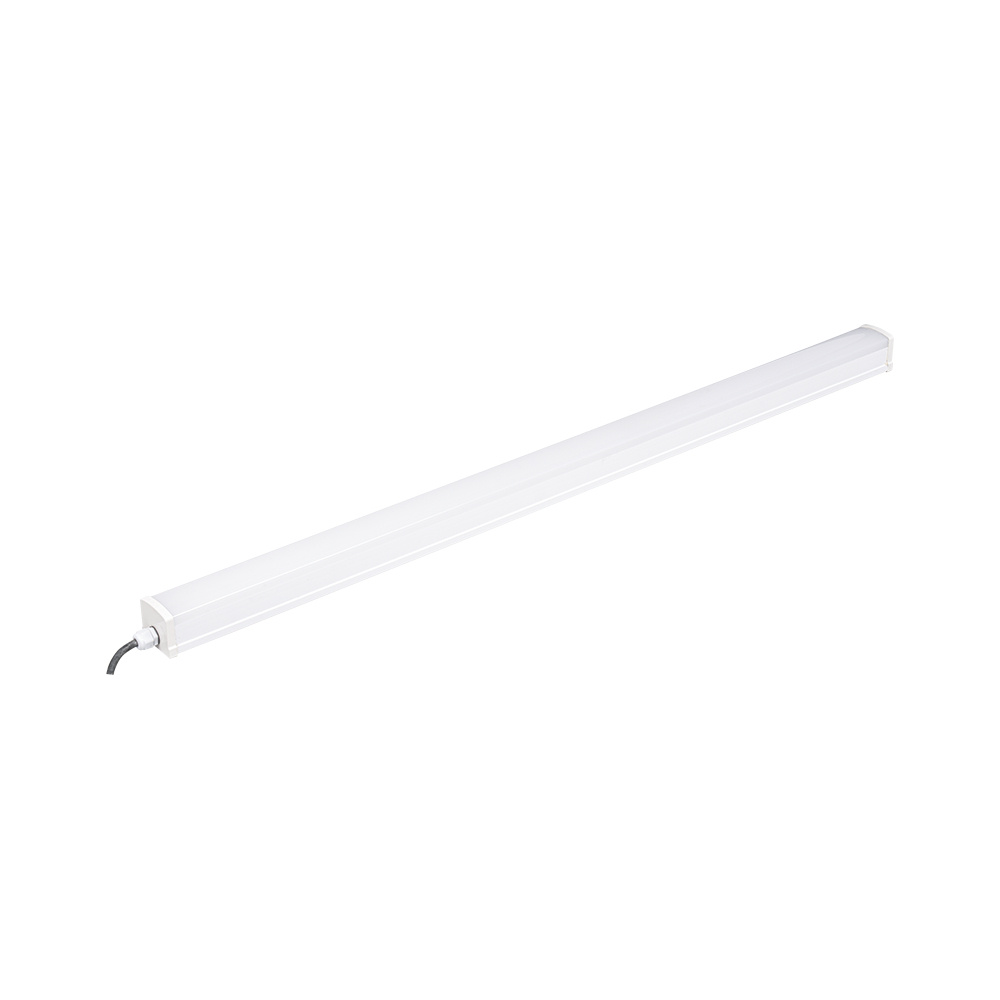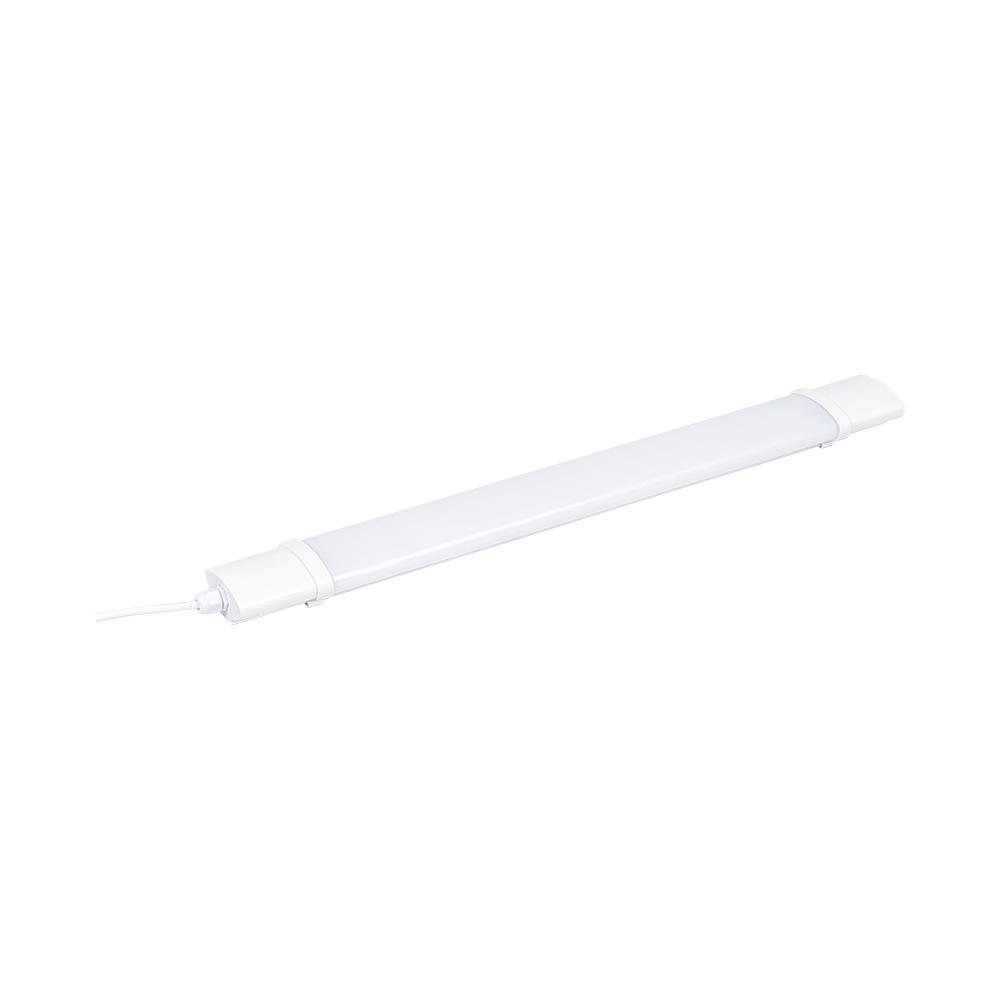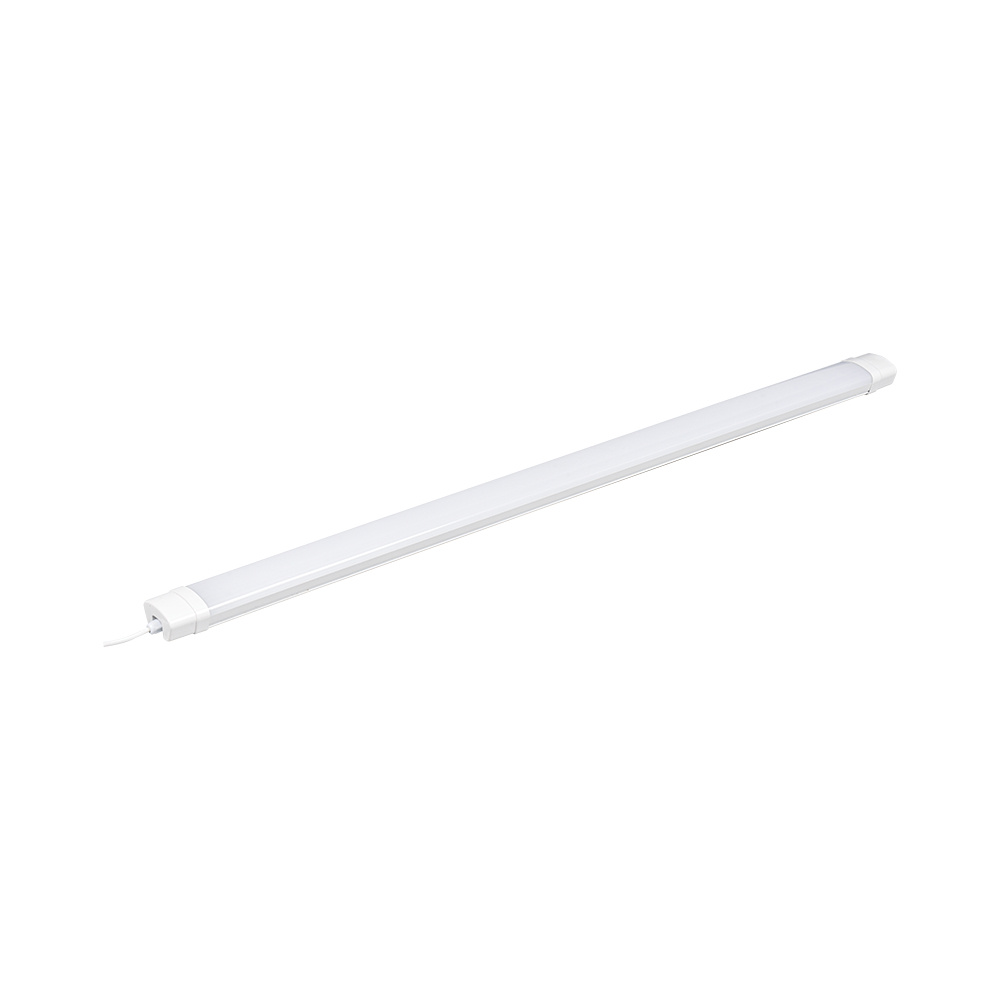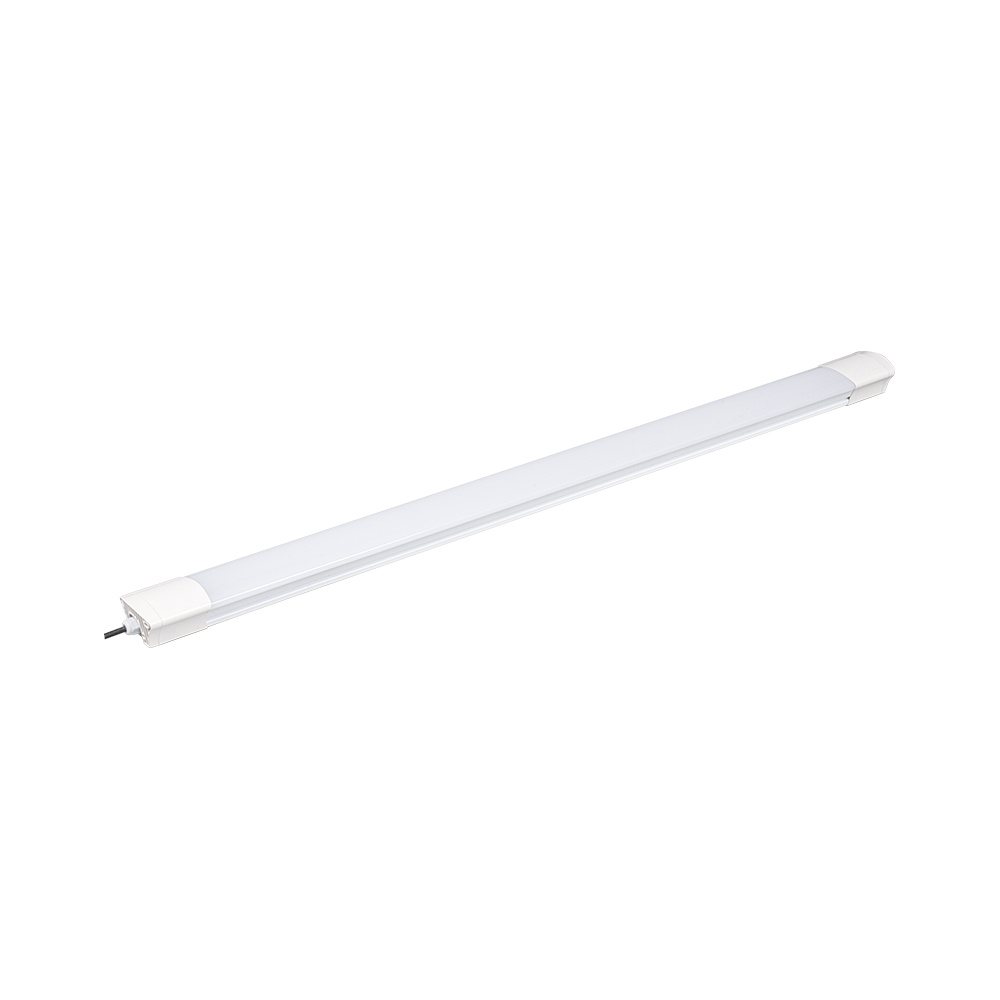
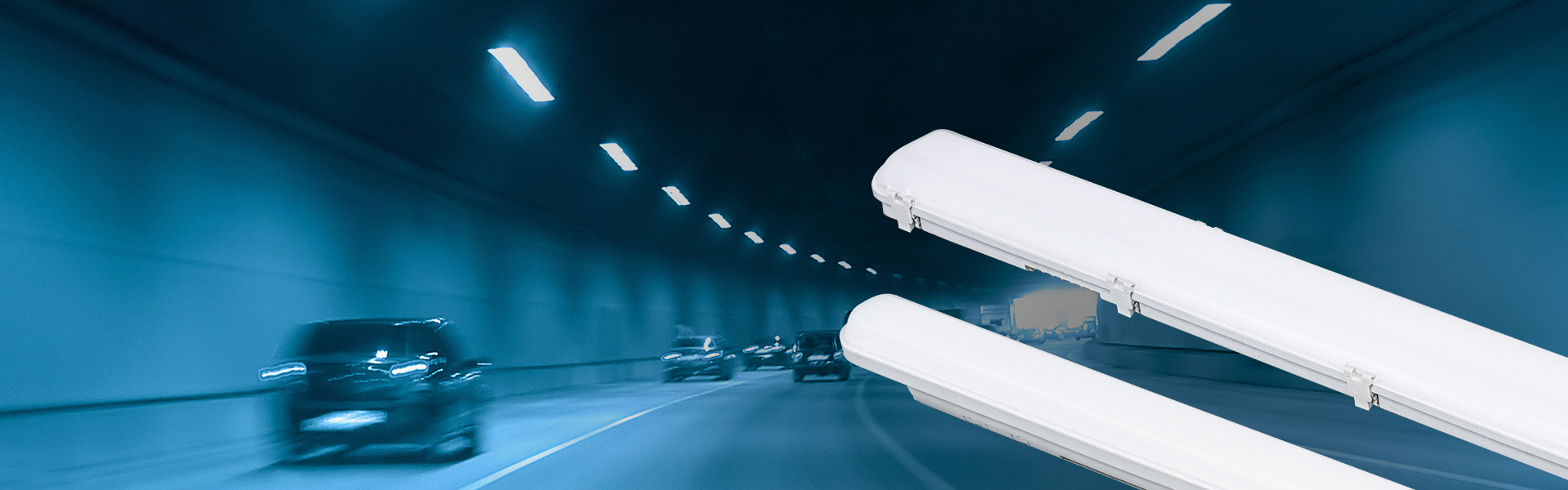
In spots where lighting has to tough it out—think busy factories, dusty warehouses, outdoor parking areas, or steamy kitchens—regular fixtures often give up quick. That's where 4FT LED tri-proof lights come in strong. These long, slim bars are built to shrug off water, dust, and bumps that would knock out ordinary lights fast. The "tri-proof" tag means they handle three big threats head-on, keeping the glow steady no matter what the environment throws at them.
The 4-foot length hits a sweet spot for tons of setups. Not too short to leave dark patches, not too long to make handling a pain. They show up everywhere from production floors to covered walkways because they deliver bright, even light while sipping power and needing little fuss over time. It's that mix of rugged build and smart efficiency that keeps them popular in places where downtime from failed lighting just isn't an option.
Content
Deep down, a 4FT LED tri-proof light is just a simple tube-shaped rig stuffed with up-to-date LEDs tucked inside a locked-tight, hard-as-nails casing. The tri-proof bit boils down to waterproofing that brushes off splashes and sprays no problem, dustproofing that keeps grit and junk locked outside, and bump resistance that eats knocks without splitting.
These lights roll on sharp LED chips that crank out loads of brightness without sucking power like those old fluorescent pipes did. The body—usually some tough plastic mixed with metal pieces—guards everything while dumping heat out smooth. Rubber rings around the caps and covers block damp or dirt from creeping in, and the outside skin holds up to random bangs from carts, tools, or whatever's banging around in crowded spots.
That 4-foot length slots right into regular building setups, matching up sweet with old brackets or ceiling grids. They hook together quick for stretching long rows, and choices like snaps or chains give wiggle room on hanging. All in all, it's stuff built for the daily grind but delivering the crisp, steady shine people want from LED gear.
That 4-foot stretch isn't random—it's long enough to throw good coverage over workbenches, aisles, or parking bays without overwhelming smaller spots. In big open areas, one or a row of them lights up wide swaths evenly, cutting shadows that make tasks harder or unsafe.
Handling and putting them up feels manageable too. Light enough for one person to lift in most cases, they slide into place quicker than bulkier or longer options. Transport stacks neat, and they fit through doors or up ladders without extra hassle.
In tighter ceilings or crowded rooms, the compact profile keeps things from feeling cluttered while still delivering solid illumination. Storage racks, hallways, loading docks—all spots where space counts—benefit from not having oversized fixtures hanging down or sticking out.
Compared to shorter or longer cousins, the 4-footer often lands as the go-to because it balances reach, ease, and cost without forcing compromises on light quality or protection.
Shorter 2-foot versions work great in cramped corners—like tool cabinets, small utility rooms, or low shelves—where full-size bars would overhang or waste light. They tuck in tight but might need more units to cover the same ground, bumping up install time.
Longer 5-foot or 6-foot models stretch further, perfect for massive halls or high-bay setups needing broader throw from fewer fixtures. The extra reach cuts the total number hung, but they get heavier and trickier to maneuver, especially in low-clearance areas or during retrofits.
The 4-foot hits the middle ground most often, offering enough spread for typical runs without the awkwardness of extremes. It keeps wiring simple, mounting straightforward, and overall layout clean.
These lights pull together tough materials and smart LED setup to stay reliable.
The heart is the LED array—small chips lined up to pump out steady, bright light with low power draw. They run cooler than old bulbs, cutting heat issues that shorten life.
The enclosure does the heavy lifting for protection. Thick, clear covers let light through while blocking bangs. Sealed ends and joints keep water and dust out. Metal or plastic bodies spread heat away, preventing hot spots that could dim output or cause early failure.
Water resistance comes from tight gaskets and smooth surfaces that shed spray. Dust stays locked out by the fully closed build. Impact handling relies on flexible yet strong shells that absorb shocks instead of shattering.
It all adds up to a fixture that keeps performing even when conditions turn nasty.
Waterproofing stands out as one of the biggest wins. The solid sealing takes direct shots from hoses, downpours, or thick steam without letting any damp creep in to cause shorts or fog the lenses.
Wet spots like cleanup bays, busy commercial kitchens, or covered outside areas stay lit up strong through all the splashing and condensation. No more sweating lights crapping out right in the middle of hosing down or a storm.
Dustproof seals keep grit from stacking up inside or clouding the covers. In dirty, rough setups—plants throwing metal bits, warehouses dropping pallet dust, shops full of sawdust—the light stays clean and bright over the long run.
Less crud piling means no overheating from blocked air holes, no dimming from filthy lenses. Care drops to just occasional wipes on the outside.
Impact-resistant shells brush off the usual thumps in packed spots. Forklifts scraping past, carts banging sides, tools falling off shelves—the housing eats it without cracking or leaving guts exposed.
That hardiness fits jammed factories, parking buildings, or crowded walkways where random knocks happen all the time.
LED efficiency puts out strong light with low power pull. Bills come down real in places lights stay on constant, and the reliable run keeps those cuts adding up year after year.
Long stretches without swaps save work in tough spots like tall ceilings.
Overall toughness takes temp changes, shakes, and everyday grind. Freezing storage dawns to scorching bay afternoons, wobbly machine decks—these lights hang in.
Fewer failures mean smoother runs and cheaper swaps.
Mount choices—tight to ceilings, flat on walls, or hanging chains—suit most setups. Chaining for lines speeds wiring on long rows.
Extras like dimmers or sensors hook in simple for sharper control.
Upfront cost gets offset quick by lower running expenses. Power savings pile up, maintenance stays minimal, replacements rare.
Hard-to-access installs benefit most—no frequent ladder climbs for changes.
Versatility covers industrial grind, commercial polish, outdoor exposure, even home tough spots like garages or basements.
One style handles varied demands without special variants.
Low energy cuts emissions. Long life means less waste from tossed units. No nasty chemicals like in old fluorescents.
Recyclable parts help close the loop.
Even, bright spread improves visibility, cutting trip risks or missed hazards.
Reliable operation in bad weather or dusty air keeps security coverage solid.
Tough build lowers electrical risks from damage.
Common ratings satisfy hygiene, safety, or workplace standards in food areas, manufacturing, public spaces.
Easy clean surfaces help pass inspections.
To sum up common uses and perks:
| Area Type | Typical Spots | Key Perks Delivered |
|---|---|---|
| Industrial/Commercial | Warehouses, factories, workshops | Dust/moisture/impact resistance, low upkeep |
| Outdoor | Parking, walkways, security perimeters | Weather handling, steady in rain/snow |
| Hygienic | Kitchens, food plants, medical areas | Easy clean, contaminant block |
| Public | Tunnels, stations, infrastructure | Reliable in low visibility, tough build |
| Specialized | Farms, construction sites | Humidity/dirt tolerance, continuous run |
This breakdown shows how the design tailors to specific challenges while overlapping strengths.
Figuring out which 4FT LED tri-proof light works best really boils down to sizing up the spot it'll live in. Some places stay pretty dry inside, while others get hammered by outdoor rain, wind, or even direct splashes from hoses. Then there's the dust factor—machinery kicking up clouds or pallets shedding particles can clog things quick if the sealing isn't up to it.
Getting the protection level right changes everything. Plenty of regular rough areas, like warehouses that see the odd hosing or sheltered loading bays, do just fine with standard jet resistance—no need to go overboard. But in spots with constant heavy spray, like daily washdowns or steamy zones, bumping up the seals pays off by keeping moisture out for way longer.
How you mount them counts a bunch too. Tall open halls need fixtures that spread light broad and even from way up. Narrower runs or lower walls often shine better with angled setups that direct the beam down paths or over work areas. Sketching the layout ahead stops you ending up with shadowy corners or too much overlap wasting brightness.
Throwing in extras like motion pickups or dimming switches makes sense in areas that sit quiet part of the day. Long corridors, back storage aisles, or parking zones can stay off until someone or a truck rolls by, saving juice without folks having to remember anything.
On the money side, think about the initial bite versus what's packed in. Bargain ones might cut corners on longer coverage periods or easy add-on hooks, meaning more tinkering later. Shelling out a touch extra for sturdy promises or sensor-ready builds usually comes back in fewer call-outs and lower bills when they hang tough through years of hard use.
Putting in the effort upfront to line up what the space actually needs with what's out there gets you lights that feel custom without the custom price.
Even the sturdiest 4FT LED tri-proof lights hit bumps now and then if nobody keeps an eye, but the usual culprits show up predictable and sort out straightforward with some basic watchfulness.
Moisture creeping in almost always traces to seals giving way slow—maybe drying from age or getting nicked in a hurry-up install. Those rubber rings that seemed perfect going in can shift from constant shakes or heat swings. Spotting it with casual looks during normal rounds stops tiny leaks becoming big shorts. Taking extra care at setup—snug ends, no pinched gaskets—knocks out most drip risks right off the bat.
Blinky or weak output usually points to juice problems. Wobbly feeds from worn building wires or grid hiccups stress the driver, or connections loosen from daily jolts. Fixing it comes down to checking the line stays even and giving every splice or terminal a firm tug. Often a simple retighten or cheap stabilizer straightens it out quick.
Dings or splits happen when bangs land harder than planned. Crowded floors with gear swinging near or carts clipping edges push the toughness limit. Mounting smarter—up higher, clear of main paths—sidesteps heaps of grief. Easy does it unpacking and hoisting keeps fine cracks from starting early.
Noticing trends, like one stretch acting up more, clues you to local quirks—extra grit piling there or hotter air flow. Tweaking hang spots or slapping on cheap guards cuts repeat headaches sharp.
A bit of steady attention stretches what these lights can take, pushing their solid build to last even longer without turning into a chore.
Grime builds fast on outsides in active areas, so grabbing a soft rag for a wipe-down every few weeks knocks off dust and smears without scratching anything up. Plain soap and water handles it—no rough stuff that chews seals or hazes lenses down the line.
Normal patrols around the place give easy shots to scan mounts for any play from ongoing rumbles or weather shifts. A fast turn on shaky brackets heads off bigger tugs stressing the case.
Joint areas and cable entries trap junk in dirty setups, so a light puff of air or soft brush clears it without shoving particles wrong way. Stick to gentle cleaners near rubbers—harsh chemicals turn them brittle quick.
Keeping watch for inside mist on covers or weird runs flags damp sneaking early. Nailing it then means just swapping a gasket instead of whole fixtures.
Those quick routines—wipe here, peek there, snug that—slip right into daily walks and keep the lights chugging reliable through thick and thin.
What keeps drawing folks to 4FT LED tri-proof lights is straight-up ruggedness mixed with clever low-power running. They shrug off splashes, grit storms, and regular thumps while throwing steady bright light that doesn't slam the meter or need babysitting all the time.
Any place demanding reliable shine amid mess or abuse—plant floors churning dust, open bays catching downpours, kitchens thick with steam, busy garages full of hustle—these bars step up quiet and keep delivering. Work flows better with rare surprise dark patches, fix crews waste less hours on bulbs, pockets feel lighter from actual power drops and scarce swaps.
When lighting has to stay on point through industrial beatdowns, shop bustle, weather hits, or clean-room rules, the 4FT LED tri-proof light shows up as the sensible, trusty option. It takes the daily punishment shift after shift, giving back solid work and way less aggravation over the stretch.
It is focused on the overall solution of dry bulk material port transfer system,
research and development, manufacturing, and service.

+ 86-158 6784 4739
garrick@cigelighting.com
+ 86-574 5896 6613
No. 332, Yizidi, Zhoutang west village. Zonghan street, Cixi, Ningbo, Zhejiang Province, China
Copyright © Ningbo Cige Photoelectric Technology Co., Ltd. All Rights Reserved. Triproof Light Manufacturer