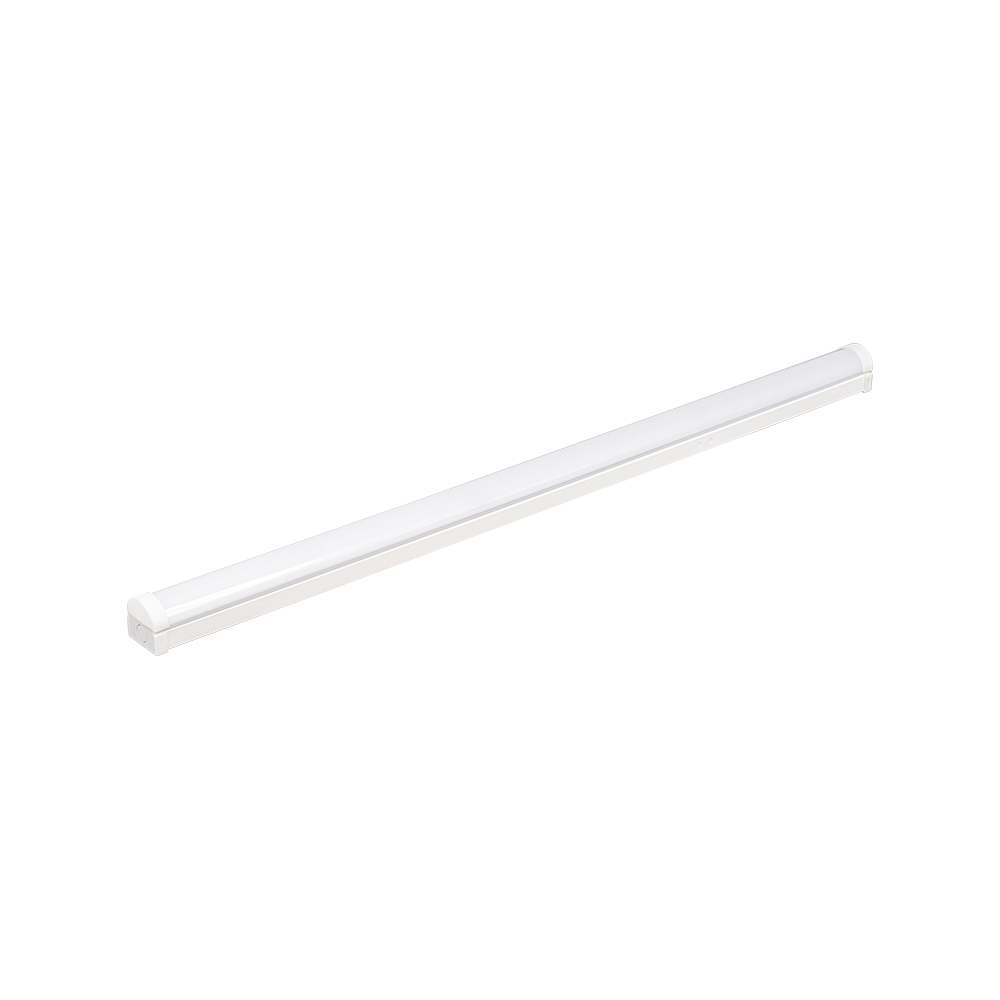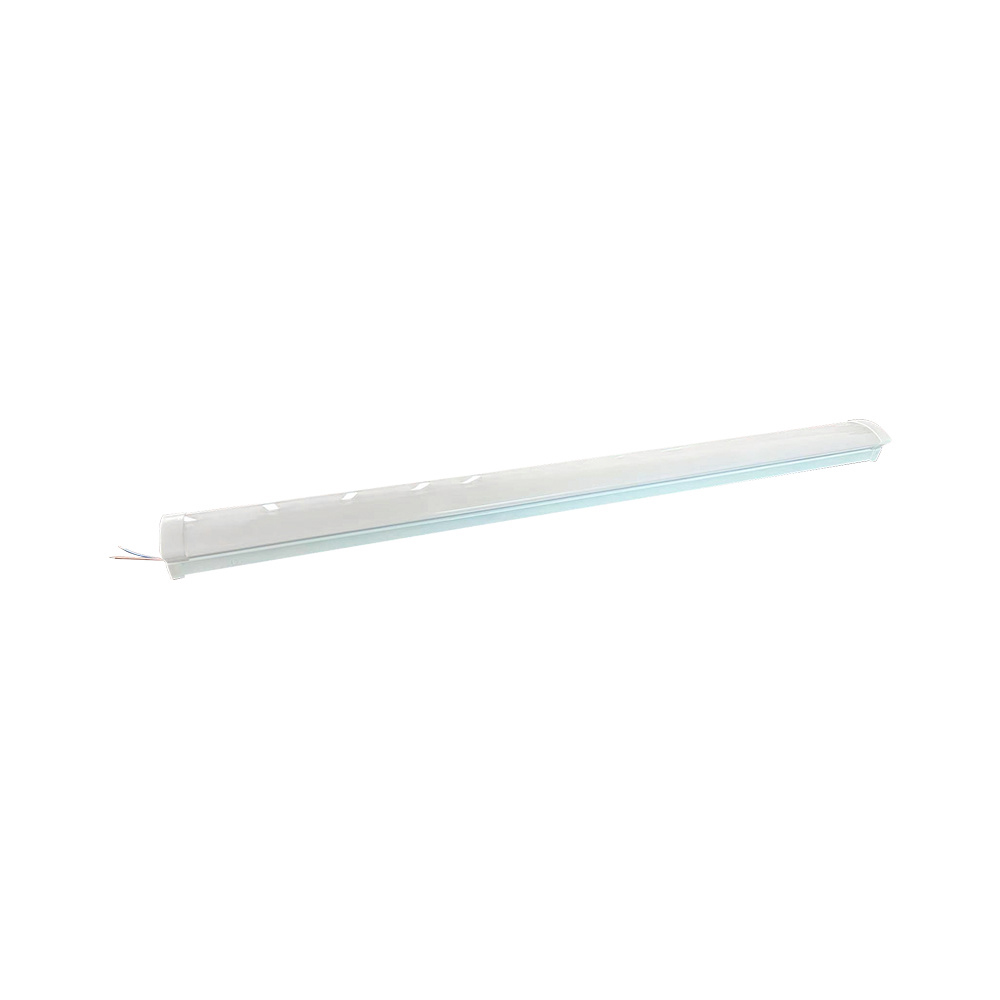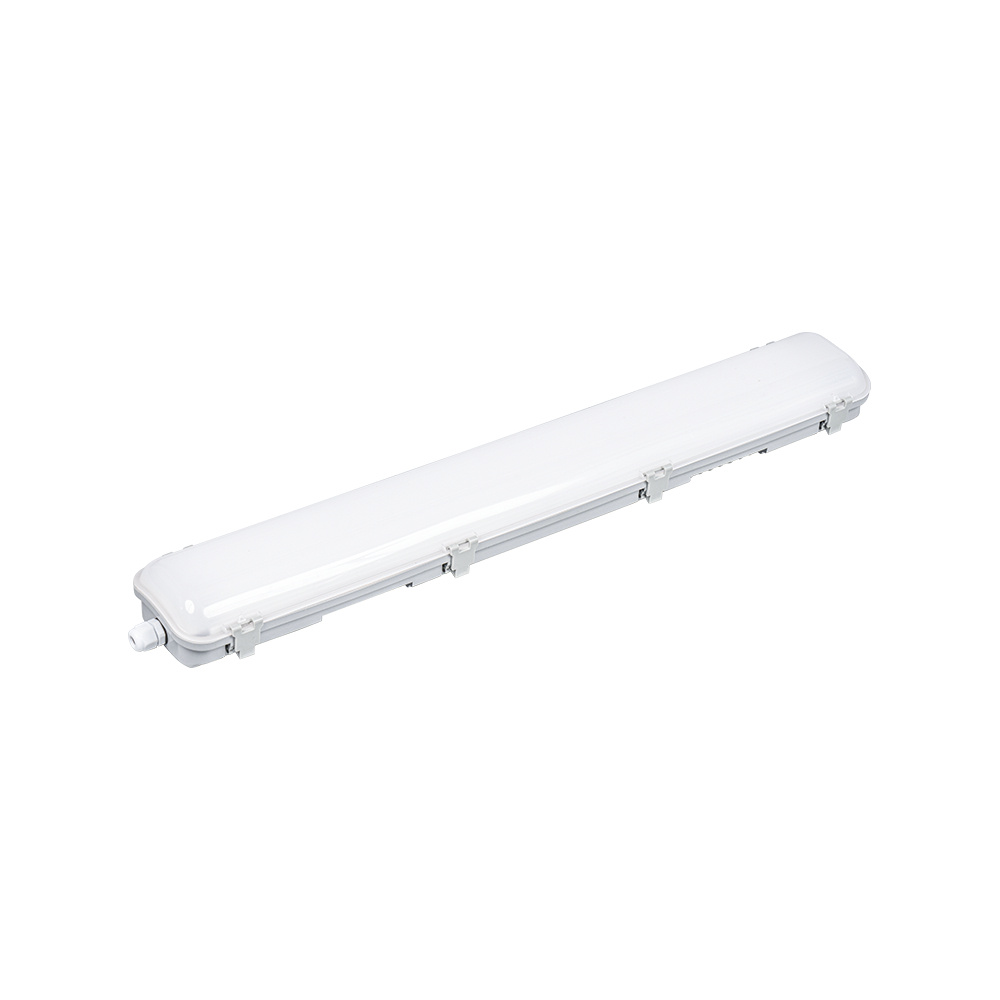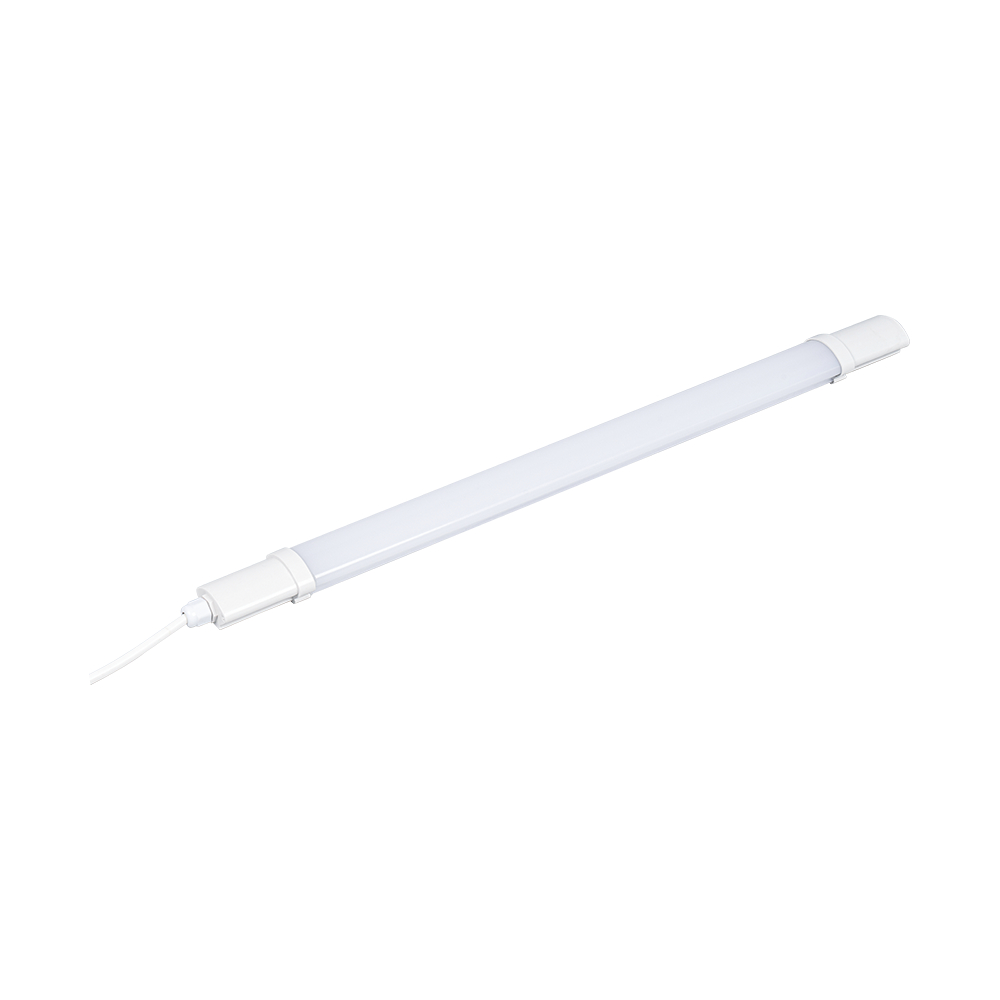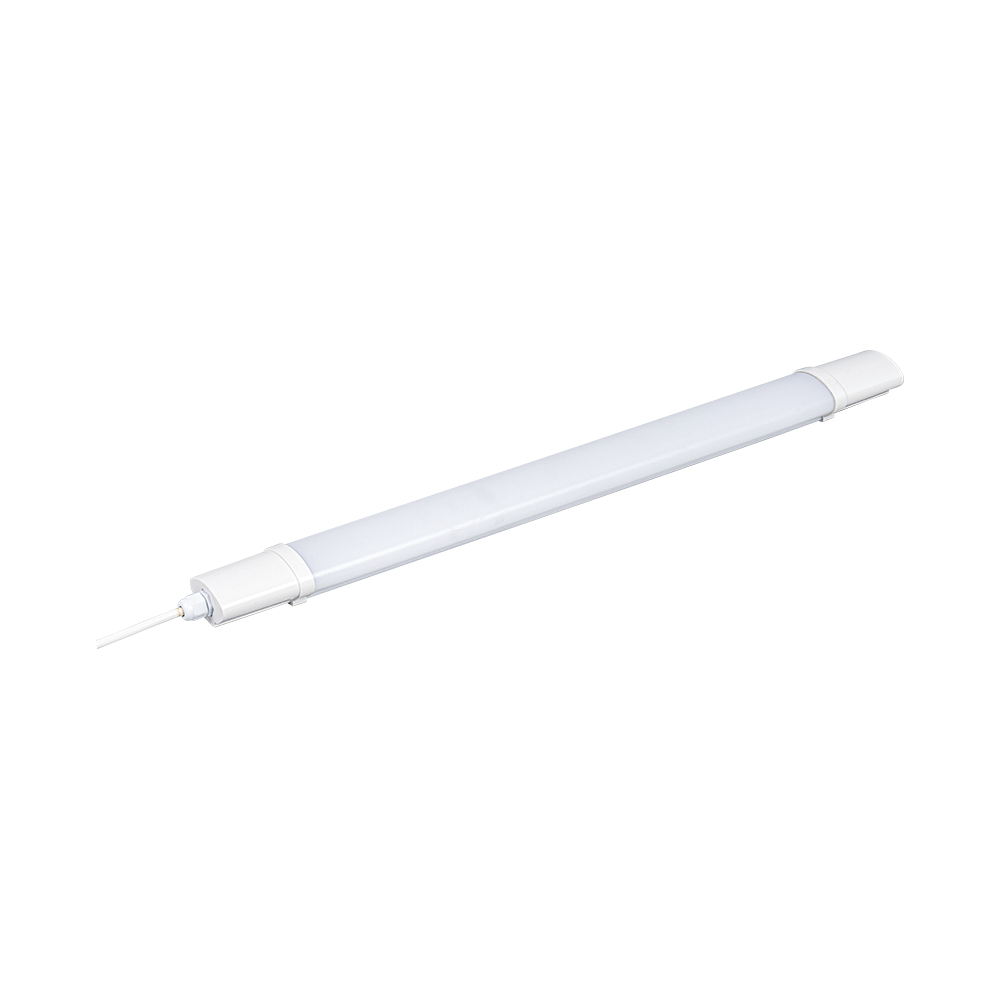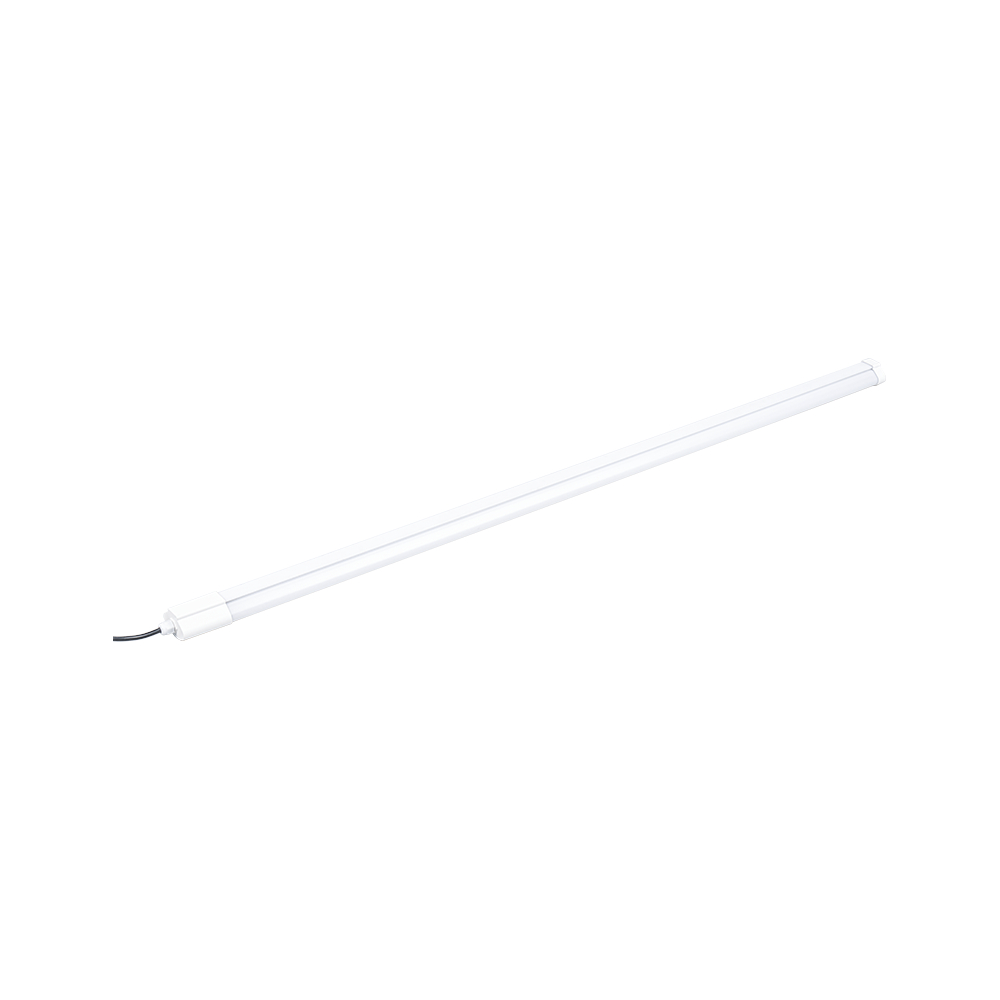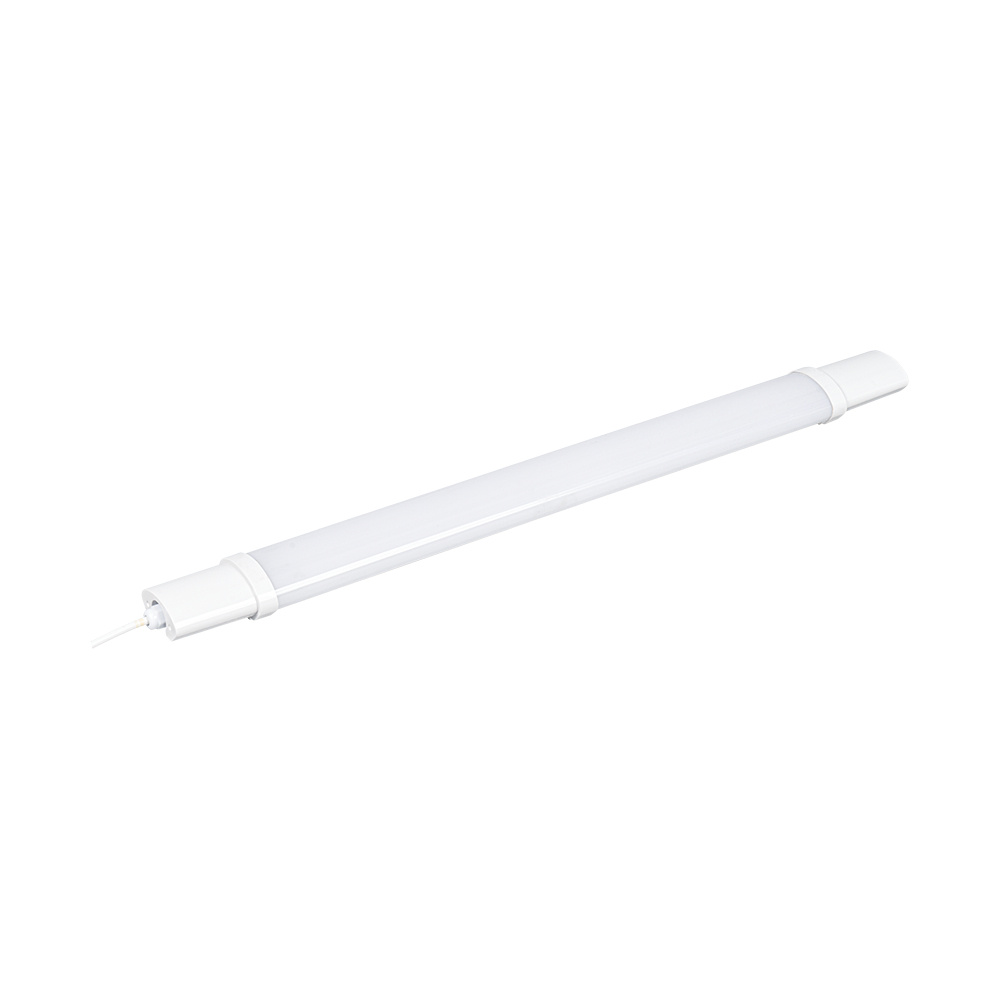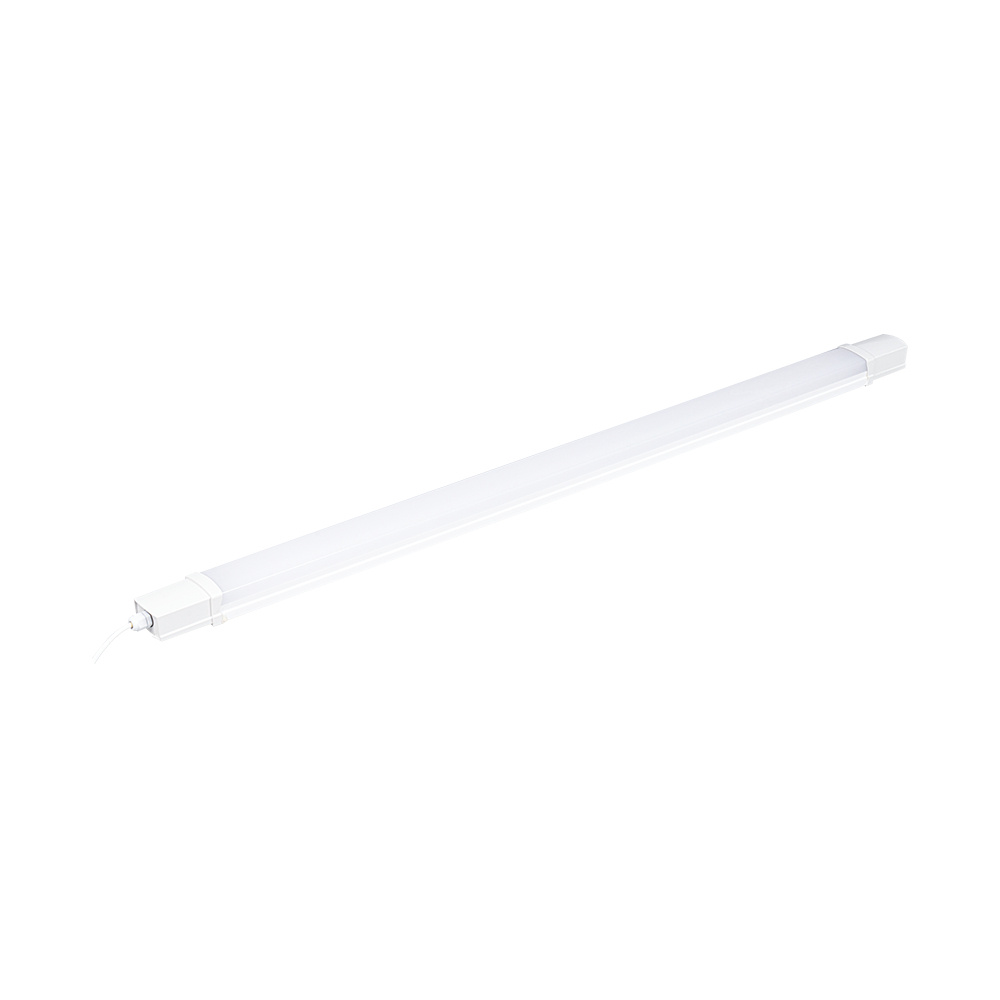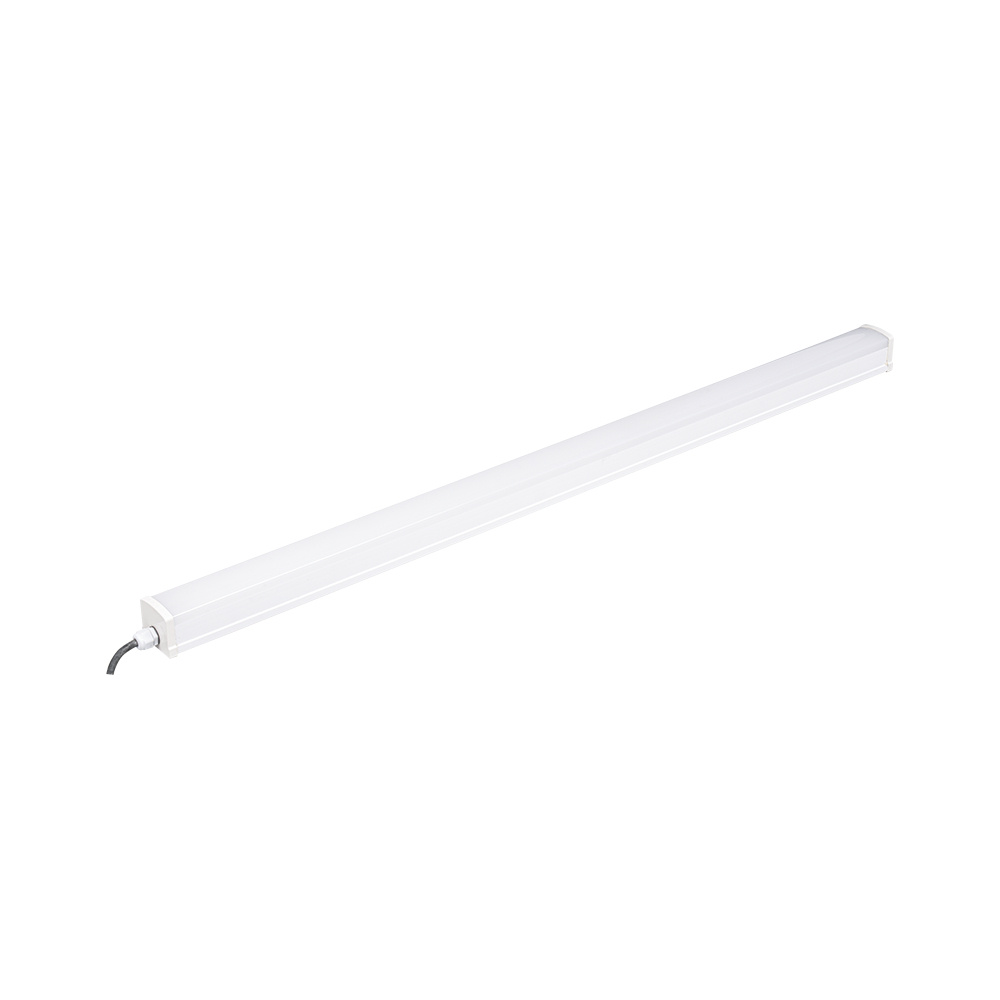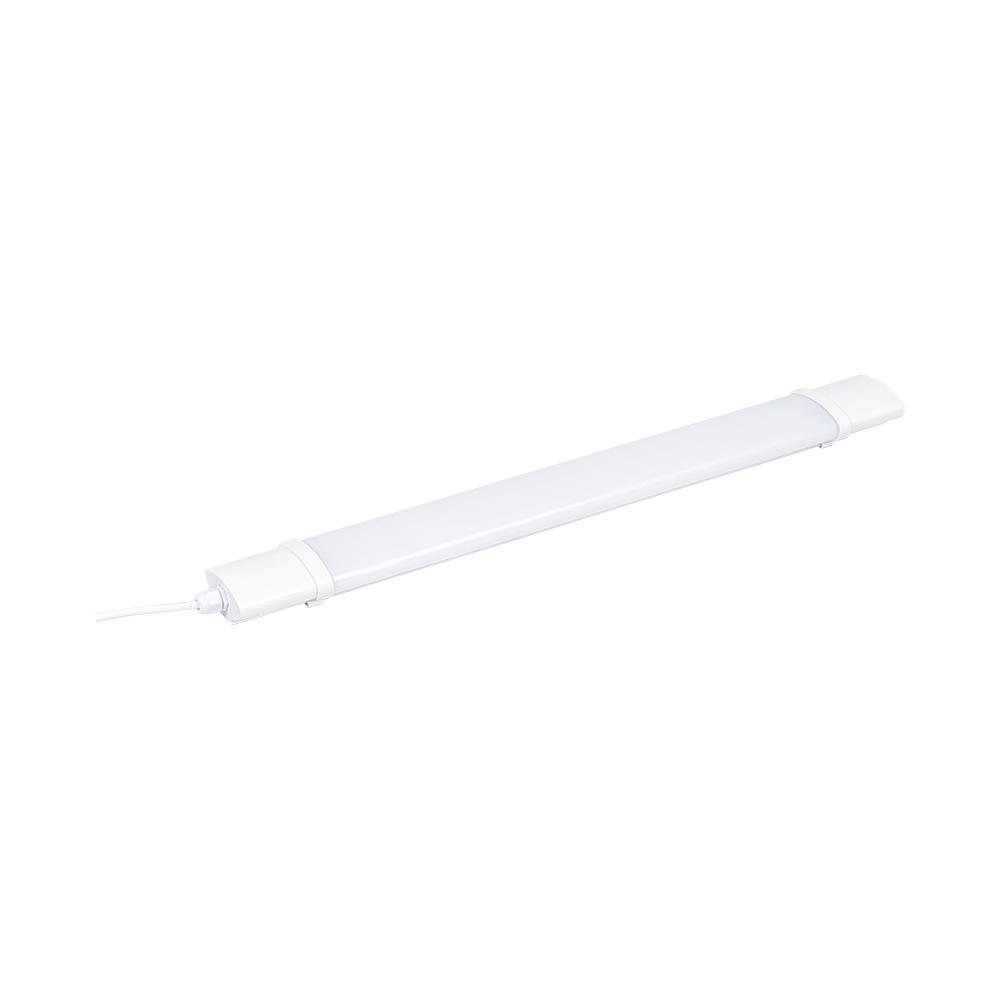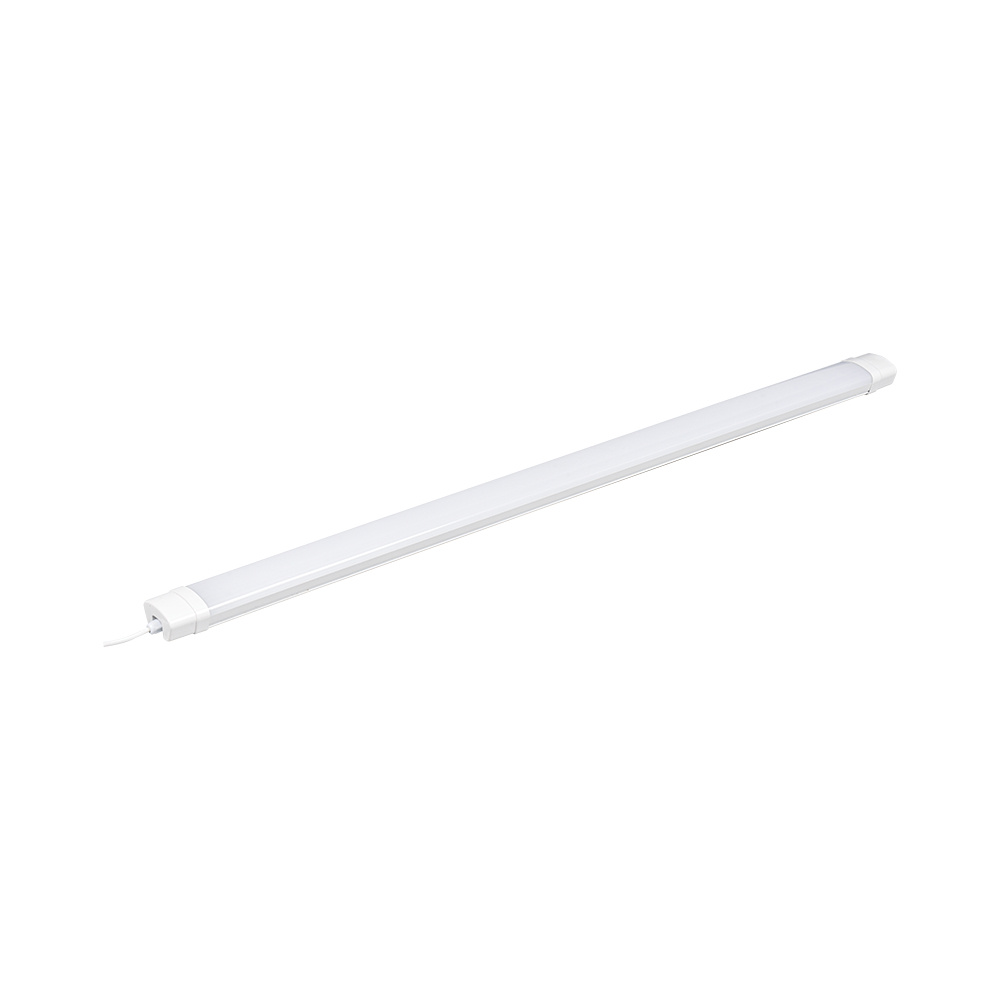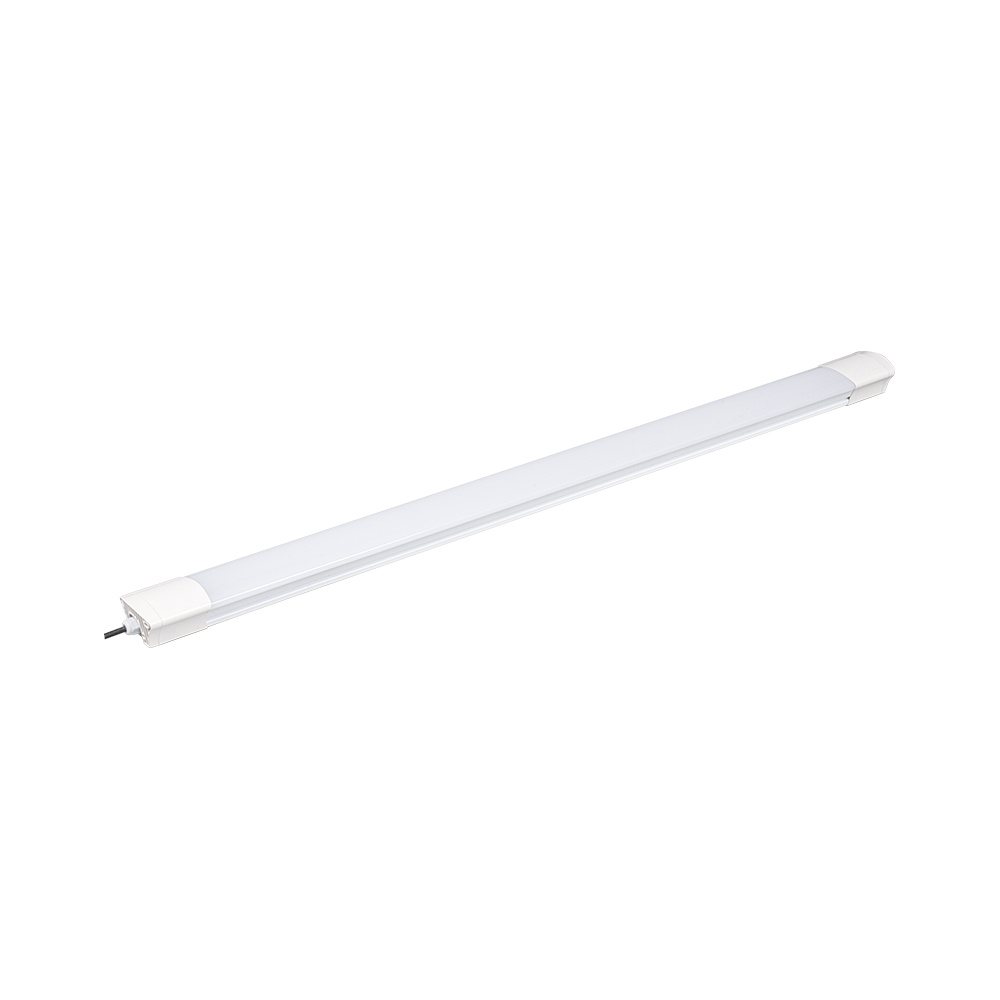
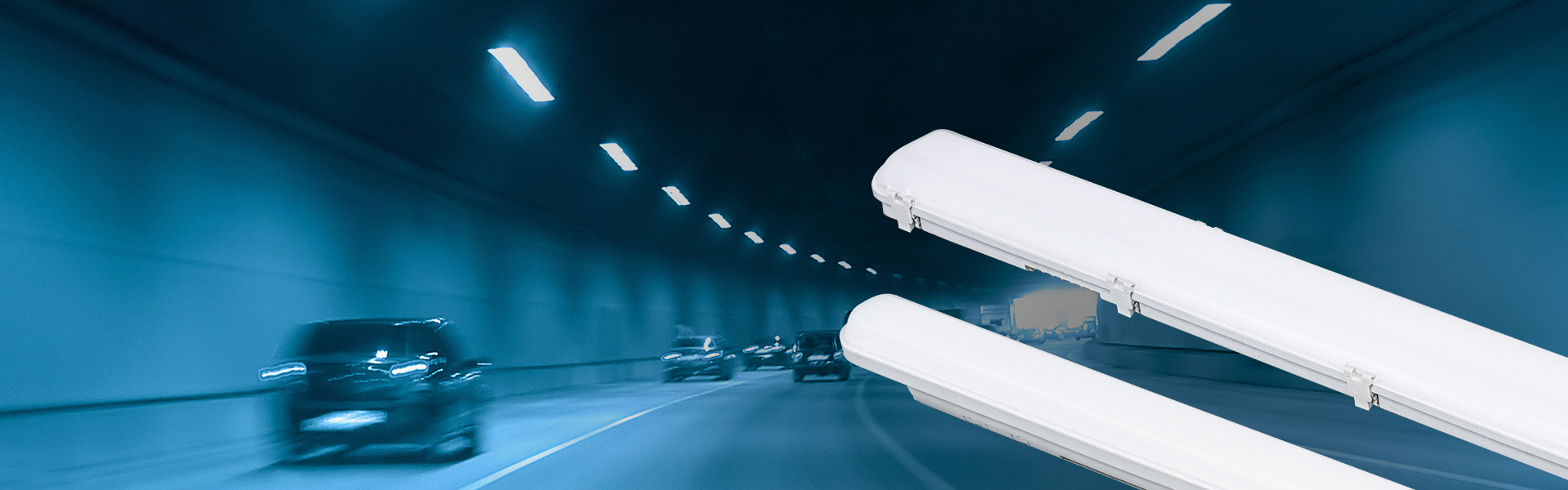
In the rough-and-tumble world of lighting and electrical gear, few things hold up as well as fixtures built to the IP65 standard. People keep coming back to them because they just work in places where regular stuff would quit fast. Dust, water splashes, hose-downs, outdoor rain—none of it fazes these fixtures. They stay lit, stay safe, and keep going long after cheaper options have failed. That simple reliability explains why they show up everywhere from factory floors to parking lots and backyard sheds.
The charm isn't some flashy new trend. It's old-school common sense wrapped in a solid rating that promises real protection. Once folks try IP65 waterproof fixture in tough spots and see how little trouble they cause, switching back to anything less protected feels like a bad idea. The lasting pull comes from solving everyday headaches without overcomplicating things.
Content
The IP rating system comes straight from international standards that spell out exactly how well something keeps out unwanted stuff. Two digits follow the letters IP, and each one tells a clear story about the level of shielding.
The first digit deals with solids—like dust, dirt, or anything that can grind its way inside. When that digit hits the top mark, it means basically nothing solid gets through in amounts that could cause trouble. Dust can't pile up on circuits or clog moving parts. In real terms, that covers workshops full of sawdust, warehouses kicking up particles from pallets, or construction sites where everything gets gritty fast.
The second digit covers liquids. Here the rating promises the fixture can take strong jets of water hitting from any angle without letting a drop inside where it shouldn't go. Think high-pressure washdowns in food plants, heavy rain pounding sideways, or someone hosing off equipment after a muddy job. The water bounces off, and the insides stay dry.
Put those two together and you get a fixture that's sealed tight against the two biggest everyday enemies of electrical gear: fine particles and moisture. It's not claiming to survive underwater or total sandstorms, but for most real-world rough conditions, it delivers exactly what's needed.
People don't pick IP65 waterproof fixture because of clever marketing. They pick them because the benefits show up quick and keep paying off.
First off, things just last longer. Sensitive wiring, drivers, and light sources stay clean and dry, so corrosion doesn't eat away at connections and shorts don't pop up out of nowhere. In spots where regular lights might fade or die within a year or two, these keep shining steady for much longer stretches.
Maintenance drops way down too. Fewer failures mean fewer calls to fix or replace stuff. Cleaning stays simple—an occasional wipe on the outside instead of tearing things apart to clear dust buildup inside. Operations that run tight schedules appreciate not having sections go dark unexpectedly or crews wasting time on lighting repairs.
The range of places they fit is huge. Indoors, they handle steamy kitchens, dusty storage lofts, or wash areas without blinking. Outdoors, they take rain, wind-driven spray, snow melt—whatever the weather throws. No need for extra covers or special housings in most cases. One solid fixture covers a lot of ground.
Safety gets a big boost as well. Keeping water away from live parts cuts the chances of sparks, shocks, or fires starting from moisture. In dusty spots, preventing buildup lowers explosion risks where fine particles could ignite. Places with strict rules or insurance demands often find IP65 checks the right boxes without going overboard.
Cost-wise, the upfront difference usually pays for itself fast. Fewer replacements, less labor climbing ladders, hardly any downtime from failed lights—it all adds up. Over years of use, the total expense ends up lower than buying cheaper fixtures more often.
These fixtures fit naturally into all kinds of setups where regular lights would struggle.
Factories and production areas lean on them heavily. Overhead lights above machines deal with coolant mist, metal shavings, oil vapors. Wall-mounted units near wash stations take direct hose spray during cleanup shifts. High bays in material handling zones stay clear despite constant forklift dust.
Commercial buildings use them outside for wall packs and canopy lights that face rain and car wash splash-back. Inside parking structures, they handle vehicle exhaust particles and dripping from wet cars. Kitchens and food prep zones get hosed down regularly, so ceiling fixtures there need to shrug off strong water jets.
Outdoor public spaces rely on them for pathway lighting, security floods, bus stop shelters. Parks and pedestrian walks keep illumination steady through storms. Municipal crews like how little upkeep they demand compared to older exposed units.
Construction sites and temporary jobs love the toughness. Portable strings or mounted units on equipment take mud, rain, dust from digging—all without failing mid-project.
Home garages, workshops, basements, covered patios—any spot prone to dampness or dirt—benefit from the same protection on a smaller scale. Homeowners tired of replacing burned-out bulbs in tricky areas find the switch worthwhile.
The protection does more than just keep dust and water out. It smooths out daily operations in ways that add up.
Keeping lights running steady means fewer interruptions. Production lines don't pause because a section went dark. Security coverage stays complete through bad weather. Outdoor signs keep drawing eyes instead of flickering out.
Pair the tough shell with modern efficient light sources and the energy savings hold up longer. No early failures cutting the lifespan short. The promised lower power use actually gets delivered over the full run.
As buildings get smarter with sensors and controls tucked into all kinds of corners, the solid enclosure lets those delicate parts live in harsher spots. Automation rolls out further without worrying about weather wrecking expensive electronics.
On the green side, longer service means fewer units heading to trash heaps. Less driving around for service calls cuts fuel use. Combined with low-energy operation, the overall footprint shrinks noticeably.
IP RatingDust ProtectionWater ProtectionTypical Best Uses
| IP Rating | Dust Protection | Water Protection | Typical Best Uses |
|---|---|---|---|
| IP54 | Protected against dust (limited entry) | Splashing water from any direction | Light indoor dust, occasional splashes |
| IP65 | Completely dust-tight | Powerful water jets from any direction | Dusty factories, hose washdowns, outdoor rain |
| IP66 | Completely dust-tight | Stronger high-pressure jets | Heavy industrial washdowns, marine splash |
| IP67 | Completely dust-tight | Temporary immersion in water | Areas with flooding risk |
| IP68 | Completely dust-tight | Continuous immersion (depth specified) | Underwater or constant submersion |
Getting to IP65 takes more than slapping a label on. The housings use tough plastics or coated metals that don't crack under impact or fade in sunlight. Gaskets and seals stay flexible through hot summers and cold winters, keeping the barrier tight year after year.
Lenses or covers come from impact-resistant clear materials that let light through while blocking UV damage. Mounting hardware fights rust, so the whole unit stays secure even in damp air.
Designers pay attention to how parts fit together—no gaps where water could sneak in under pressure. Cooling features keep heat moving out without opening weak spots for dust entry.
All those details work together to make the rating something you can actually count on in daily use.
Putting up IP65 waterproof fixture usually goes smooth. They're built to mount the usual ways—ceiling, wall, pole, suspended—without needing extra weatherproof boxes in most cases. Wiring entries come pre-sealed or with tight glands that maintain the rating once connected.
Weight stays reasonable, so one or two people can handle most installs without heavy gear. Options for adjustable angles or quick-connect brackets speed things up on site.
Once in place, they pretty much look after themselves. Outside surfaces wipe clean easy, and the sealed insides rarely need opening unless adding accessories down the line.
These days, just about every operation—whether it's a factory, warehouse, office building, or outdoor setup—is scrambling to cut downtime and squeeze more value out of every dollar spent. Random equipment failures eat into profits fast, so anything that keeps things running smooth without constant fixes becomes a must-have. Solid protection against dust and water jets isn't some nice extra anymore; it's pretty much expected if you want reliable performance day in, day out.
Factories running lean setups especially hate surprises. A light going out over a workstation or conveyor can slow a whole line while someone climbs up to swap it. With IP65 fixtures, those unexpected blackouts happen way less often because grit and moisture don't get the chance to wreck internals. Outdoor lights on building perimeters or parking areas used to need checking every season after bad weather. Now they just keep going through rain and wind, meaning crews spend less time on ladders and more on actual productive work.
The big push toward lower-energy lighting lines up perfect with tougher enclosures too. Everybody wants the savings from efficient bulbs or LEDs, but those savings only stick around if the fixture itself doesn't quit early. Cheap housings let dust cake heat sinks or water corrode drivers, and suddenly you're replacing units long before the payback period ends. A proper IP65 seal makes sure the efficient tech inside actually gets to run its full course, turning promised lower bills into real ones.
Smart buildings are another area where this rating shines. More and more sensors, occupancy detectors, wireless controls, and monitoring gear are getting tucked into corners that aren't always clean or dry—think rooftop units, loading bays, underground garages, or damp mechanical rooms. Without solid sealing, that delicate electronics would fail quick from condensation or dust buildup. IP65 gives designers the confidence to place advanced stuff in rough spots without wrapping it in extra boxes or scheduling constant checks.
Sustainability talks get a boost here as well. Companies trying to shrink their environmental impact like gear that hangs around longer. Fewer fixtures tossed out means less manufacturing demand and smaller landfill piles. Service trucks driving out less often for repairs cuts fuel and emissions too. When you pair long-lasting protection with low-energy light sources, the whole package looks a lot greener over its lifetime.
Nothing's perfect, and IP65 isn't trying to be everything to every situation. It handles strong water jets just fine—hose-downs, heavy rain, splashes from cleaning—but if a spot regularly floods deep enough to dunk the fixture, you'll need something rated for temporary or full immersion. Basements prone to standing water or low-lying outdoor areas that pool during storms often call for higher protection to stay safe.
Chemical-heavy environments can throw curveballs too. Standard materials hold up great against water and regular dust, but aggressive solvents, acids, or alkaline cleaners might eat at seals or housings over time. Places like certain processing plants or labs sometimes add special coatings or go for fixtures built from more resistant stuff.
Super fine or corrosive particles in some industries—think metal grinding shops or fertilizer handling—can still find ways to cause trouble if they build up around entry points. Extra filters or slightly higher ratings sometimes make sense there.
Even steam cleaning at very high pressure and temperature can push the limits. Food plants doing daily deep cleans with hot water blasts occasionally step up to IP66 or add protective covers during the process.
The key is matching the rating to what's actually happening on site. Over-specifying costs extra without adding real benefit; under-specifying leads to early failures. Taking a good look at the worst-case conditions—how much water, what kind, how dusty, any chemicals—helps land on the sweet spot.
Even the toughest IP65 fixtures appreciate a little basic attention to stretch their life further. Nothing complicated—just habits that catch small issues before they turn big.
Wiping down the outside every few months keeps lenses bright and lets you spot any cracks or worn spots in seals early. A soft cloth and mild soap usually does the trick; no need for power washers right up close.
Checking that mounting brackets or screws haven't worked loose from vibration or temperature swings prevents extra stress pulling on gaskets. A quick tighten during regular walkthroughs goes a long way.
In places that kick up a ton of dust—like woodworking shops or gravel yards—blowing off entry points and cable glands with compressed air every so often keeps buildup from packing in tight. Gentle pressure only; blasting too hard could force particles where they shouldn't go.
Steering clear of harsh chemical cleaners protects rubber and silicone seals from drying out or cracking. Plain water or approved mild solutions keep things safe.
Making a habit of glancing up during normal rounds—looking for fogging inside lenses, unusual dirt streaks, or damaged covers—catches problems fast. Fixing a small ding right away beats dealing with water sneaking in later.
Those simple steps don't take much time but pay off huge in keeping fixtures running strong for years without surprises.
Down the road, nobody expects the demand for tough, reliable shielding against dust and water to drop off. Places that deal with grit, splashes, rain, or hose-downs aren't going away—factories, warehouses, outdoor lots, kitchens, garages—they all keep throwing the same challenges at lighting gear year after year. That's why the IP65 waterproof fixture stays right in the middle of the conversation. It hits that practical sweet spot where you get full dust blocking and solid defense against strong water jets without overbuilding for stuff most sites never see.
New stuff coming along will probably tweak things around the edges. Lighter plastics or composites could shave weight, making installs quicker and easier on old structures. Recyclable housings might become standard as everybody pushes harder on waste reduction. Some IP65 waterproof fixtures could start packing tiny sensors that watch seal condition or internal humidity and ping a maintenance app if something starts looking off—catching wear early before it turns into a leak.
Integration with building systems will likely get smoother too. Imagine an IP65 waterproof fixture tied into a central control panel that dims lights based on occupancy while keeping an eye on its own health. Or ones that report energy use directly, helping track savings without extra meters. All those extras sound nice, but they build on the same rock-solid base: complete dust-tight sealing plus the ability to shrug off powerful water blasts from any direction.
The core strength of the IP65 waterproof fixture isn't going anywhere because it solves real problems in a straightforward way. It's been tested in enough rough spots over the years to prove it works without needing constant upgrades or special handling. Plenty of jobs—industrial wash areas, outdoor security lighting, dusty storage halls—will keep calling for exactly this level of protection because anything less fails too soon and anything more costs extra for no real gain.
When you get right down to it, the lasting pull of the IP65 waterproof fixture comes from plain, no-nonsense reliability. It tackles two of the most common killers of electrical gear—dust piling up inside and water finding its way to live parts—and handles both without fuss. That simple double defense delivers payoff after payoff: units that run longer before needing replacement, way fewer surprise failures, safer setups with lower risk of shorts or sparks, and overall costs that stay lower over the years.
In spaces where conditions turn dusty, steamy, splashy, or just plain wet on a regular basis, the IP65 waterproof fixture steps in and keeps the light flowing steady. No flickering from moisture creep, no dimming from dust on lenses, no sudden blackouts throwing off work or safety. Operations keep humming, maintenance crews spend less time on ladders, and budgets don't get eaten up by constant fixes or swaps.
For anybody managing factories, commercial buildings, outdoor areas, workshops, or even home garages where gimmicks don't cut it and real dependability does, the IP65 waterproof fixture remains the go-to choice. It's been around long enough to prove itself, costs about right for what it delivers, and fits a huge spread of real-world needs without overcomplicating things. That's why it keeps earning its place—pure, practical performance that just makes sense day in and day out.
It is focused on the overall solution of dry bulk material port transfer system,
research and development, manufacturing, and service.

+ 86-158 6784 4739
garrick@cigelighting.com
+ 86-574 5896 6613
No. 332, Yizidi, Zhoutang west village. Zonghan street, Cixi, Ningbo, Zhejiang Province, China
Copyright © Ningbo Cige Photoelectric Technology Co., Ltd. All Rights Reserved. Triproof Light Manufacturer