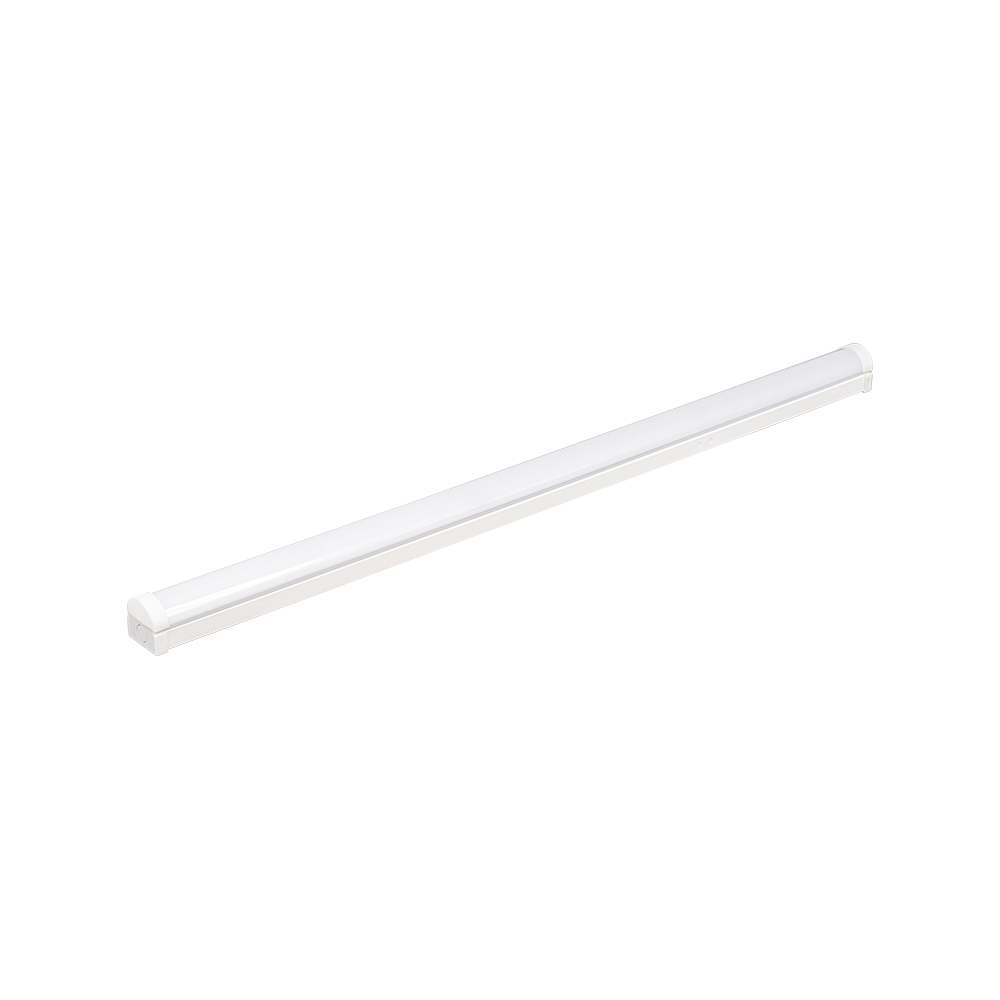
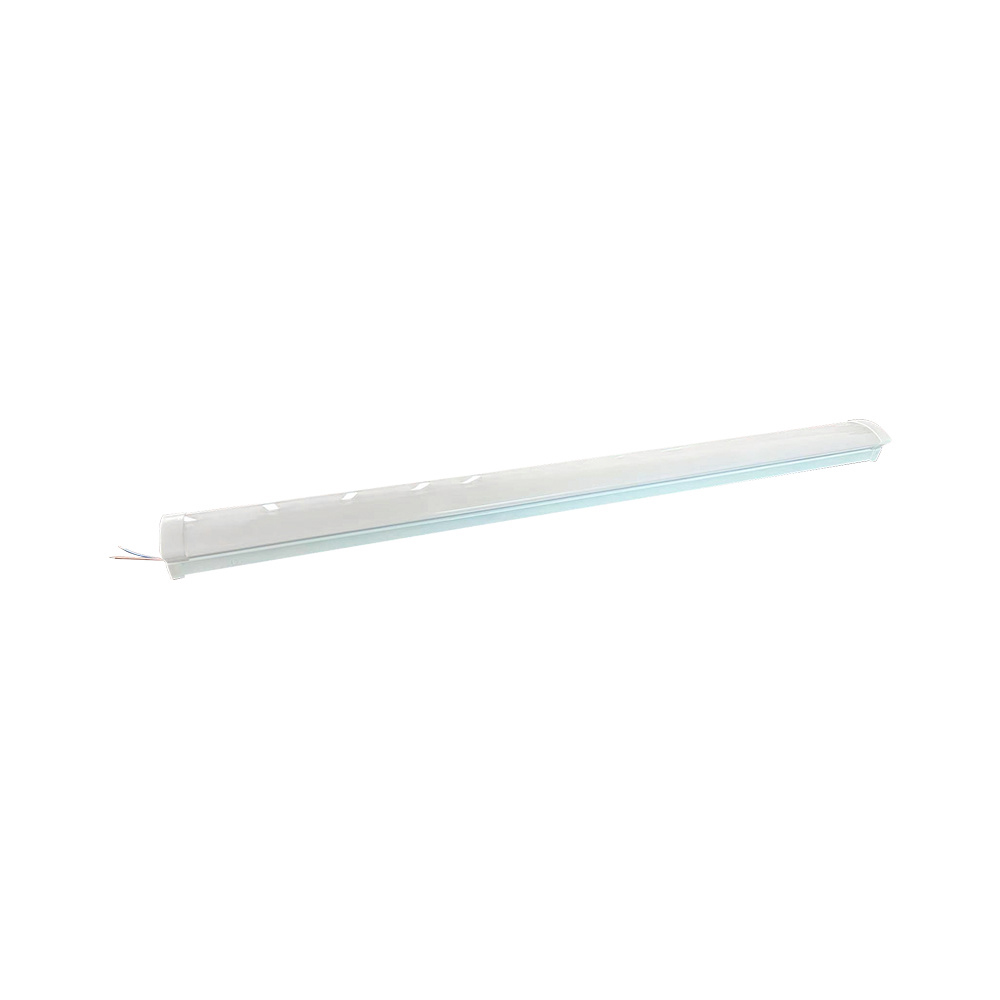
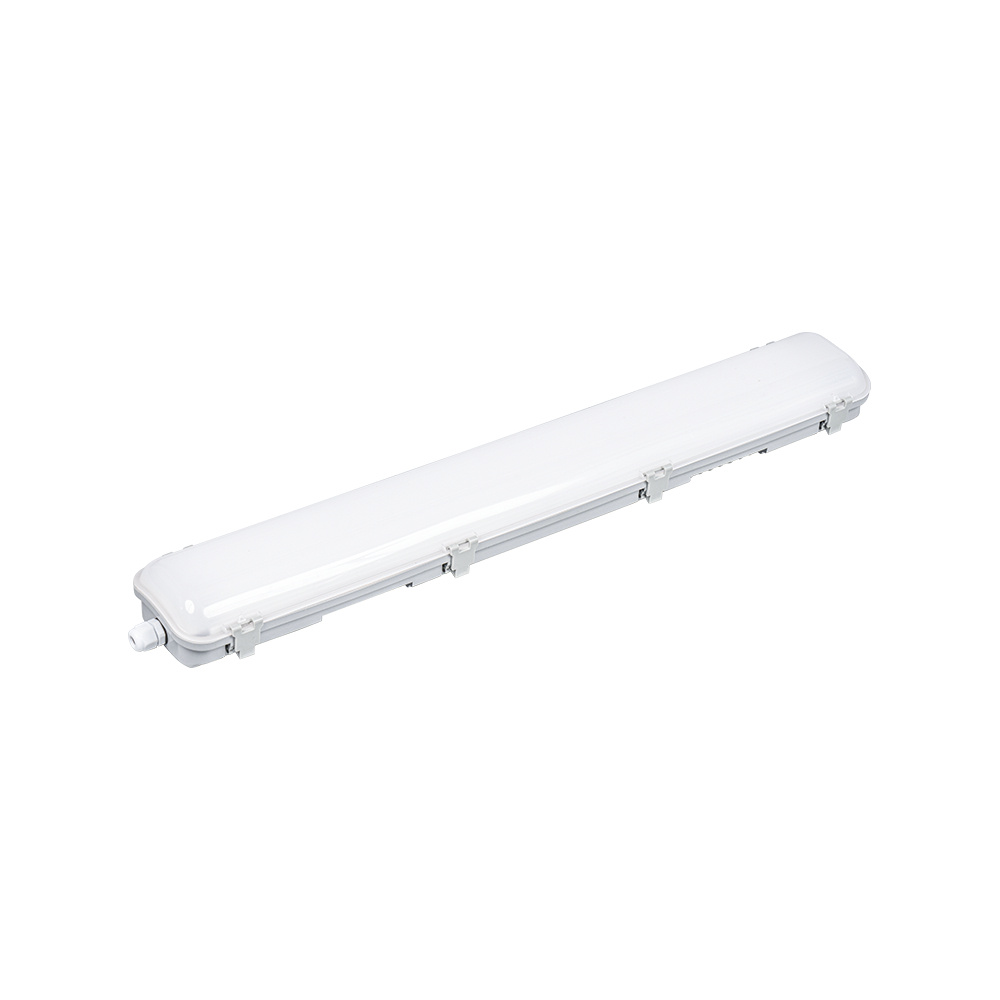
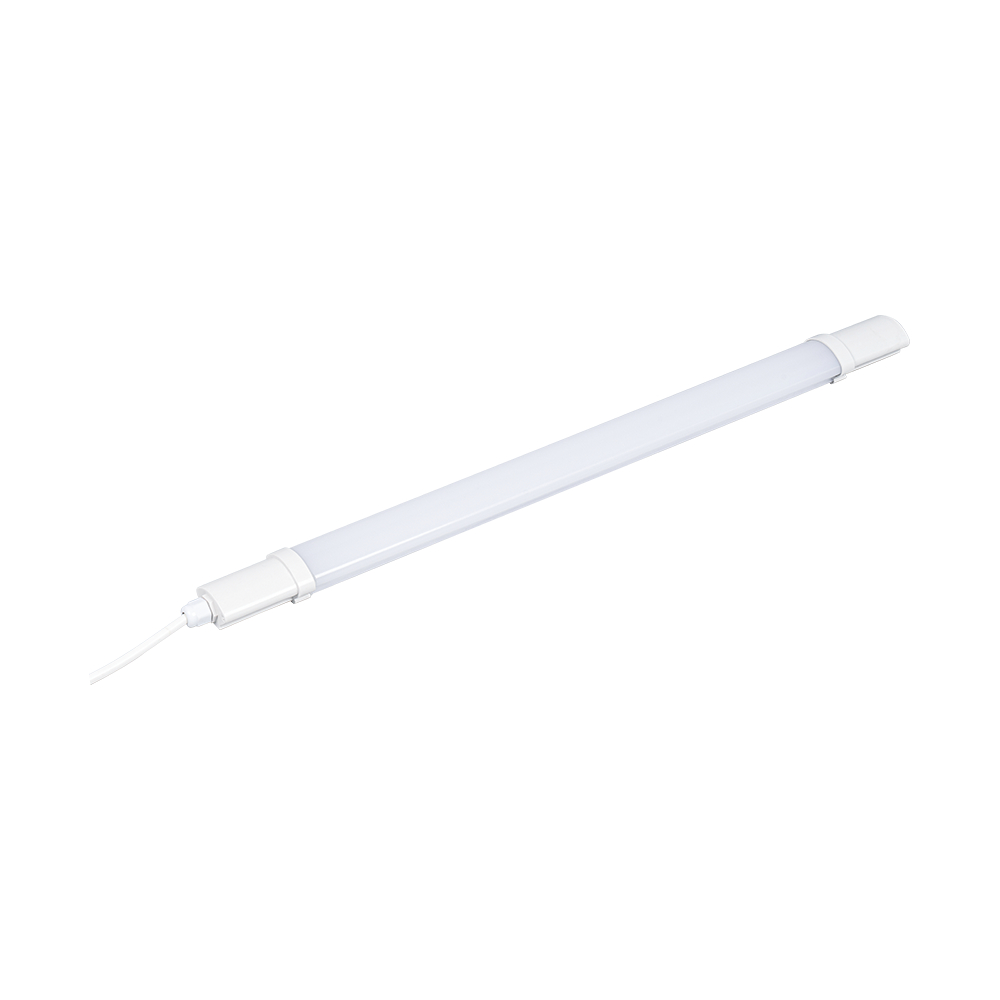
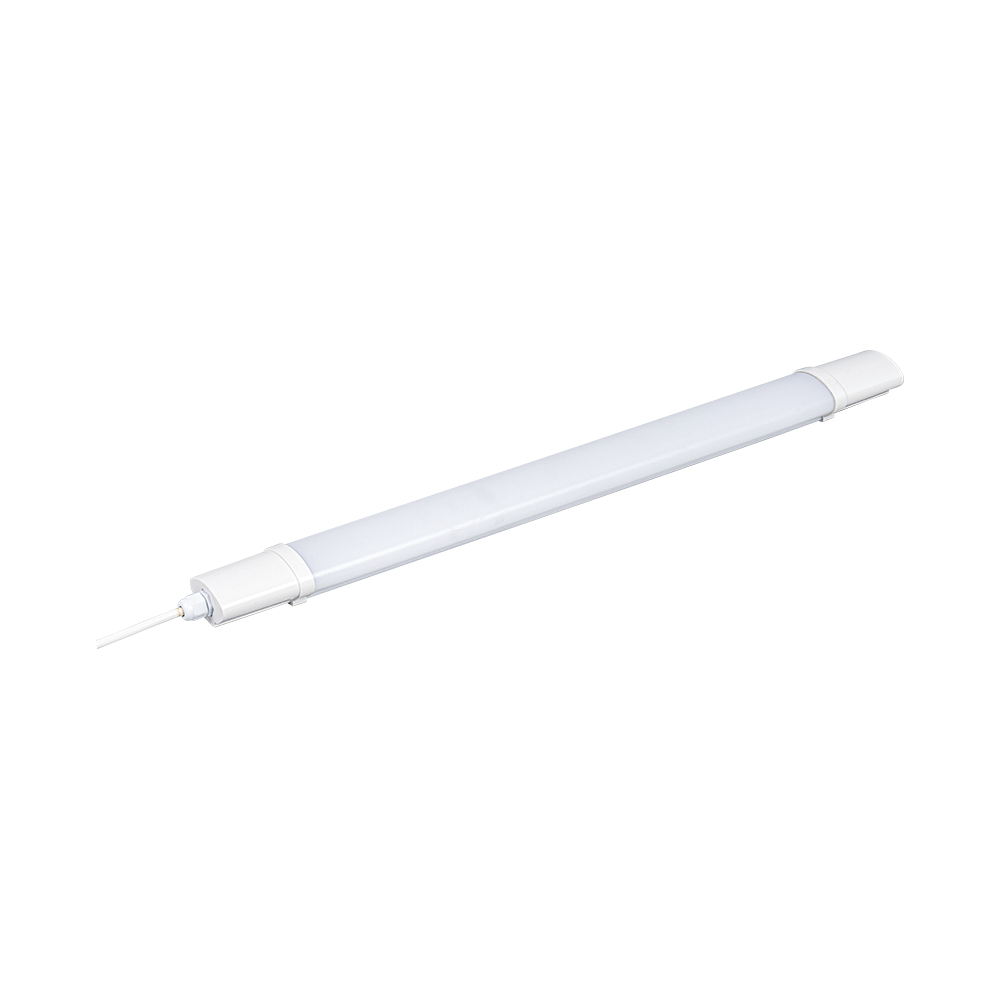
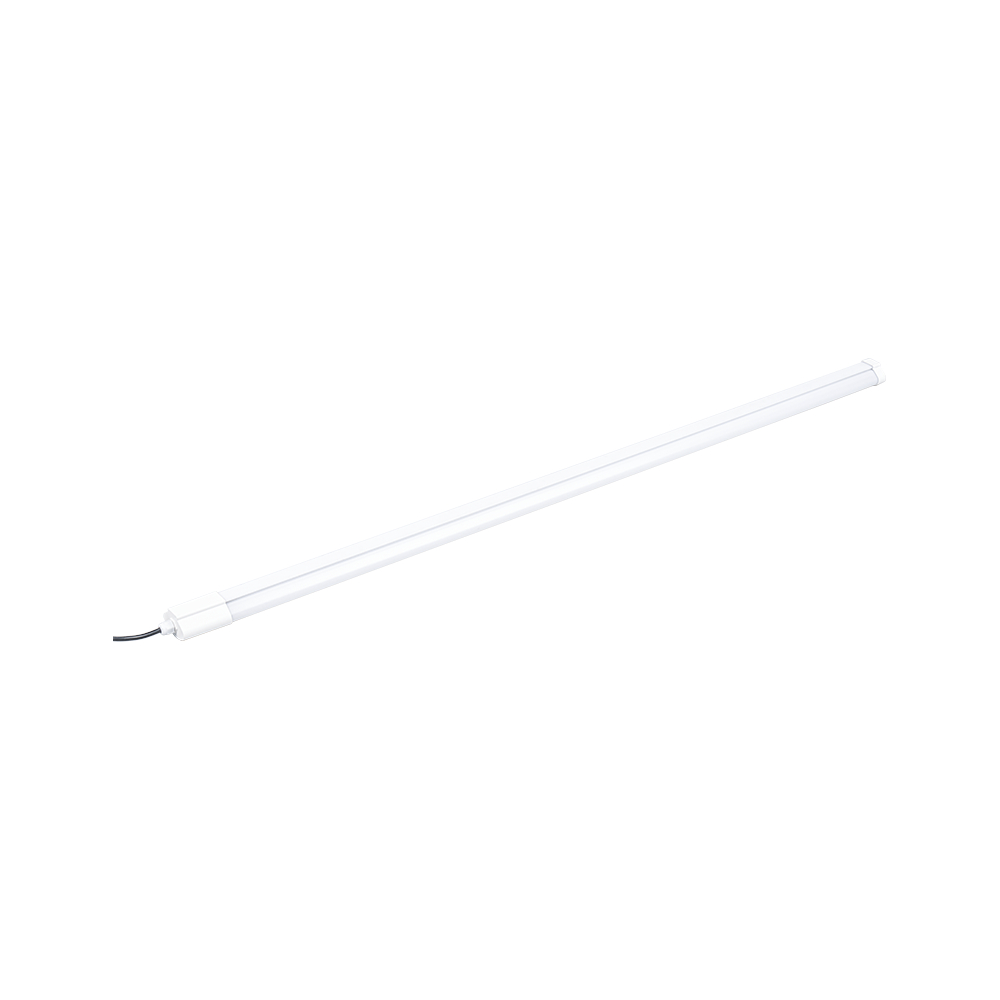
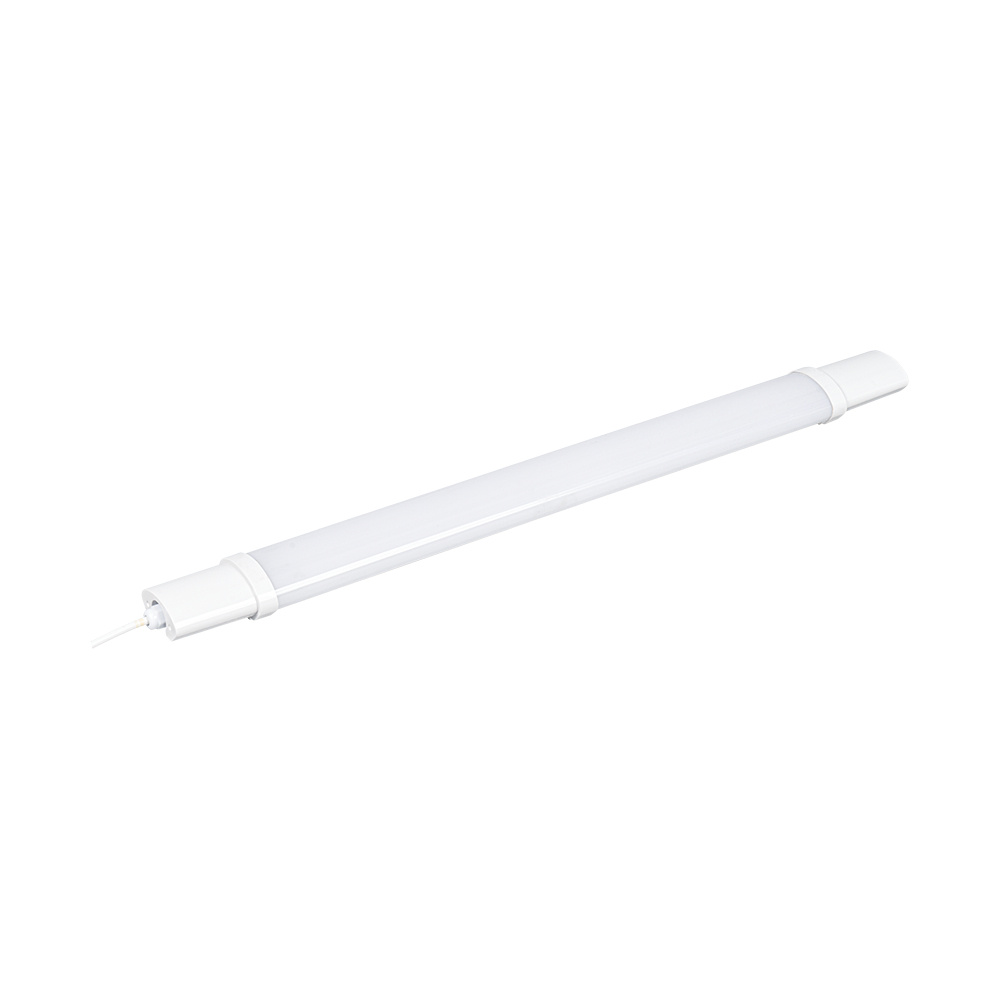
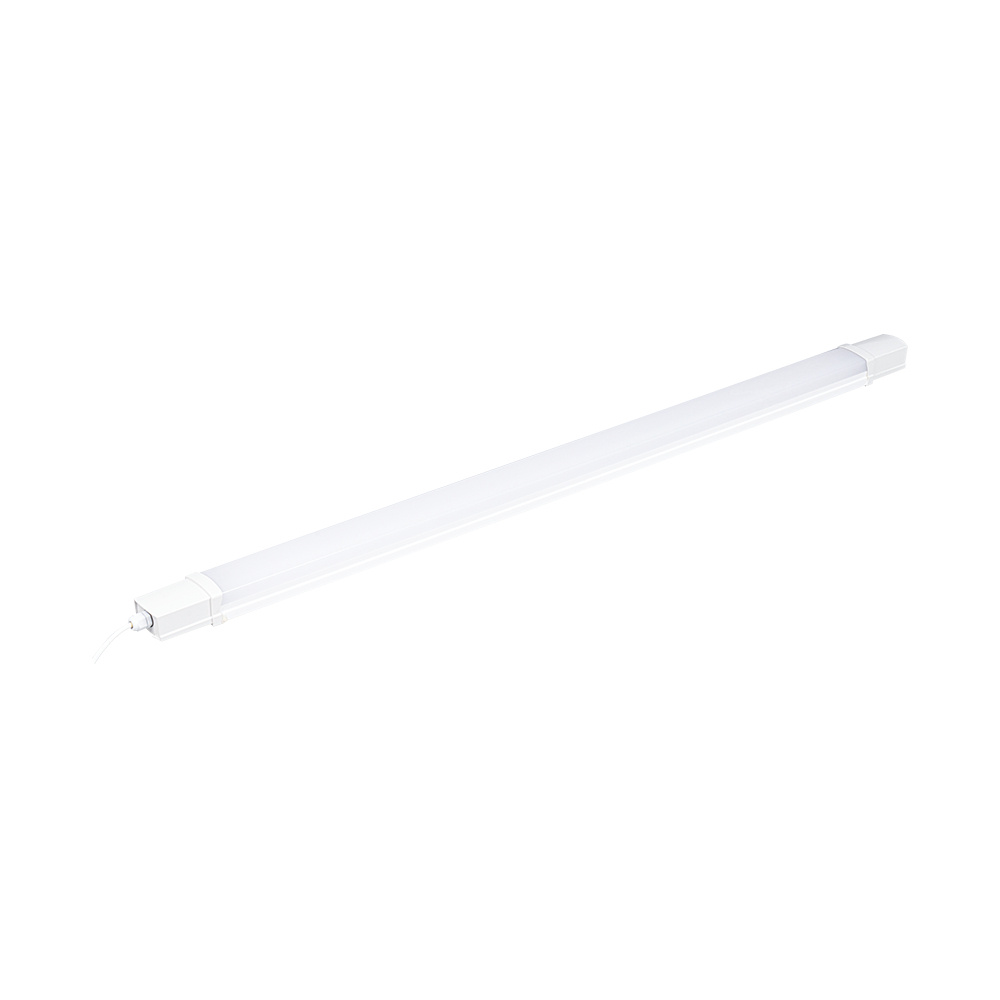
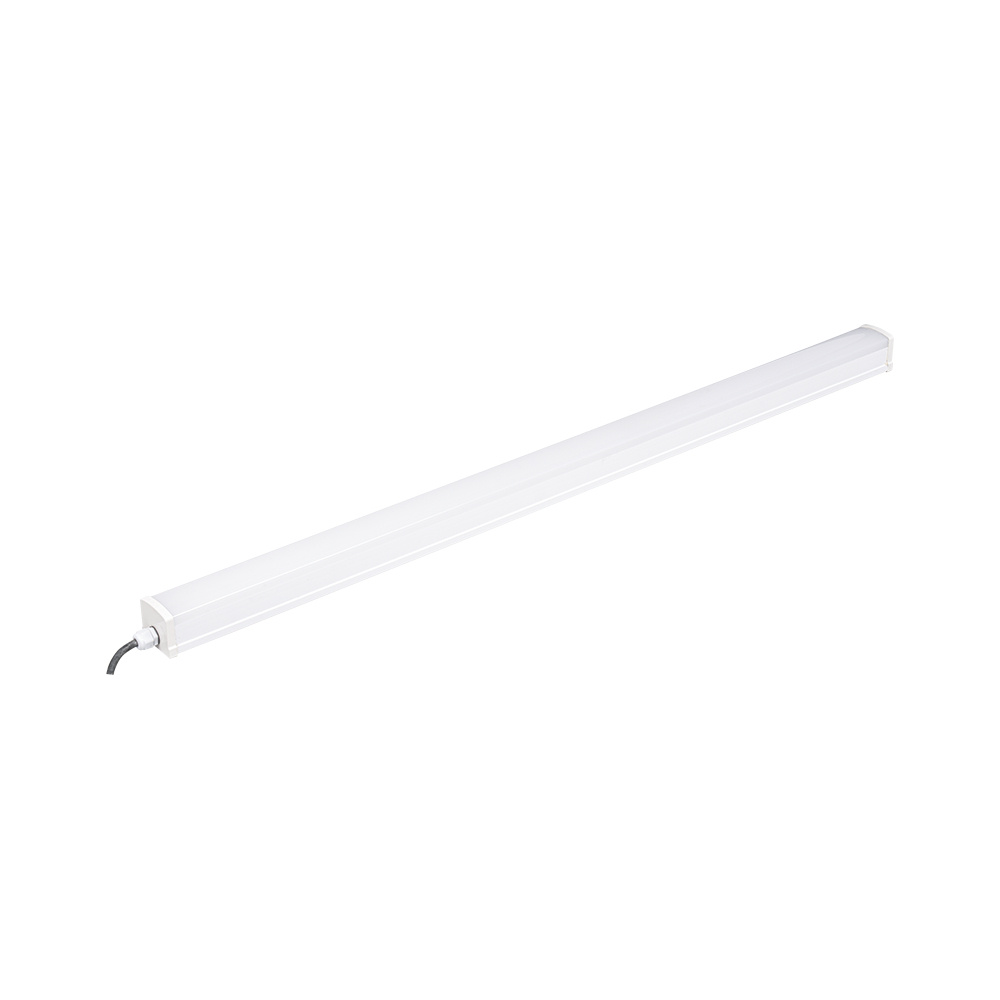
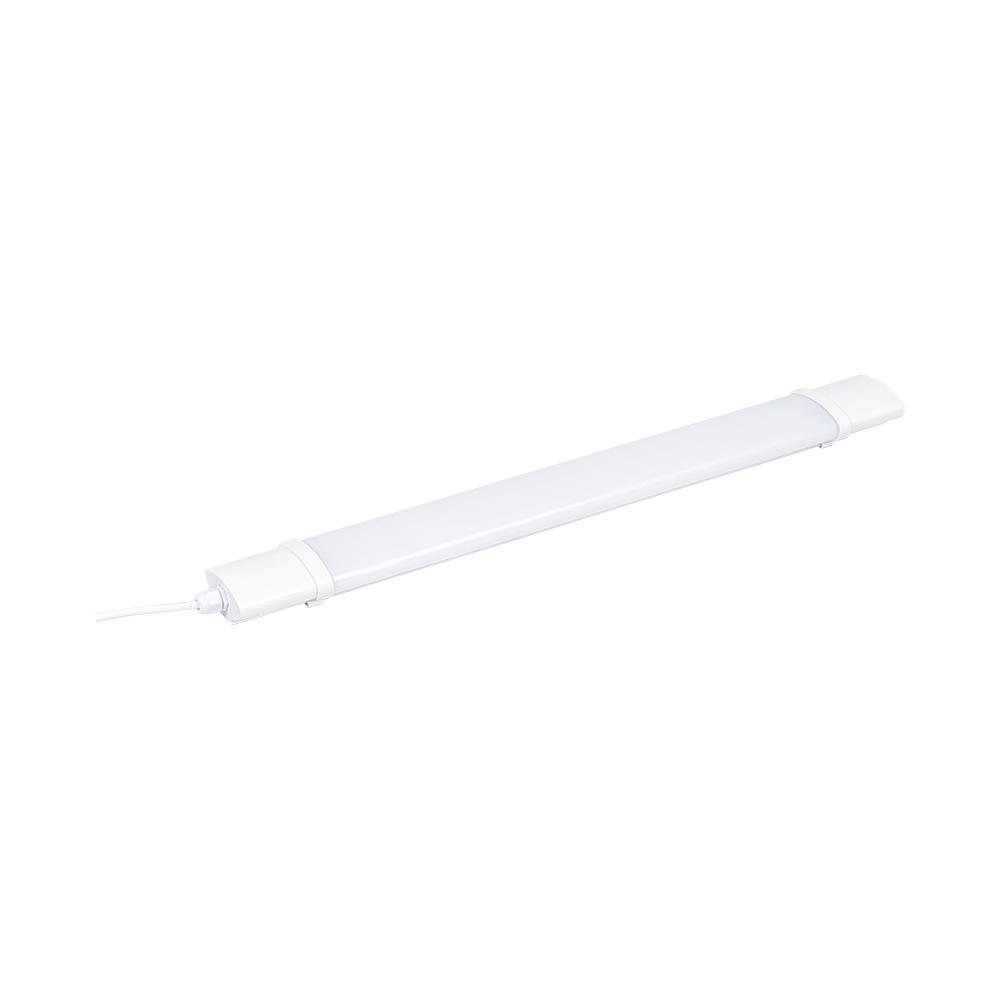
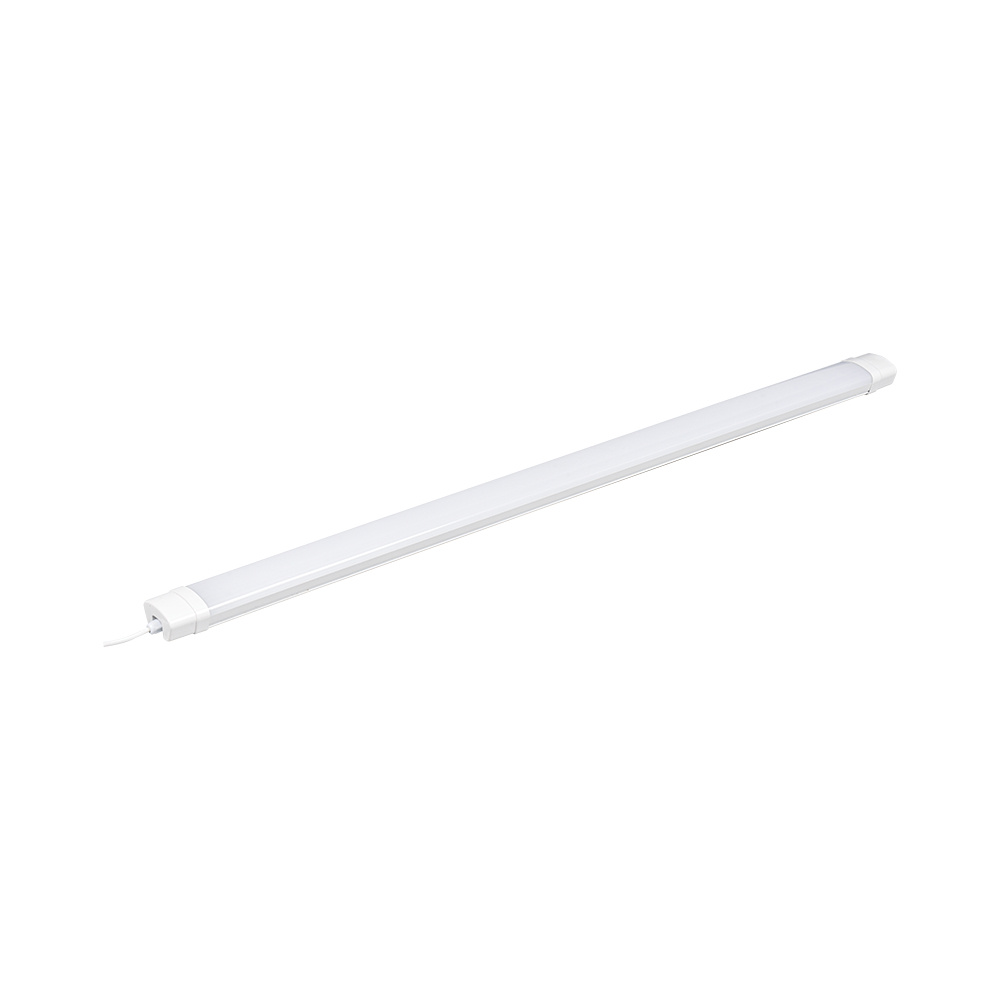
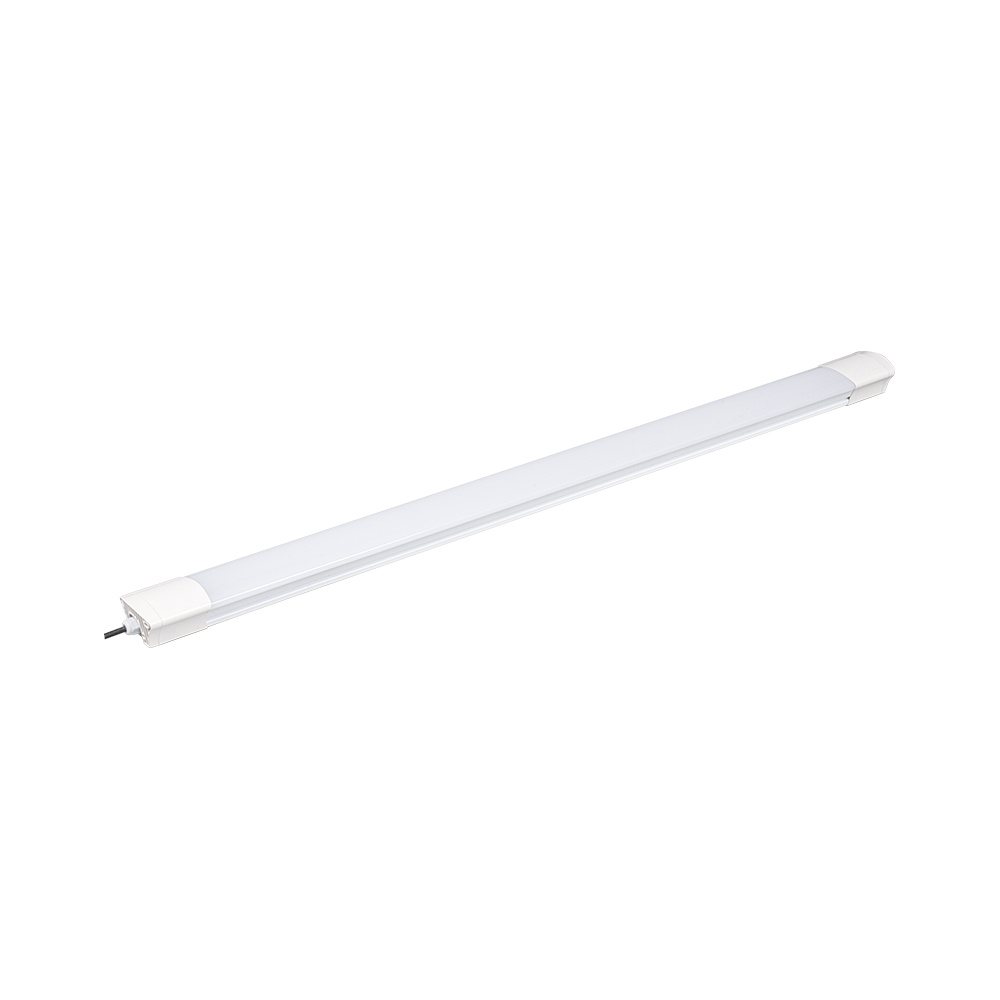
When we think about lights that have to stand up to tough conditions, like those used in damp workshops or dusty outdoor spots, it's fascinating how much thought goes into keeping their inner workings safe. These mini LED tri-proof lights are built to handle water, dust, and even rough handling without letting their circuits get harmed. It's all about creating a barrier that lets the light shine on reliably, no matter the environment.
Content
The outside layer of these lights acts like a tough skin, the first thing that faces whatever the world throws at it. Imagine a clear, strong material that's not just see-through but also bounces back from knocks and bumps. This covering is chosen because it lets light through while standing firm against moisture and grime. It's like wrapping your phone in a case that's both flexible and unyielding – you want it to protect without getting in the way.
What makes this outer shell so effective is how it's crafted to resist everyday wear. In places where humidity hangs in the air or particles float around, this material forms a tight seal that keeps unwanted stuff out. Think of it as a guardian at the gate, checking everything that tries to sneak in. Without this, the delicate wires and components inside would be at risk, leading to flickers or outright failures. But with it, the light can keep going, providing steady illumination where it's needed most.
Expanding on that, the choice of this material isn't random. It's picked for its ability to handle changes in temperature and exposure to elements that might otherwise cause cracking or fading. Picture a rainy day in a garage – water beads up and rolls off, leaving the inside dry. That's the kind of reliability we're talking about. And it's not just about blocking water; it's also about fending off tiny specks that could build up over time and cause shorts or corrosion. This outer layer ensures that the light remains functional, extending its usefulness in challenging spots.
Moreover, the surface of this covering often gets a special touch-up to make it even better at its job. This isn't some fancy add-on; it's a practical step that creates an extra barrier. Like applying a coat of wax to your car to make rain slide off easier, this treatment helps maintain the integrity of the whole setup. It prevents buildup that could lead to problems down the line, ensuring the light doesn't just survive but thrives in its environment.
Beyond the basic shell, these lights incorporate stuff that's specifically good at fighting off decay and wear from the surroundings. These additions are like reinforcements in a fortress wall, making sure that even in aggressive settings, the structure holds. For instance, materials that don't easily react with air or chemicals help keep everything looking and working like new for longer.
In harsh spots, like near salty air or in areas with chemical fumes, these resistant elements play a key role. They slow down the natural breakdown that happens when things are exposed to the elements. It's similar to how some fabrics are treated to resist stains – once applied, they repel what would otherwise stick and cause damage. This means the light can be placed in spots where ordinary bulbs would fail quickly, offering a more dependable option.
Delving deeper, these substances are integrated throughout the design, not just slapped on top. They work in harmony with the outer covering to create layers of protection. Imagine building a sandwich where each layer adds flavor and texture; here, each material adds a level of defense. This multi-layered approach ensures that if one part faces stress, others step in to share the load, keeping the internal circuits safe from harm.
Furthermore, the way these materials are chosen reflects a thoughtful balance between strength and flexibility. Too rigid, and it might crack under pressure; too soft, and it won't hold up. Striking that middle ground allows the light to adapt to vibrations or minor impacts without compromising its protective qualities. This adaptability is crucial in dynamic environments, where stillness is rare.
No discussion of protection would be complete without going into the sealing on these lights. Seals really tie the whole thing together, closing off every little opening that could let water or dust sneak through. Built from soft, elastic material that settles nicely into any gap, these parts get placed around joints and openings to build a solid, near-airtight wall.
Think about sealing up a house for winter—taping or caulking around windows and doors to block cold drafts. The exact same logic works here. These seals keep moisture and fine particles from slipping inside. They hold up well, snapping back into shape after getting squeezed or pulled, so the barrier stays strong year after year. That toughness comes in handy where temperatures go up and down a lot, because the material stretches and shrinks over and over without tearing or losing its seal.
The material picked for the job stands out because it simply lasts. It stays soft and pliable instead of turning hard and brittle, the way some cheaper kinds do after a while in the weather. Picking something durable like this means steady protection without constant worry, and it cuts way back on having to open things up for checks or new parts. Proper sealing takes what could have been a weak spot and turns the whole light into something solid that can handle rough treatment.
Putting the seals in place takes real care too. Nothing gets thrown in roughly—every strip or ring goes exactly where it needs to be, covering all possible ways in. That kind of attention to detail is what separates lights that keep working for ages from ones that start failing early. One small step done right ends up making a huge difference in how long the light stays reliable.
The way these lights get built includes plenty of clever decisions that help them stand up to hard conditions. Protection doesn't come just from picking good materials—it's also about arranging everything so the parts support each other. The whole setup includes built-in ways to deal with water, dust, and even hard knocks or drops.
Picture putting together a vehicle made for rough back roads—every piece gets shaped and placed to handle bumps and mud. These lights use the same kind of thinking. The body directs liquids away quickly, stops particles from getting trapped, and spreads out any impact so the inside stays safe. The full structure protects in several ways at once, with each layer backing up the others.
A big part of the strength comes from planning for real daily use. Where things stay wet, the curves let water run off fast instead of sitting around. Where dust hangs in the air, snug fits leave almost no hidden corners for buildup. Choices like that lift the light beyond basic and make it something truly dependable in tough places.
Building the design usually means running early models through fake harsh setups—spraying, shaking, dusting—to spot weak points and fix them. No need for deep details here, but going through that cycle of test and tweak clearly ends up with something matched perfectly to the job. What comes out is a light that runs steady day in and day out, keeping everything inside safe through smart shaping and layout.
The board sitting right in the middle handles all the work in these lights, and it gets extra care to stay out of trouble. This important part receives treatments made to push back against usual enemies like wet air and harsh chemicals. Adding coatings or finishes puts on another guard that lets the board keep running without hiccups for a good long while.
The whole thing works a bit like giving sensitive parts a dip in shielding liquid. These steps put up a wall that turns away bad stuff, keeping away shorts or slow rotting. The control board runs the show; if it quits, the light quits too.
The protections change depending on what threats show up. Where air eats away at metal, the main job blocks rust. Where everything stays soaked, the focus stays on stopping water. This matched-up plan keeps the board going strong and adds years to the light.
Holding the board together also means power stays even and the glow doesn't fade. Skip these steps and things start slipping—light gets weaker or pulls more juice. With them done right, the setup hums along smooth and pays off down the road.
Wiring and all the join points get more work put into full insulation. Covering or wrapping the paths blocks surprise touches or leaks. The trick feels close to putting groceries in two bags just in case—one more safeguard.
This cuts down on electrical worries and keeps things running safe even around water or stuff that conducts. Keeping pieces apart drops the chance of glitches that stop work or cause trouble. The way stays plain but solid, built on old reliable safety rules.
When putting it together, insulation hits the main spots like wire meets or plug ends. It settles worries that everyday snags will pop up. As months and years roll by, this means far less fixing and way more trust in the light.
The good parts go beyond that—this covering helps keep heat in check too. Guiding current the right way stops hot pockets that could hurt close-by pieces. All this wrapped-up care keeps the light hitting its best marks.
Most outer cases or shells on these lights pick up a light spray of guard coating. The spray does real work, not just pretty looks; it lays down a layer that fights off water and steady eating away. Put on even, it leaves a slick face that knocks back whatever the weather throws.
The job lines up with staining an old fence to fight rain—it saves what's underneath. Same deal here; the coat watches over the case and stops outside junk from creeping toward the guts. This helps big time out in the open or in rough shops that never let up.
Putting the spray on calls for steady hands to hit every inch and skip bare patches. That close work lifts how long the light holds out and makes it a no-brainer for hard jobs. As time drags on, this outside help slows down normal wear and keeps things solid.
Paired up with everything else already there, the coating caps off the whole guard plan. It lands as the last piece that knots the full protection setup into one tight package.
| Aspect of Protection | Key Materials Involved | Main Benefits | Common Environments Benefited |
|---|---|---|---|
| Outer Shell | Clear, impact-resistant substances | Blocks moisture and dust, maintains transparency | Damp workshops, outdoor areas |
| Resistant Additives | Anti-decay elements | Fights oxidation and corrosion | Chemical-exposed sites, salty air zones |
| Sealing Components | Flexible, elastic fillers | Ensures airtight barriers, prevents entry of elements | Humid or variable temperature spots |
| Design Features | Structured arrangements | Channels away liquids, minimizes crevices | Wet or dusty locations |
| Control Board Treatments | Protective coatings | Repels harmful substances, prevents degradation | Corrosive or moist atmospheres |
| Insulation Methods | Layered wrappings | Reduces electrical risks, manages heat | Conductive or high-moisture areas |
| Surface Enhancements | Fine mist coatings | Boosts resistance to wetness and erosion | Industrial or outdoor settings |
When everything comes together in these mini LED tri-proof lights, the result shows just how much difference careful material picks and clever design can make. From the clear outer cover all the way down to the deepest wiring joins, every single piece focuses on keeping the circuits safe and sound. The goal stays simple—no needless complexity, just practical layers of defense stacked smartly so the light keeps burning bright even where regular ones would pack it in.
Looking at the full picture, protection clearly works as a group job. One part backs up the next, building a tough setup far stronger than any lone feature could manage. Drop these lights into a noisy factory floor or leave them out in a soaking backyard—they still throw steady light, all because of those quiet built-in guards.
Future improvements in this kind of tech will surely bring sharper ways to shield things. For the moment though, what exists already delivers reliable, no-fuss answers. The whole thing serves as a solid nudge that strong design means spotting trouble early and facing it straight on.
To drive the point home again, everyday places need lights that simply refuse to quit. These tri-proof models step right into that role, handing over calm assurance in rough spots. Nothing flashy stands out—just the basic, necessary steps that guarantee the light stays on when it matters most.
It is focused on the overall solution of dry bulk material port transfer system,
research and development, manufacturing, and service.

+ 86-158 6784 4739
garrick@cigelighting.com
+ 86-574 5896 6613
No. 332, Yizidi, Zhoutang west village. Zonghan street, Cixi, Ningbo, Zhejiang Province, China
Copyright © Ningbo Cige Photoelectric Technology Co., Ltd. All Rights Reserved. Triproof Light Manufacturer