
Lately, reports from various sectors point to a clear pattern: extreme downpours, rising humidity levels, and stronger coastal winds are hitting infrastructure harder than before. Take the uptick in urban flooding or prolonged wet seasons in places like coastal cities—it's forcing a hard look at everyday setups in public areas and commercial buildings. Add to that the push in food processing for tougher sanitation rules, where steam and high-pressure rinses are routine, and you've got environments where standard gear just can't keep up. Failures from ordinary lighting in these spots rack up real expenses: think sudden blackouts during shifts, emergency fixes that halt lines, or safety checks that drag on because of water-damaged units. Moisture seeps in, casings warp from cleaning blasts, and humid air sparks shorts. Across industries, this has sparked a push for waterproof fixtures as a practical fix—not tied to any one maker, but a widespread need for gear that holds steady in wet, wash-heavy, or outdoor conditions. Recent market scans show LED waterproof setups growing fast, with projections tying into broader shifts toward resilient builds amid climate quirks.
Content
A lot of places these days get hit with downpours that come more often, air that feels heavy and wet all the time, and gusts carrying salt from nearby oceans. When lighting sits out in the open or half-covered, it starts giving trouble much sooner under this kind of weather. Picture busy train platforms, long sheltered paths people walk under, or the sides of tall office blocks—these spots see lights go out or flicker way too frequently now. Managers and maintenance teams hunt for something sturdier that won't quit when the rain pounds or the humidity hangs around. Anyone keeping an eye on this stuff cares mostly about having lights that just keep working, fewer trips out to fix or replace things, safer walking areas after dark, and not having to swap bulbs or units every few months. At the end of the day, the idea is to put in gear solid enough that everything keeps moving along fine, whether a quick thunderstorm passes or the dampness drags on for days.
Places where food gets made, cooked, or stored cold run into daily hosedowns and clouds of steam that never really clear. High-pressure water hits surfaces during cleanup, and the whole room stays soaked in moist air. That's why eyes turn to lighting built to handle straight water jets without splitting open, something you can wipe down in seconds, and that stays closed tight so no dirt or water sneaks in. Folks who follow these matters think first about blocking germs, making sure nothing drops from overhead into products below, and sailing through routine checks without extra headaches. Steady, trustworthy light in the middle of all this activity keeps shifts flowing and cuts down risks that could turn into bigger safety issues.
Old-school lighting gives up the ghost fast when it faces constant wetness or repeated scrubbing, and that means more broken units heading straight to the trash heap as electronic junk. People buying for projects everywhere now pick tougher choices that hang in there longer and break down easier for recycling, which directly shrinks the waste pile. Anyone reading up on the switch spots the upside right away: lower electric bills stretched over years, far fewer things buried in dumps, and lining up neatly with company guidelines that push for gentler impact on the planet. Waterproof fixtures made to go the distance step up big here—they lighten the load on collection and processing setups while letting the same installation serve way longer before anyone thinks about swapping it out.
Newer buildings throw in motion detectors or zone controls that flip lights on just when needed or tone them down in empty sections, trimming the overall power draw. But in rooms or areas prone to damp, you can't skimp on the shielding part or the fancy controls end up useless. Waterproof fixtures fit right in with those setups, holding their barriers firm so the sensors and timers keep doing their job without hiccups. More and more notice comes to the real savings on monthly bills, getting rid of old wall switches nobody touches anymore, and running everything on far less juice—even inside spaces where moisture usually chews through ordinary smart lights and forces early replacements.
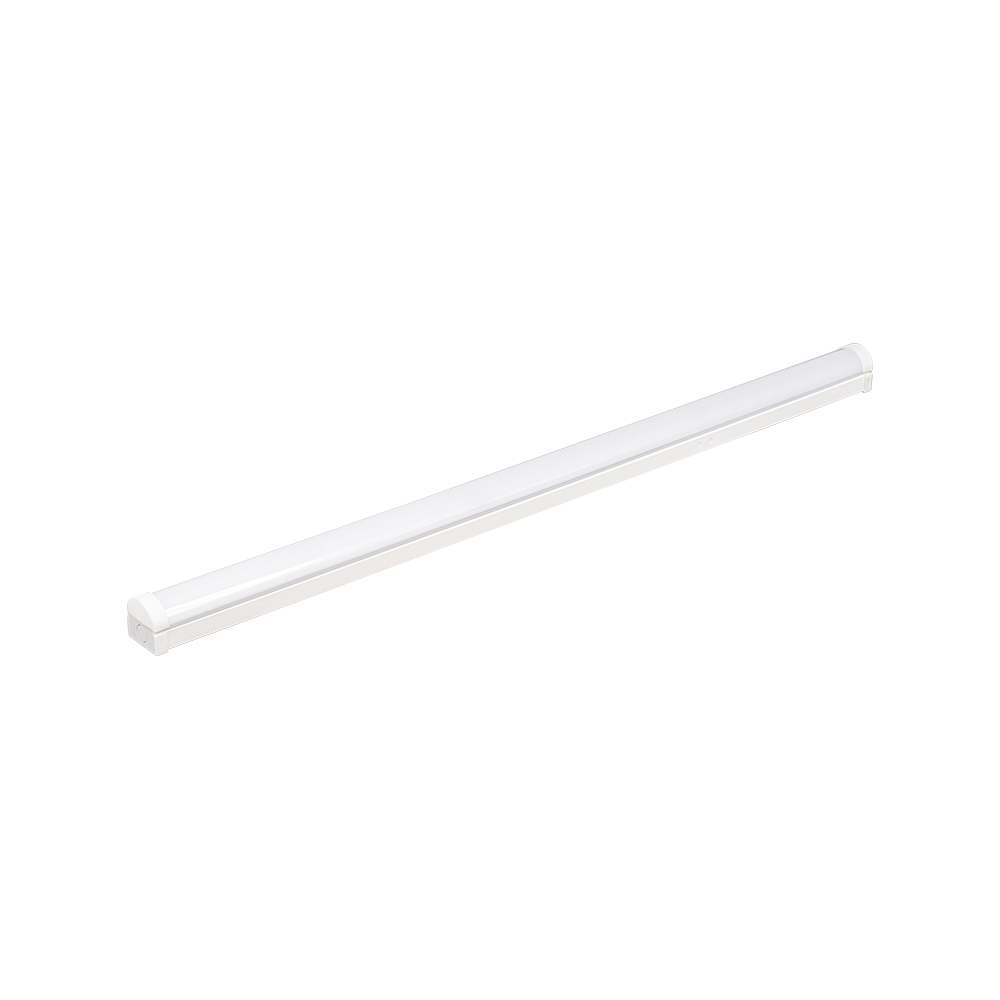
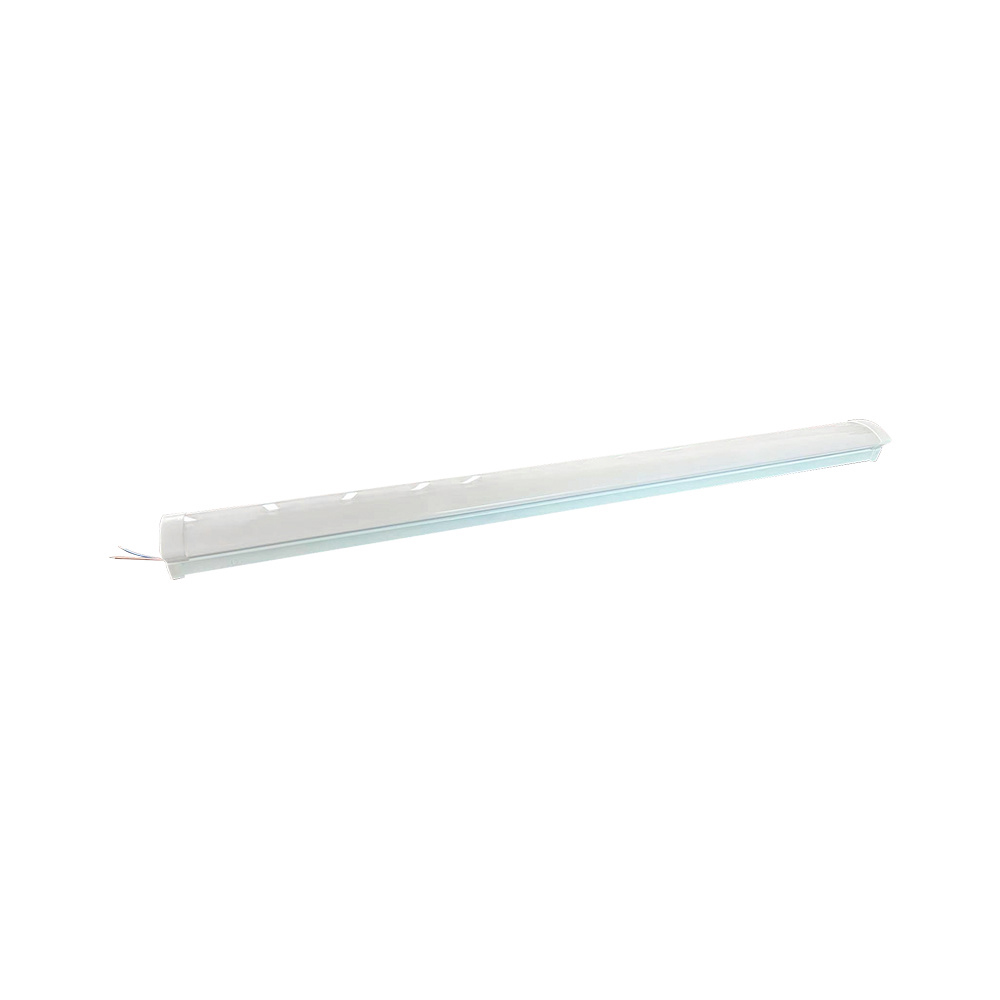
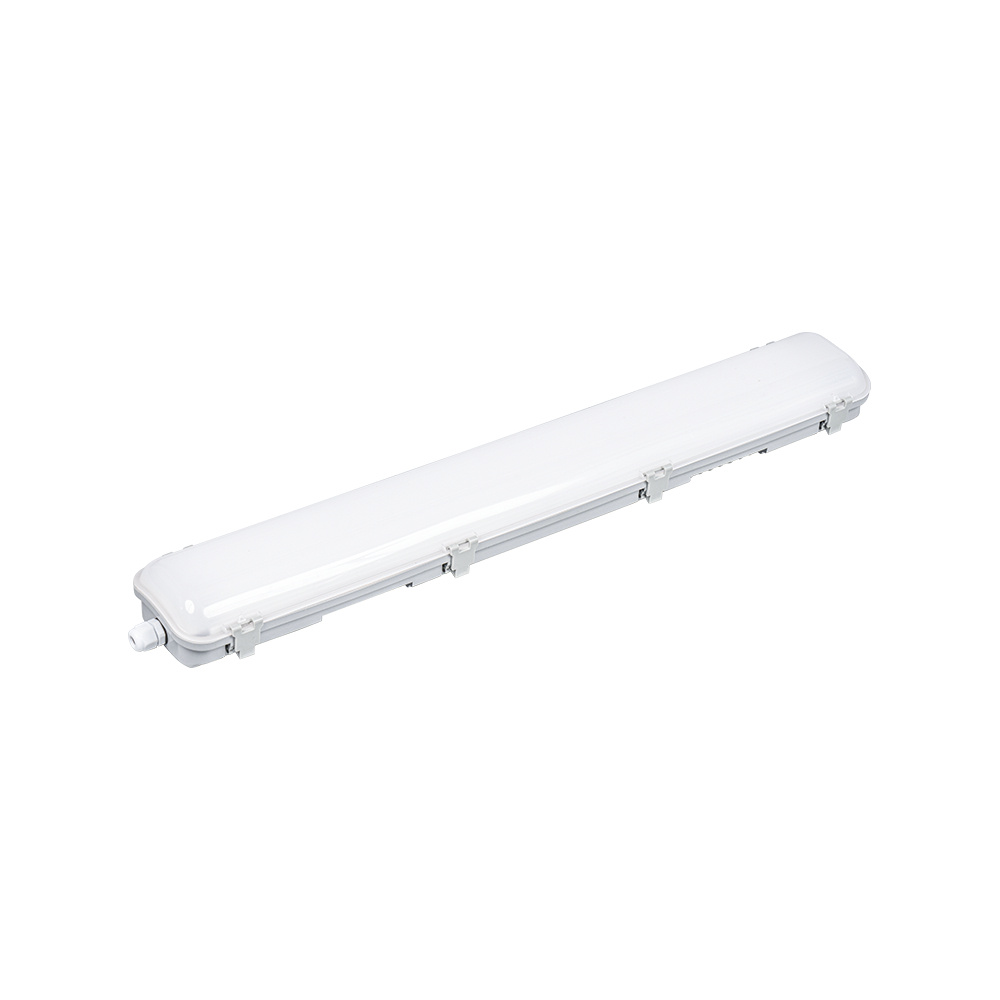
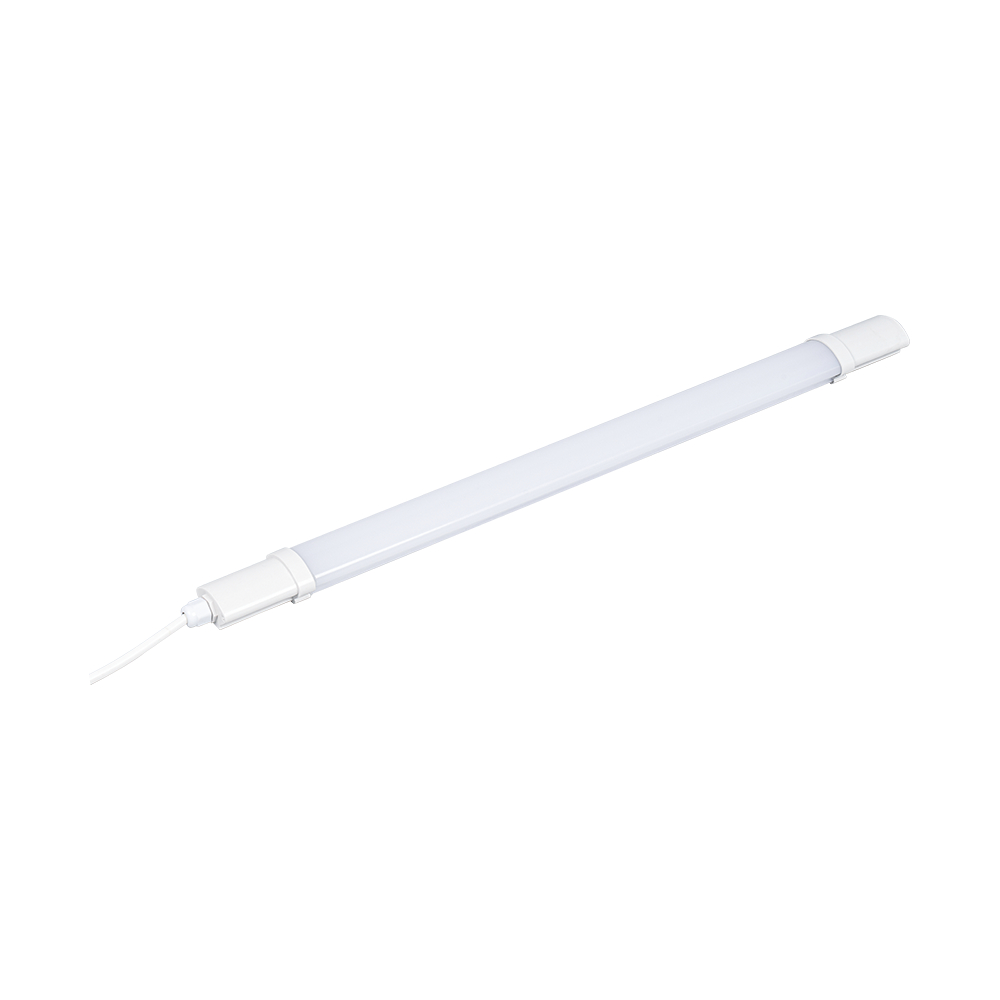
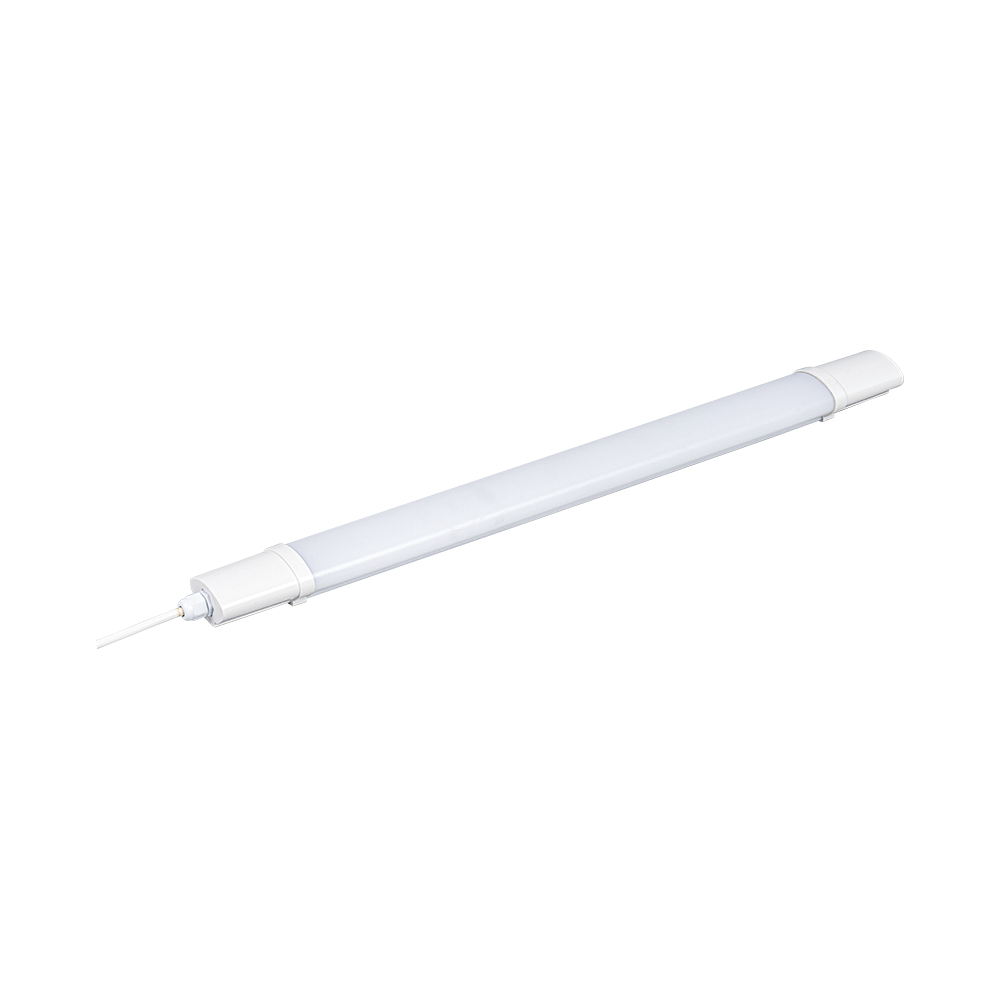
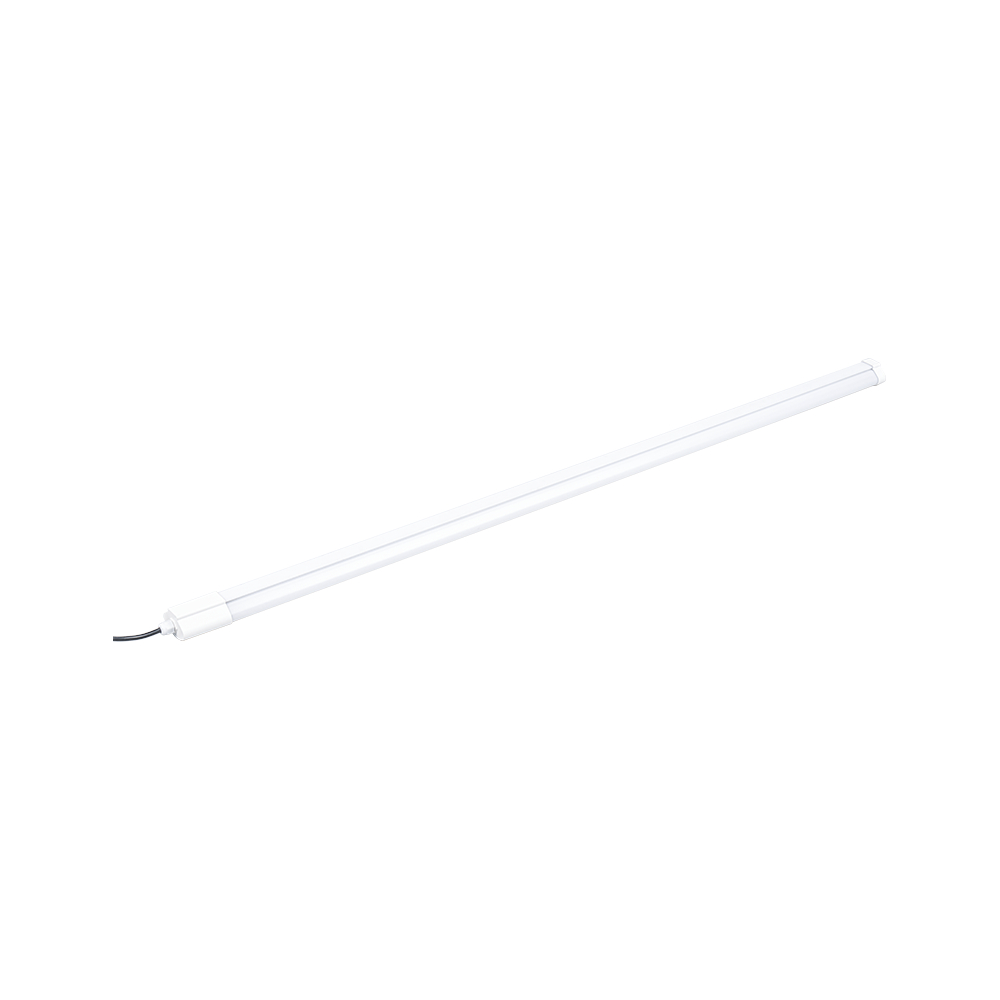
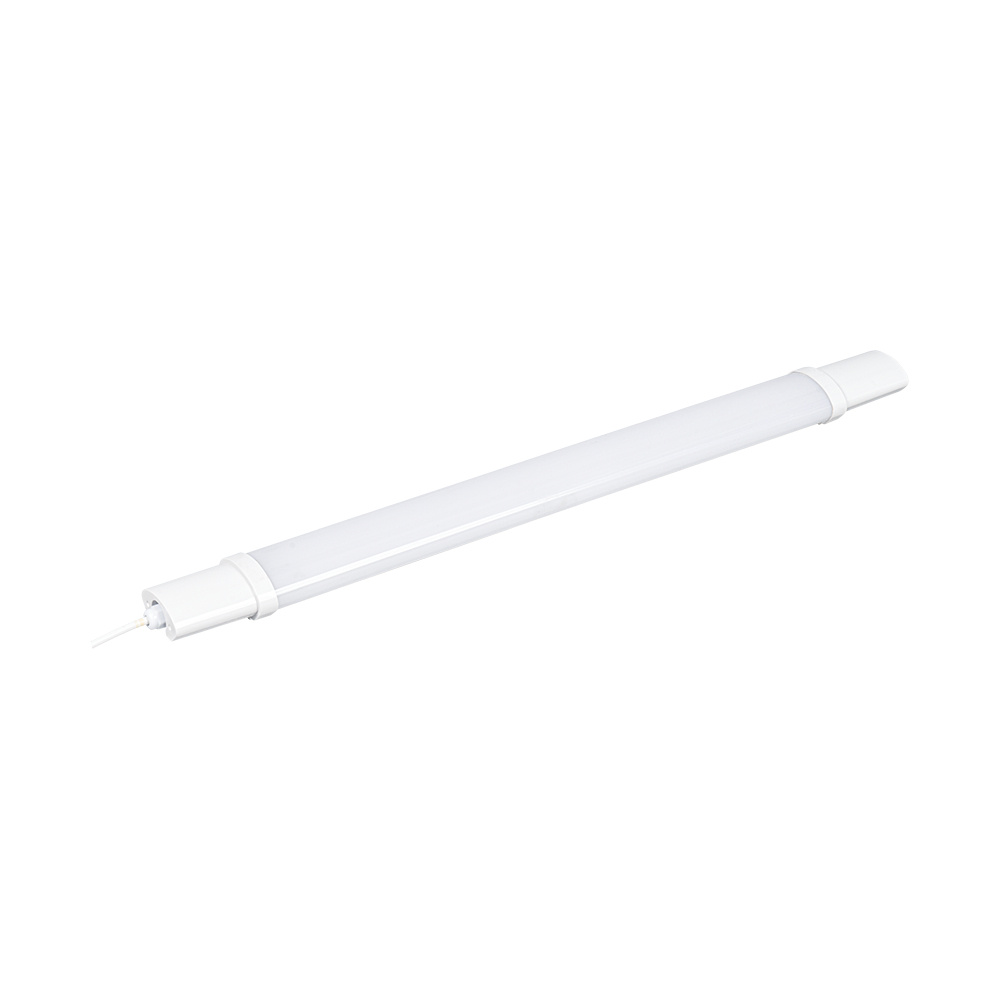
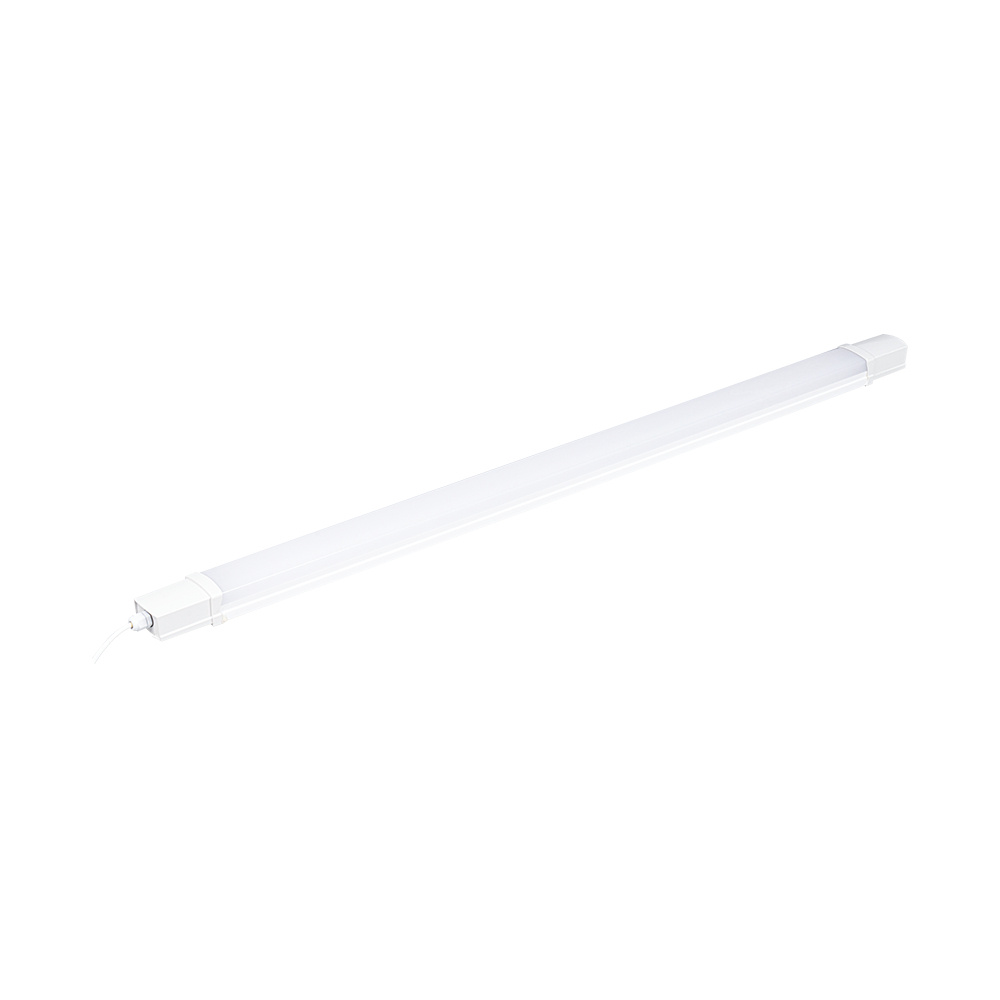
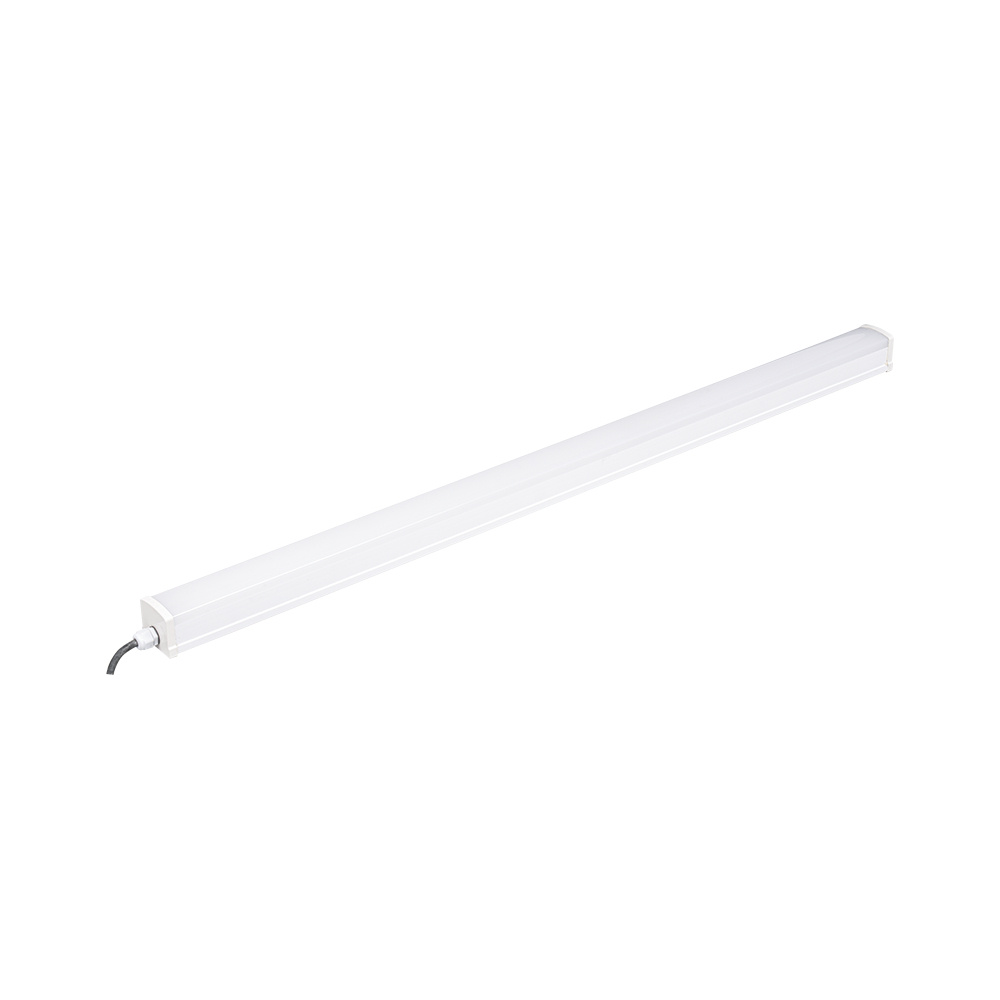
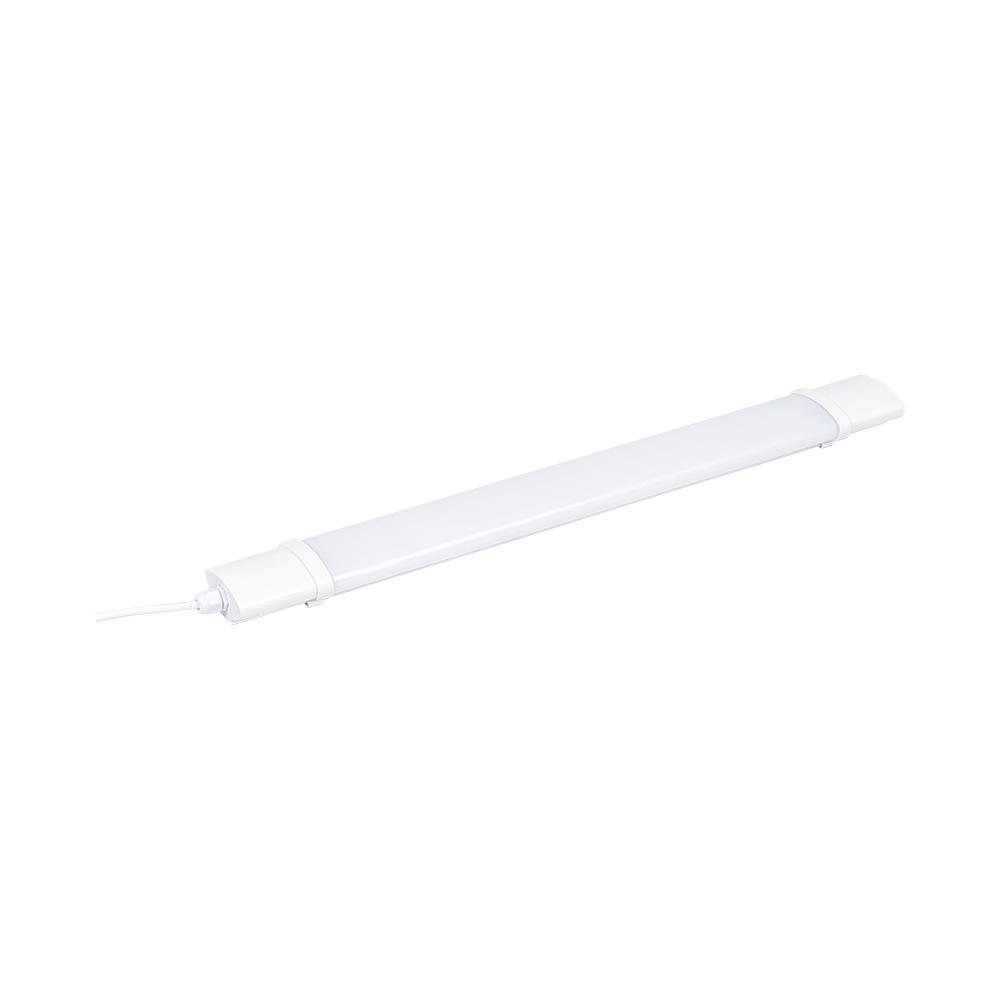
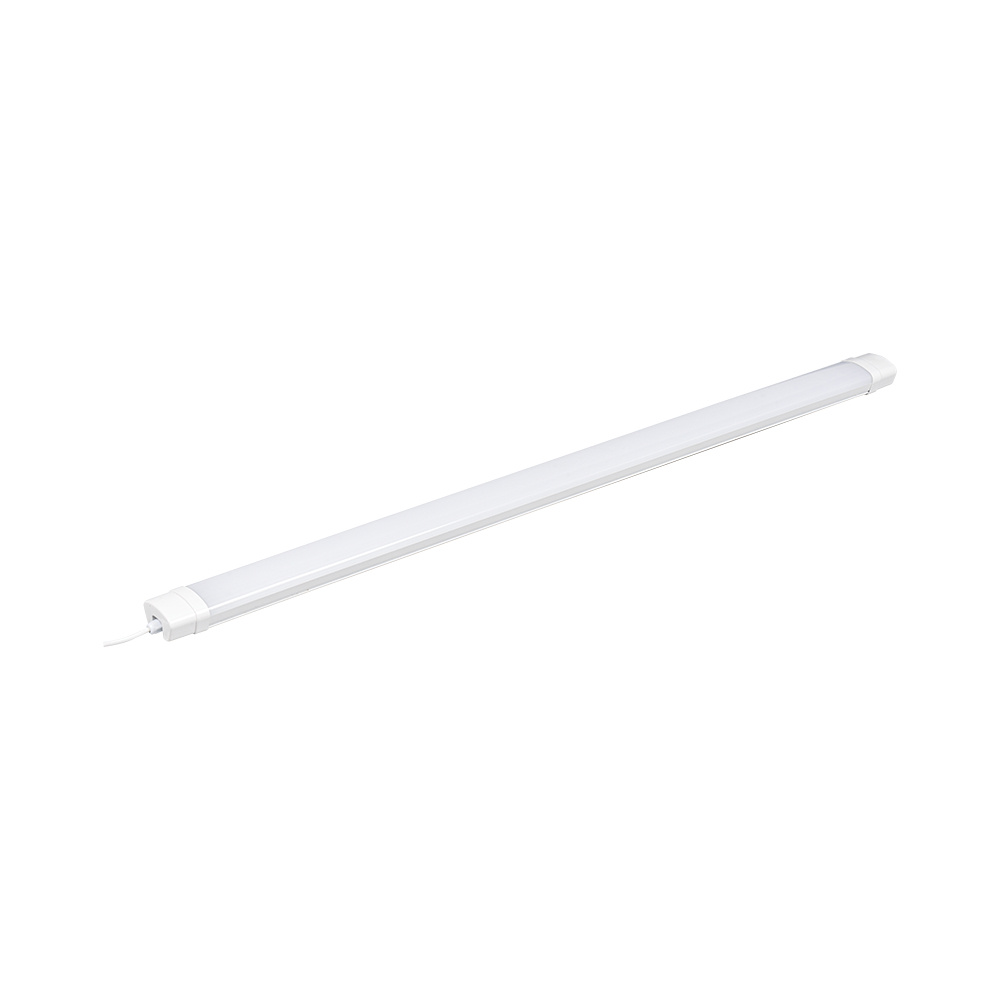
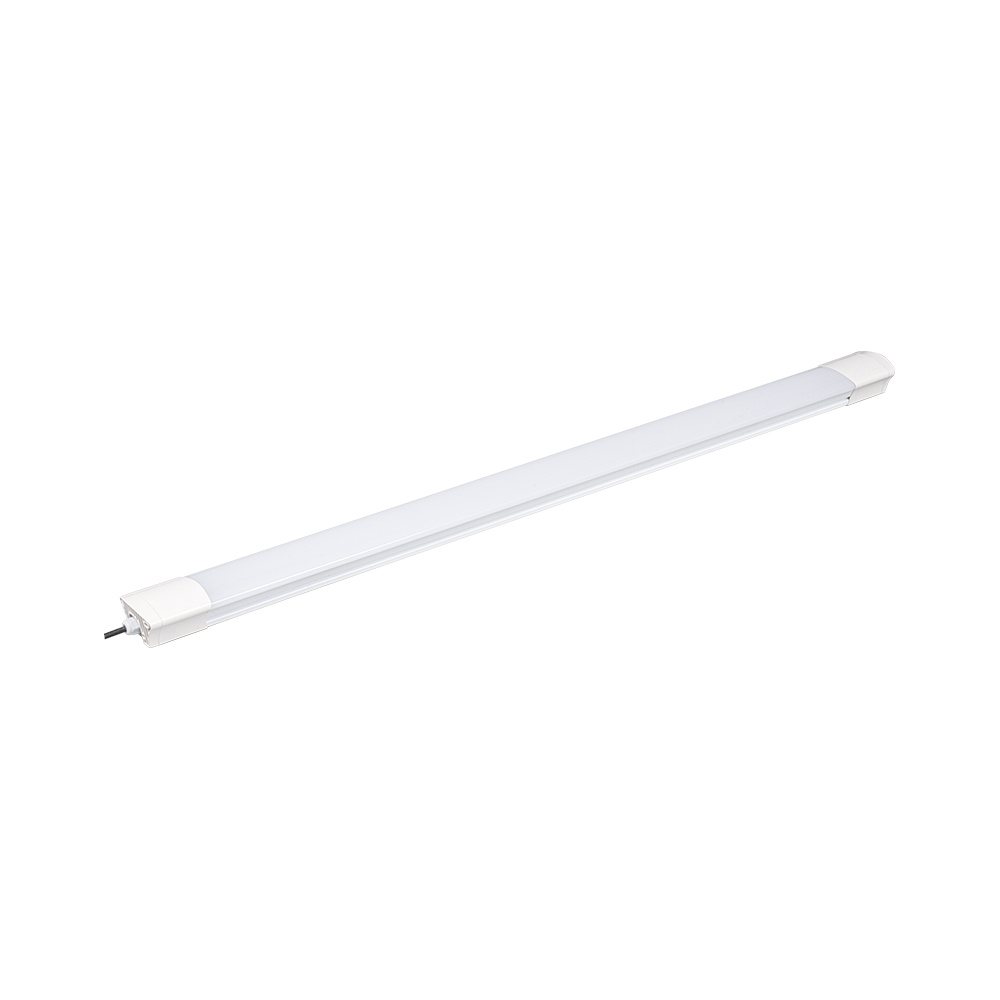
Waterproof fixtures stand out as sealed housing types built to block water entry, going beyond single bulbs or lamps. They feature enclosures that lock out dampness, frames tough enough to dodge softening or splits from sprays and steam, and outer layers that rinse off grime without traps. Meant for indoor damp zones or full outdoor exposure, they keep light steady where ordinary ones quit.
Digging into everyday use, picture a warehouse where fog rolls in overnight—these hold firm, unlike basic units that flicker and fail. Or a processing floor hosed down daily; the smooth outsides mean no scrub fests, just quick wipes. It's this blend of shield and usability that makes them go-to for varied spots, from factories to walkways.
Damp air messes with wiring, causing flickers or full outages, while splashes and steam chew at seams and shells on regular fixtures. Repairs pile up quietly: lines stop for swaps, storage areas go dark risking stock or slips, crews burn hours on climbs and changes. Toss in extra e-waste from tossed units, and the tab grows. Many spots overlook this until a wet spell hits, turning minor gripes into budget drains.
Consider a food plant: one wash cycle cracks a seal, sparks fly, production pauses for hours. Or an outdoor corridor—rain sneaks in, bulbs burn out weekly, pulling maintenance nonstop. These aren't rare; they're routine where moisture rules, hiking long-term spends beyond upfront buys.
Users want no-fail reliability, grime-shedding surfaces, bounce-back from shakes and blasts, low-watt glow, outdoor-ready against downpours or gusts, and easy audits for clean or safety nods. These hit core worries, ensuring light stays on without drama.
In practice, reliability means no mid-shift dark spots in humid halls. Cleanability skips deep scrubs in kitchens. Impact handling takes fork-lift bumps in stockrooms. Efficiency trims grids in big bays. Outdoor grit faces salt spray by docks. Inspection ease passes health sweeps spotless.
Seams get soft sealants that flex and plug paths, cable spots use snug fittings, shells blend tough stuff against bangs, wet, and heat swings. LED cores stay cool, dodging dew inside or pressure spikes. Full closures bar drops, mist, grit—keeping guts dry.
Think layered defense: outer skin repels, innards breathe minimal via vents if needed, but mostly locked. No params, just logic—why ordinary ones leak at joints while these endure jets.
Industrial lines, chop shops, stock barns, dock ramps all gain from spray-proof glow. Cold chains use them in freezers, sort sheds, haul paths, tall racks. Semi-outdoor like lots, halls, docks, awnings, trails handle rains. Steam kitchens, food zones, wash bays, boil areas take daily blasts. Public tunnels, stops, underpaths, lobbies stay lit safe. Farms, builds, temps, vibe-heavy zones round it out.
| Setup Category | Main Hurdles Faced | Gains from Waterproof Fixtures |
|---|---|---|
| Factory Floors | Spills, shakes, dust-moisture mix | Steady light, less stoppages |
| Chill Storage | Condensation, frosts | No fog fails, clear views |
| Parking Zones | Rains, temp swings | Night safety, weather hold |
| Kitchen Process Areas | Steam blasts, rinses | Clean passes, no germ nests |
| Transit Hubs | Crowds, humid shifts | Safe paths, reliable uptime |
| Build Sites | Temp setups, rough handling | Quick deploys, low tweaks |
This setup shows fit without fluff, grounding choices in real needs.
They cut circuit woes from wet, handle rinse cycles, resist age-cracks-soft, fit indoor-out mixes, save juice with long runs lowering swaps, trim e-waste, hike safety via clear sight, chain for big rows with link controls, and clean for checks.
In lines, no spill blackouts mean flow. Warehouses dodge dew shorts on picks. Parks light safe sans rain swaps. Kitchens pass hygiene sans residue hunts. Tunnels guide steady amid drips.
Energy pairs with smarts: sensors dim unused, seals protect signals. Modularity links bays easy. Vibes in farms or sites take jolts. Safety lifts—lit slips drop.
Regular lighting that isn't built for wet conditions tends to give out pretty quick. A little moisture here, a few wash-downs there, and suddenly you're pulling dead units off the ceiling every couple of years. All those broken fixtures end up in the trash, adding to the mountains of electronic waste that nobody really wants to deal with. It's a cycle that keeps repeating: buy new ones, install them, watch them fail early, toss them, repeat. Waterproof fixtures change that story completely. They hang in there for much longer—often many years extra—because the water and damp can't get inside to wreck the electronics.
That longer life means way fewer trips to the dump. Factories and warehouses don't have to order replacements as often, which keeps their storage rooms less cluttered with spare parts and cuts down on shipping boxes piling up. On the bigger picture side, it eases the pressure on landfills and recycling centers that are already struggling with old gadgets and lights. Reports floating around the industry point out how switching to sealed, durable designs drops the amount of lighting waste noticeably. LEDs inside those tough shells just keep going without burning out or shorting from condensation.
Then there's the reuse angle. When these fixtures finally do reach the end—way down the road—parts like the housing or metal frames can often go into recycling streams more cleanly. Some operations even refurbish them for secondary uses. Food processing plants, big distribution centers, and public buildings all see real gains here. They meet their own green targets without much extra effort, and it lines up nicely with the rules many companies now have about buying eco-friendlier stuff.
In places like commercial kitchens or food factories, the cleanup routine is brutal. Hoses come out every shift, water flies everywhere, steam fills the air, and everything gets scrubbed hard. The last thing anybody needs is overhead lighting that turns into a dirt trap or starts flaking bits down into the work area. Ordinary fixtures often have ridges, screws sticking out, or seams where grime builds up no matter how hard you try. Over time, that trapped stuff can grow mold or bacteria, and when the housing starts cracking from all the water blasts, pieces might even drop.
Waterproof fixtures sidestep all that headache. Their outside surfaces come smooth, with hardly any grooves or exposed fasteners. You can aim the hose right at them during wash-down, soap them if needed, and watch everything run off clean. No hidden corners for water to pool or debris to stick. That means the lights themselves never become a source of re-contamination after the floor and tables are already spotless.
Steam is another big enemy—it clings to rough or uneven surfaces and leaves streaks that turn nasty fast. With these sealed, glossy exteriors, the vapor just slides away, leaving nothing behind. Crews save time because they don't have to take covers off or do special detailing around each light. Less time scrubbing means fewer harsh cleaning chemicals going down the drain, too. Even in spots like pharmaceutical labs or beverage bottling lines where sterility matters just as much as in food areas, the same rules apply—keeping surfaces easy to sanitize keeps the whole room safer.
When companies source lighting from overseas suppliers these days, they're not just looking at price tags anymore. They want gear that arrives intact after long shipping journeys and then performs reliably once installed—especially in regions that get heavy rain, thick coastal humidity, or wild temperature swings. Waterproof fixtures score high because their seals and tough casings handle bumpy transport better. Fewer cracked lenses or water-damaged internals showing up at the dock means fewer rejected shipments and expensive returns.
Buyers in humid countries or along stormy coastlines specifically ask for models proven in those conditions. They know from experience that standard lights might work fine in dry climates but fall apart fast where the air stays wet. Procurement teams write specs that call out water resistance up front, because replacing failed batches later eats into profits worse than paying a bit more initially.
The steady supply chain part matters too. Factories that consistently turn out sealed, reliable units build trust—orders keep flowing without delays from quality issues. Importers value that predictability, especially for big projects like outfitting new warehouses or upgrading public transit areas. It's less about flashy features and more about stuff that simply holds up over time, no matter where it ends up installed.
Cities keep growing, and with that comes more attention to how everything looks and works at night. Parks get new walking trails, electric vehicle charging stations pop up under metal canopies, shopping areas add overhead covers, and building facades light up for evening appeal. All these outdoor or semi-outdoor spots face the same reality: rain drips down, wind blows dirt around, and maintenance crews still need to keep things clean and presentable.
Regular lights under those canopies or along park paths start looking grimy fast, and when crews hose the structures, water sneaks into the fixtures and causes trouble. That's why demand keeps climbing for lighting that can take the occasional direct rinse without missing a beat. Managers want the areas to stay bright and welcoming for evening visitors, but they don't want constant repair calls every time it storms.
EV charging shelters are a perfect example—drivers pull in at all hours, often in bad weather, and expect good visibility while plugging in. Canopies collect leaves and dust; periodic cleaning keeps them looking sharp, but only if the lights survive the wash. Same goes for covered walkways outside offices or malls—people walk there rain or shine, and safe, steady light matters more than ever when surfaces get slippery.
Even city parks push for better nighttime use now, with paths lit so folks can jog or walk dogs after work. Those fixtures sit under tree cover or open sky, taking whatever weather comes. When crews clean benches and signs, they want to spray everything down without worrying about shorting out the overhead glow. It keeps maintenance simple and the spaces inviting longer into the evening.
The push toward smarter buildings keeps picking up speed—motion sensors that flip lights on only when somebody walks by, timers that dim empty hallways, apps that let facility managers tweak zones from their phones. All that tech saves serious energy, no question. But slap those fancy controls onto regular lighting in a damp warehouse or steamy kitchen, and problems start fast. Moisture creeps in, sensors glitch, connections corrode, and suddenly your "smart" system acts anything but.
Waterproof fixtures give the smart stuff a solid foundation to stand on. The seals keep water and condensation away from the electronics, so occupancy detectors keep reading movement accurately and communication modules stay online. You get the full benefit of automatic dimming or scheduled shut-offs without random failures throwing everything off.
Think about a big distribution center: aisles stay dark until a forklift rolls through, then lights pop on just for that section. In a humid climate, ordinary fixtures would fog up inside or short out over time, wasting the whole investment in sensors. With proper sealing, the system runs smooth year after year—real savings on the electric bill show up month after month.
Looking ahead, more buildings tie lighting into broader IoT networks—linking to security cameras, HVAC controls, even occupancy tracking for energy reports. None of that works reliably if water damages the base fixtures. Protection isn't some extra feature anymore; it's the starting point everything else builds on. As automation spreads, the demand for sealed, compatible lighting only grows stronger.
Chains ripen, crafts upgrade for bulk, tweaks. Experience steadies output, green mats shine. CIGE stands as a key factory here, years-deep in waterproof fixture production. Stable volumes, client-fit options, eco-mats mark its spot. Meets rising calls head-on. Ahead, tech blends deepen—sensors sealed tighter, mats greener. Handles wet worlds better, sectors thrive.
It is focused on the overall solution of dry bulk material port transfer system,
research and development, manufacturing, and service.

+ 86-158 6784 4739
garrick@cigelighting.com
+ 86-574 5896 6613
No. 332, Yizidi, Zhoutang west village. Zonghan street, Cixi, Ningbo, Zhejiang Province, China
Copyright © Ningbo Cige Photoelectric Technology Co., Ltd. All Rights Reserved. Triproof Light Manufacturer