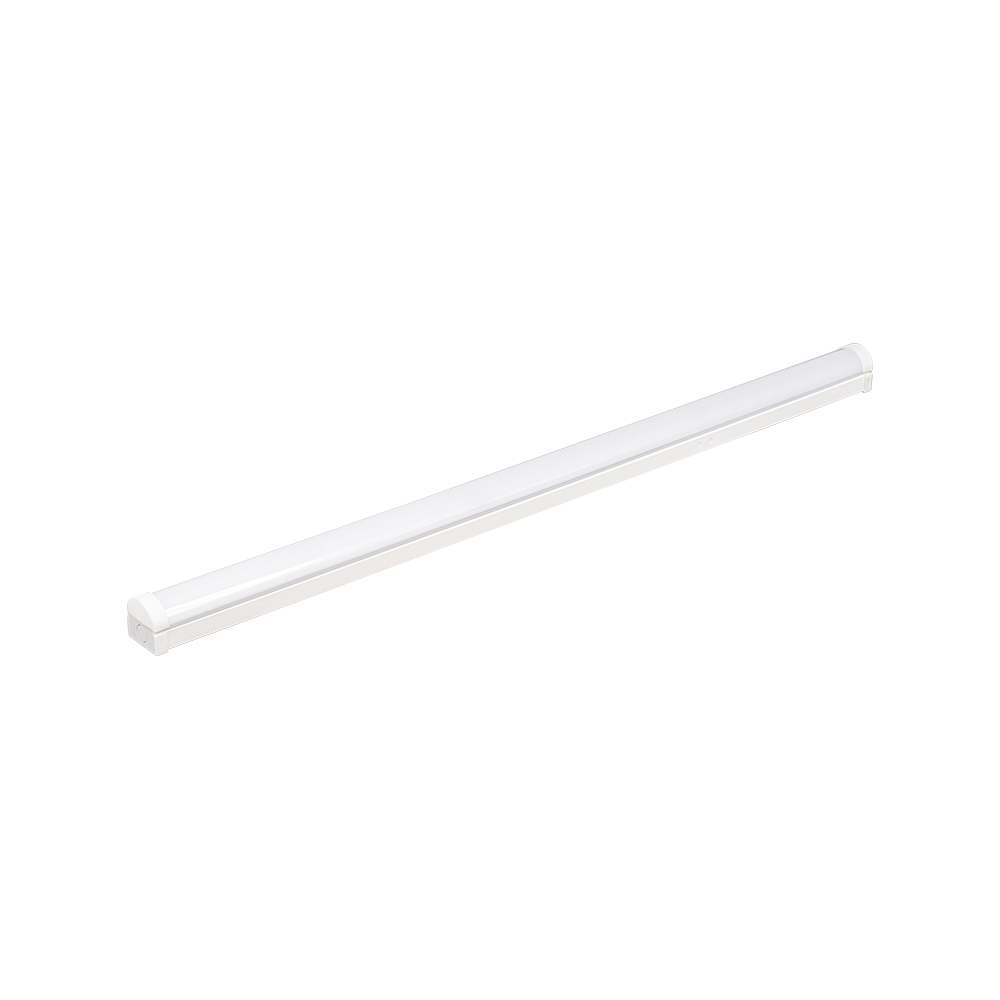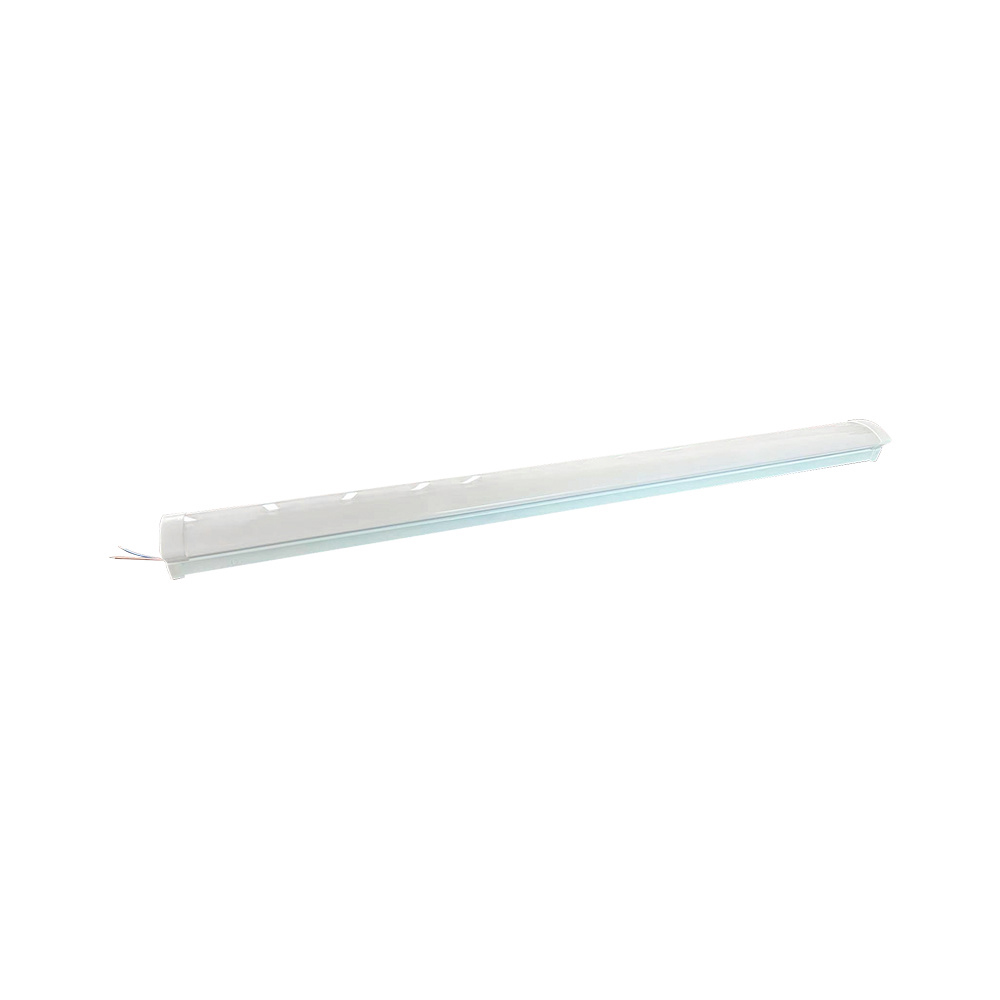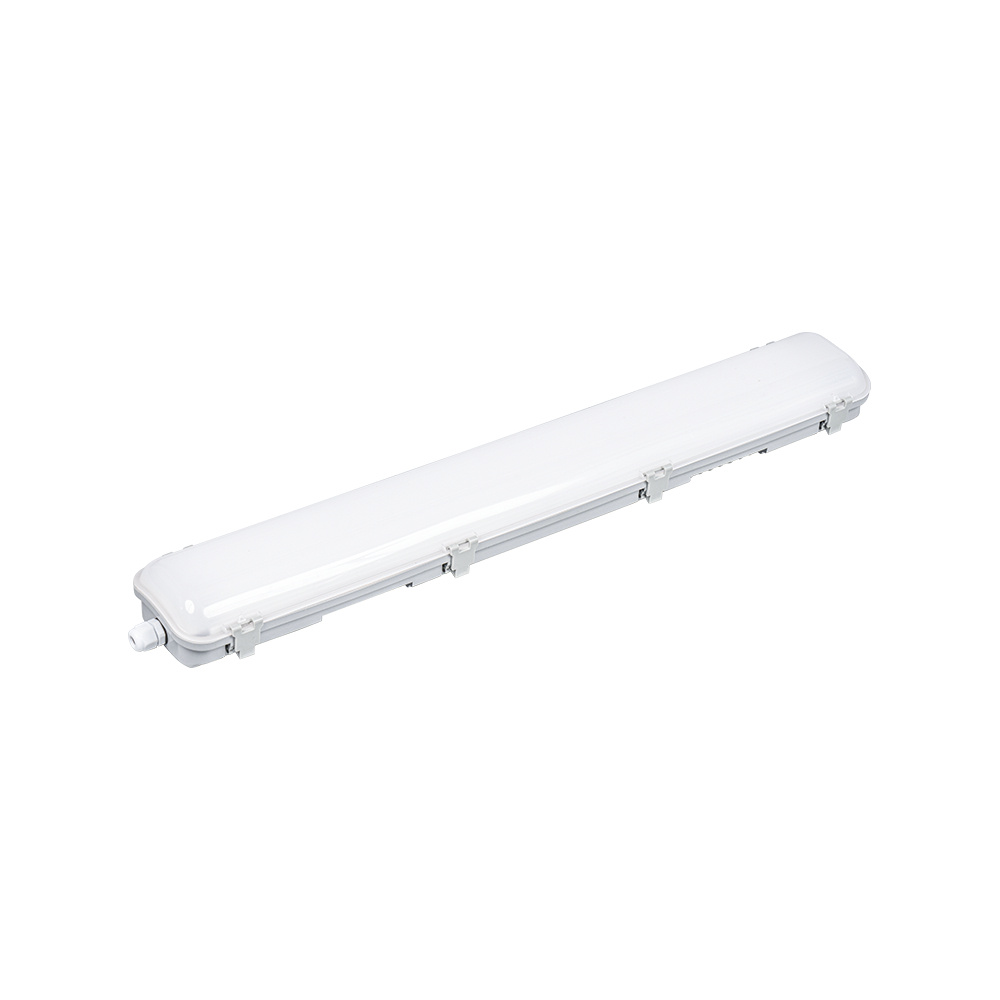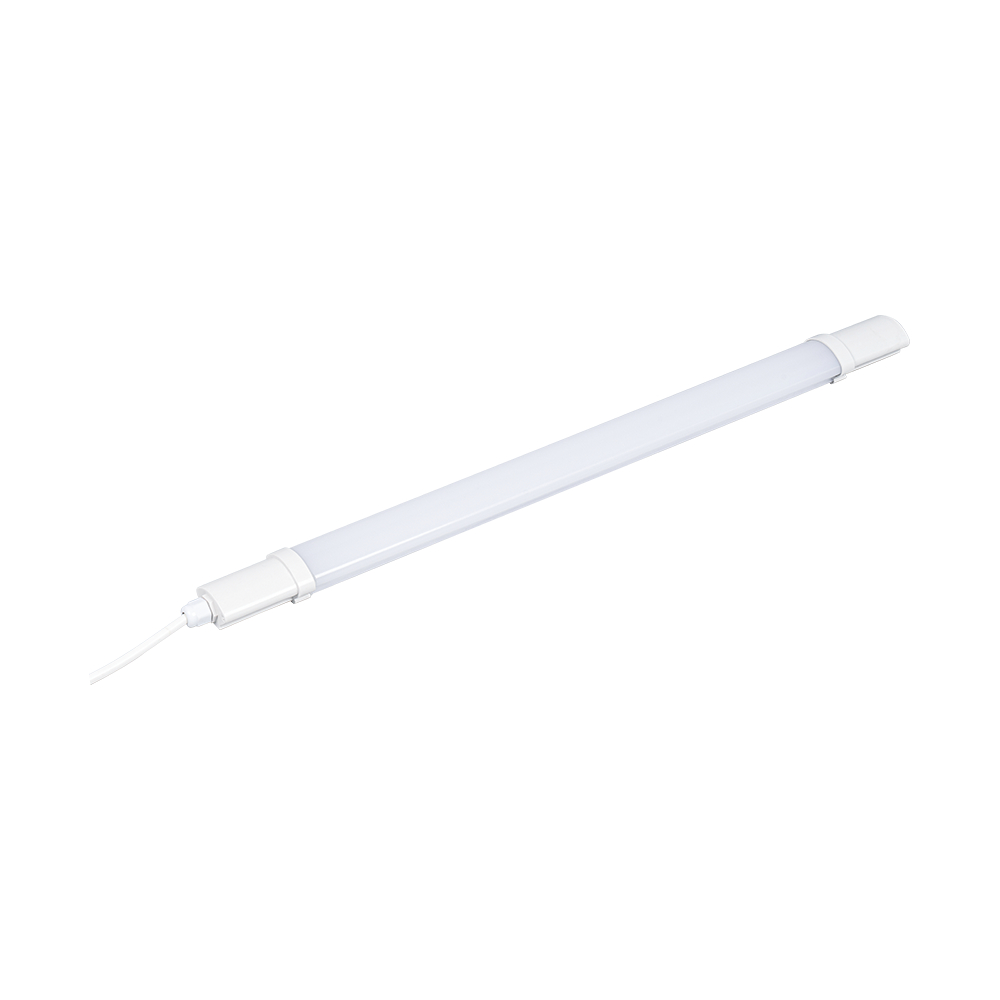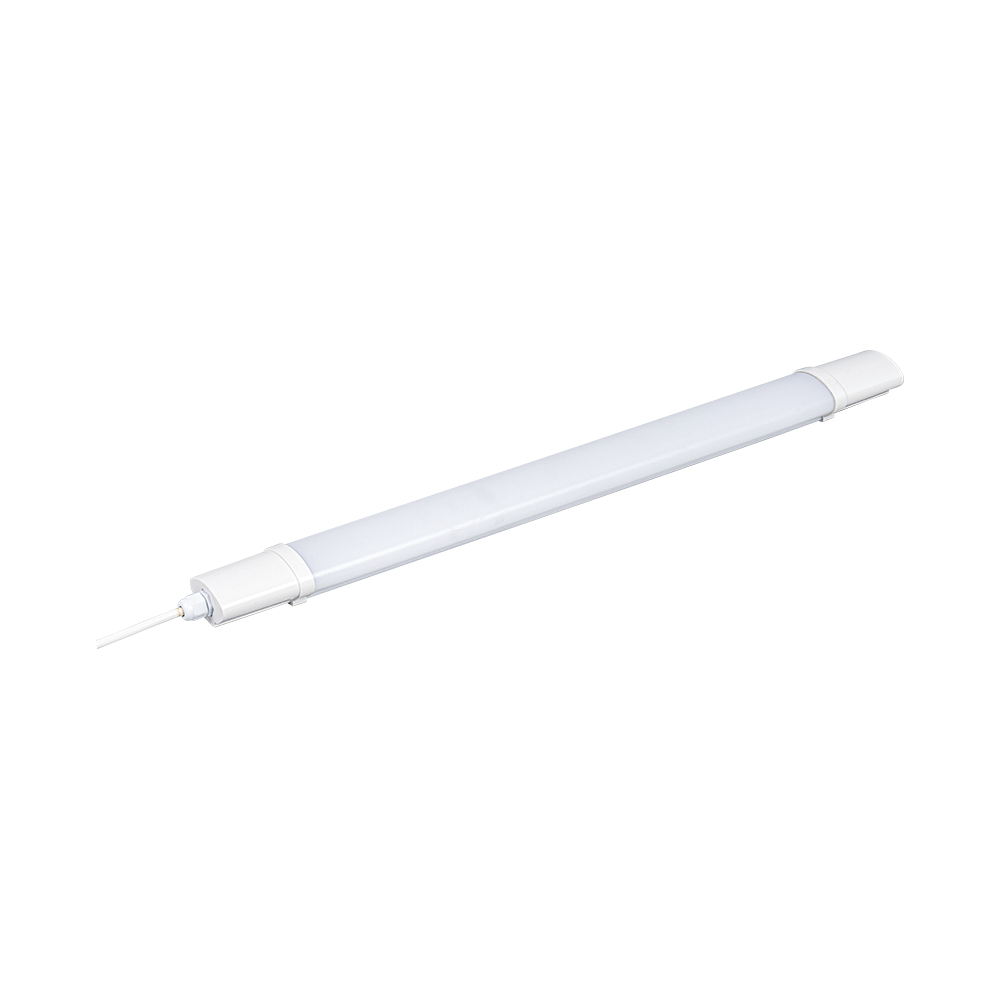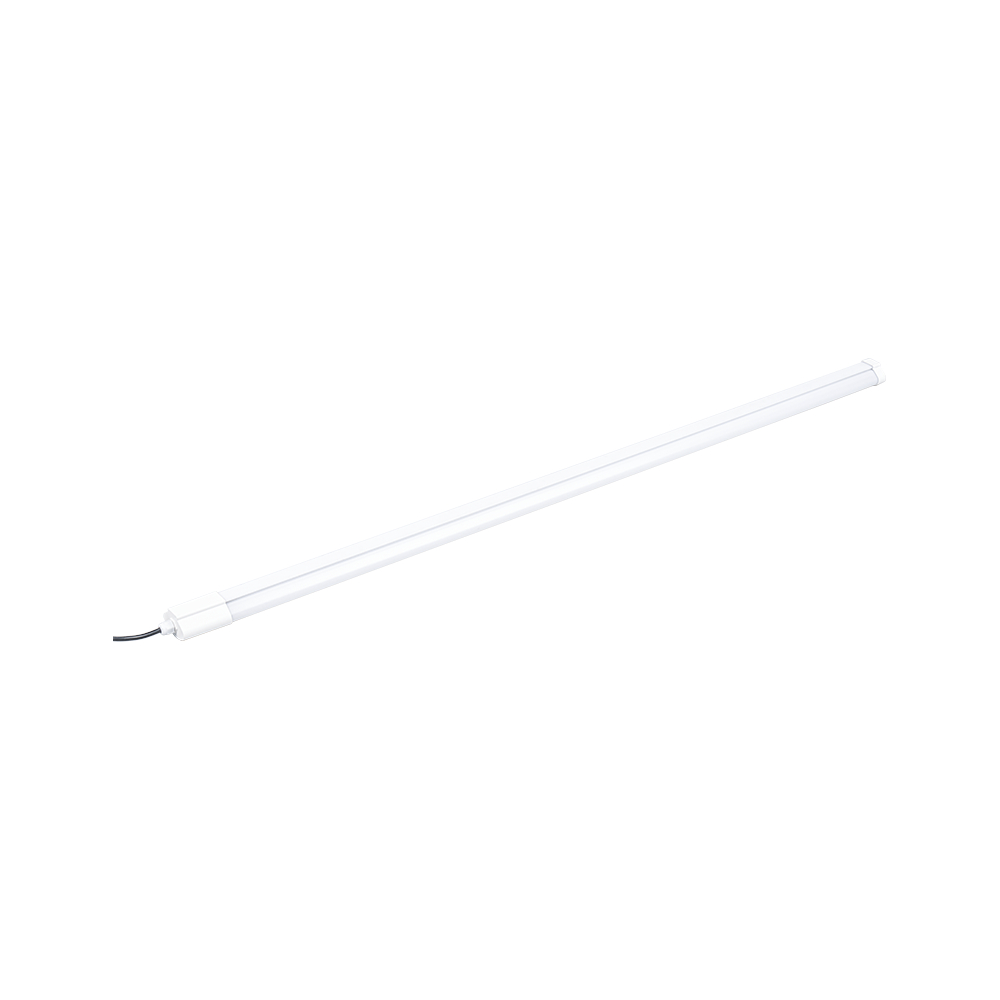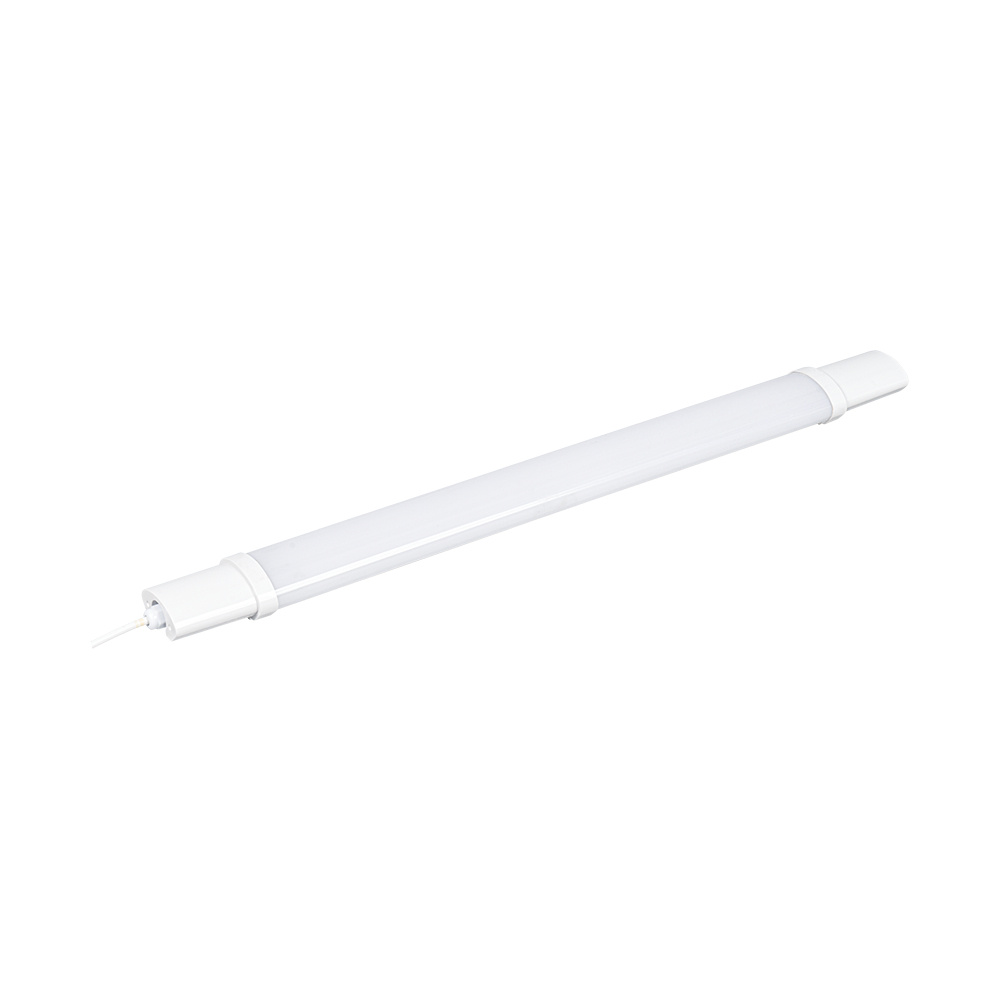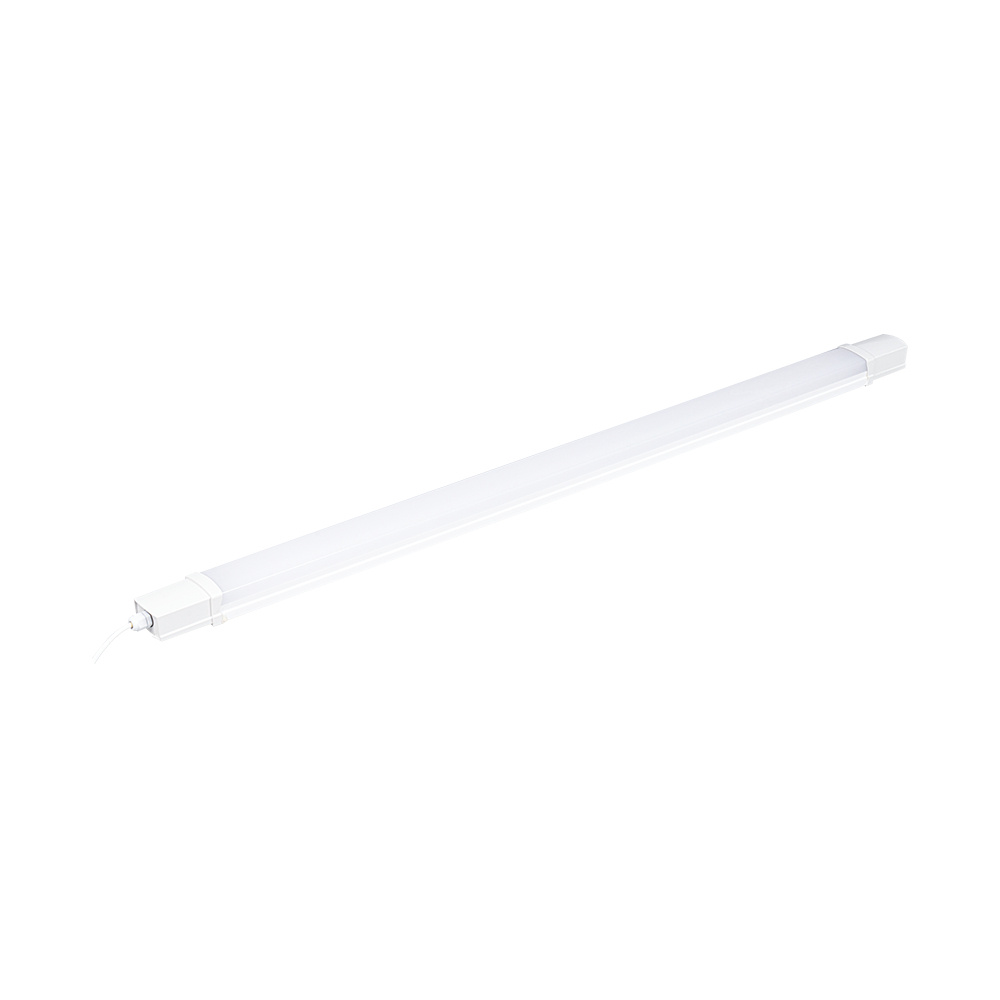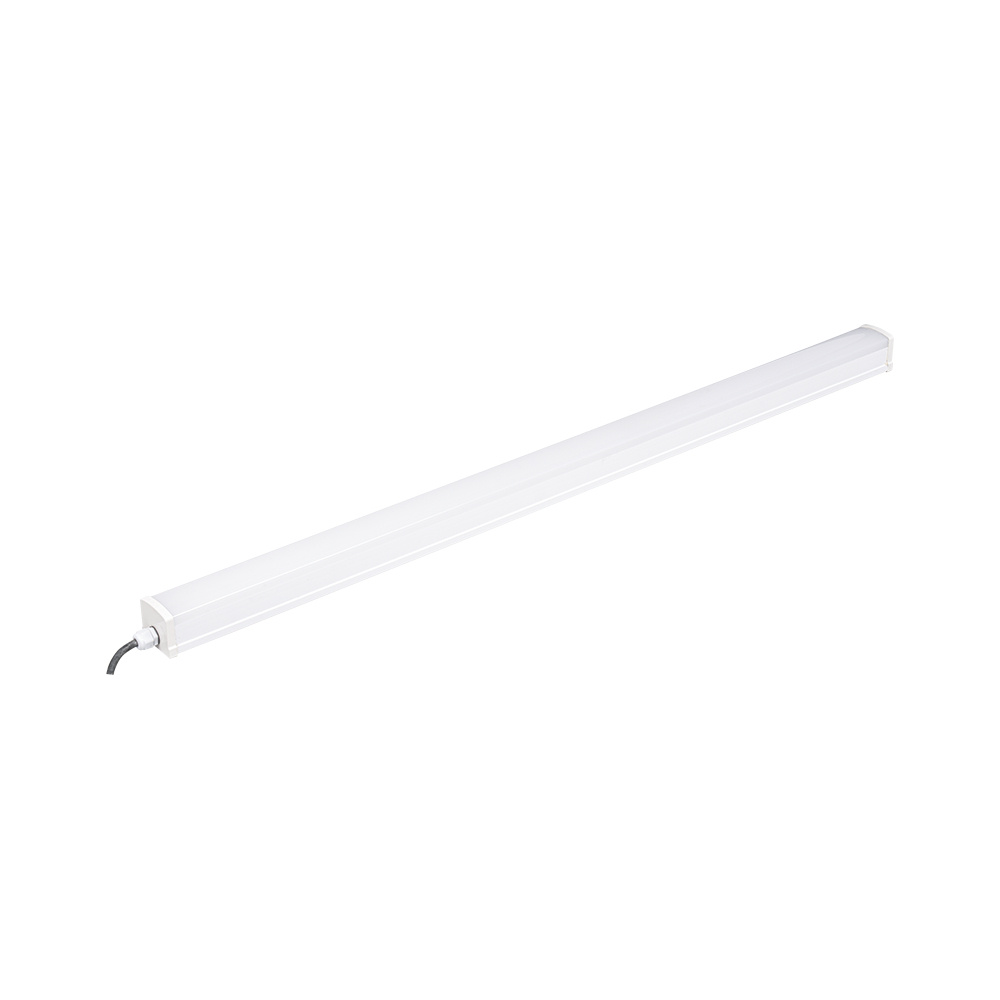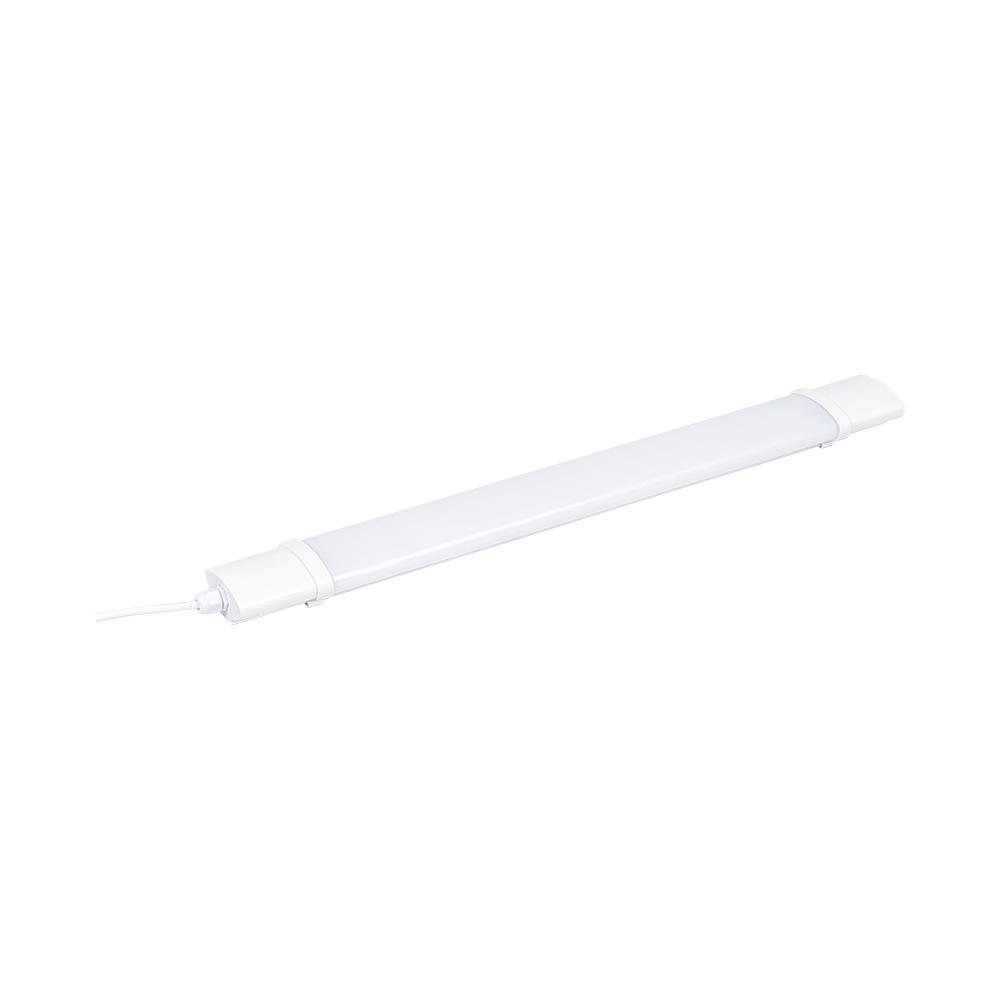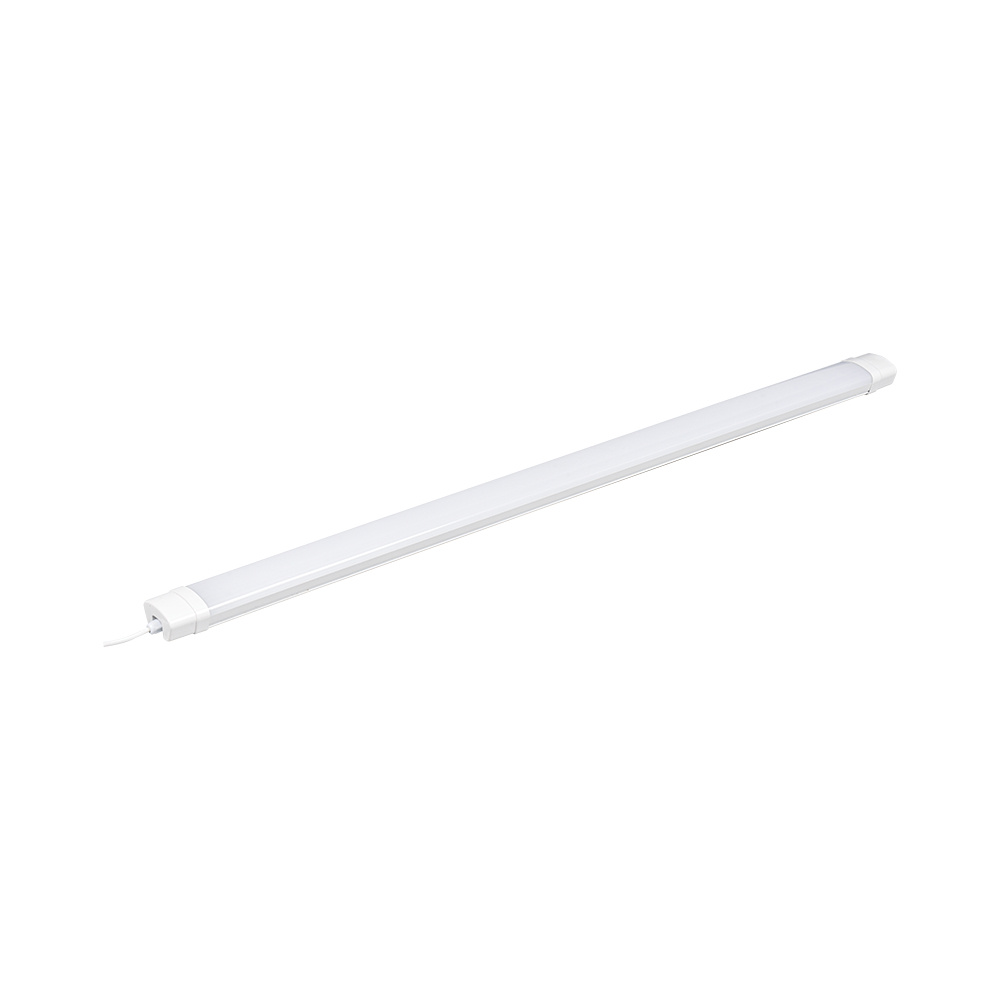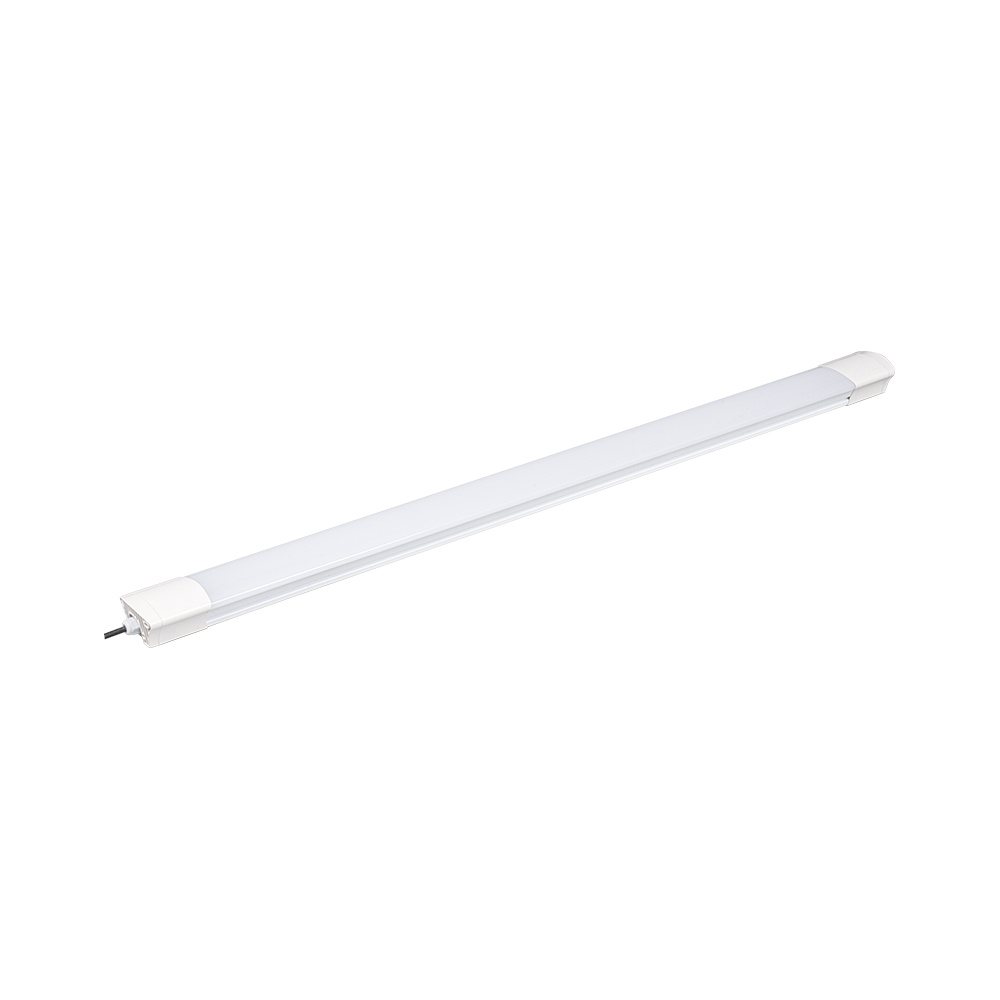
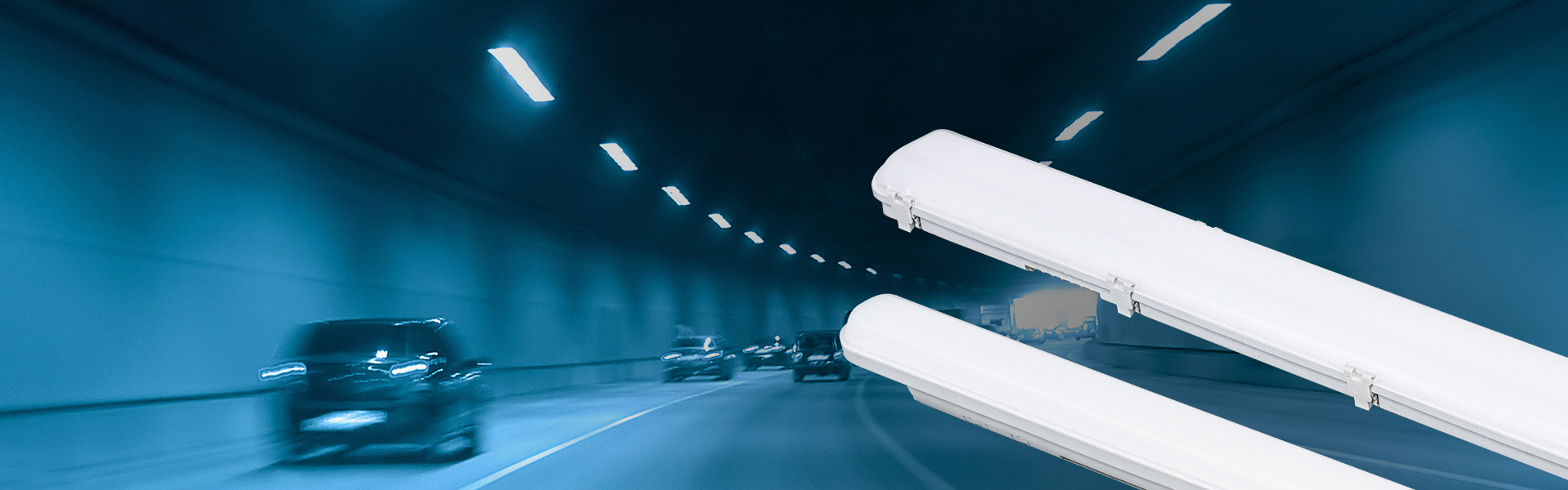
Plenty of spaces deal with moisture, dust, or rough weather on a daily basis, and that's where regular lights often run into trouble. A bit of humidity, a splash of water, or just outdoor wind and rain can make ordinary fixtures fail pretty quickly. Next thing you know, bulbs burn out too soon, connections get spotty, or the whole unit stops working altogether. Whether it's a home, an office, a factory floor, or an outdoor walkway, having lights that stay on reliably makes a huge difference for everyday jobs and general ease.
That's where waterproof fixtures come into the picture. They're built to handle those tricky conditions without constant headaches. Wet areas, steamy rooms, or dusty corners don't faze them much, so breakdowns drop way down and everything runs smoother. At home, that means bathrooms and kitchens feel safer and stay brightly lit. In bigger commercial or industrial spots, it translates to work carrying on without sudden dark patches throwing things off.
These kinds of lights simply match what people actually need in real-world settings. Homeowners stop worrying about lights failing in damp spots, and businesses deal with far fewer interruptions. More and more places are switching over because everyone wants lighting that can take a beating and keep going strong.
Content
Ordinary light fixtures do fine in nice, dry indoor spots with steady temperatures. But throw in some water spray, high humidity, or floating dust, and they start having problems fast—openings let stuff inside too easily.
Waterproof models tackle that issue right from the drawing board. Extra barriers, tighter construction, and smarter layouts keep moisture and particles from ever reaching the important parts inside.
The whole approach focuses on solid seals and tougher shells that shrug off whatever the environment dishes out. In regular setups, ongoing exposure tends to dull the light or cut the lifespan short. Protected versions hold steady much longer, so they don't need nearly as much looking after.
All that extra thought in the build takes the hassle out of maintaining lights in harder spots. Weak spots that used to cause trouble turn into reliable areas, and the light itself stays bright and even no matter what's going on outside.
| Feature | Material/Design | Key Benefit | Typical Environment |
|---|---|---|---|
| Outer Casing | Durable plastic or coated metal | Blocks water and dust; holds shape | Bathrooms, outdoor spaces |
| Protective Coatings | Anti-corrosion treatments | Lengthens service in humid areas | Kitchens, industrial zones |
| Sealing Methods | Gaskets, O-rings | Stops leaks and ingress | Garages, wet workshops |
| Transparent Shields | Acrylic or polycarbonate | Keeps light clear while shielding | Poolsides, patios |
| Mounting Design | Elevated or sealed mounts | Reduces pooling; boosts safety | Outdoor walkways, facilities |
The outside of these fixtures usually gets built from hard-wearing plastics or metals that have gone through special treatments. Those materials shrug off bumps, scrapes, and whatever the weather throws at them—rain, wind, or even salty air near the coast. On top of that, many come with extra coatings sprayed or applied during production. Those layers fight off rust and slow down the damage that constant dampness can cause.
Around the edges and joints, manufacturers rely on things like rubber gaskets or O-rings to seal everything tight. Once installed properly, hardly any water or fine dust can sneak inside to reach the wiring or light source. The front cover—the part that lets the light out—is typically made from thick acrylic or polycarbonate. These plastics stay clear for years, resist cracking, and still keep the inner parts fully shielded.
How the fixture gets mounted also plays a big role. Many designs raise the unit slightly or angle it so water runs off instead of pooling underneath. Some even include drainage channels or sealed entry points for cables. All these small details add up. Over time, the light stays bright and even, with far less yellowing or fogging on the cover, and the whole unit holds together without loosening or corroding.
Picking the right combination of materials really shows in day-to-day use. A well-thought-out fixture can sit in a steamy bathroom or an outdoor walkway for years and still look and work like new.
At home, these lights feel completely natural in bathrooms and kitchens where steam and splashes happen all the time. Out on patios, balconies, or garden paths, they handle rain and morning dew without blinking. Homeowners often install them over sinks, in showers, or along driveways, knowing they won't need to worry about frequent replacements.
In commercial settings, restaurants and cafes use them in kitchens and wash areas. Retail shops with cold-storage rooms or high humidity from lots of foot traffic find them helpful too. Even office buildings with basement parking or rooftop access points benefit from the extra toughness.
Factories and warehouses probably see the biggest advantages. Places where floors get hosed down regularly, or where dust from materials floats in the air, need lighting that simply keeps going. Workshops with cutting fluids or chemical splashes rely on these fixtures to stay operational shift after shift.
Public areas like parking garages, playgrounds, covered walkways, and tunnels also depend on them. Steady, bright light in those spots helps people move around safely, especially at night or in bad weather. Fewer dark corners or sudden failures mean fewer trips, slips, or accidents.
Across all these locations, the common thread is smoother daily routines. The lights stay on when needed, and maintenance crews spend less time climbing ladders to swap out failed units.
Most modern waterproof fixtures come ready to work with low-energy light sources that produce plenty of brightness without pulling much power. Day after day, that lower draw adds up to noticeable savings on electricity bills, especially in places that stay lit for long hours.
Because the seals and materials hold up so well, breakdowns happen far less often. That means fewer emergency call-outs, fewer replacement parts to buy, and less downtime while waiting for fixes. Over the years, the initial purchase price gets spread across a much longer service life.
The sturdy construction also avoids the hidden costs that come with regular fixtures in tough spots—things like repeatedly paying electricians to open ceilings or walls to replace damaged units. Once installed, these fixtures tend to just keep running quietly in the background, delivering light without extra expense.
Everybody knows water and electricity are a bad combination. If moisture gets to the wires or connections inside a regular light fixture, trouble starts fast—rust builds up, sparks can fly, or the whole thing shorts out and quits.
Waterproof fixtures stop that problem right from the beginning. They keep all the electrical bits completely dry and cut off from the outside air. Tight seals around where the cables come in, plus sealed-off sections inside, block dampness from creeping in and settling.
The parts themselves often get made from materials that don't rust easily, and many have protective coatings that fight off slow damage from humidity. Put it all together, and electrical problems are far less likely to show up as the years go by.
In places like busy restaurant kitchens, factory floors, or outdoor setups, this extra layer of protection really matters for the people working there. Lights don't flicker because of corroded contacts, and they don't suddenly go dark when somebody needs them most. When the maintenance crew comes around to inspect or clean, they can open things up without worrying about finding a mess of rust or water inside.
All those thoughtful safeguards give real peace of mind. The whole lighting setup turns into something dependable—something that just keeps working safely, no matter how wet, steamy, or dusty the surroundings get.
Factories keep finding new ways to shape and size these lights so they fit almost anywhere without fuss. Thinner, low-profile versions slide neatly into home ceilings or tight spaces, while tougher, bulkier models cover big open areas like warehouses without looking out of place. Most now come with straightforward brackets or quick-release clips that cut installation time and make later tweaks a lot simpler.
Extra features such as motion detectors or simple timers show up more often these days, and the good ones manage to add those without weakening the water resistance at all. Materials have gotten better too—clear plastics that stay clear longer under sunlight, coatings that handle strong cleaning agents without peeling or fading.
Some newer models include tiny pressure-equalizing vents that let air move in and out as temperatures change, but still keep water completely out. That small addition takes stress off the seals and helps everything last longer. Other designs go modular, so if one part ever gets damaged, it can be swapped out without throwing away the entire fixture.
All these down-to-earth improvements make the lights much easier to install and live with over time. They go up faster, need less fiddling later on, and keep delivering steady, reliable light for years.
Start by looking closely at the actual conditions the light will face. Is it mostly steam, occasional splashes, constant outdoor rain, or fine dust? Different levels of exposure call for different levels of protection.
Appearance matters too, especially in homes or customer-facing areas. Luckily, many sturdy options now come in cleaner, simpler looks that blend in rather than stand out.
Check whether the fixture will work with existing wiring, bulbs, or mounting points. Some spaces already have tracks or recessed openings that limit choices.
Also consider how easy the surface will be to wipe down, and whether the cover opens without special tools for occasional cleaning. Planning for those small details up front avoids headaches later.
Matching the fixture closely to the real environment usually leads to the most satisfying results.
Because these fixtures last much longer in tough conditions, far fewer end up in landfills over time. One well-made unit can do the job of several shorter-lived ones.
Many of the plastics and metals used can be recycled at the end of their very long service life. Some manufacturers choose materials with lower production impact from the beginning.
In building projects aiming for greener certification, reliable waterproof lighting helps meet durability and waste-reduction goals without sacrificing performance.
Choosing options that keep working year after year quietly supports lighter resource use overall.
New material combinations keep appearing that offer even tougher barriers against water and wear. Smarter controls for turning lights on only when needed are likely to become standard in more models.
Outdoor and high-humidity applications will probably see broader adoption as costs come down and designs improve. Integration with building management systems for monitoring and energy tracking feels like a natural next step.
Overall, these fixtures look set to play a bigger role in creating spaces that are both resilient and resource-conscious.
Waterproof fixtures deliver consistent, trouble-free illumination where ordinary ones would struggle. They combine lower running costs, improved safety, genuinely long-lasting construction, and environmentally friendlier traits into one package.
Taking the time to select units that truly suit the conditions turns the purchase into a straightforward, long-term investment. The lights go up, do their job reliably for years, and quietly pay for themselves through fewer headaches and lower bills.
As a brief note, CIGE factory specializes in producing high-quality waterproof LED fixtures designed for demanding environments. With years of experience in manufacturing durable and efficient lighting solutions, CIGE offers options that prioritize reliability and performance for residential, commercial, and industrial applications.For more information and product options, visit Cige at https://www.cigelighting.com.
It is focused on the overall solution of dry bulk material port transfer system,
research and development, manufacturing, and service.

+ 86-158 6784 4739
garrick@cigelighting.com
+ 86-574 5896 6613
No. 332, Yizidi, Zhoutang west village. Zonghan street, Cixi, Ningbo, Zhejiang Province, China
Copyright © Ningbo Cige Photoelectric Technology Co., Ltd. All Rights Reserved. Triproof Light Manufacturer