Running any kind of industrial operation means dealing with a lot of moving parts, and lighting is one of those things that can quietly cause big problems if it's not handled right. Over time, people who manage factories, warehouses, or other heavy-duty sites learn that lights aren't just about seeing clearly—they have to hold up under conditions that would wreck ordinary household bulbs in no time.
Content
Industrial places aren't gentle on equipment. Water from washing floors or steam from processes gets everywhere. Dust from cutting materials or handling bulk goods settles on everything. Machines running all day send vibrations through the building, and forklifts or carts occasionally clip overhead fittings. Standard lights just aren't made for that kind of treatment.
Old-style tube lights start flickering after a few months because moisture creeps in, or they shatter when something bumps them. Crews end up spending more time swapping out failed units than they'd like, and production slows while someone climbs a ladder in the middle of a shift. In loading areas exposed to weather, cold mornings or hot afternoons make seals crack and connections fail faster. Dark corners appear where light used to be even, and suddenly workers are squinting to read part numbers or spot trip hazards.
On top of reliability troubles, power bills add up quickly when lights run inefficiently around the clock. Older types also create extra heat that air conditioning has to fight, and when they burn out, disposal isn't always straightforward. All these factors push managers to look for something that can take the punishment without constant attention.
When lighting works well and stays consistent, the whole operation feels smoother. People can move confidently without second-guessing where obstacles are. Reading instructions or checking quality becomes quicker and less tiring. Fewer mistakes happen on the line, and accident risks drop because hazards stand out clearly.
Shifts that run late feel less draining when the space stays properly lit. Teams stay more alert, and morale holds up better. For the business side, steady output without interruptions from failed lights means deadlines are easier to hit. Reliable systems also keep maintenance predictable, so budgets don't get surprise hits from emergency replacements.
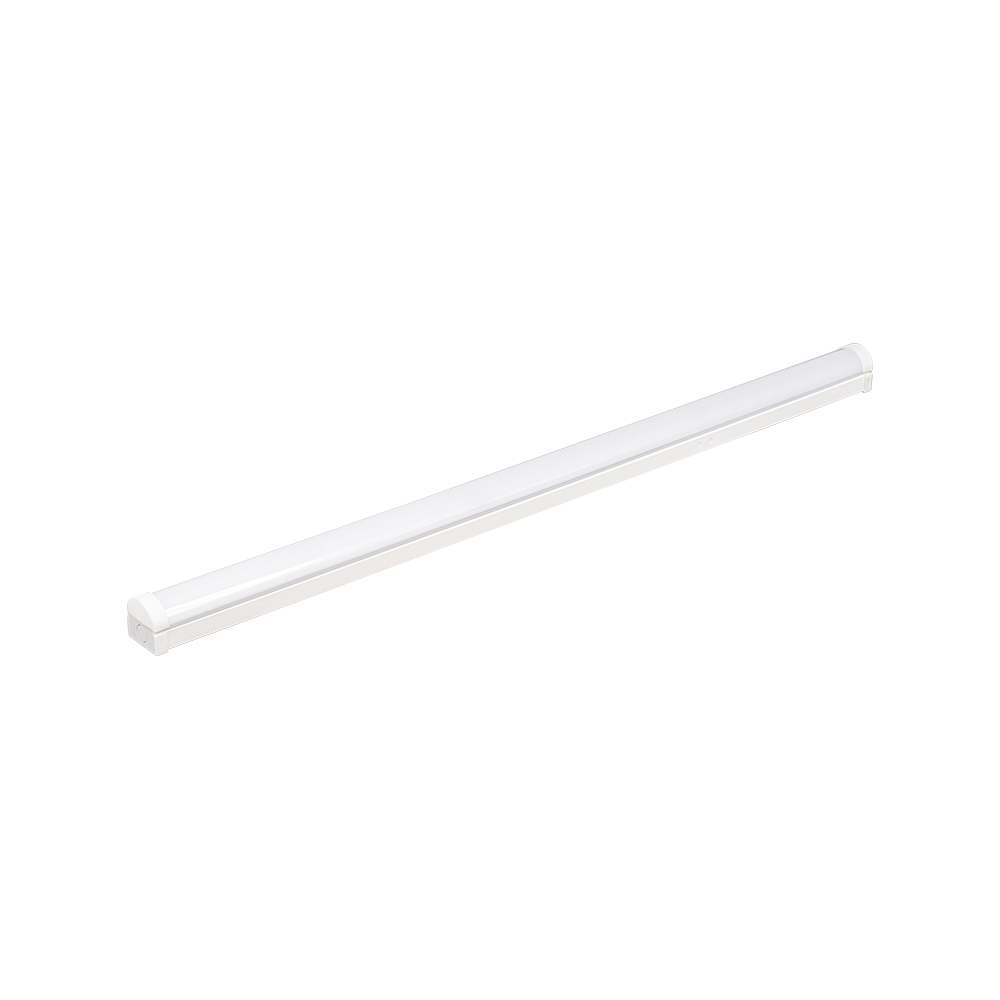
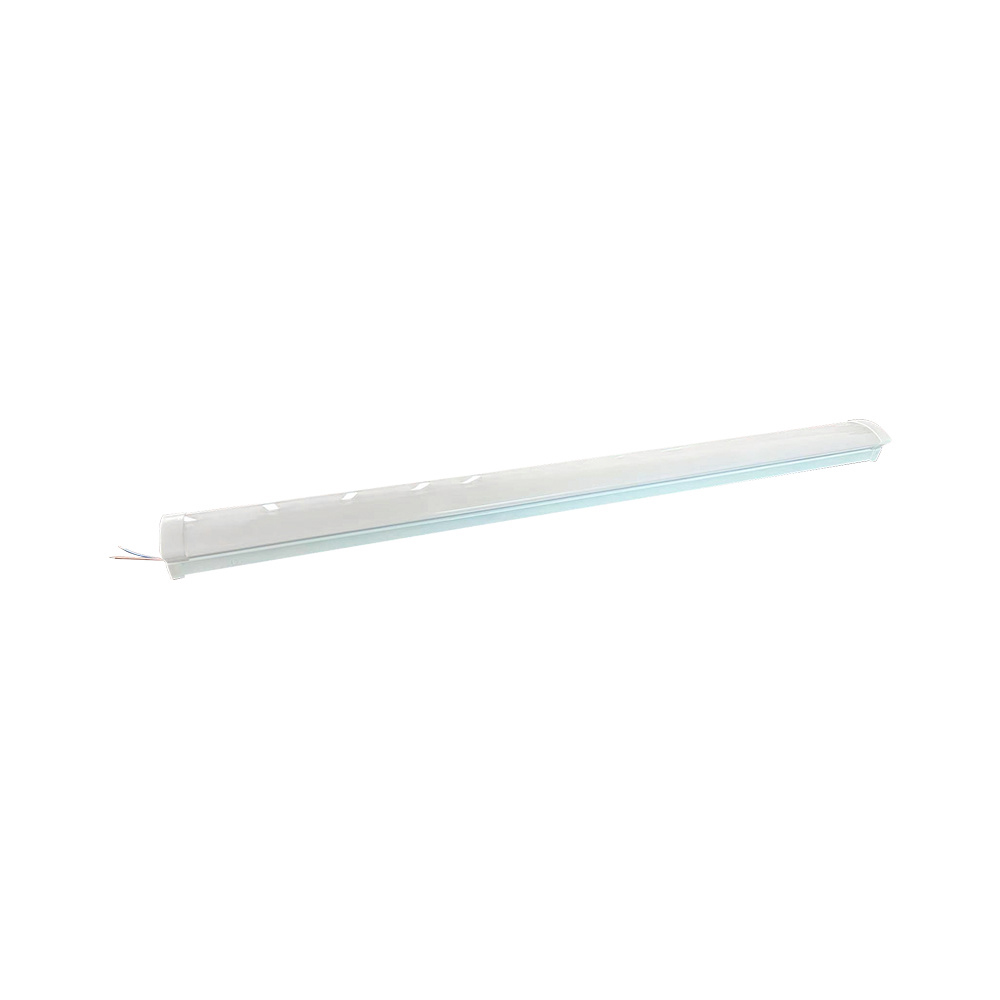
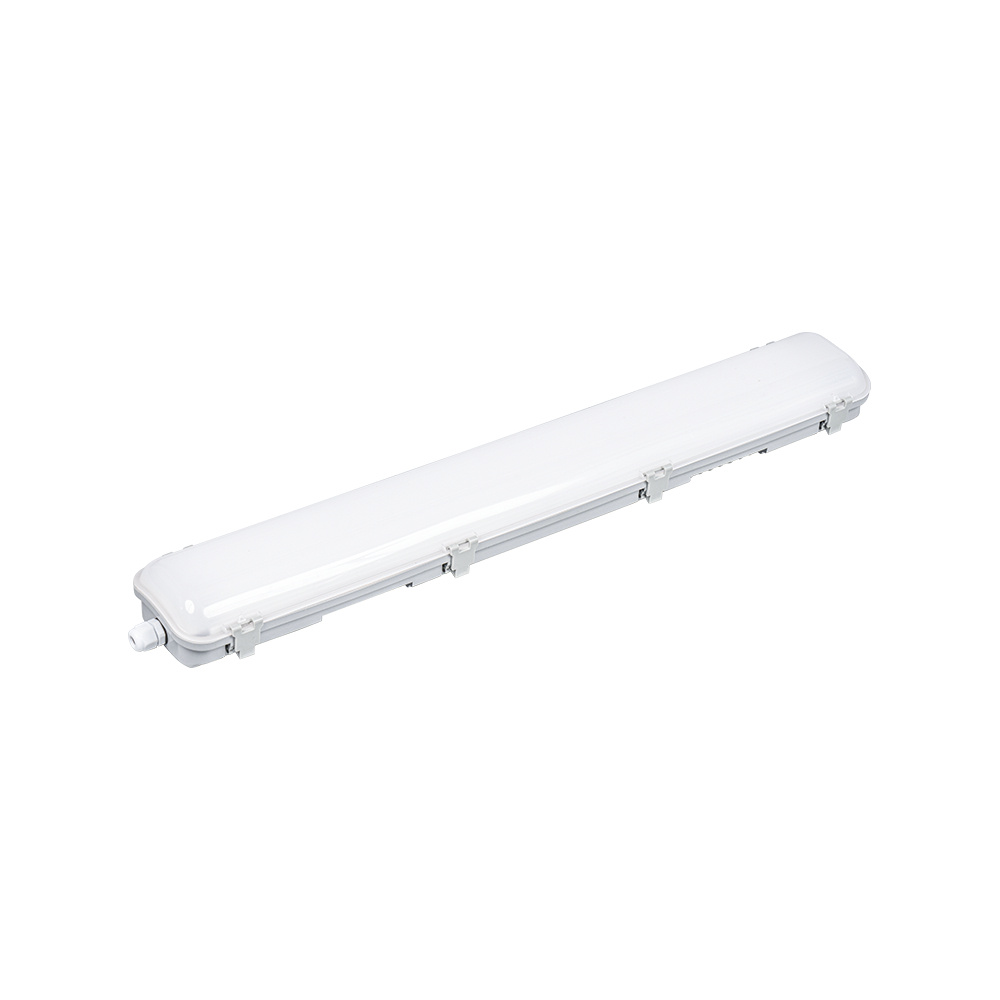
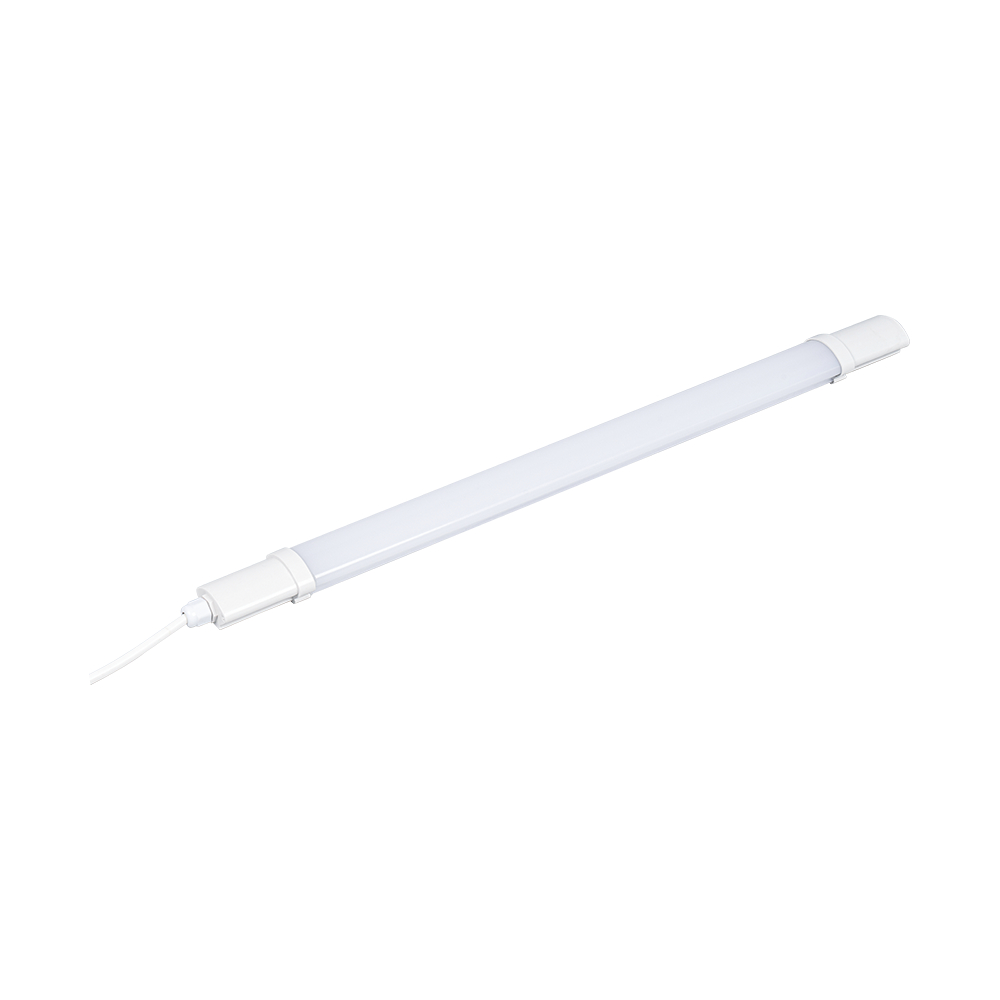
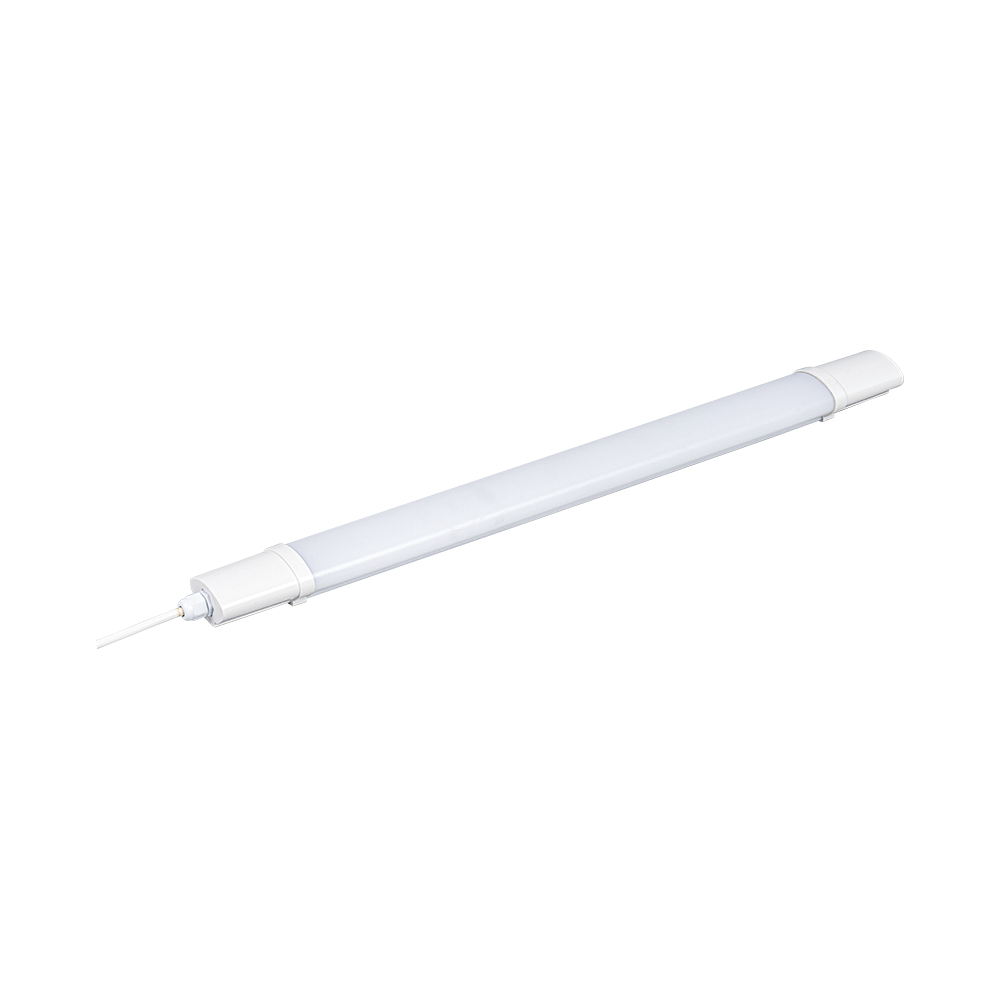
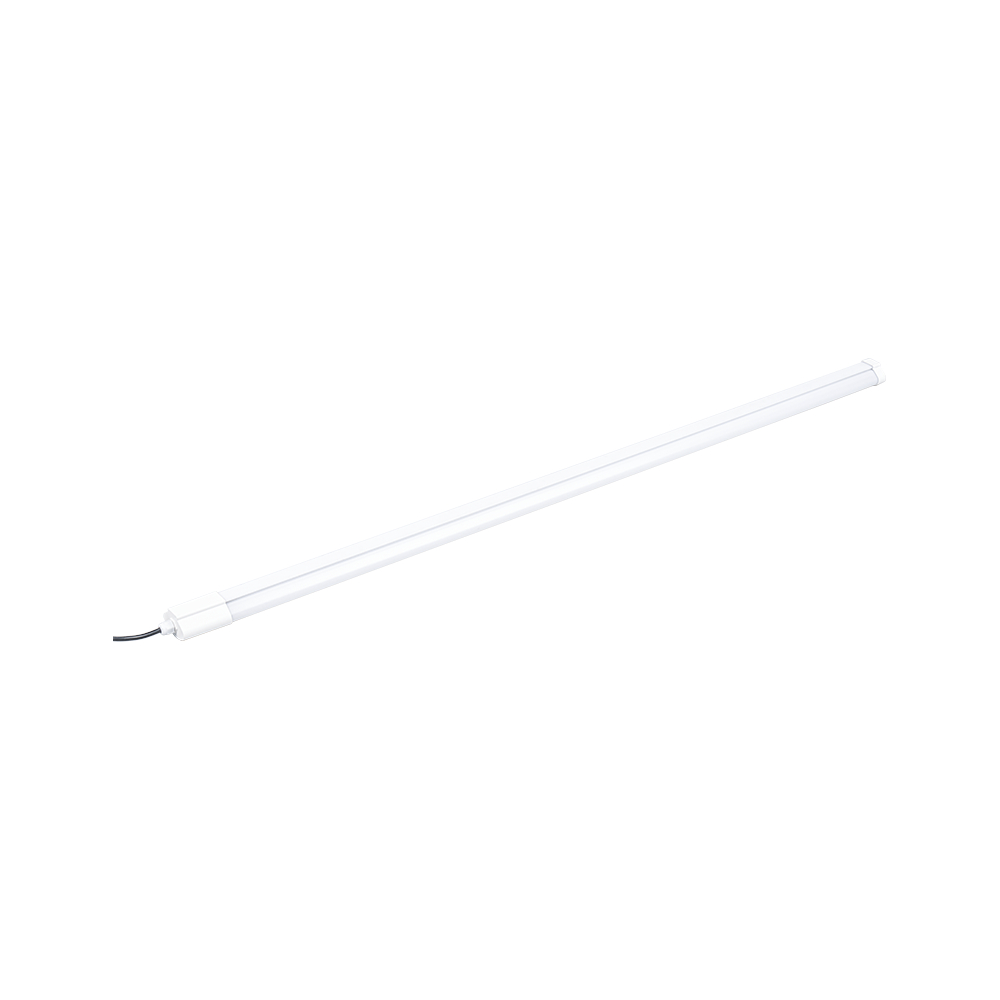
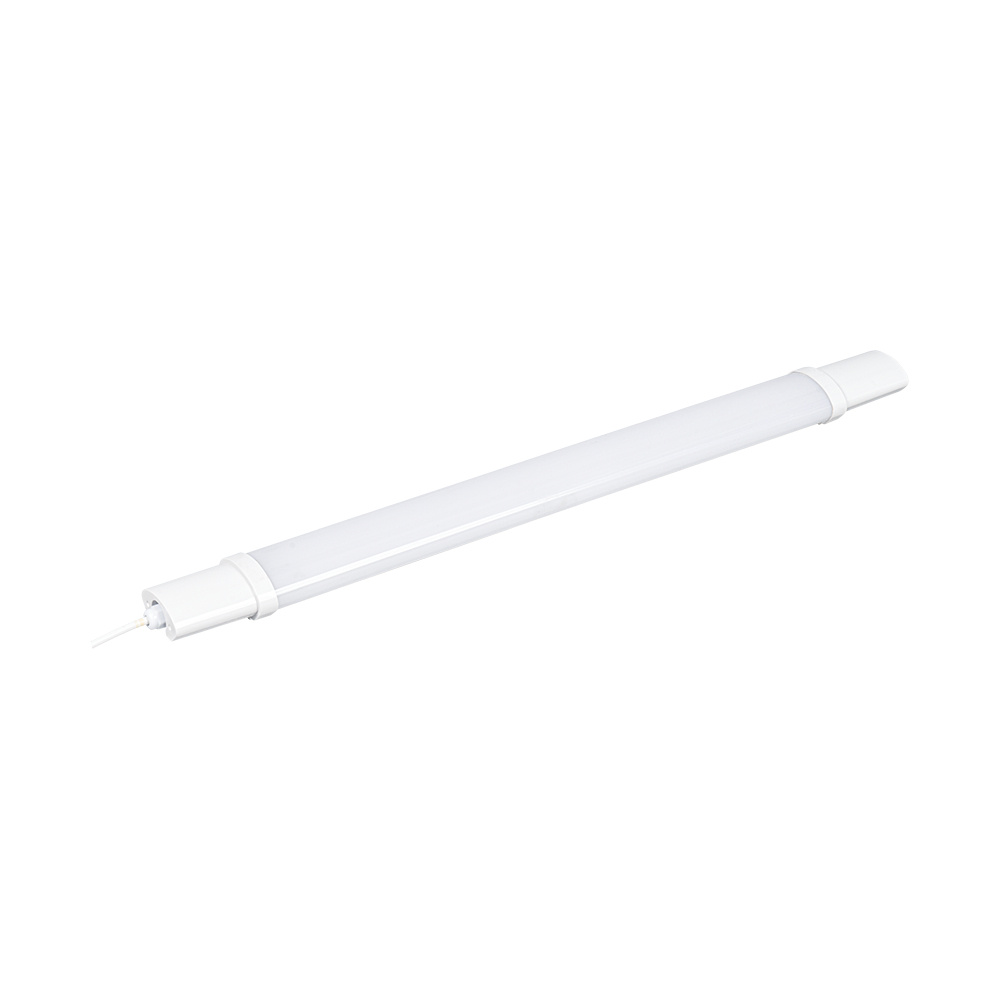
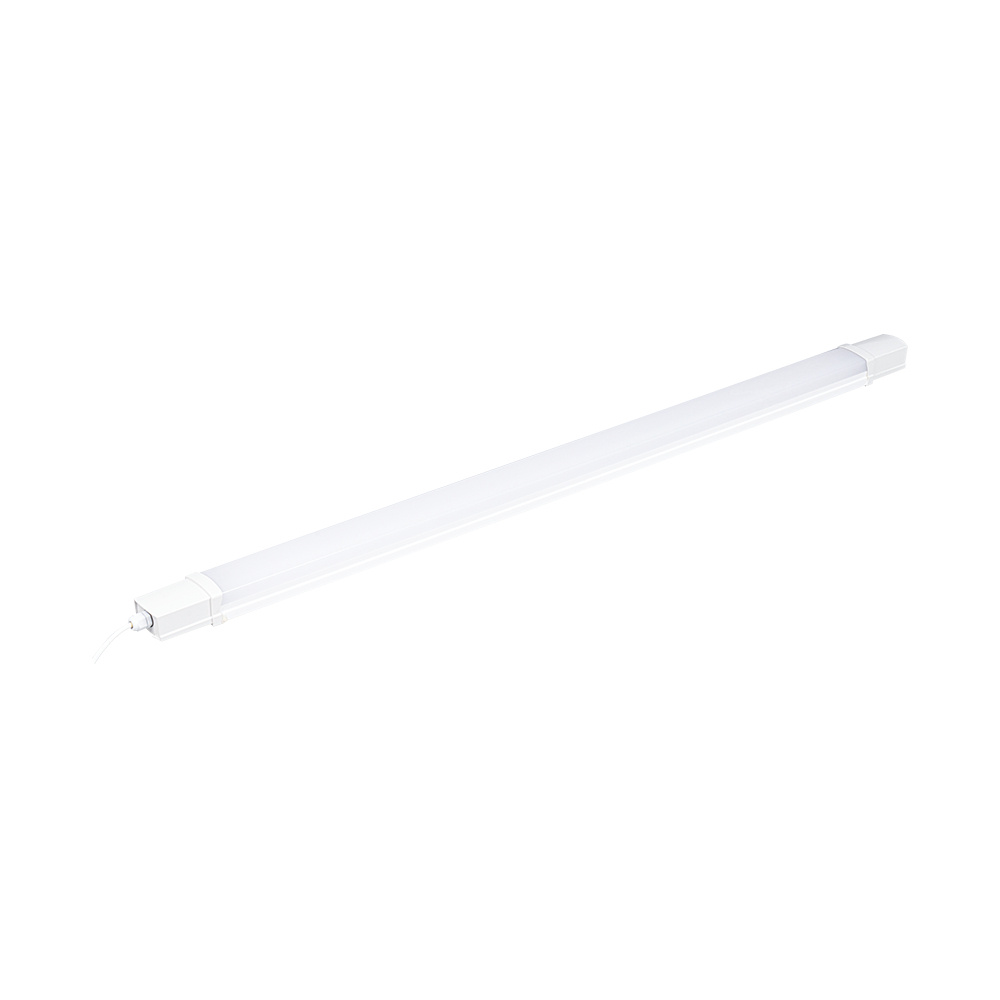
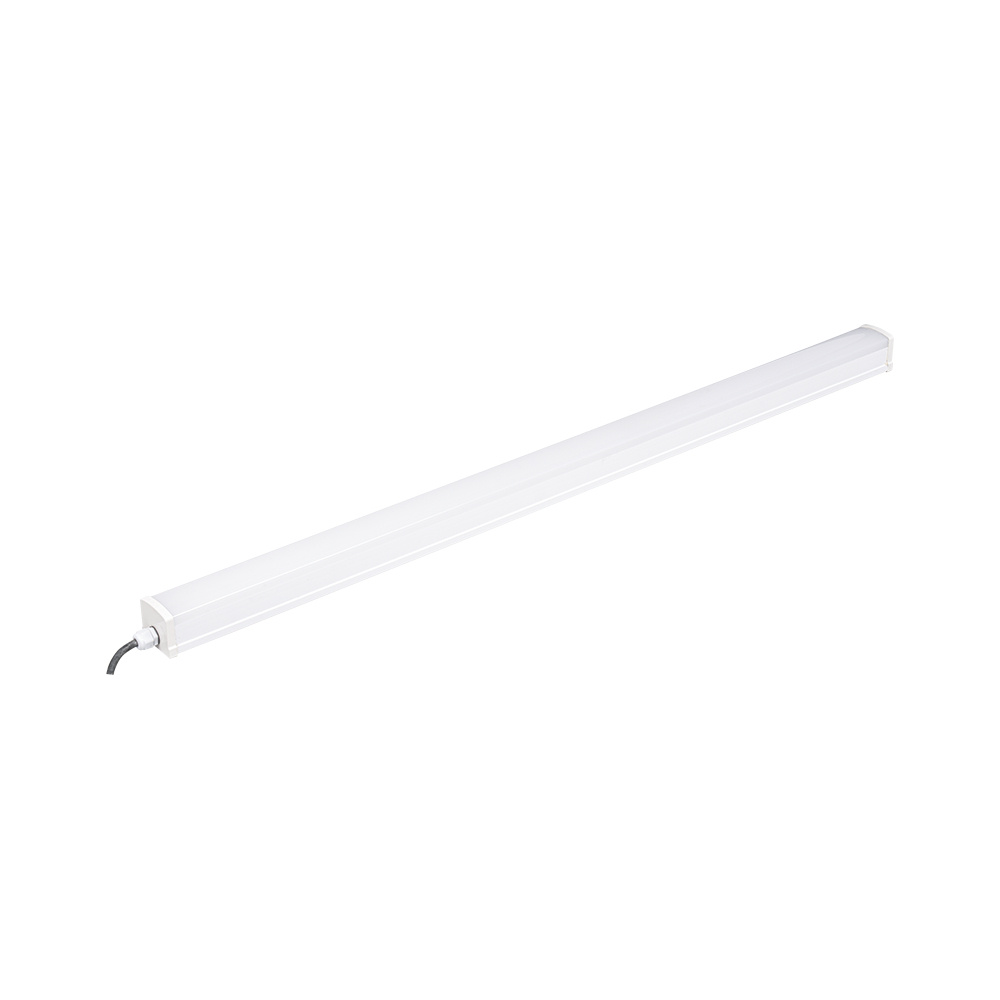
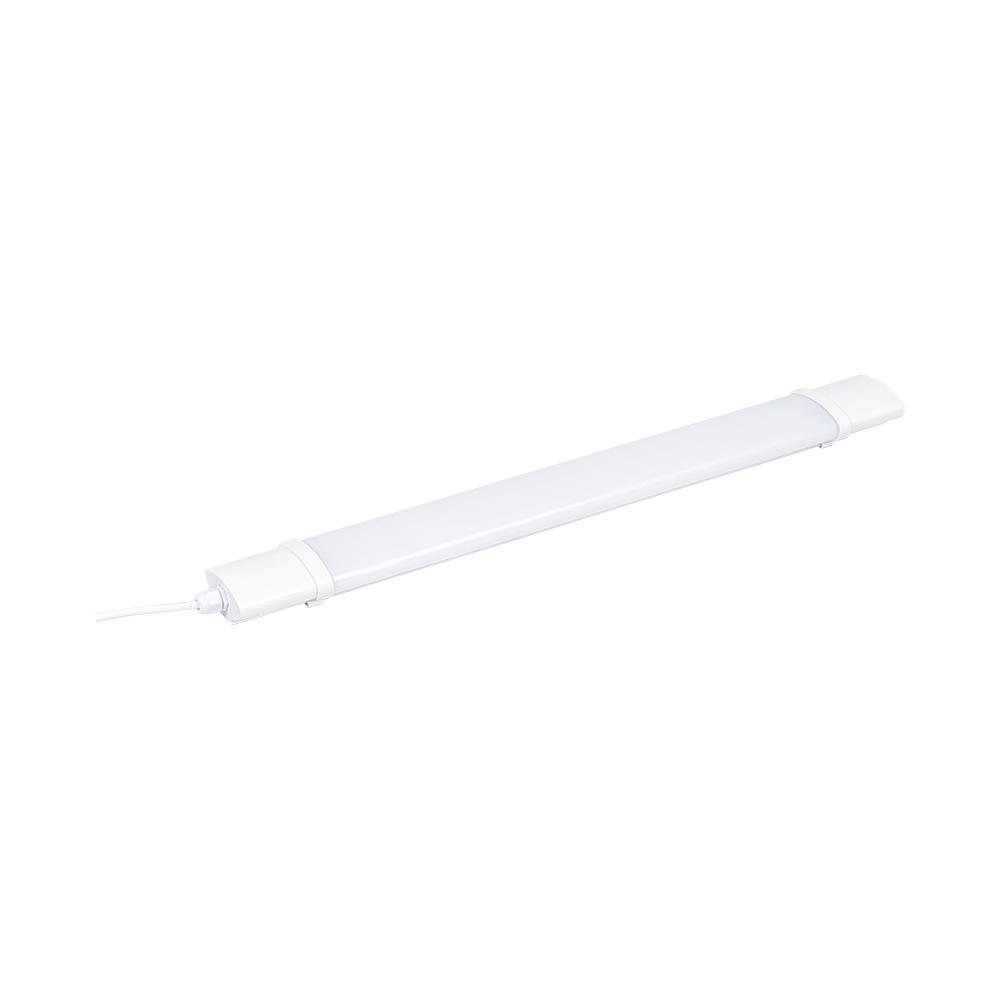
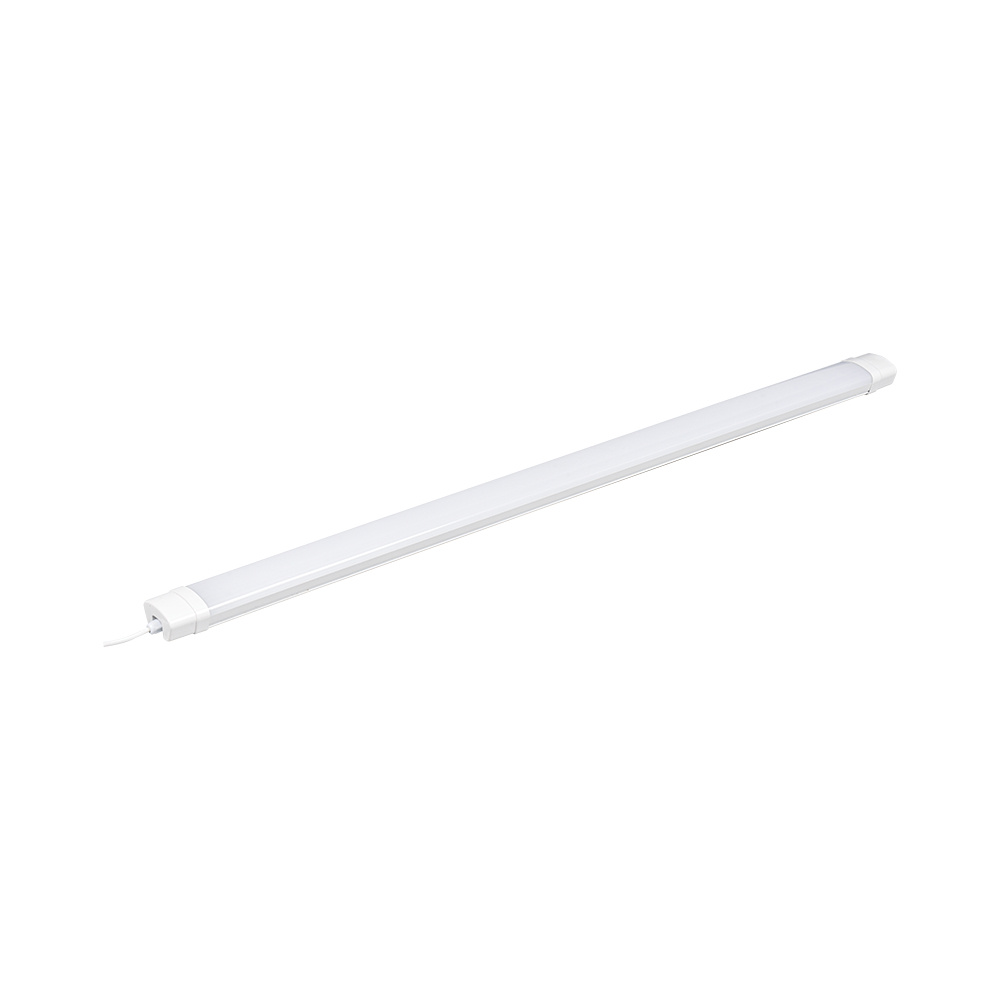
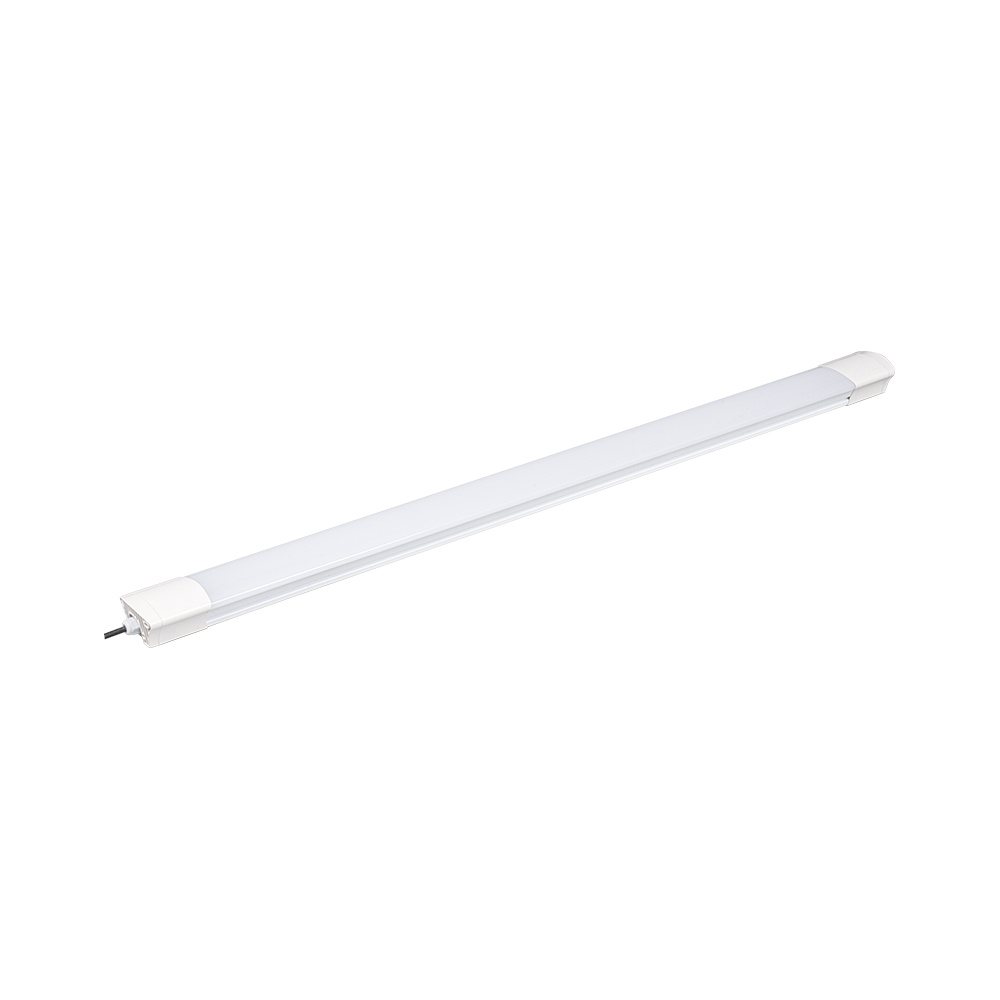
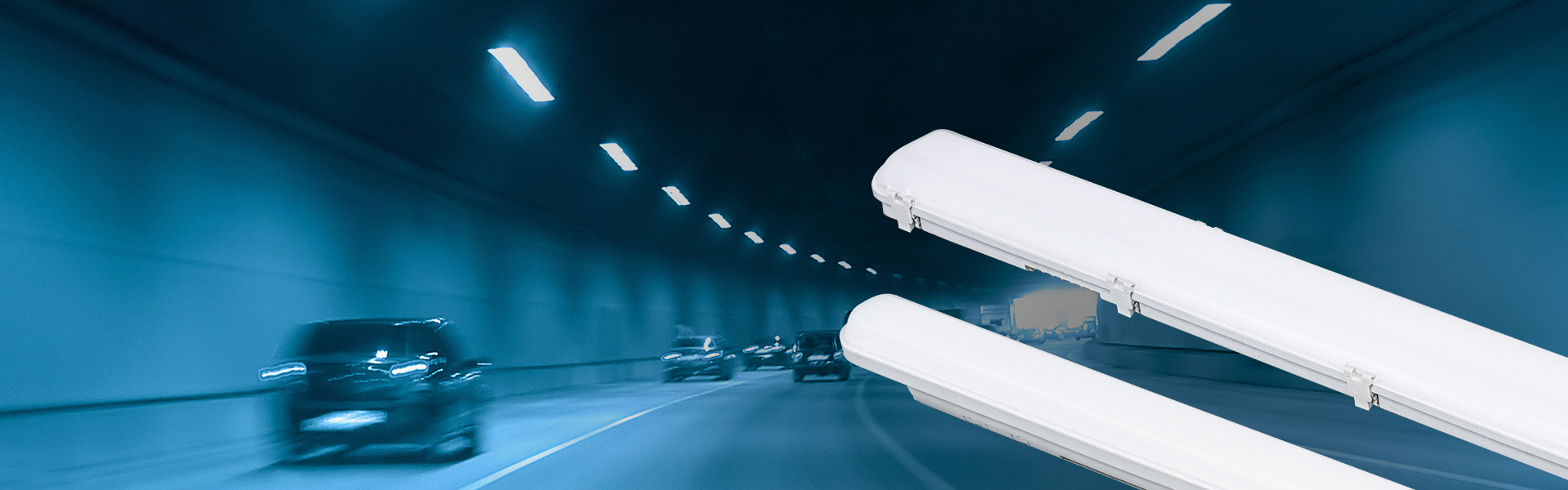
Out of the various options on the market, the 36W LED Triproof Light has proven useful in spots where regular fixtures struggle. It's built with practical protections that match what actually happens on site.
Triproof simply means the fixture guards against three common threats: water, dust, and knocks. The housing seals tightly, and the materials chosen resist corrosion from damp air or cleaning chemicals. Internal parts stay secure even when the building shakes from equipment or traffic.
This kind of construction comes from listening to what breaks most often in real facilities. End caps reinforce weak points, gaskets block fine particles, and the overall shape sheds water instead of trapping it. In daily use, that translates to lights that keep working through floor washes, dusty seasons, or busy shifts with lots of activity.
Power draw stays lower than with older styles, which makes a noticeable difference on monthly statements, especially in larger areas running long hours. Less energy wasted as heat also helps keep the space cooler.
The units themselves last much longer before needing attention. Fewer burnt-out components mean maintenance crews aren't constantly responding to calls about dark sections. Waste from discarded fittings drops as well.
Environmentally, there's no worrying about restricted materials when it's time to replace anything. The whole package supports efforts to run facilities more responsibly.
| Feature | 36W LED Triproof Light | Older Fluorescent Tubes |
|---|---|---|
| Handling moisture | Copes with splashes and humid air | Often fails when damp |
| Dust buildup | Stays sealed against particles | Light output drops as dust collects |
| Resistance to impacts | Holds together after bumps | Glass or ends break easily |
| Power usage | Draws less overall | Higher consumption and more heat |
| How long they last | Extended run before replacement | Need changing more often |
| Upkeep requirements | Simple wipe-downs sufficient | Frequent tube and starter swaps |
| Disposal considerations | Straightforward recycling | Special handling for certain materials |
The design flexibility means they fit naturally in quite a few settings.
Production halls and warehouses keep moving all day. Equipment rolls around aisles, overhead cranes swing loads, and cleaning happens regularly. Lights along walkways or over workbenches need to throw even coverage without creating glare or shadows.
Staff often mention how much easier it is to spot small parts or read labels once the switch is made. Forklift operators appreciate clearer views when stacking high.
Lower levels deal with vehicle fumes, dripping condensation, and the occasional scrape from mirrors or bumpers. Steady illumination helps drivers find spaces quickly and navigate ramps safely.
Facility teams report fewer complaints about dim areas after upgrades, and security patrols find their rounds less strained.
Down in parking garages and underground passages, things get rough for lights. Cars roll in wet, dripping water off tires and chassis. Cold concrete sweats condensation all the time. Cleaning crews blast hoses at night, splashing everything. Exhaust hangs heavy, and brake dust coats surfaces fast, turning clear covers murky.
Mirrors clip walls on tight turns, doors swing out and bang fittings. Old lights dim quick or break from little hits.
With solid triproof ones, light stays even longer. Drivers spot empty spots and markings right away, drive ramps without worry. Fewer dark corners mean less hassle for staff and easier shifts for security.
Freezer storage and processing areas swing between extreme cold and warm washdowns. Materials that handle temperature changes without cracking are essential, along with surfaces that clean easily.
Workers value having consistent light when checking inventory in frosty conditions or inspecting products under steam.
Controlled environments need both durability and cleanable surfaces. Procedures require accurate visibility without distracting flicker.
Maintenance staff like that dust doesn't settle inside housings, making routine sanitizing straightforward.
The thoughtful details built into these fixtures help them fit real layouts.
People who install and maintain lights in factories or warehouses always appreciate when things are straightforward. These triproof fixtures come with a few practical touches that save time and headaches on the job.
Robust outer bodies paired with effective gaskets give peace of mind in tough spots. Reinforced sections absorb everyday contacts, keeping internals protected.
The housing is made from thick plastic or a mix with aluminum parts, so it doesn't dent or crack easily when a forklift brushes past or someone leans a ladder against it. The ends are beefed up where most bumps happen. Gaskets run all the way around the cover and at every entry point for wires—simple rubber rings, but they do the job. Once clipped shut, water from floor washing or condensation can't sneak in, and dust stays out too. Electricians say they rarely find corrosion inside even after a couple of years in damp areas. The whole thing just keeps running without needing constant checks.
Options range from chain suspension in high bays to direct wall or ceiling attachment. Adjustable brackets and quick links let installers adapt quickly to whatever the building offers.
In tall warehouses, you can hang them from chains or hooks—most come with stainless clips ready to go. For lower ceilings or along walkways, there are slots for direct screw fixing, or simple brackets that tilt a bit if the surface isn't perfectly level. Some versions have slide-in rails so you can position the light exactly where needed before tightening. Wiring entry points on both ends and sides mean you don't have to twist the fixture awkwardly to reach the cable tray. Crews often finish a row faster because they don't fight with rigid mounts or hunt for extra parts.
Better light output per watt means less strain on the grid. Lower heat contribution eases cooling demands in summer months.
These LEDs put out plenty of light without pulling heavy current. A section that used to need several old tubes now runs on fewer fixtures, and the monthly bill shows it. They run cooler too—no big heat buildup like before, so air conditioning doesn't work as hard in warm weather. When it's time to replace anything, there's nothing tricky to dispose of, which keeps things simple for the maintenance team.
The field keeps shifting as priorities evolve.
Lighting decisions today aren't just about replacing what broke. Managers look further ahead at running costs, rules, and what might come next.
More operations track costs closely and look for sustainable ways to cut them. Long-lasting, efficient lighting lines up well with those aims.
Power prices keep climbing, and facilities running multiple shifts feel it most. People now compare total cost over years, not just the upfront price. Lights that use less electricity and need fewer replacements fit right into those calculations. Many places switch sections at a time and measure the difference—it usually convinces them to keep going.
Various regions offer incentives or set standards that encourage upgrades. Meeting those requirements often becomes simpler with compliant fixtures.
Local rules push for lower energy use, and some areas give rebates or tax breaks for approved equipment. Factories aiming for green certifications find that modern lighting helps tick those boxes without extra paperwork. Choosing fixtures that already meet the common standards saves hassle when inspectors come around.
Newer systems might include sensors for presence or daylight, plus remote checks. Those features could fine-tune usage even further.
A few sites already add motion sensors so lights dim or turn off in empty aisles. Daylight sensors near loading doors cut power when sun comes in. Some connect everything to a basic panel so maintenance knows right away if something acts up. It's not everywhere yet, but the wiring in newer fixtures often leaves room for those extras if someone wants them later. Keeps options open without starting over.
A little care upfront pays off over years of service.
Nobody likes surprises after spending money on new lights, especially when they're supposed to last in rough conditions. Taking time to pick the right ones and install them properly saves a lot of trouble later.
Go with people who know industrial sites from experience. Ask to see examples of past jobs, examine build quality in person, and check how they handle questions or issues.
Clear communication about lead times, documentation, and ongoing help makes projects smoother. Talking directly to other customers often reveals how reliable the support really is.
Look for suppliers who've been around factories, warehouses, or parking garages for a while. They usually understand what actually goes wrong on site—like lights getting splashed during cleaning or shaken by passing trucks. When you talk to them, ask for photos or visits to places they've supplied. Get your hands on a sample fixture; feel the weight, check how the clips snap shut, see if the seals look solid.
Ask straight questions: How long until delivery? What paperwork comes with the order? Who do you call if something fails after six months? Good ones answer fast and clear, without dodging. If they're willing to connect you with a couple of their customers, take the time to call or email. Those conversations tell you more than any sales pitch—whether parts arrive quick when needed, or if promises about support actually hold up once the sale is done.
Price matters, but don't let it be the only thing. A slightly higher upfront cost from someone reliable often works out cheaper than dealing with delays or poor backup from a cut-rate source.
Walk the area first to spot wet zones, dusty corners, or places with heavy vibration. Route wiring away from moving parts and add extra fasteners where needed.
Crews find the wiring compartments straightforward, and testing small sections as you go catches any problems early. For ongoing care, set a simple schedule: visual checks, gentle cleaning of exteriors, and tightening mounts after the first few months.
In damp areas, confirm seals stay intact. Keeping a few spare parts handy handles minor fixes fast.
Before anyone climbs a ladder, do a proper walk-through. Mark on a rough sketch where water puddles after washing, where dust piles up near grinding stations, or where the floor shakes when forklifts roll by. That helps decide how many extra clips or brackets to use and where to run cables clear of doors or conveyors.
Most electricians like these fixtures because the wiring box opens easily and has clear terminals—no fiddling with tiny screws in awkward spots. Hook up a few lights first, flip the breaker, and make sure everything lights evenly before doing the whole row. Catching a loose connection early beats tracking it down later across a whole ceiling.
Once everything's running, set a basic routine. Once a month or quarter, have someone glance up for cracked lenses or loose chains. Wipe the outside with a damp cloth and mild soap—nothing harsh that could eat the seals. After the first few months of vibration, go around and snug up any screws that worked loose.
In wet spots, shine a flashlight along the edges now and then to check the gaskets still sit flush. Keep a box of spare end caps, clips, or a couple of driver units in the store room. When something minor happens, you fix it the same day instead of waiting weeks for parts.
As operations update equipment and focus more on efficient resource use, practical solutions like the 36W LED Triproof Light will keep finding places where reliability counts. Their straightforward strengths match ongoing needs well.
Our factory, CIGE, has been making these kinds of triproof lighting for years, always adjusting based on what customers actually experience on site. If you're thinking about refreshing your setup or starting a new one, we're glad to talk through options that suit your particular layout and conditions.
It is focused on the overall solution of dry bulk material port transfer system,
research and development, manufacturing, and service.

+ 86-158 6784 4739
garrick@cigelighting.com
+ 86-574 5896 6613
No. 332, Yizidi, Zhoutang west village. Zonghan street, Cixi, Ningbo, Zhejiang Province, China
Copyright © Ningbo Cige Photoelectric Technology Co., Ltd. All Rights Reserved. Triproof Light Manufacturer