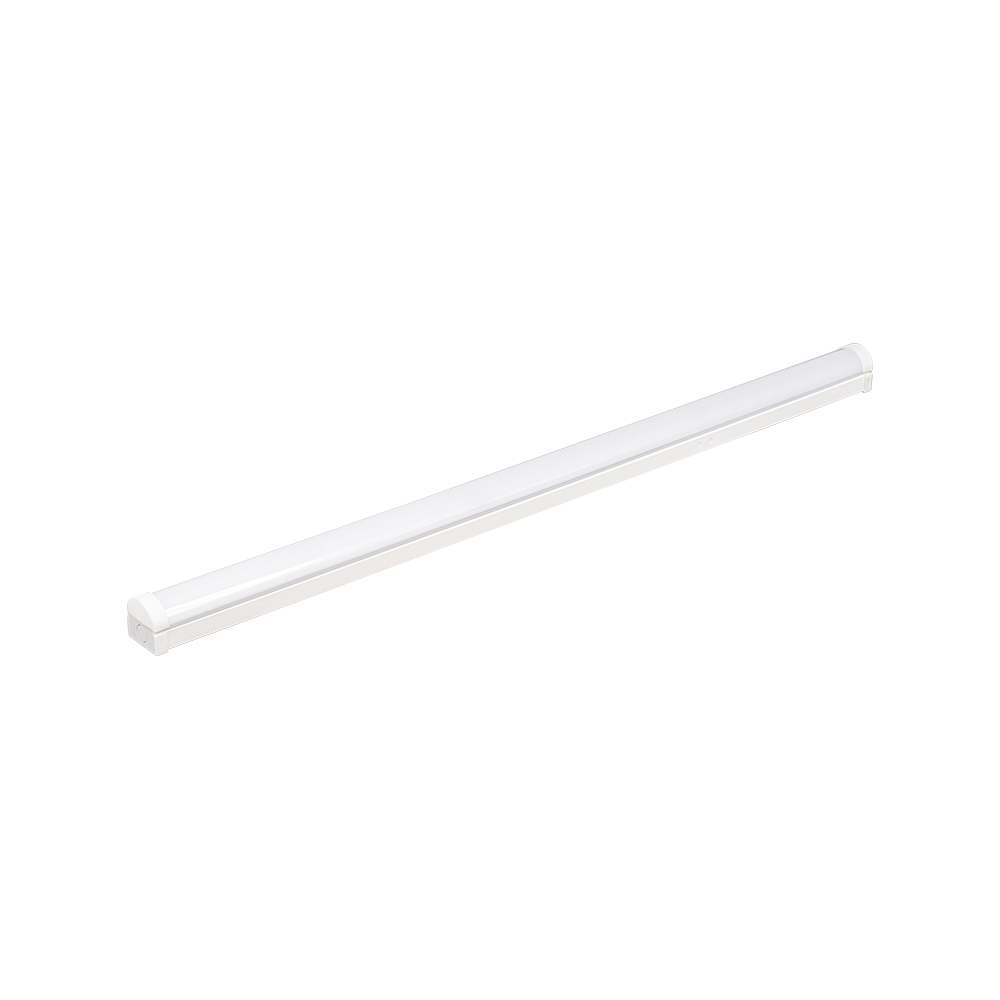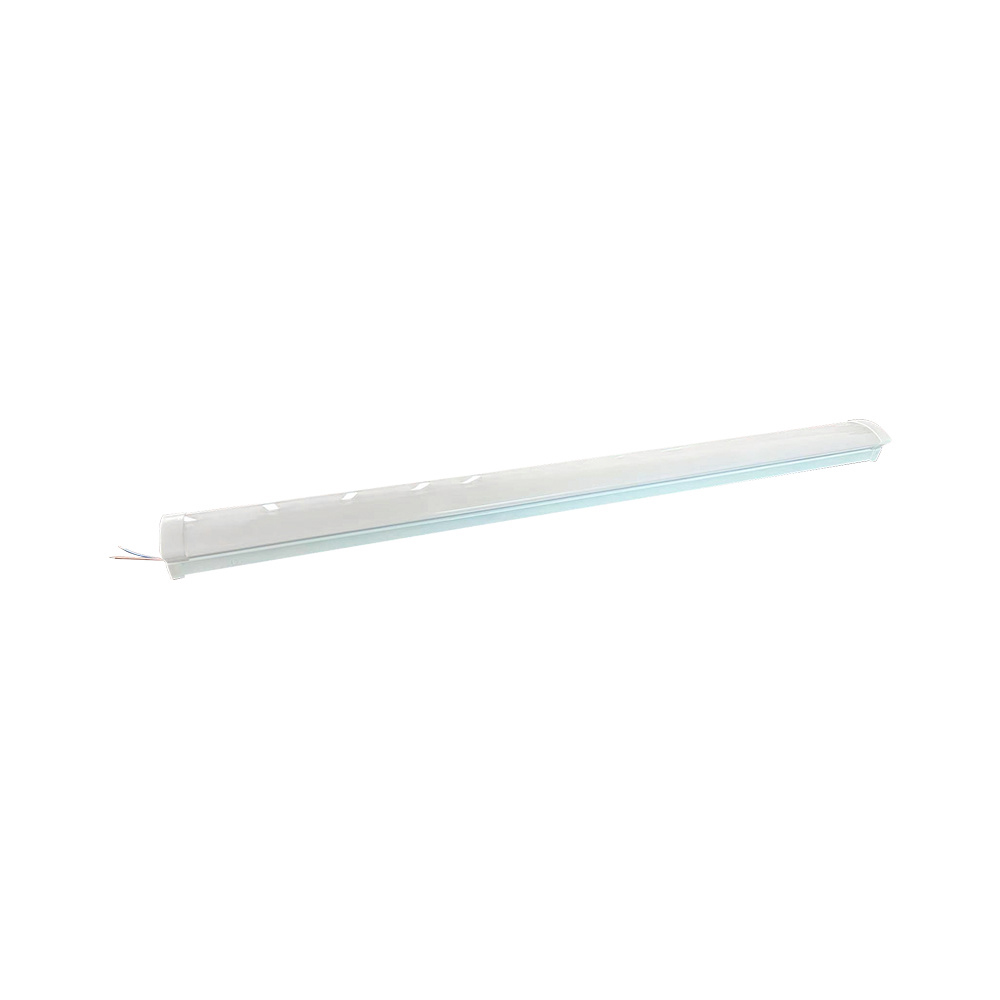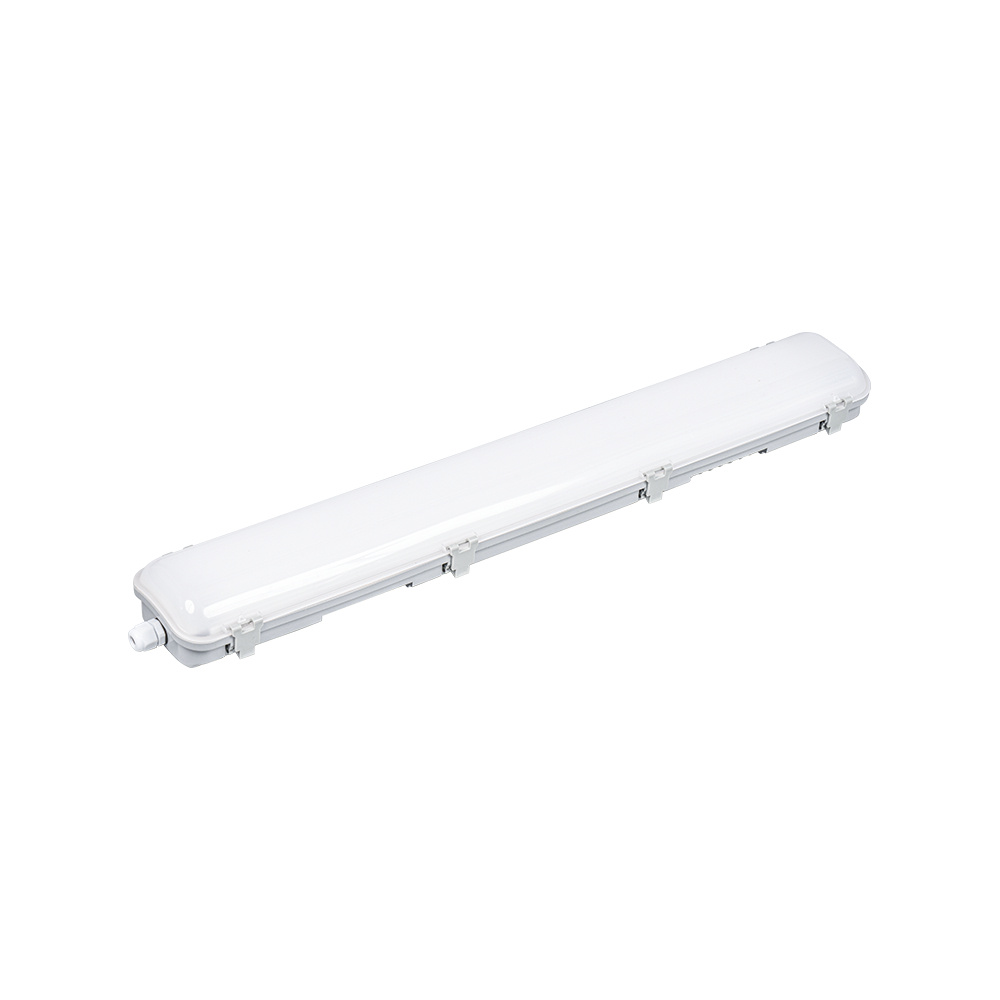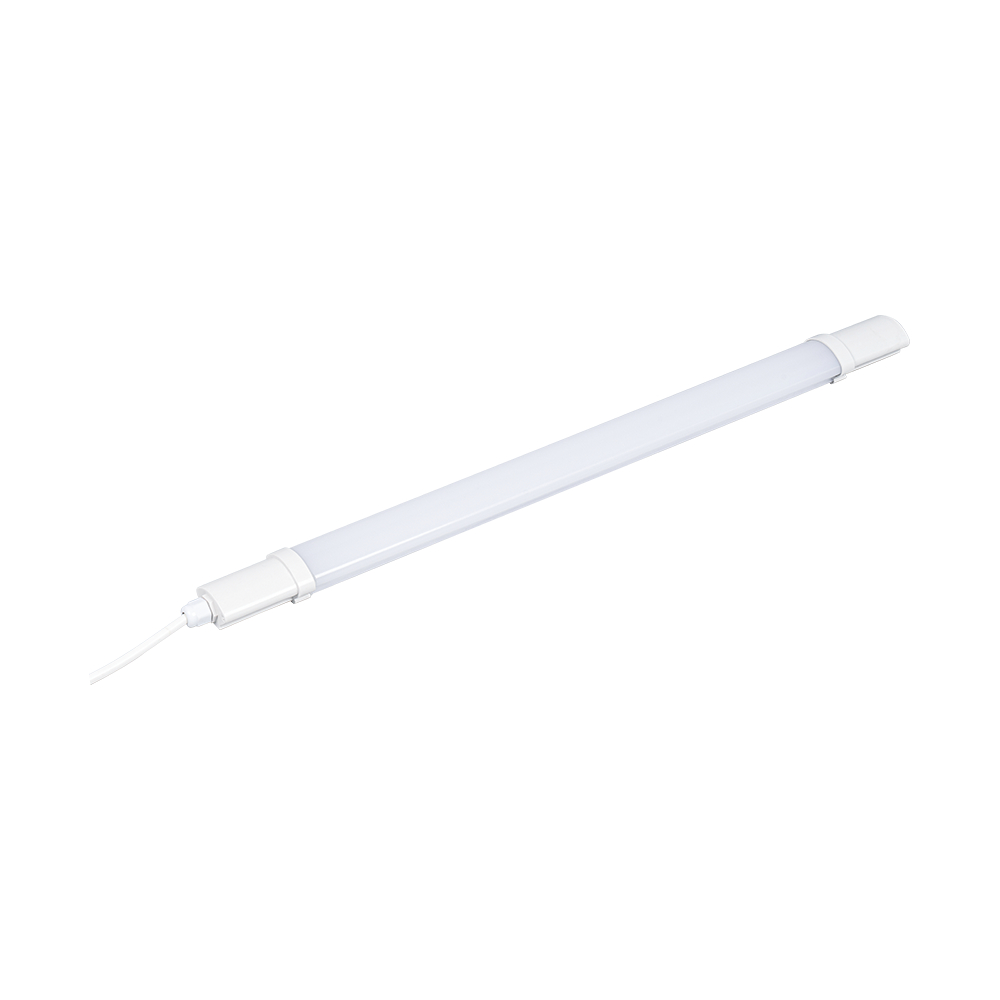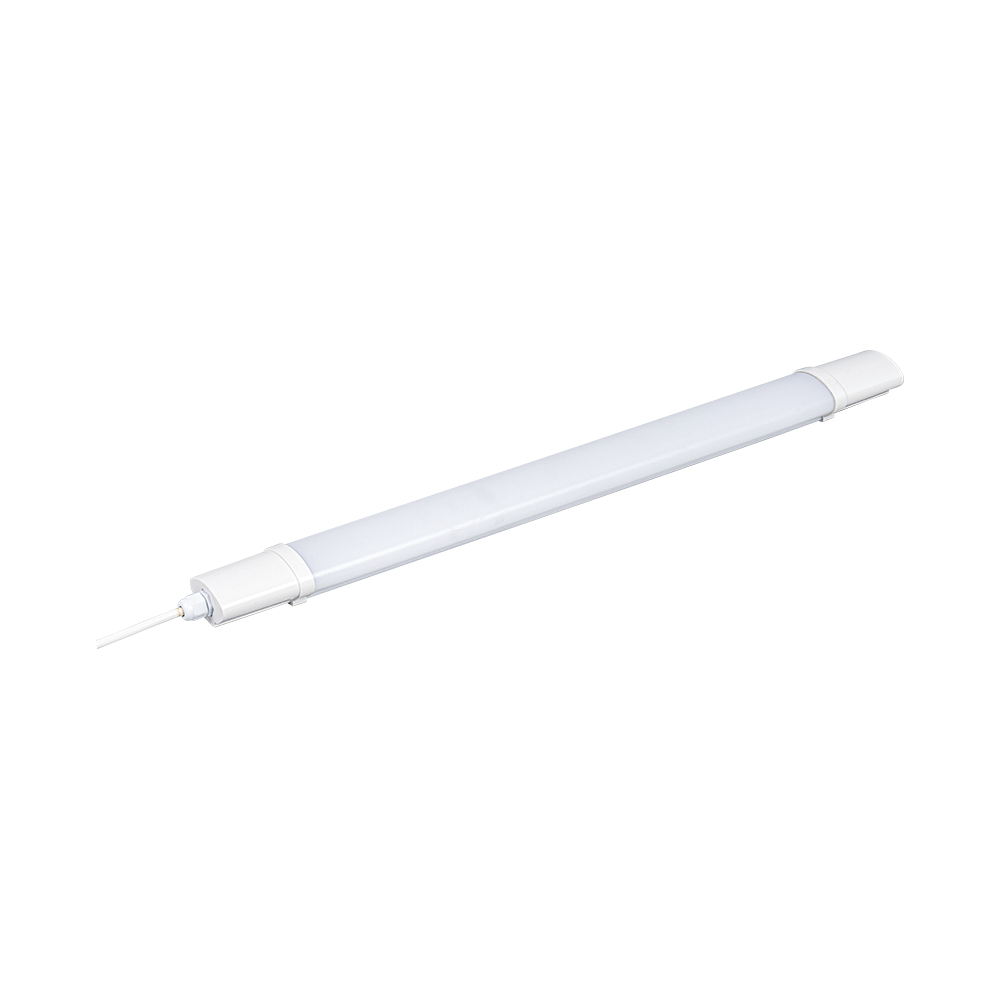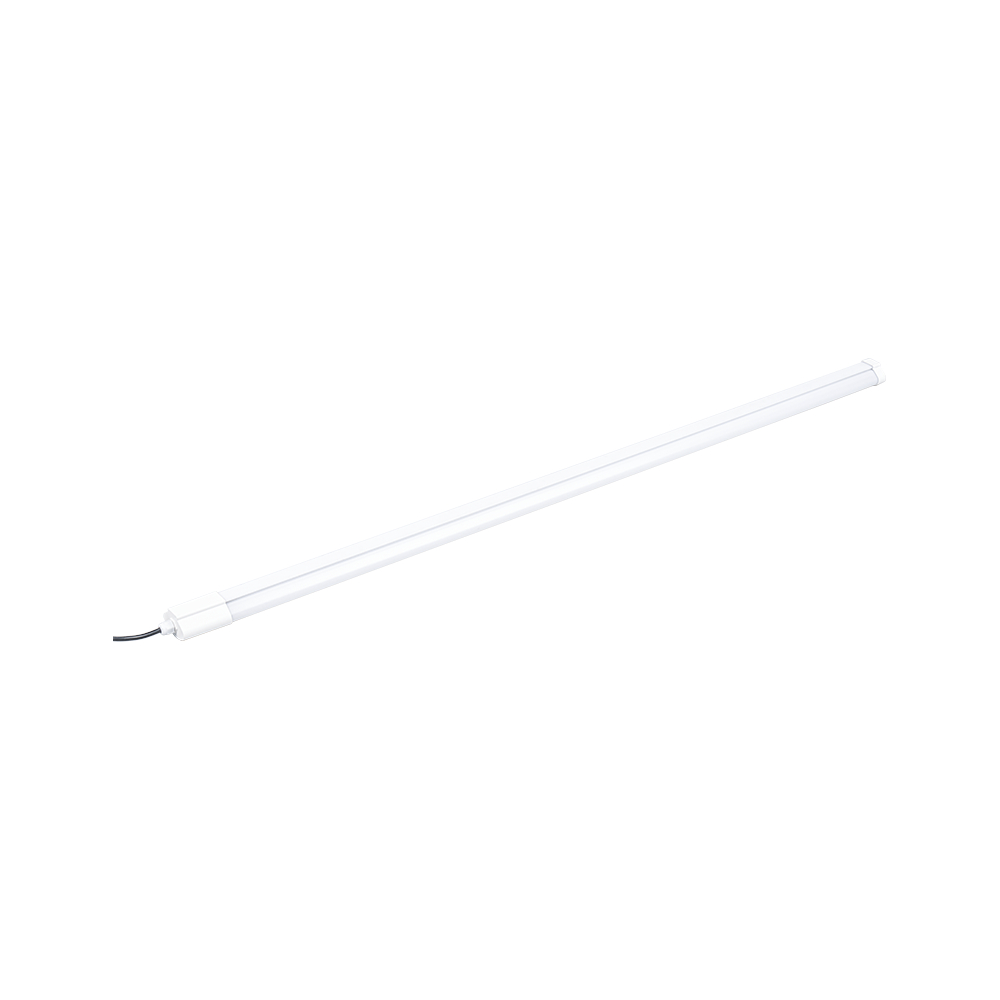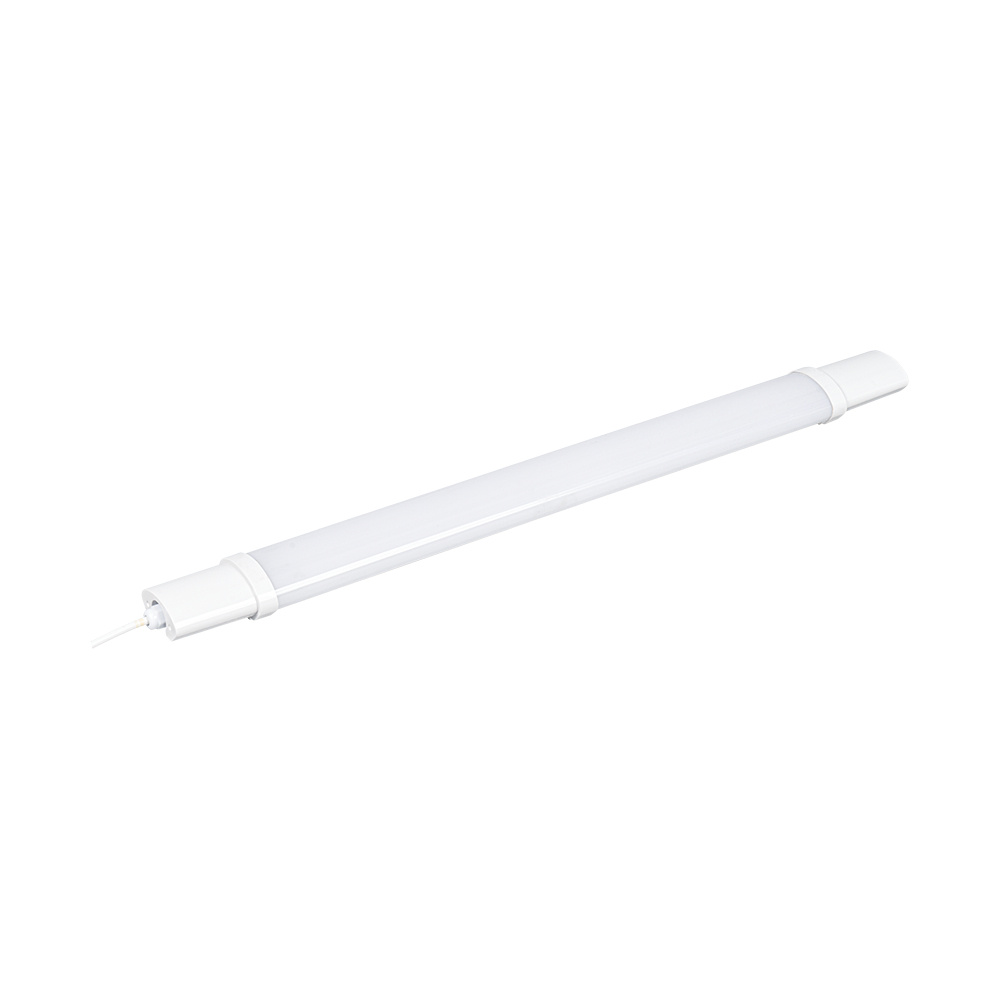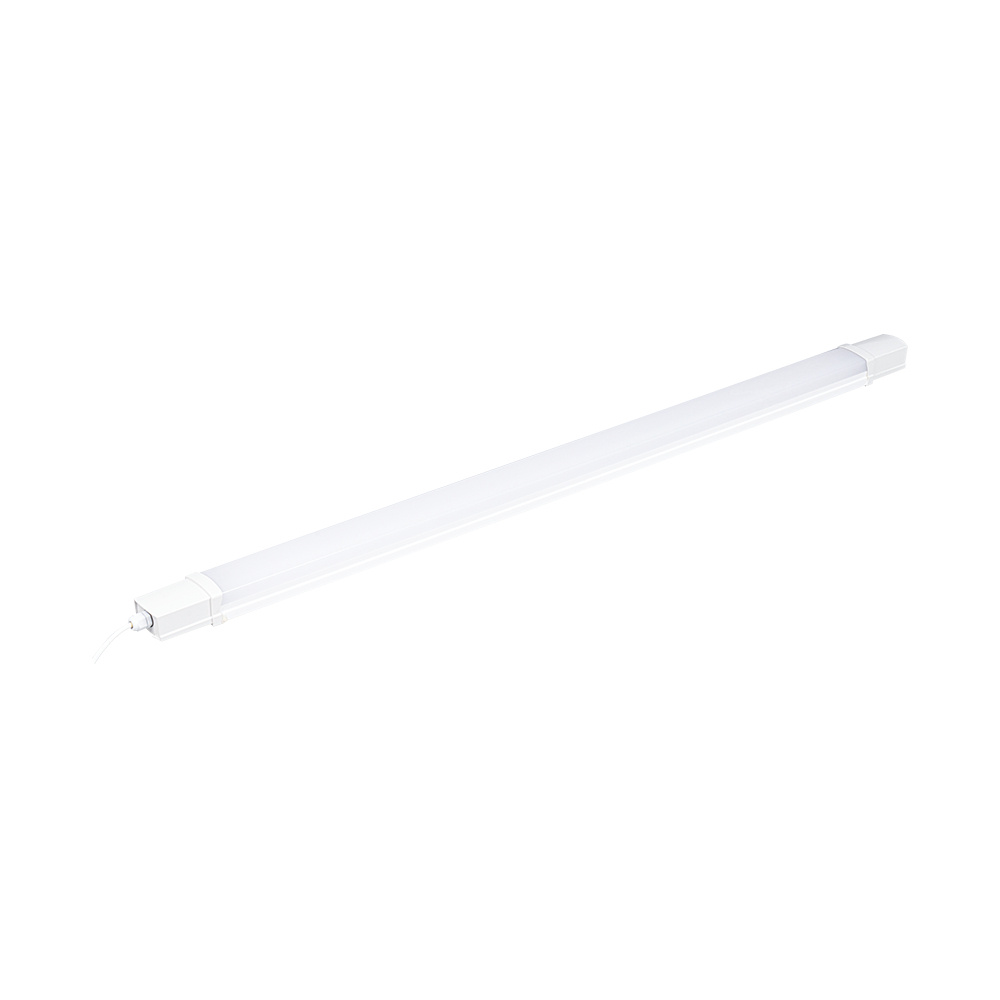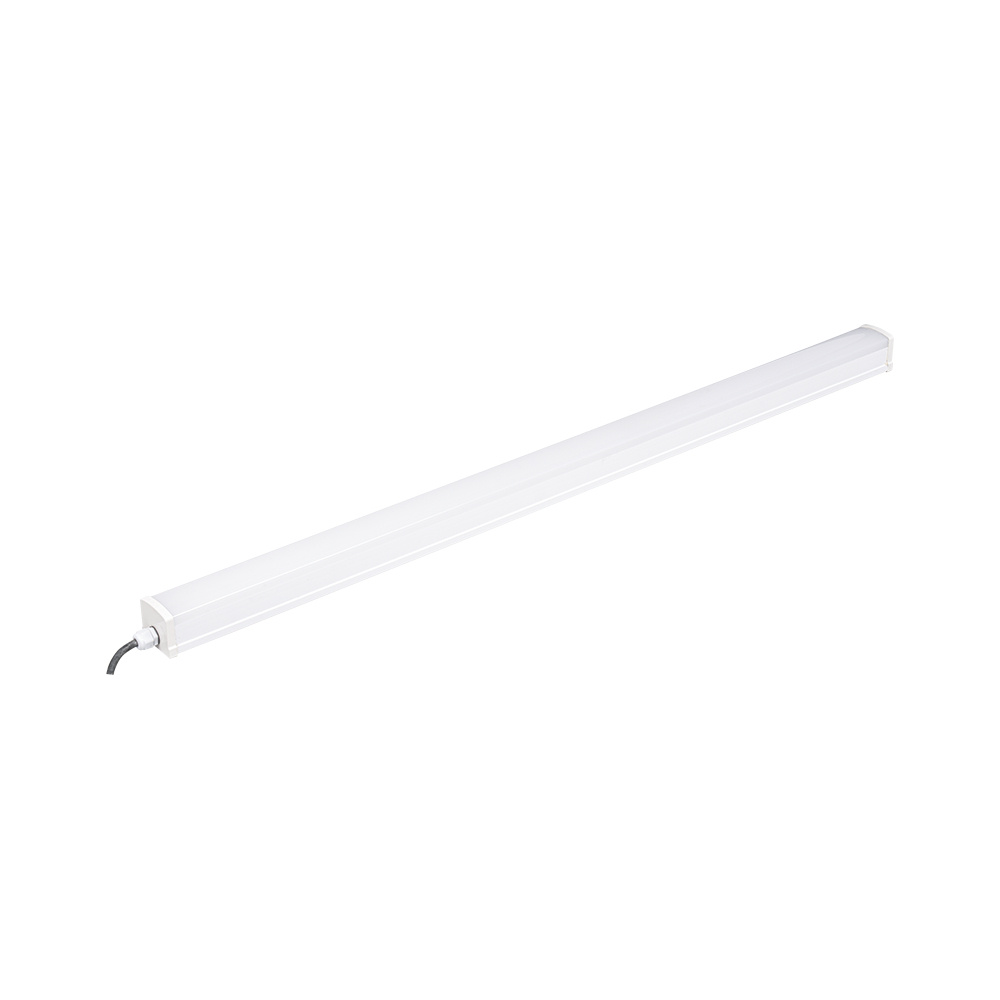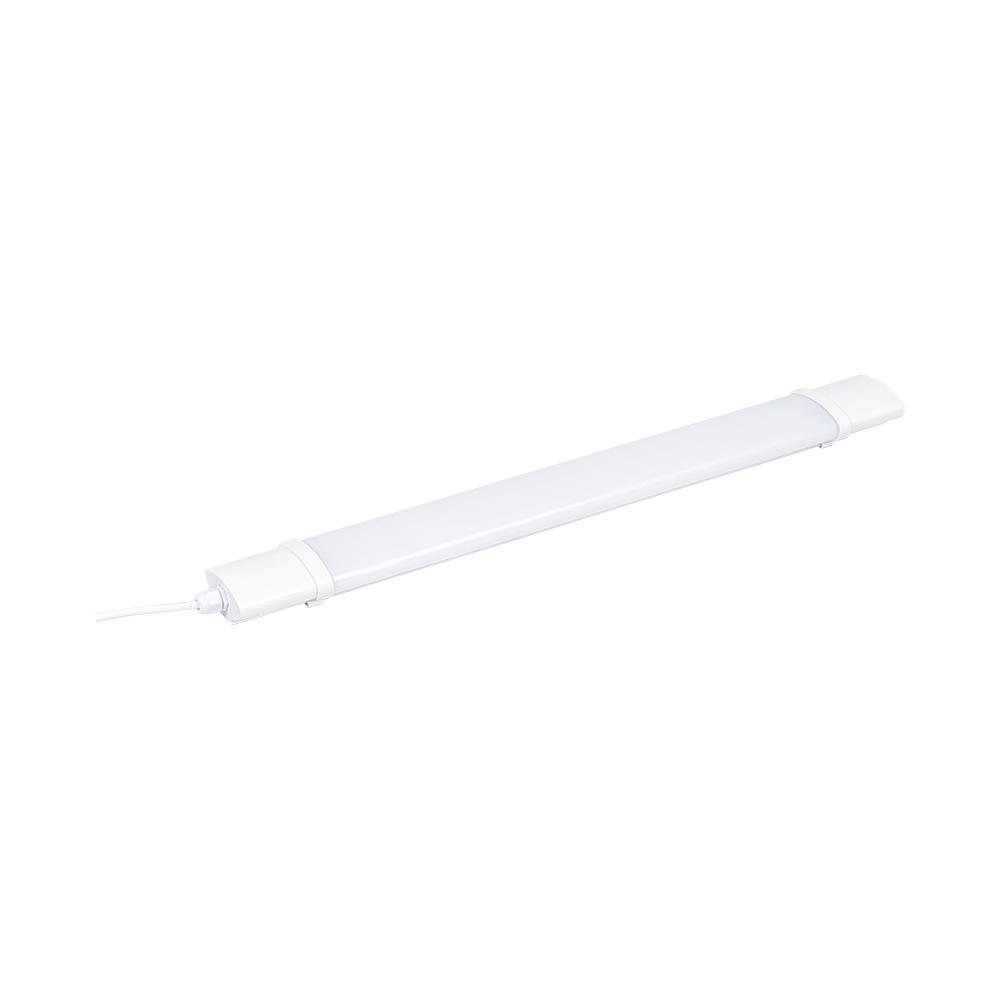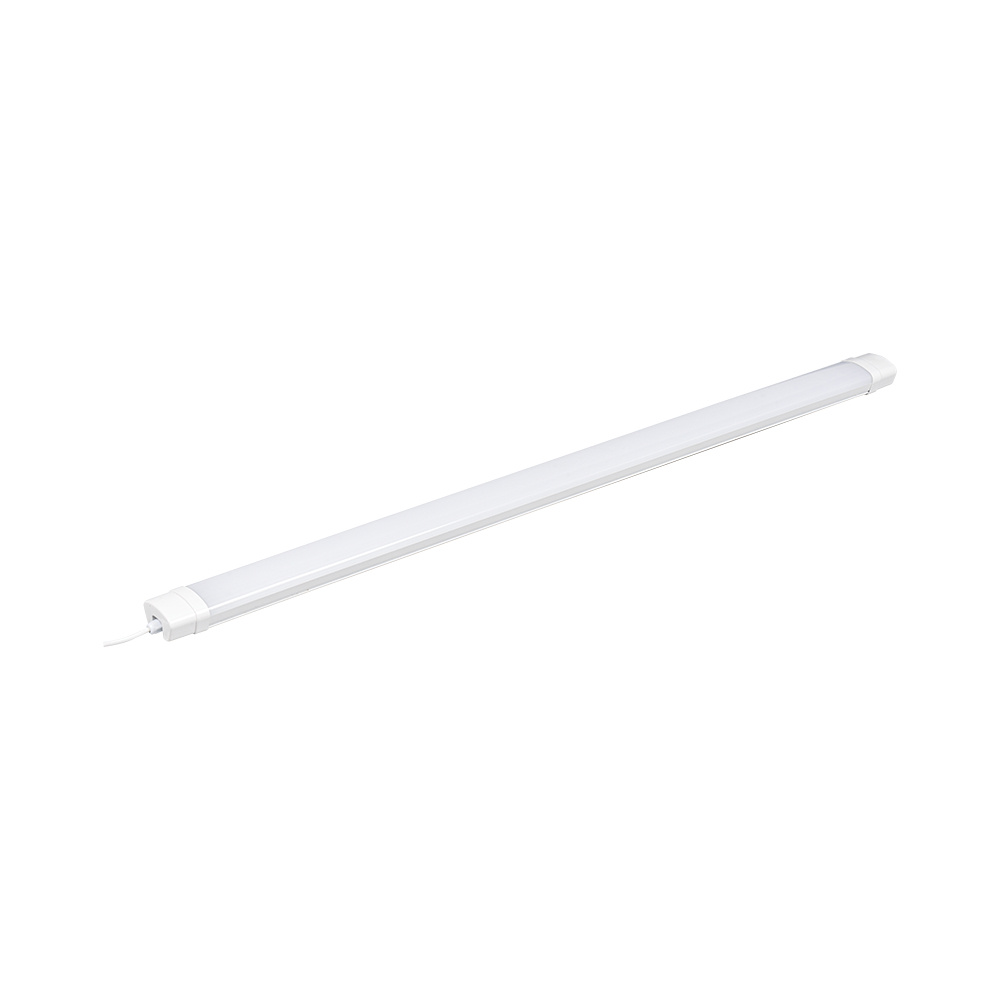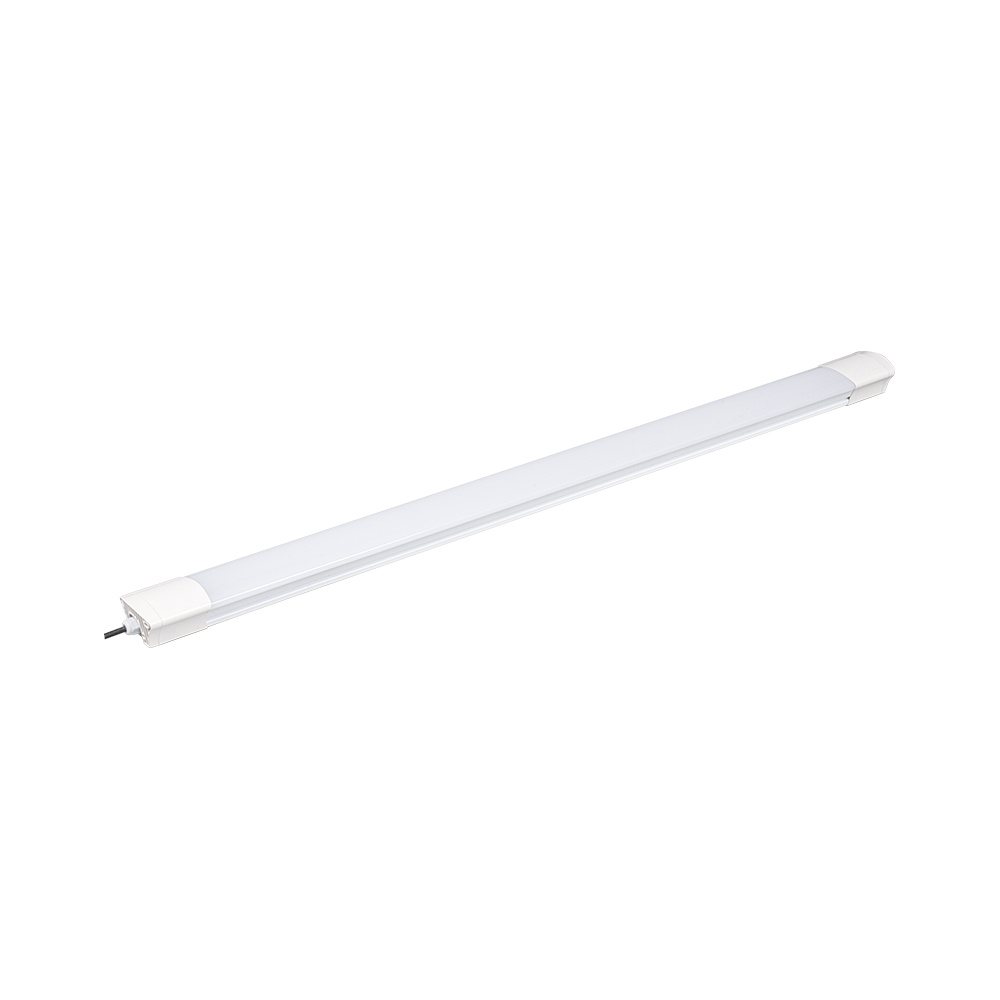
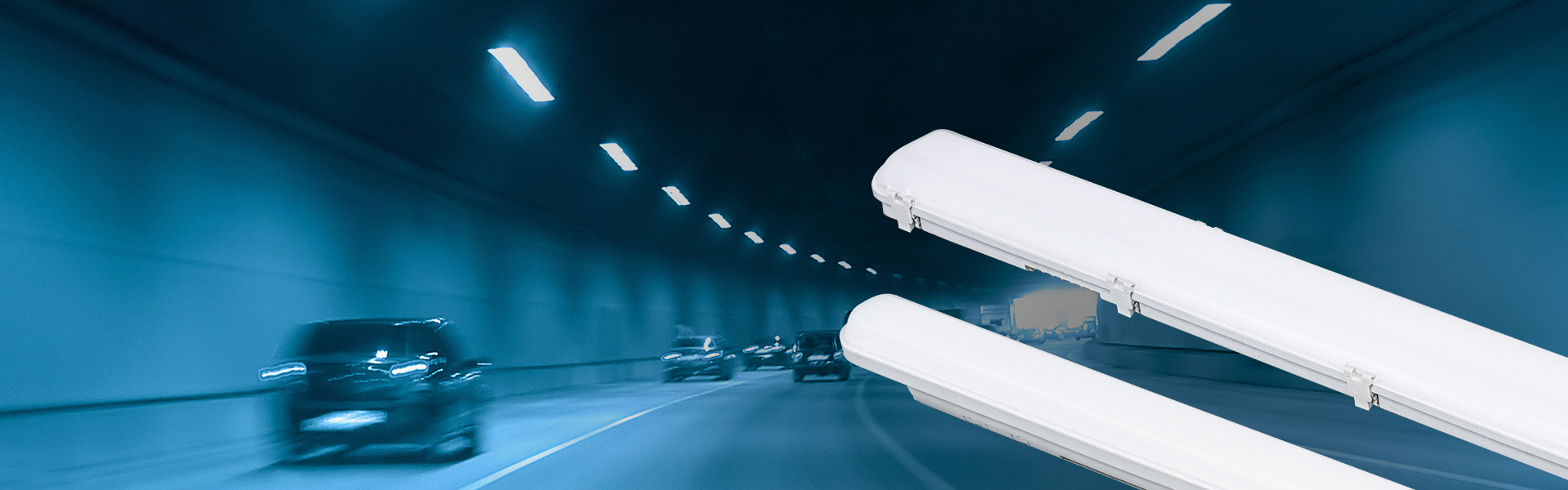
A waterproof fixture factory plays an important role in the development of durable lighting products designed for challenging environments. As global demand for reliable illumination increases across industrial, commercial, and outdoor sectors, factories specializing in waterproof fixtures have become essential contributors to modern infrastructure and facility design. These factories combine material science, structural design, careful assembly, and evolving manufacturing technologies to create fixtures that maintain performance in environments exposed to moisture, dust, corrosion, or constant physical impact.
Content
Waterproof fixtures are used in situations where lighting must remain stable despite environmental challenges. These challenges include continuous humidity, heavy moisture exposure, dust accumulation, corrosive air conditions, mechanical vibration, and contact with cleaning chemicals. A waterproof fixture manufacturer is designed to address these demands through specialized methods that enhance durability and maintain long-term reliability.
The rising demand for facilities that operate in unpredictable conditions—such as large outdoor spaces, industrial production areas, transportation zones, and logistics centers—has created a major opportunity for waterproof fixture manufacturers. These factories offer stable production capabilities to meet the needs of infrastructure projects, construction requirements, safety compliance updates, and energy-focused building upgrades.
Factories specializing in waterproof fixtures contribute not only to product manufacturing but also to improved installation safety, reduced maintenance cycles, and consistent product lifespans. These benefits help organizations maintain operational continuity, especially in environments where lighting plays an important role in safety, visibility, or workflow efficiency.
A waterproof fixture factory differs from general lighting production facilities because of its specialized approach to sealing structures, environmental testing, and material resistance. Modern factories use a combination of streamlined production systems, tailored equipment, and controlled assembly lines that align with multiple industry categories.
A typical waterproof fixture supplier includes:
Factories in this field often implement flexible production models to serve different project types, from small commercial installations to large industrial or public facility applications. This adaptability strengthens their role in the global supply network and positions them as strategic partners for engineering, construction, and maintenance projects.
1. Material Handling and Structural Design
Material handling is one of the most important aspects of waterproof fixture production. Manufacturers prioritize materials that can withstand moisture, corrosion, and mechanical strain. Fixture housings may incorporate metals, engineered plastics, protective coatings, or reinforced composites depending on the targeted industry environment.
Structural design focuses on sealing strategies that prevent water intrusion, maintain internal temperature stability, and safeguard electrical components. Design teams emphasize:
These design decisions ensure that fixtures remain functional even after extended exposure to unpredictable environmental conditions.
2. The Forming and Assembly Process
Forming processes shape raw materials into outer shells, brackets, or connectors. Assembly then integrates components into a single unit, emphasizing precision, sealing quality, and alignment.
The assembly process typically includes:
Each step must be consistent to avoid hidden points of leakage or weak locations that could compromise the fixture under moisture exposure.
3. Waterproof Sealing Technologies
Waterproof sealing is the defining feature of these factories. While sealing techniques vary, they generally incorporate:
Factories refine sealing structures to meet different categories of environmental exposure. Outdoor fixtures require robust surface stability, while indoor fixtures in humid zones require controlled moisture resistance.
4. Testing and Quality Control
Testing is essential to ensure product reliability. A waterproof fixture Supplier performs:
These tests verify that a fixture can operate consistently within the environment it is designed for, ensuring that the lighting does not pose safety risks or performance failures.
Waterproof fixture factories serve a wide range of sectors, offering various fixture forms adapted to different environmental conditions.
Typical product categories include:
Each product category is designed with different structural strengths, corrosion tolerance priorities, and installation methods.
Choosing a professional waterproof fixture factory offers several benefits that impact project outcomes and long-term operational stability.
1. Reliable Performance
Factories specializing in waterproof fixture production understand the environmental challenges associated with their products. Their knowledge guides consistent manufacturing practices that enhance product stability and reduce failure risks.
2. Strong Durability
Waterproof fixture factories prioritize materials and structures that withstand moisture, impact, and exposure-related stresses. This focus on durability benefits industries that experience fluctuating temperatures, heavy cleaning cycles, or exposure to corrosive elements.
3. Industry Versatility
Factories support multiple sectors, including industrial projects, commercial construction, transport facilities, and outdoor lighting setups. Their ability to adjust structural and design features makes them valuable to diverse applications.
4. Customization Capabilities
Beyond standard products, factories can tailor fixture characteristics to meet specific installation needs. Customization may involve environmental adaptation, structural changes, or mounting variations that align with project layouts.
5. Stable Supply and Cost Efficiency
Large production capabilities support long-term supply stability. Factories also optimize production workflows to maintain competitive pricing structures, which benefits large and small projects alike.
Waterproof fixture factories continue to evolve in response to global industry changes. Several trends influence future production strategies:
1. Integration of Smart Lighting Technologies
Advanced lighting control technologies are becoming increasingly common. Waterproof fixtures are now being developed to integrate sensors, automated features, and networked control systems. This trend enhances energy efficiency and supports facility management objectives.
2. Sustainable Manufacturing Approaches
Factories are adopting environmentally conscious practices such as recyclable materials, resource-efficient processing, and reduced environmental impact strategies. These changes reflect global sustainability goals and growing regulatory expectations.
3. Enhanced Structural Designs
As environmental conditions grow more complex, fixture designs evolve to address wind exposure, temperature fluctuations, and increased moisture levels. This leads to improved sealing structures and stronger protective housings.
4. Lightweight and Integrated Fixture Bodies
Integrated fixture bodies reduce weight, simplify installation, and enhance mechanical strength. Material advances contribute to new fixture forms that balance durability with practicality.
5. Stronger Emphasis on Compliance and Certification
Factories adapt to global standards, helping clients meet installation requirements for large-scale infrastructure projects. Consistent quality and international compliance help factories support global markets.
Large projects rely on dependable supply, consistent quality, and adaptable fixture options. Waterproof fixture factories contribute through:
Such collaborations benefit construction teams and end-users by ensuring that lighting components support long-term stability and safety.
| Industry Category | Environmental Challenge | Factory Support Focus |
|---|---|---|
| Outdoor Facilities | Constant weather exposure | Strong housing stability and sealing structures |
| Industrial Zones | Dust, chemicals, vibration | Reinforced waterproof designs and durable materials |
| Food & Clean Manufacturing | Frequent washing and hygiene needs | Smooth surfaces and moisture-resistant sealing |
| Transportation Hubs | Wide temperature ranges | Controlled thermal behavior and steady performance |
| Commercial Buildings | Mixed-use environments | Versatile fixture types for various areas |
Selecting a suitable factory is an important step in ensuring a project’s long-term lighting reliability. Key factors to examine include:
1. Production Capability
A factory with sufficient capacity can support both small and large projects, offering flexibility in scheduling and the ability to maintain timely delivery.
2. Quality Management Processes
Quality control systems reveal a factory’s commitment to consistency. Reliable factories conduct thorough testing during production stages and before shipment.
3. Structural and Material Expertise
Understanding how a factory chooses materials, sealing systems, and structural details can reveal its technical depth and environmental awareness.
4. Customization Flexibility
Projects often require tailored designs. A factory with flexible design capabilities can adjust fixtures to match project restrictions, installation methods, or environmental challenges.
5. Communication and International Support
Factories with strong communication support and export experience provide smoother coordination, clear documentation, and reliable logistics planning.
1. High-Humidity Industrial Facilities
Factories are crucial for producing fixtures that resist continuous moisture exposure, ensuring operational safety and visibility.
2. Outdoor Public Infrastructure
From walkways to transportation areas, waterproof fixtures support consistent performance in open-air environments.
3. Large Commercial Complexes
These areas require stable lighting for both indoor and semi-outdoor conditions.
4. Transportation and Logistics Operations
Warehouses, loading zones, and cargo areas depend on lighting that withstands vibration, dust, and constant activity.
5. Specialized Work Environments
Certain industries require fixtures that endure cleaning chemicals, corrosion, and physical strain.
The waterproof lighting industry is experiencing a steady transformation as global markets expand their requirements for reliability, structural safety, and environmental responsibility. As countries raise safety expectations for lighting exposed to moisture, temperature shifts, and outdoor conditions, factories involved in waterproof fixture production are rethinking design methods, material selection, and product testing.
Many regions highlight the importance of sealing quality, long-term structural stability, and safe operation in fluctuating environments. In response, factories have moved toward more deliberate structural layouts, improved internal wiring protection, stronger housing joints, and durable sealing components. Although these choices originate from compliance needs, they also contribute to longer service life, making the fixtures suitable for diverse, demanding installations.
Environmental regulations also influence production. Manufacturers increasingly adopt recyclable materials, reduce reliance on high-impact substances, and implement processes that generate less waste. This progression encourages factories to create clearer material-selection systems and strengthen planning around product life cycles, ensuring that equipment remains environmentally considerate during use and disposal.
From a procurement perspective, project decision-makers now pay attention to a factory’s ability to meet regulations across multiple regions. Documentation, stable production processes, and a consistent quality system are often as important as the physical product. Factories that understand varying global requirements can support wide-range applications, making them valuable partners for construction, infrastructure, retail, and industrial projects worldwide.
By monitoring regulatory changes and aligning manufacturing processes with evolving environmental expectations, waterproof fixture factories position themselves as adaptable suppliers capable of supporting long-term, multi-environment installation needs.
As outdoor infrastructure upgrades and industrial automation expand, waterproof fixtures must address new challenges that go beyond simple moisture protection. Each environment introduces unique hazards—ranging from constant humidity and airborne particles to mechanical impact and rapid temperature shifts. Because of this, certain markets are beginning to favor specialized, scenario-based design.
Urban public areas, such as walkways, landscape zones, and waterfront spaces, expose fixtures to continuous weather cycles. These locations often require durable housing structures, corrosion-resistant exterior materials, and fastening systems that remain secure over time. When placed in long-term outdoor settings, stability becomes essential for consistent lighting and reduced maintenance burden.
Industrial locations present a different set of obstacles. Steam, dust, strong vibrations, and chemical exposure create conditions that demand thoughtful engineering. Waterproof fixtures used in these areas often rely on enhanced enclosure structures, more protective internal layouts, and seal components selected for strength and longevity. Many industrial users prefer designs that simplify installation and allow quick removal, helping reduce downtime during routine maintenance.
As global industries continue to advance, the demand for dependable waterproof lighting is projected to grow across infrastructure, commercial development, and modernized industrial applications. Factories in this field are moving toward more adaptable production systems that support wider installation needs, evolving regulatory environments, and longer product life cycles.
Production teams are expected to integrate refined sealing approaches, enhanced housing structures, and simplified maintenance features to meet expanding application ranges. At the same time, growing attention to environmental responsibility encourages more careful planning around material usage and waste reduction throughout the manufacturing process.
The direction of the market suggests that factories capable of adjusting to new safety expectations, regional compliance guidelines, and multi-scenario installation challenges will remain competitive and relevant. By aligning engineering, planning, and quality control with shifting global requirements, waterproof fixture producers can maintain stable development and deliver long-term value to project planners, distributors, and facility managers.
As the industry continues its transformation,Cige, remains focused on advancing production stability and reliable waterproof fixture solutions for diverse project needs.
It is focused on the overall solution of dry bulk material port transfer system,
research and development,
manufacturing, and service
+ 86-158-6784 4739
garrick@cigelighting.com
+86-574- 5896 6613
No. 332, Yizidi, Zhoutang west village. Zonghan street, Cixi, Ningbo, Zhejiang Province, China
Copyright ? Ningbo Cige Photoelectric Technology Co., LTD. All Rights Reserved. Triproof Light Manufacturer