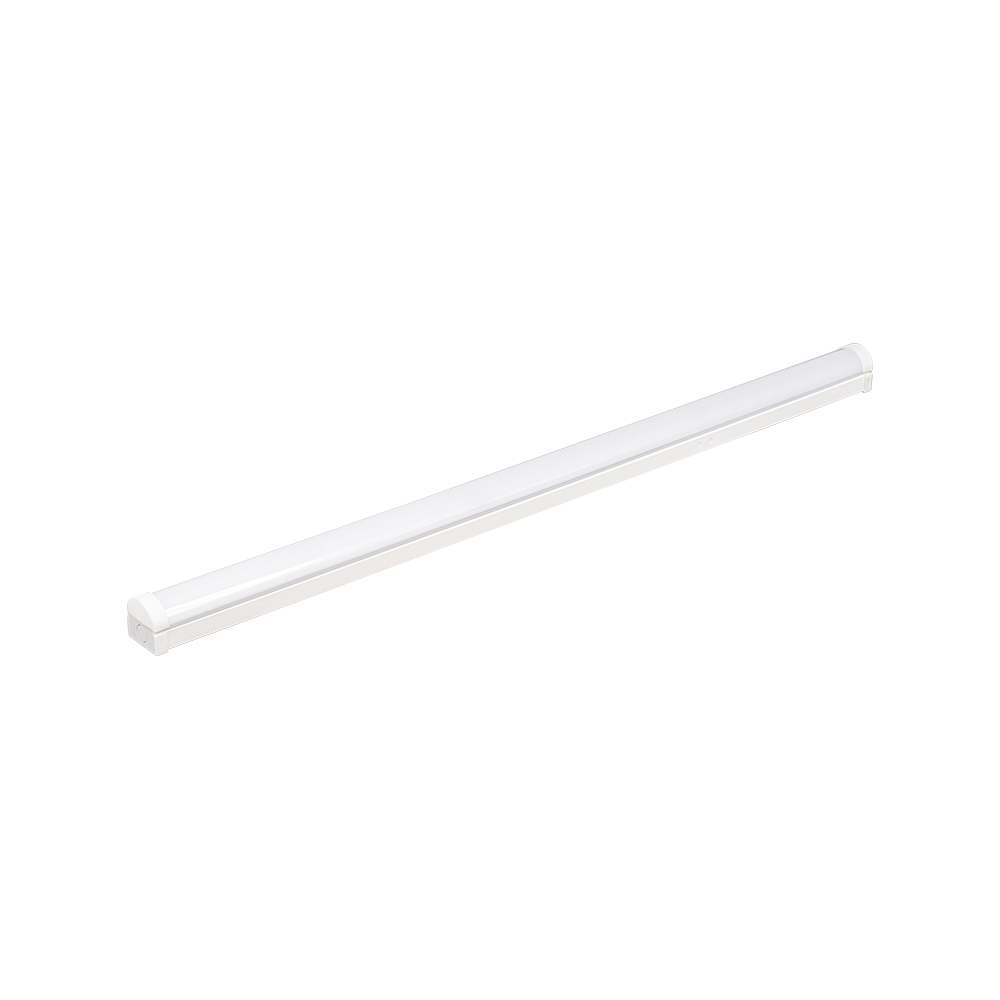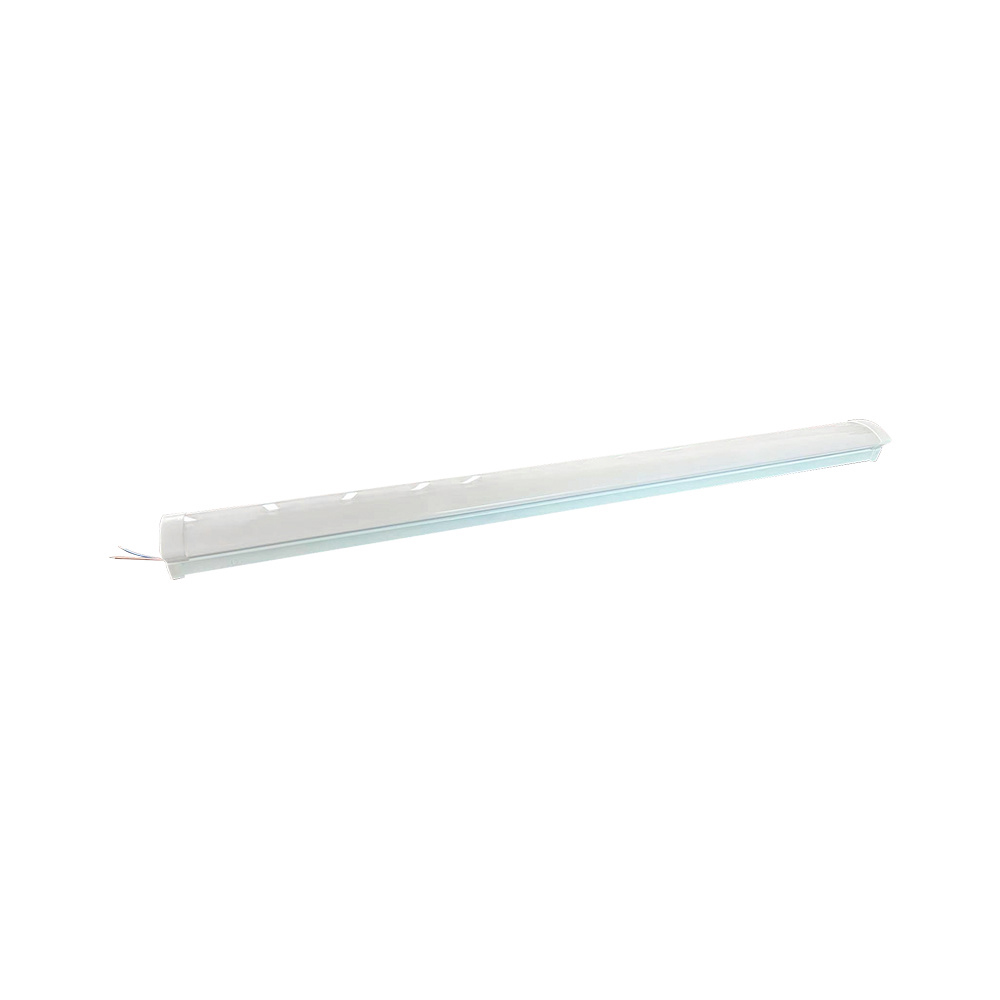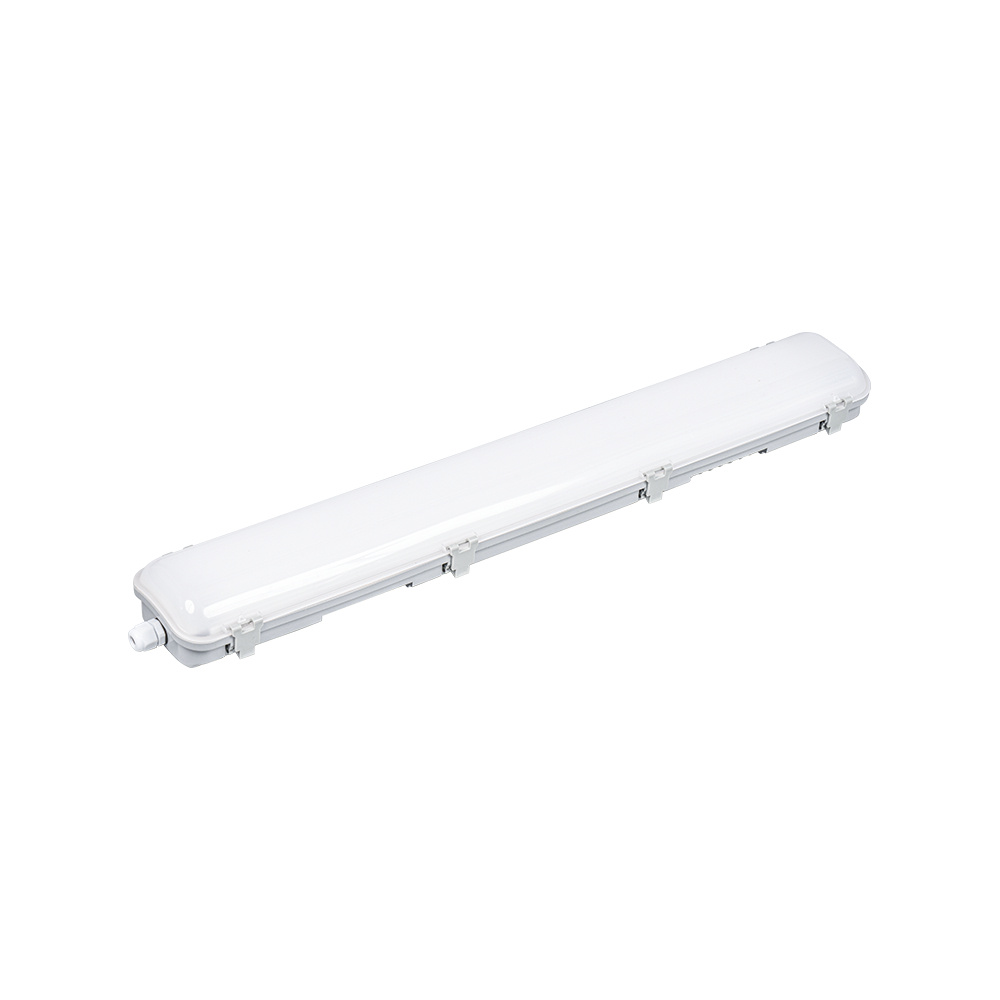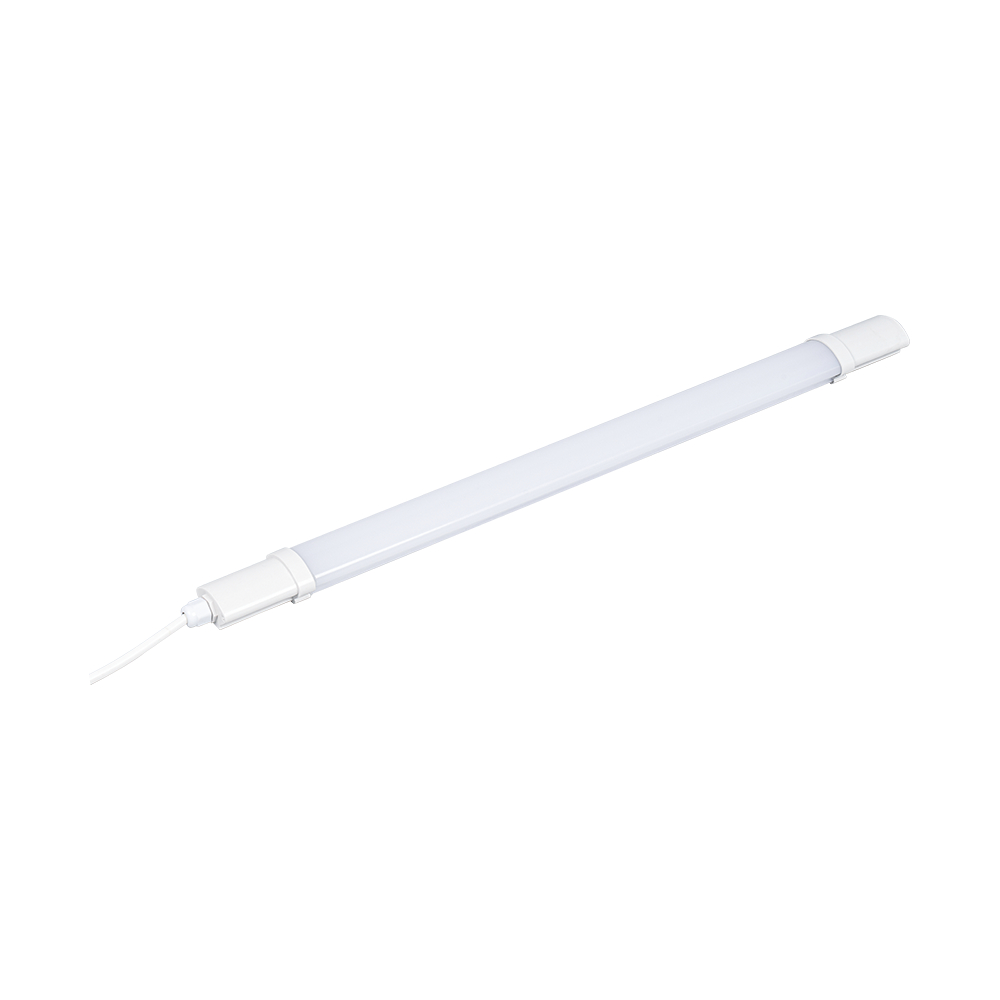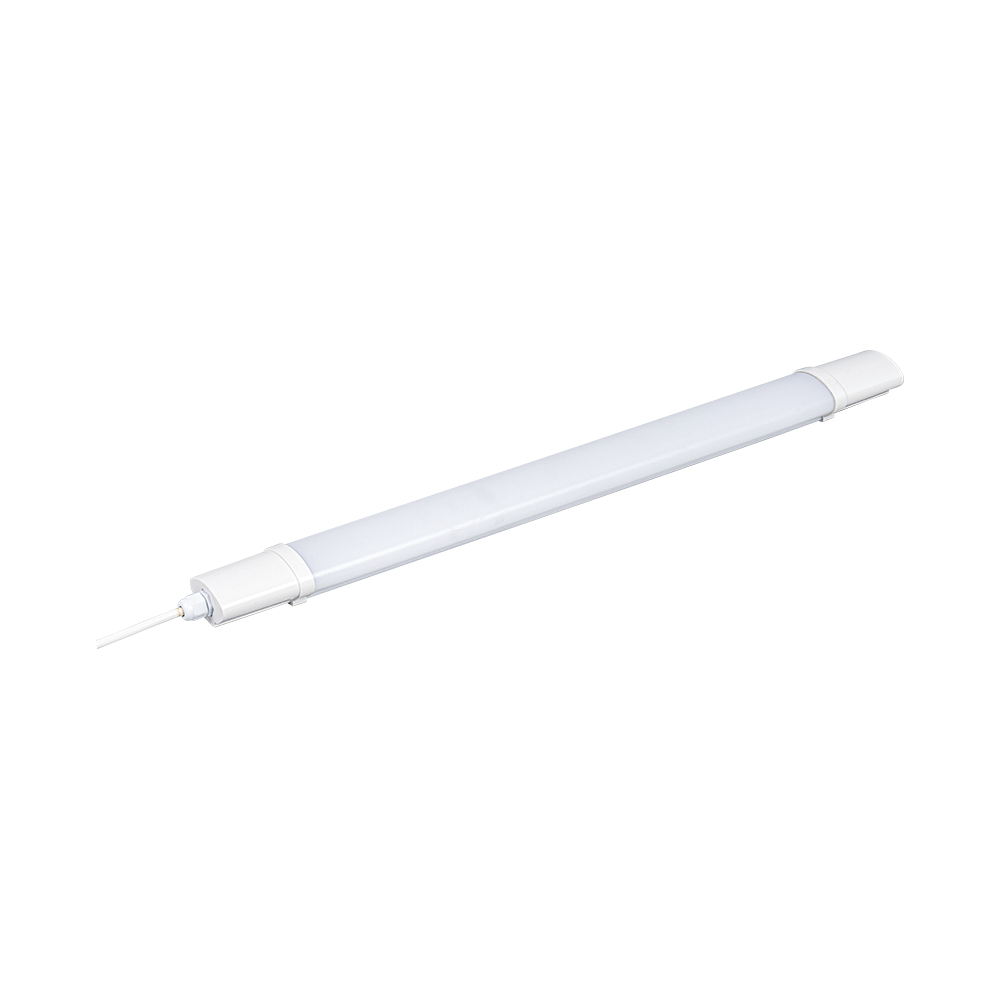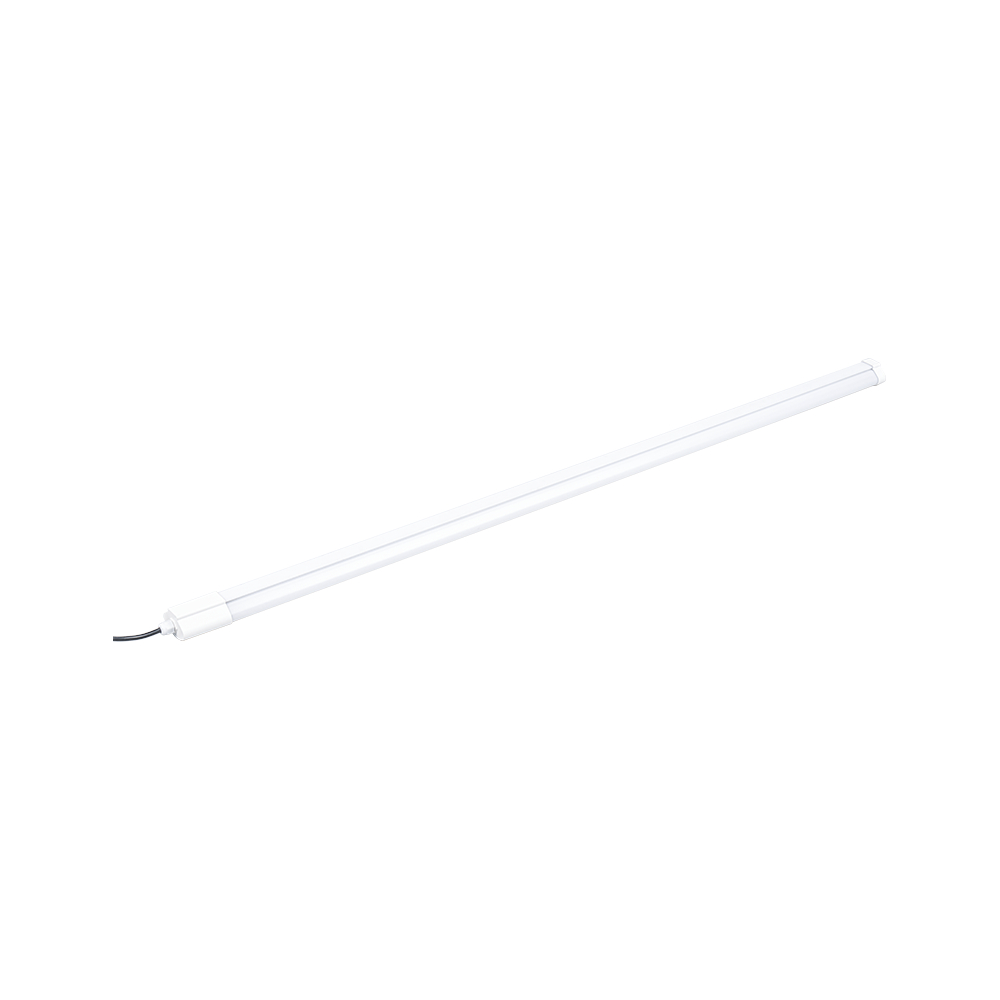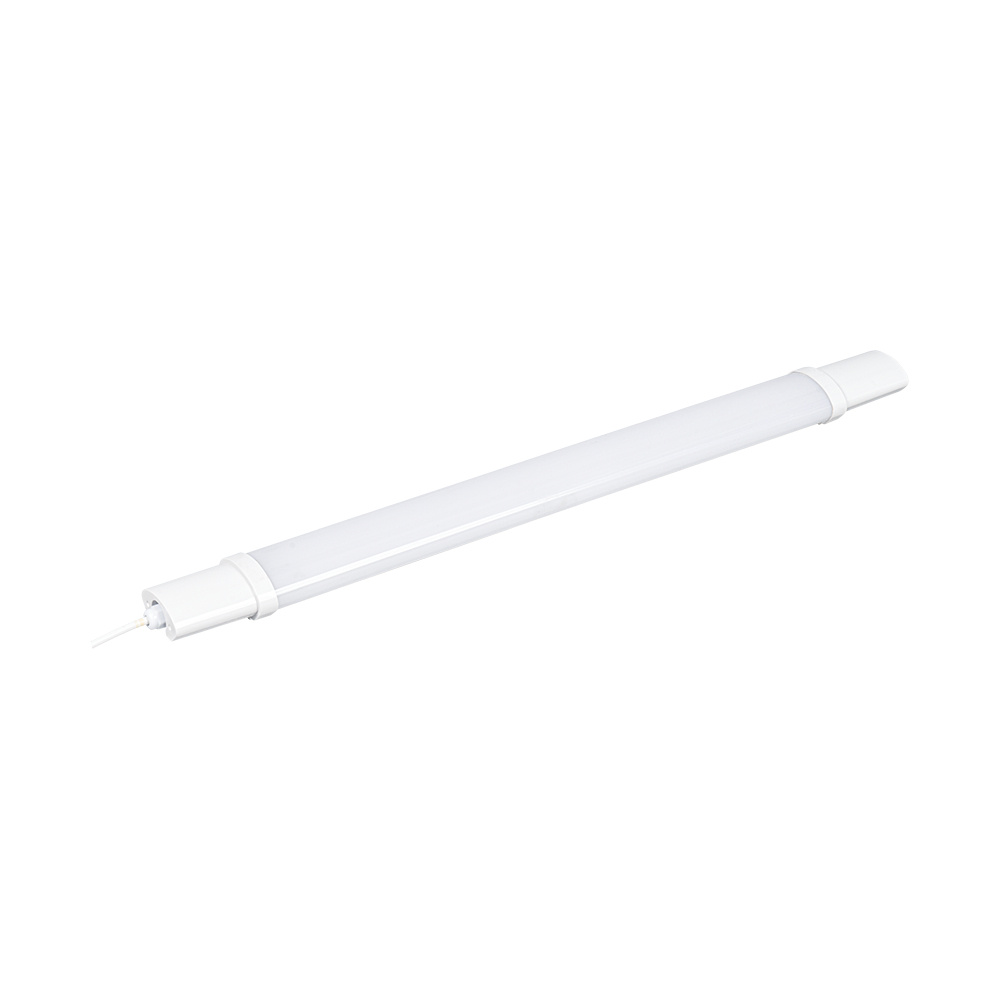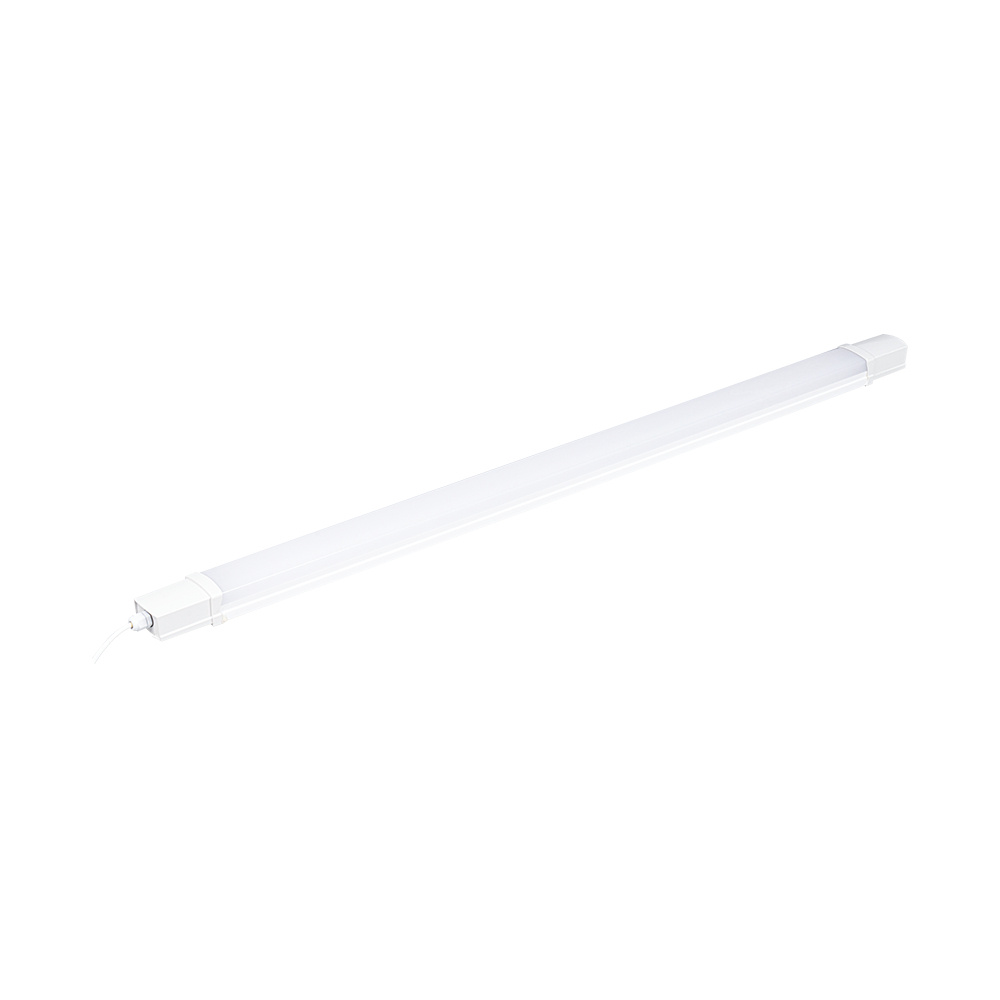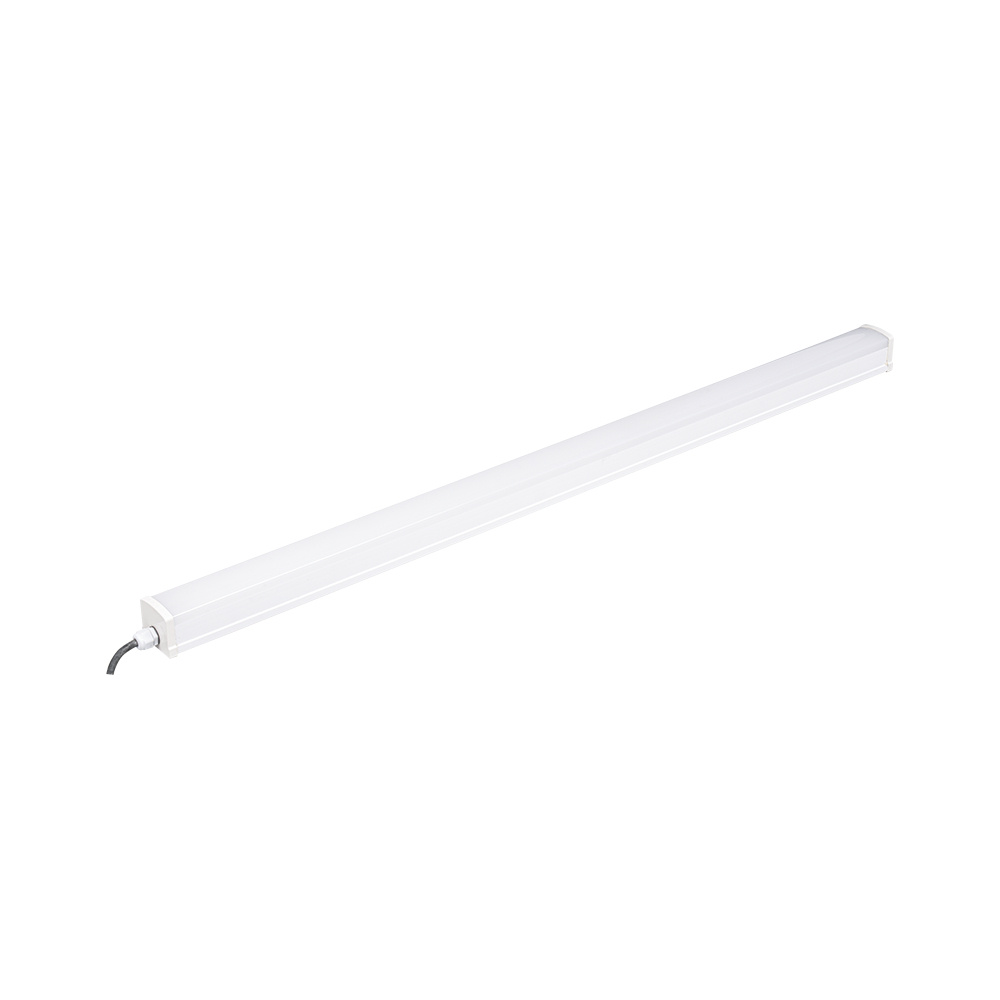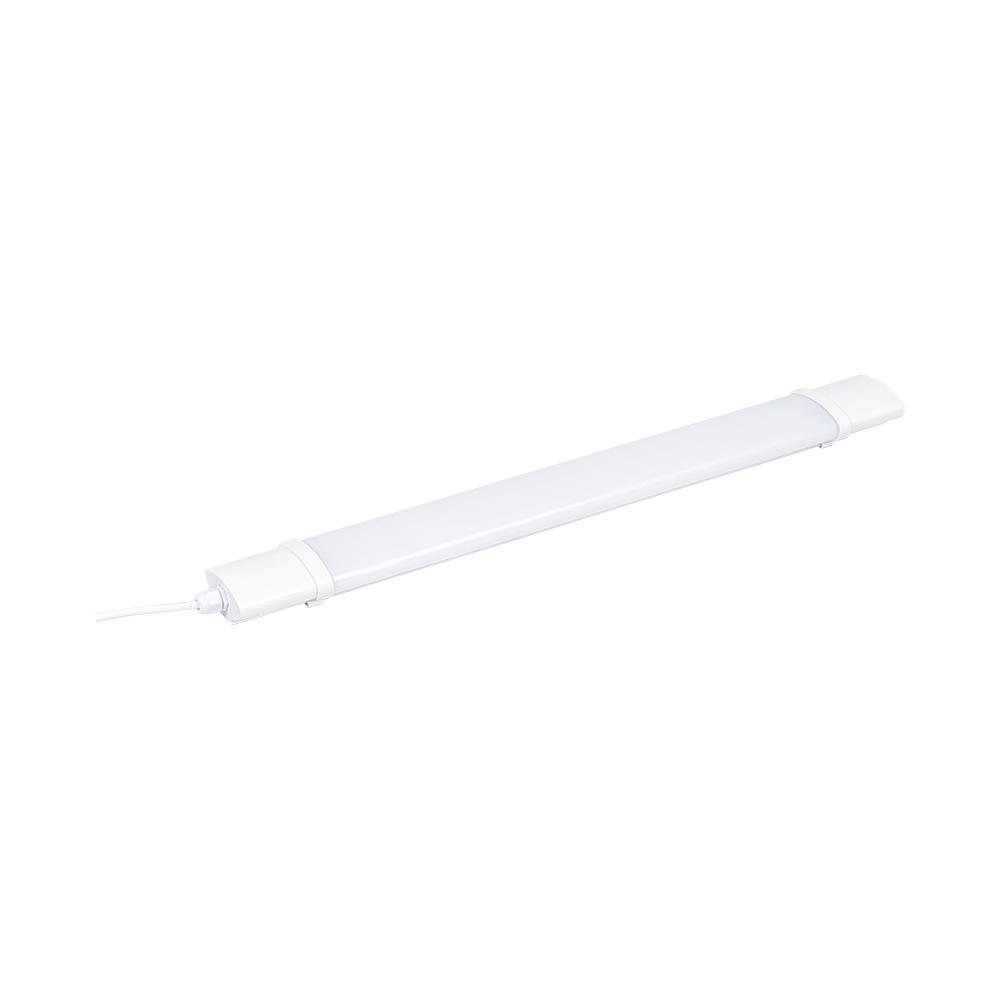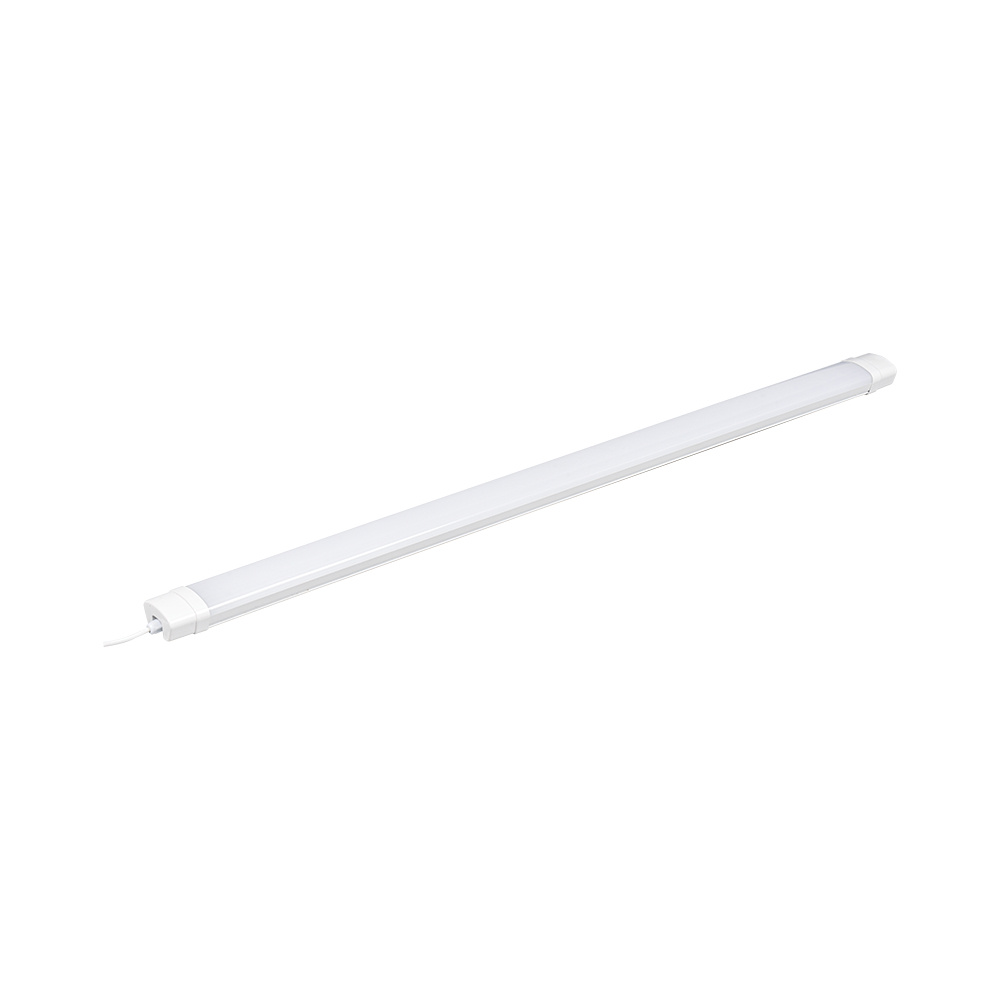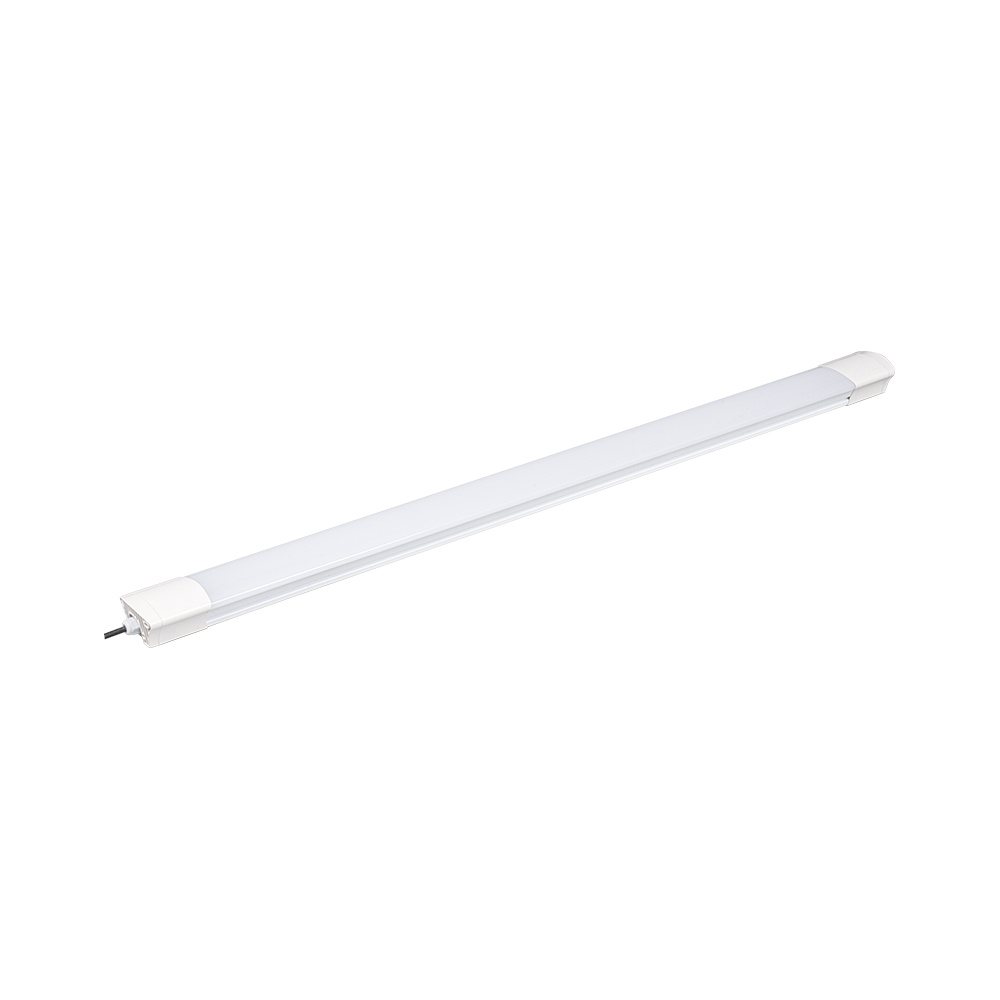
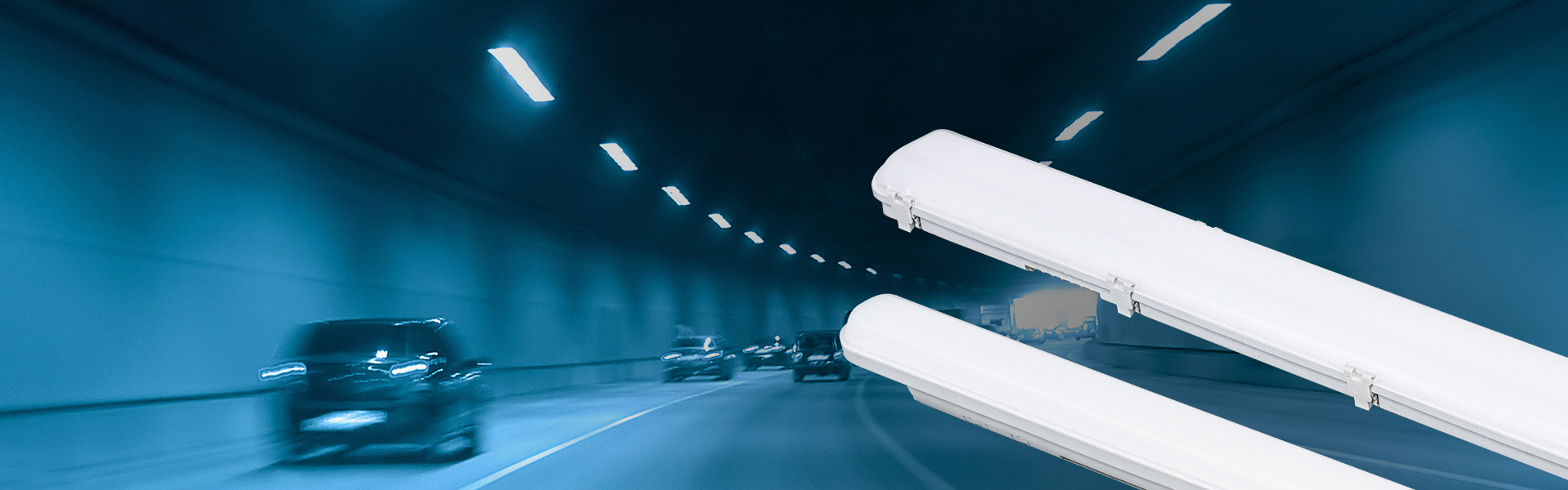
The relentless march of LED technology has transformed illumination across countless sectors, prized for its remarkable energy efficiency and longevity. However, harnessing these benefits effectively in challenging environments – whether an industrial warehouse washdown zone, a windswept pier, a humid greenhouse, or a residential garden – hinges on one critical feature: reliable waterproofing. Understanding how Waterproof Fixture achieve this protection and selecting the appropriate solution is paramount for safety, durability, and performance.
Content
At its essence, a waterproof light fixture functions as a meticulously sealed fortress, designed to prevent the intrusion of water and solid contaminants that could compromise its electrical components, optical systems, and structural integrity. This protection isn't merely about resisting a gentle rain; it encompasses a spectrum of threats, from high-pressure jets and temporary submersion to corrosive atmospheres and abrasive dust storms.
The linchpin of this defense is the Ingress Protection (IP) Rating, an internationally recognized standard (IEC 60529) that quantifies an enclosure's resistance. This rating, denoted by "IP" followed by two digits, provides a clear, objective measure of protection levels:
First Digit (Solid Particle Protection): Ranges from 0 (no protection) to 6 (complete protection against dust ingress).
Second Digit (Liquid Ingress Protection): Ranges from 0 (no protection) to 9K (protection against high-pressure, high-temperature water jets from close range).
| IP Rating | Protection Level | Typical Applications |
|---|---|---|
| IP44 | Splash-resistant (all directions); limited dust protection | Covered outdoor areas, sheltered industrial zones |
| IP54 | Dust-protected; splash-resistant | Indoor workshops, garages, mild outdoor exposure |
| IP55 | Dust-protected; low-pressure water jets | Outdoor signage, garden lights, industrial zones with light washdown |
| IP65 | Dust-tight; low-pressure water jets | Factories, warehouses, outdoor lighting in rainy climates |
| IP66 | Dust-tight; powerful water jets | Heavy-duty industrial, car washes, marine environments |
| IP67 | Dust-tight; temporary immersion (1m for 30 mins) | Flood-prone areas, food processing, submersible pumps |
| IP68 | Dust-tight; continuous immersion (beyond 1m) | Underwater lighting, fountains, deep industrial pits |
| IP69K | Dust-tight; high-pressure, high-temperature washdown | Food & beverage plants, pharmaceutical cleanrooms |
Industrial environments present unique and often extreme challenges for lighting systems. Choosing fixtures without adequate protection is a recipe for frequent failures, safety hazards, and inflated operational costs. Consider these core demands:
1.Conquering Environmental Aggression: Beyond standard weather, industrial settings face:
2.Ensuring Uninterrupted Operations & Safety: Lighting failure in an industrial setting isn't just an inconvenience; it halts production, compromises safety protocols, and risks accidents.
3.Achieving Long-Term Cost Efficiency: While the initial investment in high-IP-rated fixtures might be higher, the Total Cost of Ownership (TCO) is significantly lower:
Choosing a waterproof LED fixture requires careful consideration beyond just the highest IP rating. Here's a strategic approach:
1.Define the Specific Environmental Threats:
2.Determine the Required Performance:
3.Consider Control and Integration Needs:
4.Evaluate Installation and Maintenance Factors:
Achieving a high IP rating relies on meticulous design and manufacturing:
1.Housing & Lens Materials: High-grade die-cast aluminum (often with corrosion-resistant finishes), robust polycarbonate, or tempered glass. Materials must resist UV degradation, impact, and environmental stress.
2.Sealing Systems:
3.Thermal Management: LEDs generate heat, which must be dissipated efficiently even within a sealed enclosure. Design features include internal heat sinks, thermally conductive materials, and designs maximizing surface area for passive cooling. Overheating reduces LED lifespan and can degrade seals.
4.Ventilation with Protection (IP55 and below): Some lower-rated fixtures may use passive vents protected by hydrophobic membranes or labyrinths that allow air exchange (preventing condensation) while blocking water ingress under the specified conditions.
A waterproof fixture’s performance hinges not just on its design, but on how it’s installed. Even IP68-rated lights can fail if installed incorrectly. Key considerations:
Sealing at Connection Points:
Thermal Management Compliance:
Orientation Matters:
Material Compatibility:
Mechanical Stress Prevention:
Real-World Impact: A food processing plant reduced fixture failures by 70% after retraining staff to: 1) Torque cable glands to 1.2 Nm (not hand-tight), 2) Apply dielectric grease to contacts before sealing, and 3) Use only silicone-compatible EPDM gaskets.
While IP ratings indicate initial protection, long-term waterproof performance requires additional engineering:
1. Material Degradation Resistance:
2. Thermal Cycling Endurance:
3. Pressure Equalization:
4. Maintenance Protocols:
Data Insight: Third-party testing shows:
While industrial settings pose severe challenges, outdoor lighting universally faces weather's relentless assault. Rain, snow, ice, humidity, dust, and temperature extremes conspire to infiltrate and destroy inadequately protected fixtures.
Waterproof LED lighting transcends being a mere feature; it's a fundamental requirement for reliability, safety, and cost-effectiveness in any environment beyond controlled indoor spaces. Understanding the science behind IP ratings, recognizing the specific demands of industrial and outdoor applications, and carefully evaluating fixture construction and performance characteristics are crucial steps in selecting the optimal solution. By prioritizing robust waterproofing engineered to withstand the specific challenges of its intended location, you unlock the full potential of LED technology: enduring, efficient, and safe illumination that stands firm against the elements for years to come. The upfront investment in quality waterproof fixtures pays substantial dividends in reduced maintenance, enhanced safety, sustained performance, and long-term operational savings.
It is focused on the overall solution of dry bulk material port transfer system,
research and development,
manufacturing, and service
+ 86-158-6784 4739
garrick@cigelighting.com
+86-574- 5896 6613
No. 332, Yizidi, Zhoutang west village. Zonghan street, Cixi, Ningbo, Zhejiang Province, China
Copyright ? Ningbo Cige Photoelectric Technology Co., LTD. All Rights Reserved. Triproof Light Manufacturer