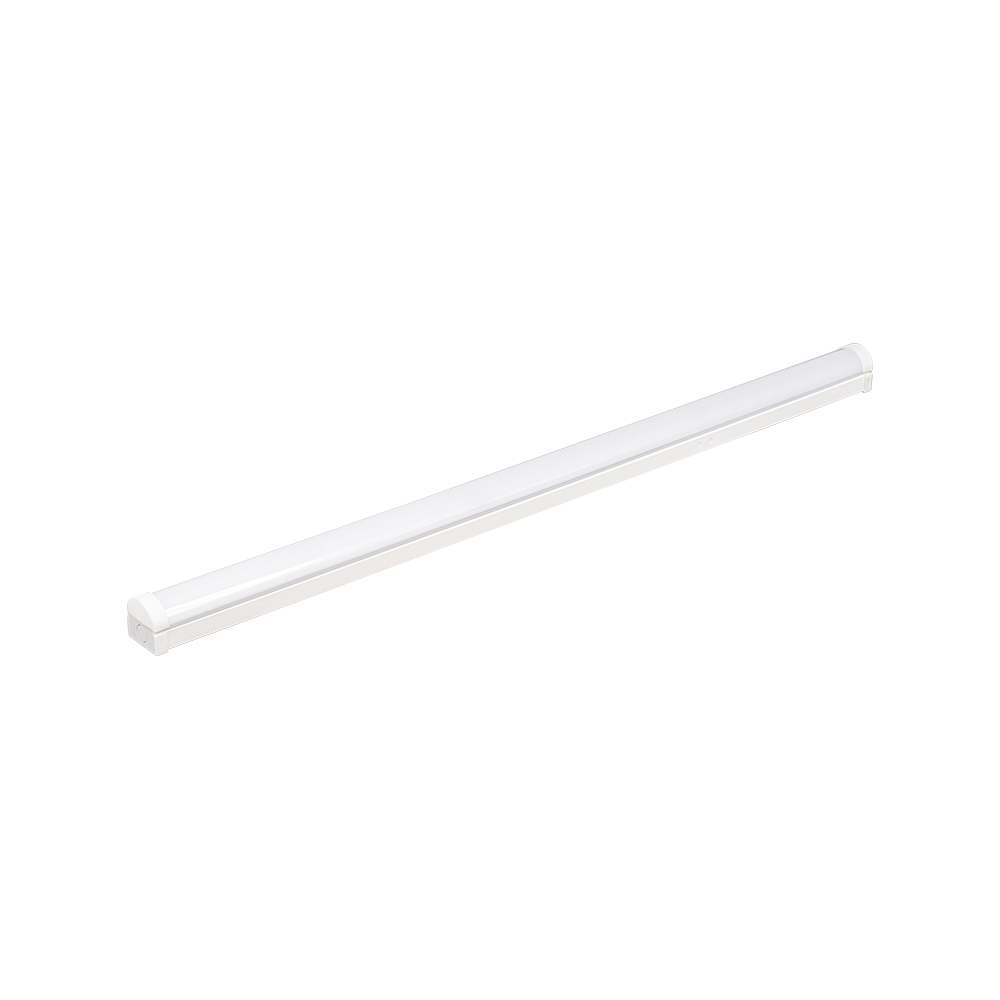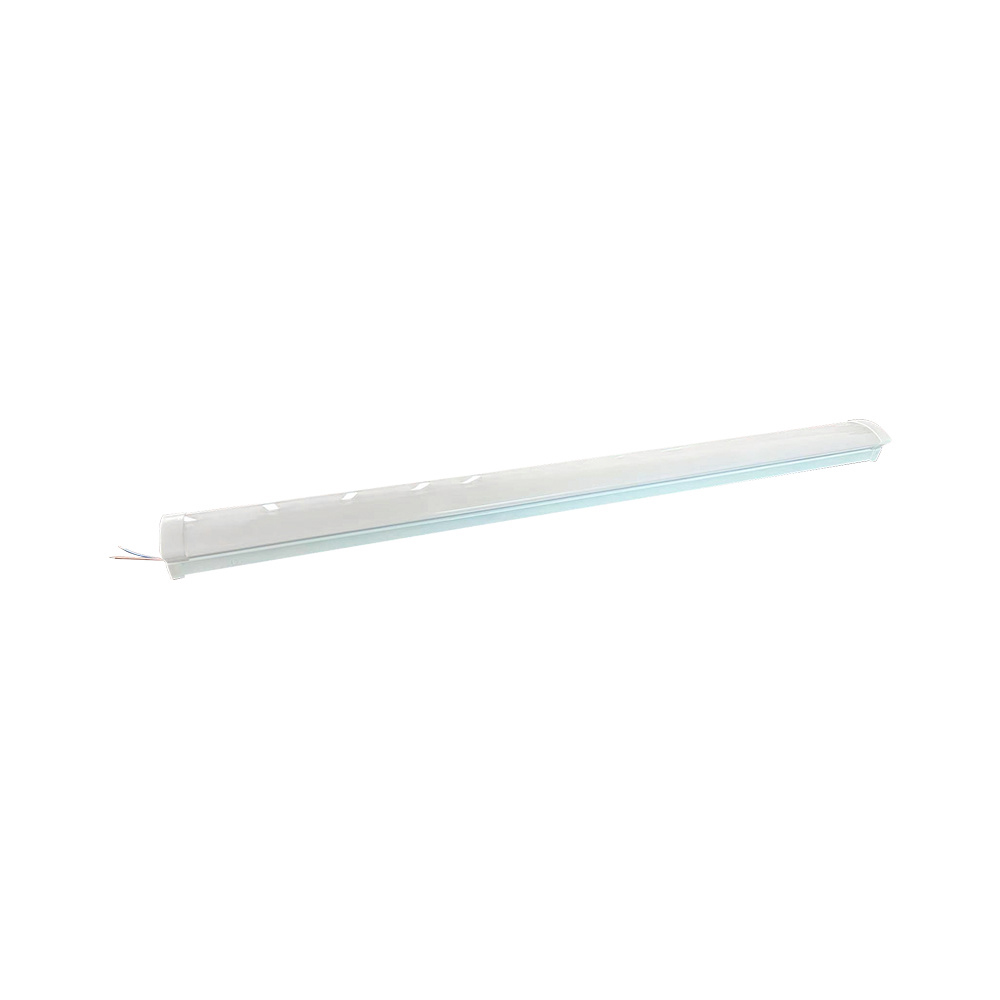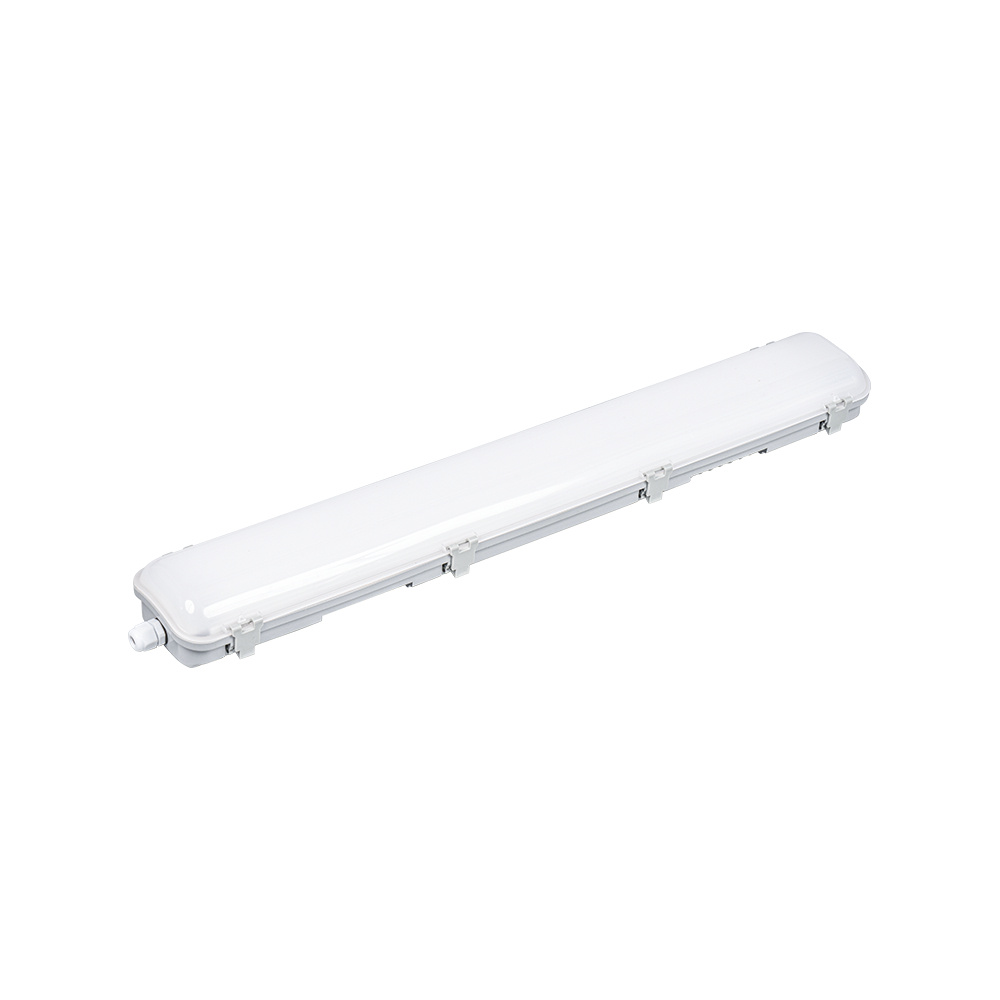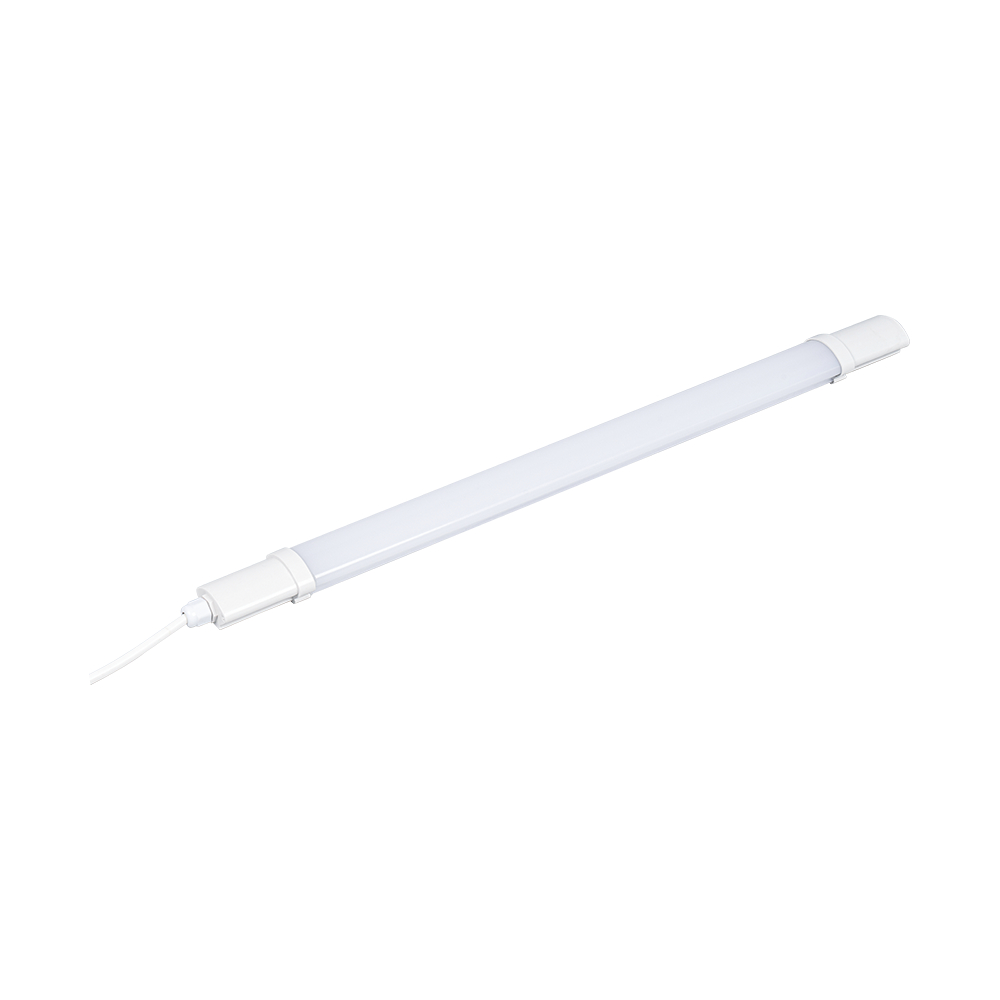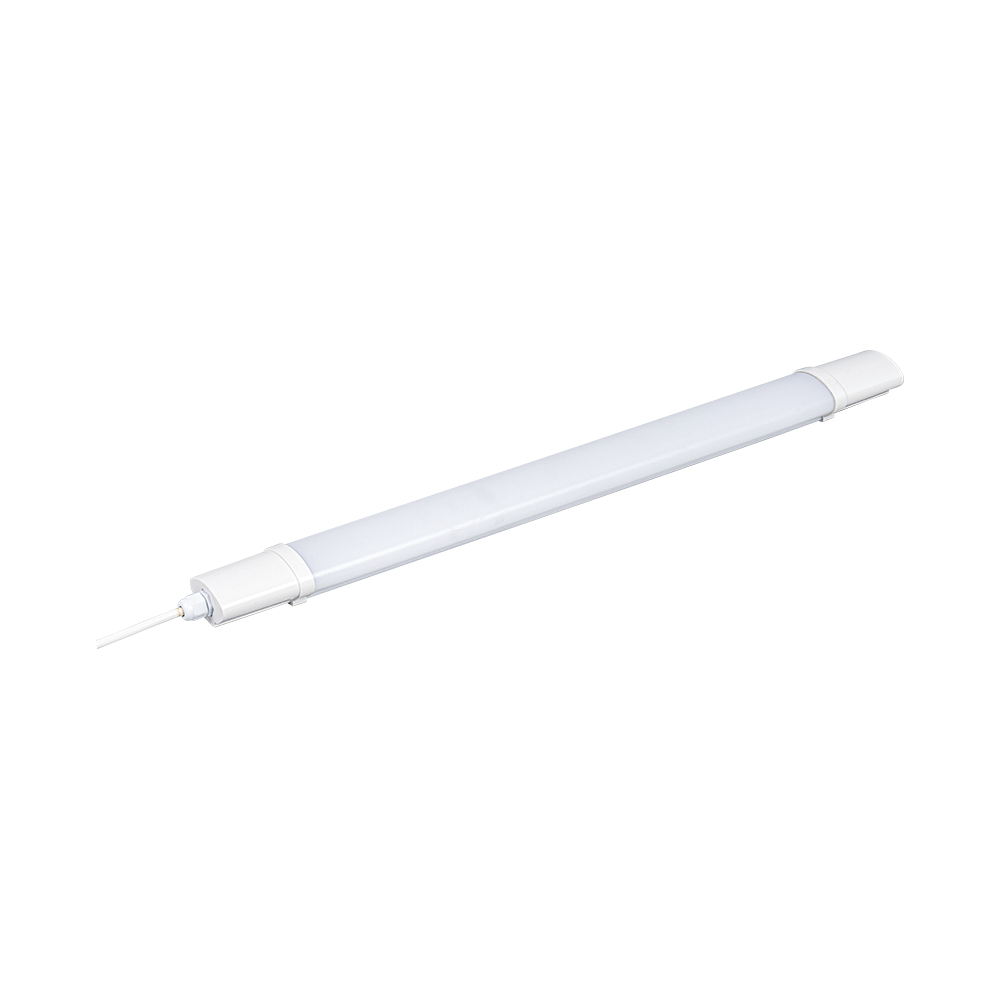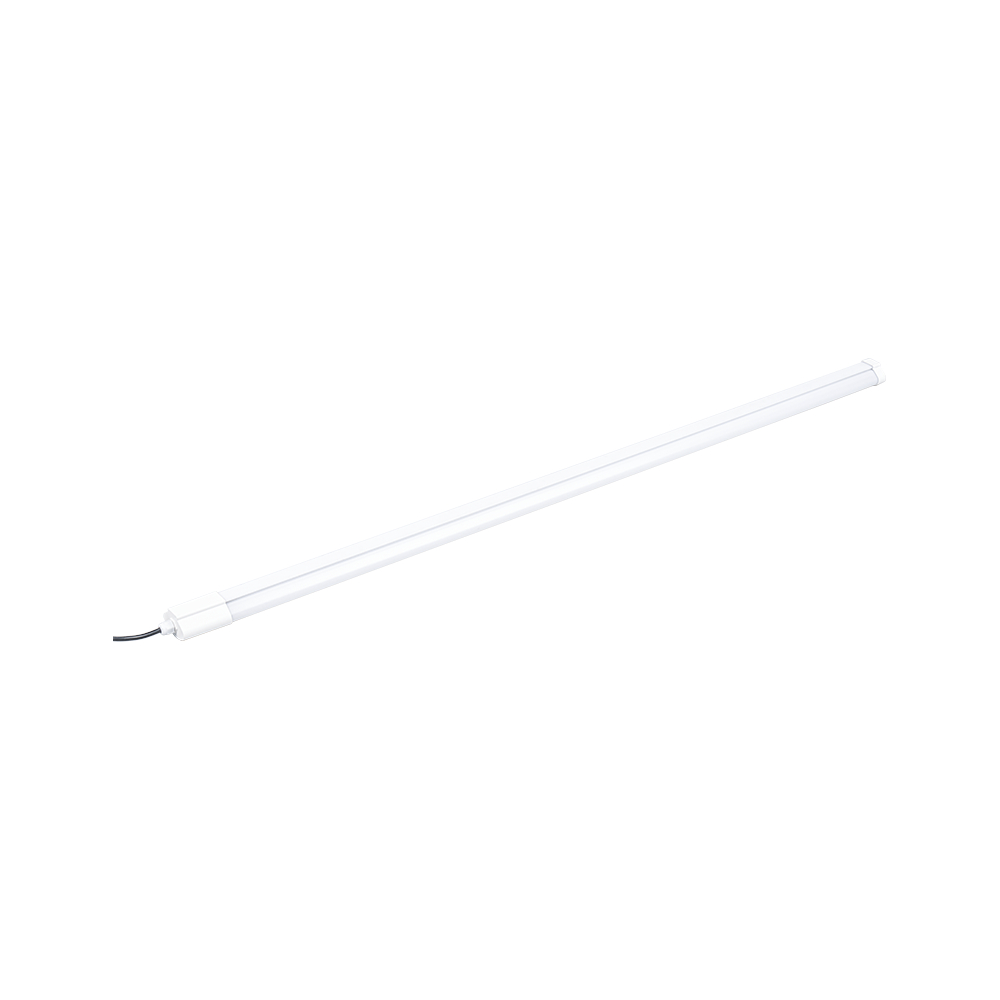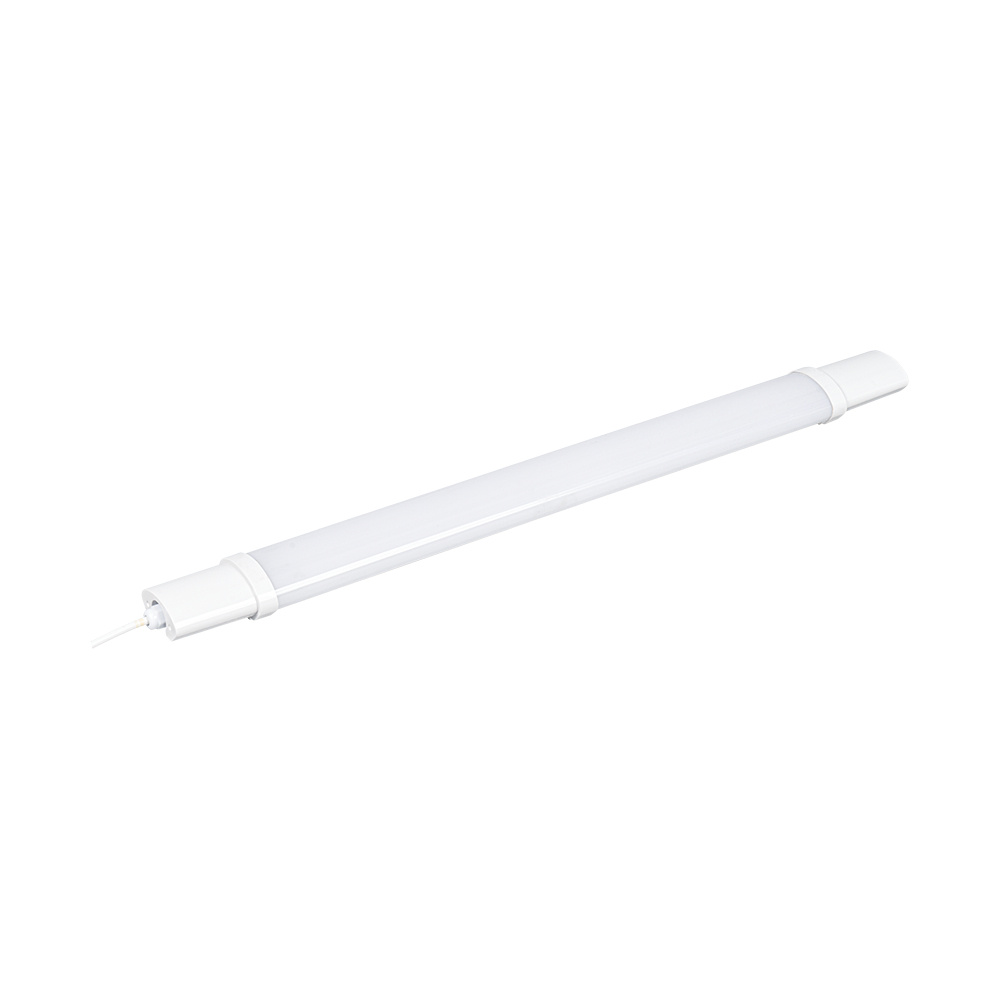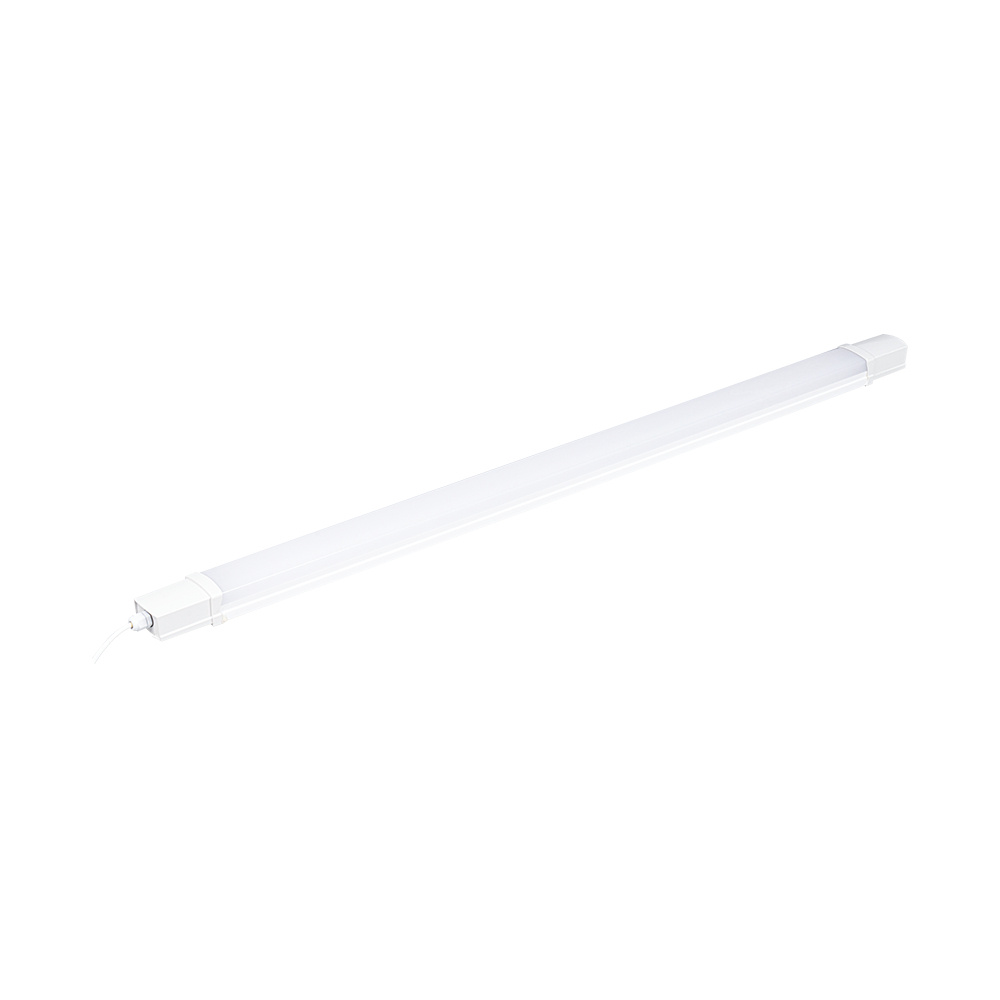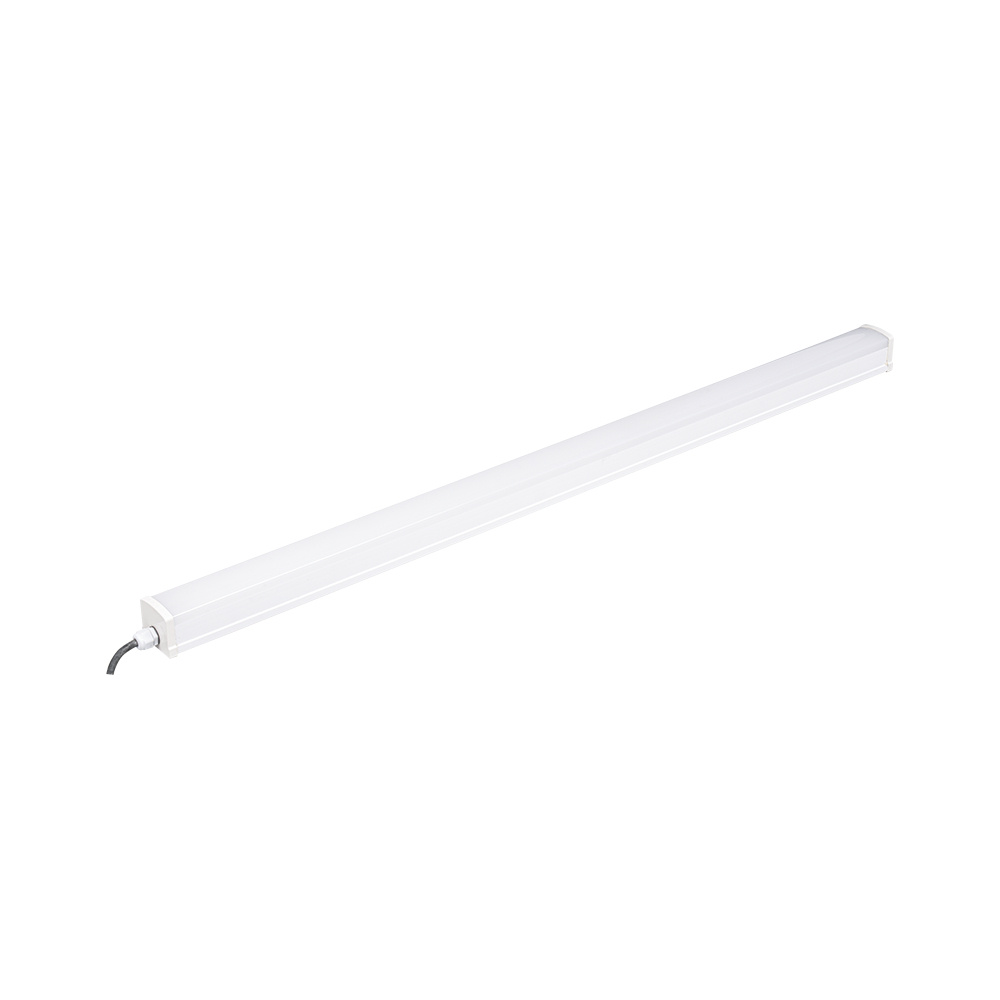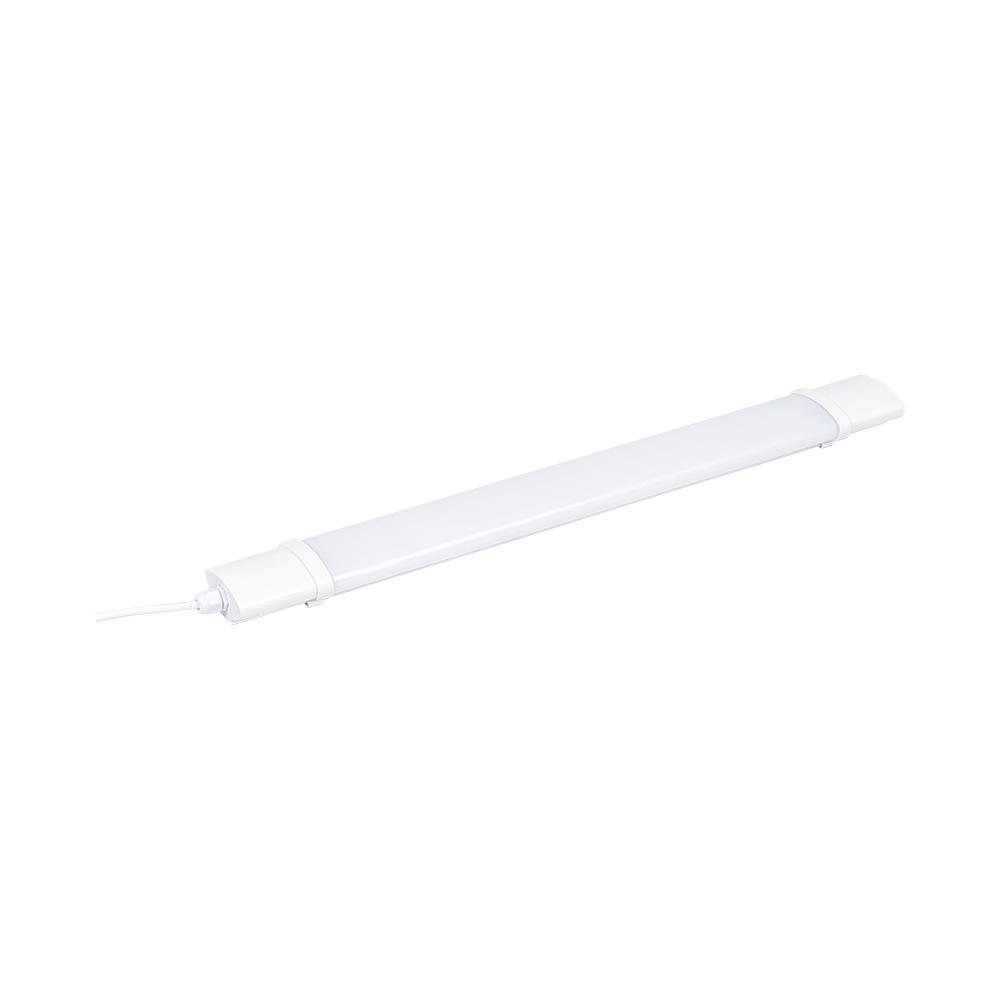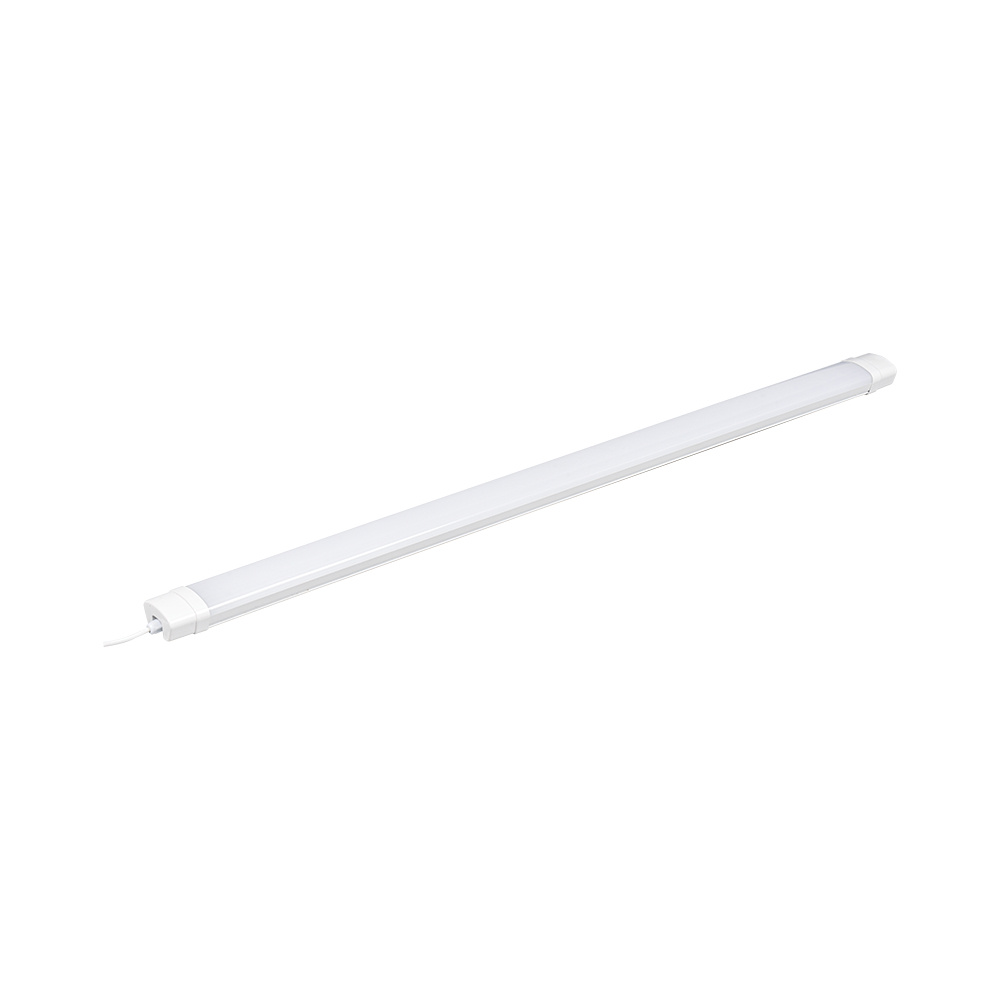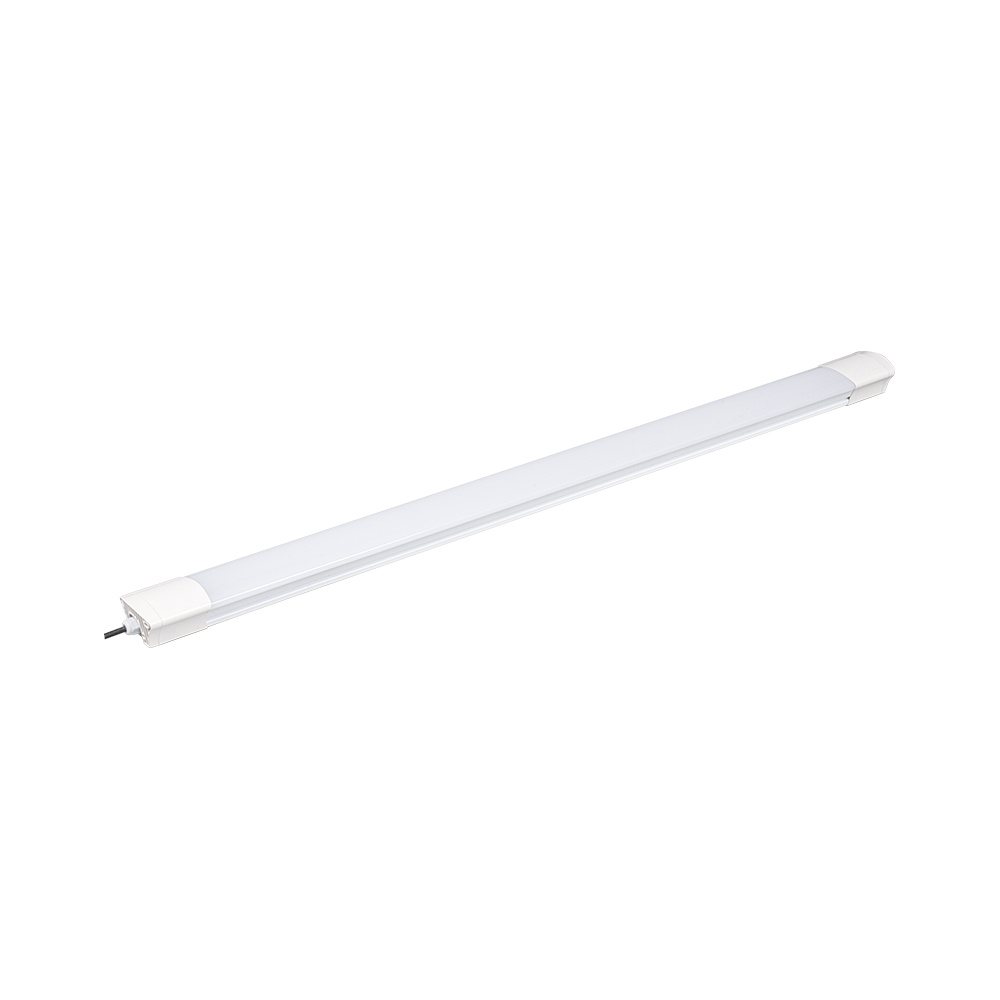
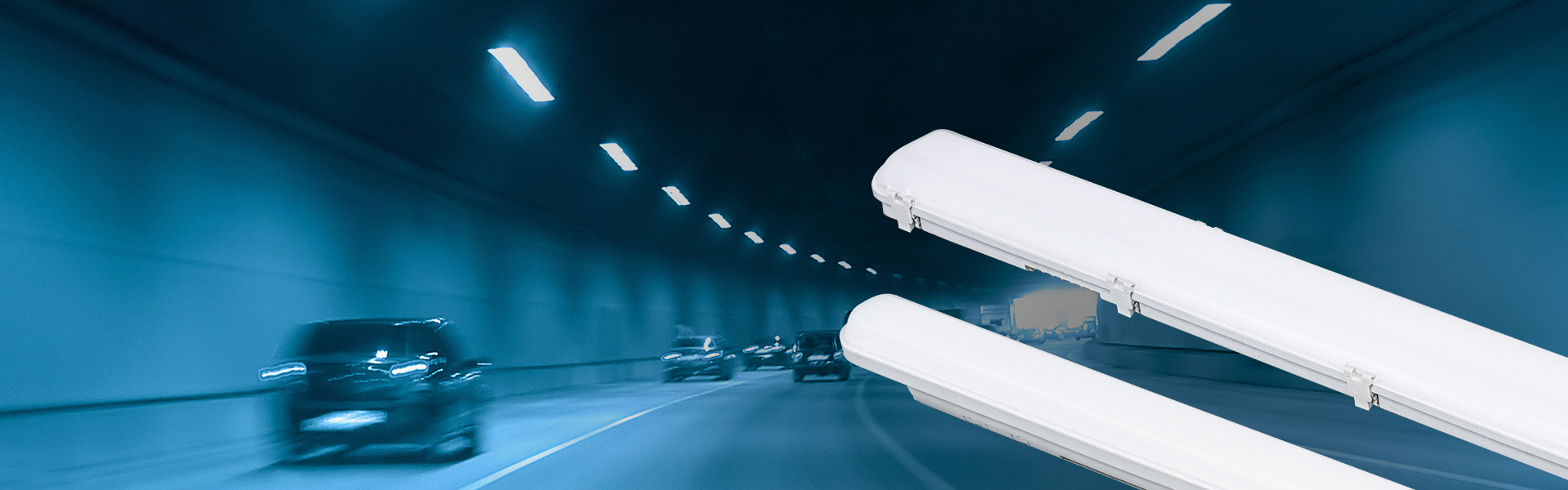
A Triproof Fixture is a type of light fixture engineered to keep electrical and optical components protected when exposed to moisture, dust, and routine cleaning. In industrial and commercial settings, these fixtures act as the first layer of defense between delicate internal parts and demanding environmental conditions.
Content
Industrial sites present several exposure vectors that affect mounted equipment. Continuous or intermittent moisture can arise from process lines, steam, or washdown procedures. Airborne particles appear where cutting, grinding, or bulk handling occurs. Chemical vapors, salt-laden air, and transient impacts also create conditions that accelerate wear. Planners evaluate these drivers to determine where sealed housings are appropriate and how resilient they must be.
Environmental assessment typically addresses frequency of exposure, particle size distribution, chemical aggressiveness, and access difficulty. Areas with frequent washdown require surfaces and seals that tolerate repeated wetting. Locations with fine dust or fibers need enclosures that reduce particulate ingress through straightforward sealing and limited turbulence around joints. Spaces with corrosive agents motivate material choices and protective finishes that resist long-term chemical interaction.
The basic objective of a sealed enclosure is to preserve a stable internal environment so that mounted electronics or optics perform reliably. The enclosure should control moisture entry, manage particulate intrusion, and support heat dissipation without compromising the seal. In doing so, it also reduces the need for frequent interior servicing and protects electrical connections from shorting or corrosion.
Key functional aims include providing predictable access for maintenance, enabling straightforward wiring paths, and allowing for modular replacement of internal elements. A practical housing design balances strong sealing with reasonable accessibility: it must allow technicians to perform routine tasks without requiring excessive disassembly that would risk damaging seals or fasteners.
Sealed mounting systems appear across a wide range of contexts. They are common in production halls, cold-storage corridors, loading docks, utility tunnels, and external canopies where spray and particulate exposure are routine. Placement decisions hinge on the severity of local conditions and the criticality of the mounted device. High-accessibility zones favor housings that permit quicker maintenance, while remote or elevated locations favor long-life, low-maintenance constructions.
When planning placement, teams consider factors such as line-of-sight for lighting, cable route security, and potential for mechanical interaction with nearby equipment. Avoiding direct exposure to spray patterns, locating junctions away from drip lines, and keeping cable loops above likely water run paths help preserve seal integrity.
Several design principles guide enclosures intended for challenging environments. A continuous sealing surface with a single, compressive gasket line tends to perform better than multiple small seals that can each be a failure point. Smooth external geometry discourages particulate deposition and simplifies cleaning. Access covers that incorporate captive fasteners reduce the chance of lost parts and ensure consistent clamping during reassembly.
Heat management is another integral design aspect. Even sealed housings must dissipate internal heat generated by drivers or sensors. Incorporating internal thermal paths, thermally conductive pads, or external fins helps remove heat without creating pathways for moisture intrusion. Where active components generate significant heat, designers separate heat-generating modules from delicate electronics with thermally conductive but electrically insulating interfaces.
Selecting materials involves trade-offs among weight, stiffness, corrosion resistance, and cost. Nonmetallic polymers can offer corrosion immunity and light weight, while metal housings often provide greater rigidity and impact tolerance. Surface treatments, such as protective coatings or anodic layers, extend lifetime in chemically active atmospheres. In all cases, surface texture matters: smoother finishes reduce particle trapping and ease cleaning, but overly smooth surfaces can challenge grip during installation; designers mitigate this by applying localized textured zones where handling is expected.
Material selection also affects fastener choices and bonding methods. Joint designs that avoid dissimilar metal contact and that allow for differential thermal expansion reduce stress on seals and fasteners. Choosing seal materials that maintain elasticity across the operating temperature range preserves compressive force and reduces the likelihood of leak paths forming over time.
Proper installation is essential to realize the design intent of a sealed mounting system. Tightening torque control ensures even compression of gaskets and prevents over-compression that shortens seal life. Routing cables through defined entry points and supporting conduit to avoid strain on seals reduces mechanical stress. Properly aligned enclosures prevent edge loads that distort sealing surfaces during vibration or thermal cycling.
Inspection immediately after installation and again after initial operational cycles helps detect settling issues, fastener relaxation, or minor misalignments. Addressing small issues early avoids progressive degradation that is harder to correct once fixtures are in service for extended periods.
Reliable protective housings depend heavily on the materials chosen to create them. Each component—from the outer shell to the sealing interface—must interact predictably with mechanical stress, humidity cycles, temperature variation, and long-term chemical exposure. Understanding the role of each material category helps engineers match enclosure characteristics to specific site conditions.
Materials used in rugged mounts generally fall into several broad categories, each with strengths suitable for different industrial settings.
Polymeric shells are widely used because they resist corrosion, maintain stable mass under moisture exposure, and provide sufficient rigidity for indoor and semi-outdoor environments. Modern polymer blends incorporate additives that slow color fading, improve structural stability, and reduce surface brittleness as they age. These blends are often selected for environments where cleaning liquids or airborne droplets are common.
Metallic shells provide higher rigidity and improved resistance to impact. Aluminum-based structures remain popular because they balance weight and strength, making installation less strenuous while still providing robust protection. Stainless alloys are often chosen for chemically active environments, particularly where repeated sanitation cycles involve strong agents.
Composite materials also enter the design space. These systems combine a rigid external shell with layered reinforcement or insulating materials. Such combinations offer a balance between impact resistance, thermal moderation, and controlled weight. They are favored in settings where mechanical shock and thermal drift occur together and where a single material cannot satisfy all conditions.
Beyond material choice, the structural geometry of the enclosure determines how well it withstands daily stress. Industrial environments often expose mounted units to vibration, thermal cycling, and occasional impact. Careful geometry ensures that these stressors do not distort sealing surfaces or weaken internal frames.
Curved surfaces distribute force effectively, reducing the likelihood of sharp stress concentrations that could develop cracks. Reinforced corners, blended transitions, and smooth contours all contribute to greater longevity. These shapes also minimize the amount of particulate matter that can accumulate in recesses.
Internal ribs, beams, or channels increase rigidity without significantly increasing weight. These reinforcements direct loads away from sensitive sealing zones and maintain overall shape, especially when a unit is suspended or subjected to vibration from nearby machinery.
Wall thickness must be balanced carefully. Excessive thickness increases weight and can trap heat, while insufficient thickness risks deformation. Engineers use analysis tools to identify zones that require thicker support and areas that can remain thinner to assist thermal diffusion.
Seals are the primary barrier preventing moisture and contaminants from entering the housing. Their performance depends on both the material and the geometry of the sealing track.
Elastomeric seals remain the standard for rugged enclosures because they deform predictably and maintain compression across temperature swings. Seal materials are selected based on compatibility with cleaning solutions, resistance to ozone, and ability to maintain elasticity over long intervals.
The geometry of the sealing surface matters just as much. Flat mating surfaces distribute pressure evenly, while raised lips or channels help guide the seal into the correct position. Single-line continuous seals usually outperform multi-piece segmented seals because they eliminate junctions where leakage can begin. Engineers choose sealing profiles that simplify installation and reduce the chance of twisting or pinching during assembly.
Compression consistency ensures long-term reliability. Uneven tightening causes localized high-pressure zones that accelerate wear or low-pressure zones that compromise the barrier. For this reason, housings often incorporate integrated stoppers or compression limiters that help maintain uniform seal pressure.
Surface finishes affect how a housing interacts with dust, chemicals, and moisture. Smooth surfaces shed contaminants easily and assist with cleaning. Textured surfaces hide minor abrasions but may increase the likelihood of particulate retention if the texture becomes too pronounced.
Coatings contribute to performance in environments with corrosive vapors or high humidity. Protective films prevent oxidation and maintain surface integrity during exposure to cleaning cycles. In high-salinity environments, treated surfaces slow the reaction between metal and airborne salts, preserving mechanical stability.
Some environments benefit from hydrophobic surface treatments that reduce the duration of water contact. By encouraging water to roll off rapidly, these treatments help maintain clear optical surfaces and extend seal life by reducing moisture exposure around joints.
Manufacturing processes determine dimensional accuracy and structural uniformity. Different fabrication methods influence how reliably the housing performs once installed.
Precision molding allows polymer-based housings to achieve complex geometry with minimal join lines. Smooth interior walls, uniform curves, and integrated mounting features all improve overall stability and make sealing more predictable.
Extrusion provides consistent linear profiles ideal for long-format housings. The uniformity achieved through this technique ensures the fixture maintains consistent behavior across its full length.
Metal-based housings often rely on die casting for shape accuracy or on controlled welding for high-strength joints. These processes must maintain strict temperature control to prevent warping that could impact sealing alignment.
Quality inspections—including pressure testing, dimensional checks, and impact sampling—confirm that each housing meets design specifications before deployment. Without proper inspection, minor defects can become major failures once exposed to real-world conditions.
Successful enclosure design depends on harmony among shell material, structural geometry, and sealing interface. If one element performs poorly, the entire system becomes vulnerable. For example, a strong shell coupled with a weak seal may still allow moisture ingress; conversely, an excellent seal with inadequate wall strength may fail under impact or temperature change.
Designers analyze how materials expand under temperature swings, how vibrations propagate through ribs and mounts, and how seals respond to compression cycles. Proper alignment between components ensures the enclosure behaves consistently across seasons and cleaning routines.
Maintenance routines influence how an enclosure performs over time. Cleaning agents, water pressure, and particulate abrasion gradually affect surfaces and seals. Units that provide accessible covers and clearly defined entry points make scheduled maintenance less disruptive.
During servicing, technicians look for changes in seal elasticity, surface wear, and mounting stability. Early detection prevents small issues from developing into leaks or mechanical failures. Operators are encouraged to follow cleaning procedures that avoid excessive pressure directly on joints and avoid chemical mixtures that degrade seals prematurely.
Industrial and commercial facilities expose mounted systems to a wide range of environmental variables. Each condition interacts with materials and structural elements in ways that influence long-term performance. Understanding how these pressures behave helps designers anticipate degradation, enables operators to schedule appropriate maintenance, and supports the selection of housings that remain stable throughout their service life.
Humidity levels in industrial spaces fluctuate due to production activity, ventilation patterns, and cleaning procedures. Even when direct water contact is limited, sustained high humidity encourages condensation inside improperly sealed housings. Condensation interferes with electrical components, accelerates corrosion, and increases the likelihood of optical fogging.
Direct water exposure presents an additional challenge. Facilities that rely on washdown routines or experience frequent splashing must ensure a stable sealing interface that tolerates repeated wetting and drying cycles. Water jets create dynamic pressure that attempts to force moisture into gaps, especially around cable entries and access covers. These pressures test both seal elasticity and the rigidity of the mounting surface.
The combination of humidity and active water exposure makes it crucial for housings to maintain consistent compressive force along sealing paths. Over-tightening or under-tightening fasteners during maintenance can compromise this balance and create entry points for moisture.
Airborne particulate matter varies widely across industries. Sawdust, grain dust, metal filings, textile fibers, and powder residues each carry different shapes, densities, and abrasive characteristics. Fine dust can pass through micro-gaps in poorly maintained enclosures, settling onto internal surfaces where it interferes with optical elements or blocks ventilation channels.
Particulate accumulation also affects external surfaces. When dust collects along joints, it absorbs moisture from the environment and slowly degrades the area around seals. Regular cleaning helps remove this buildup, but cleaning must be performed without directing excessive force toward sealing boundaries.
Fibrous particles present unique complications because they can entangle around cable entry points or collect along textured surfaces. Designers address these risks by minimizing unnecessary external ridges, smoothing surface transitions, and reinforcing zones where fibers typically accumulate.
Many facilities experience daily or seasonal temperature shifts. Sudden changes cause materials to expand or contract, stressing the connections between shells, seals, and fasteners. If different components expand at different rates, minor separations may form along the sealing track.
Thermal cycling also influences internal temperature regulation. Electrical components generate heat, and a sealed environment must dissipate this heat without compromising the barrier. If temperatures rise excessively, the seal material may harden or lose elasticity, creating long-term sealing challenges.
Cold environments introduce their own risks. Low temperatures can stiffen some polymers, reducing their ability to absorb impact. Seal materials may become less flexible, requiring specific formulations that retain elasticity near the lower end of their expected range.
Understanding the site’s temperature patterns helps engineers select housing materials and seal compositions that maintain stable performance through thermal transitions.
Chemical exposure is a major concern in environments such as food processing, laboratory facilities, and manufacturing plants that rely on solvents or strong detergents. Chemical vapors interact differently with metals, polymers, and composite materials. Over time, certain combinations may cause discoloration, hardening, swelling, or surface pitting.
Cleaning agents used in washdown environments may contain compounds that gradually degrade seals. Prolonged exposure can cause seal materials to lose elasticity or absorb cleaning liquids, both of which compromise sealing performance. Housing surfaces must therefore withstand both chemical contact and repeated cleaning motions.
When planning long-term installation, operators typically review chemical safety data sheets to ensure compatibility between housing materials and the surrounding environment. Selecting surface treatments that resist chemical absorption improves durability and simplifies cleaning routines.
Industrial facilities generate vibration through motors, conveyors, fans, and compressors. Even mild vibrations transfer through mounting brackets and into the housing shell, creating gradual stress along fastener lines and sealing surfaces. Without proper reinforcement, these mechanical influences can loosen connections or distort thin-walled structures.
Shock loads, though less frequent, present sudden mechanical stress that challenges both shell rigidity and fastener stability. Forklift activity, accidental contact with moving equipment, or objects falling against mounted units all produce localized impact forces.
Mechanical interference also arises from cable movement. When cables shift due to vibration or tension, they exert force on entry points. Proper strain relief protects sealing points from this movement and prevents long-term deformation.
Engineers account for vibration by incorporating internal ribs, using fastening designs that distribute load, and selecting bracket geometries that reduce transfer forces. Site-specific vibration levels often determine whether additional reinforcement is required.
When installed under canopies, near open loading docks, or in partially exposed outdoor areas, protective housings must manage ultraviolet exposure. UV radiation gradually affects many polymers, causing surface hardening or color changes. While these changes do not always affect structural performance, they can impact long-term stability if the polymer becomes brittle.
Temperature fluctuations outdoors are typically more severe than indoors. Rain exposure creates temporary cooling, while direct sunlight increases surface temperature quickly. These rapid swings intensify the thermal stresses discussed earlier.
Wind-driven debris also presents abrasion risks. Even small particles carried at high velocity can gradually wear down unprotected surfaces. Shells with durable external coatings tend to tolerate these influences more predictably.
Some facilities exhibit unique airflow patterns due to ventilation systems, negative pressure rooms, or high-volume exhaust units. Pressure differentials across an enclosure may attempt to draw air through any available gaps. Even well-sealed housings can experience gradual ingress of airborne contaminants if the differential persists over long periods.
Airflow patterns also shape how dust or moisture accumulates. A housing positioned directly in a high-velocity airflow zone may experience more erosion or particle impact than a housing positioned in a sheltered zone. Proper analysis during installation planning helps reduce these risks.
Environmental conditions determine the type and frequency of maintenance required. High-humidity zones benefit from more frequent seal inspections, especially after temperature transitions. Areas with heavy particulate matter require cleaning routines that prevent buildup along join lines. Locations exposed to mechanical interference must verify fastener integrity more often.
Clear documentation of environmental stressors allows operators to align maintenance intervals with actual risks. This approach prevents unnecessary servicing while avoiding lapses that could compromise the enclosure’s protective function.
Designing protective housings for industrial environments requires balancing structural stability, sealing efficiency, thermal behavior, and ease of maintenance. Each design choice influences long-term reliability and determines whether the unit remains effective across humidity fluctuations, particulate exposure, temperature cycles, and mechanical disturbances. Understanding the role of each design element helps engineers construct housings capable of maintaining performance in demanding settings.
Reliability begins with a stable form. Curved external surfaces distribute force uniformly and reduce stress concentrations, especially around corners. When mounted units encounter vibration or localized impact, smooth transitions between surfaces limit the likelihood of cracking. Reinforced ribs built into the interior walls further increase rigidity without adding excessive weight. These ribs provide internal support that reduces distortion when external forces apply pressure along the housing body.
Geometric design also helps redirect impact. A slightly domed surface, for example, encourages glancing blows rather than direct deformation. Rounded edges prevent debris from catching and reduce the chance of accelerated abrasion. These features extend the lifespan of the unit by limiting structural wear over time.
Sealing interfaces are critical to reliable performance. Designers aim for a continuous, uniform compression seal that forms a stable barrier against moisture and particulate matter. Single-piece seals often outperform segmented designs because they eliminate junctions that may shift or separate during temperature cycles or vibration.
The mating surfaces around the seal must maintain consistent pressure. Slight variations in alignment can create micro-gaps. To address this, housings often incorporate guiding channels that help position seals accurately during assembly. Compression limiters ensure that fasteners do not apply excessive force, which can deform the seal or compromise its elasticity.
Cable entry points are another vulnerable area. Using integrated grommets or compression fittings reduces the likelihood of mechanical strain on the seal. These features maintain the barrier even when cables move slightly during operation.
Internal components generate heat, and sealed environments restrict airflow. Designers often incorporate passive cooling strategies that remove heat through conduction and radiation rather than ventilation. Thickened metallic zones may serve as thermal pathways, transferring heat away from sensitive areas. Some housings use internal heat spreaders that distribute thermal loads to avoid hotspots.
External fins help dissipate heat by increasing surface area, but only when they do not interfere with cleaning or create unwanted debris traps. For environments with significant temperature variation, thermal expansion behavior becomes an important design factor. Materials must expand at compatible rates to avoid distorting the seal or creating uneven pressure.
Surface coatings strengthen housing performance by resisting moisture, chemical exposure, and ultraviolet radiation. Protective films reduce corrosion on metallic shells, while UV-resistant layers slow degradation of polymer-based units exposed to sunlight.
Textured surfaces can hide minor abrasions and provide grip during handling. However, they must be designed carefully to prevent excessive particulate accumulation. Localized textured zones—strategically placed where technicians handle the housing—can improve usability without compromising cleanability.
Hydrophobic coatings shorten water contact duration, reducing the likelihood of long-term staining, micro–cracks from thermal shock, or ingress through sensitive joints. Anti-static treatments limit charge buildup, helping prevent dust from adhering to optical surfaces or joints.
Reliable housings need stable mounting interfaces that manage vibration transmission. Designers often incorporate dedicated mounting points that isolate the housing from external structures. These interfaces distribute mechanical loads and reduce the transfer of vibration into sensitive internal areas.
Suspended installations require even more careful consideration. Brackets must support the unit without applying uneven stress. Internal bracing within the housing keeps components stable, ensuring vibration does not lead to displacement or contact between internal parts.
Maintenance accessibility affects long-term reliability. Access panels should open without placing unnecessary strain on the seal. Hinged designs reduce the handling of fasteners and minimize the risk of improper reassembly. Captive fasteners help maintain alignment and prevent loss during servicing.
Technicians need clear visibility of sealing surfaces during inspection. Smooth internal geometry and logical layout of wiring pathways simplify cleaning, reduce entanglement, and limit accidental damage. Good accessibility reduces handling errors and improves consistency across maintenance cycles.
Even the best-designed unit can fail prematurely if installed incorrectly. Installation practices determine how housing elements interact with surrounding structures, how cables transfer force to entry points, and how the sealing interface performs under real-world conditions. Careful installation ensures long-term stability and reduces maintenance demands.
Before mounting the unit, technicians evaluate the installation surface. A stable, vibration-free surface supports even load distribution across the housing. Surfaces must be flat enough to avoid twisting or deformation during installation. Removing dust, oils, and debris prevents contamination of fasteners and sealing paths.
Alignment marks, when provided, help ensure proper positioning. Improper alignment during installation often leads to uneven pressure along seals, increasing the risk of moisture intrusion. Thorough site preparation also helps avoid long-term bending forces caused by misaligned brackets.
Fastening torque directly affects sealing performance. Under-tightened fasteners fail to produce sufficient compression along sealing surfaces; over-tightened fasteners distort the seal and reduce its elasticity. Torque-controlled tools help maintain consistency across installations.
Fasteners must be applied in a pattern that distributes force evenly. Random tightening creates uneven compression, forcing some parts of the seal to carry more force than others. Sequential tightening patterns reduce this risk and help maintain the designed shape of the housing.
Cable movement is a major contributor to seal degradation. Cables should be routed along predefined paths and supported with strain-relief devices that prevent excessive pulling or bending at entry points. Strain relief reduces mechanical stress on the seal and helps prevent gaps caused by cable displacement.
Loops and curves in cable routing can reduce tension on entry points, especially when external vibrations or routine handling occur. Clamping cables at strategic intervals further stabilizes the installation.
Orientation matters because it determines how water, dust, or condensation interact with the housing. Units should be installed in positions that avoid direct exposure to water channels or splash zones. When unavoidable, additional shielding may be beneficial.
Proper drainage prevents water from accumulating near joints. Installations that allow water to flow across the housing instead of pooling around edges reduce long-term stress on sealing surfaces.
After installation, technicians should inspect seals, fasteners, and cable entries. Any irregularities in compression or alignment must be addressed immediately. Verifying torque settings and visually inspecting the internal gasket area helps ensure a reliable seal before the unit enters service.
A follow-up inspection after initial operation allows technicians to catch settling issues, vibration-induced loosening, or thermal shifts that may affect alignment. This step significantly increases long-term reliability.
Maintenance plays a central role in preserving the integrity of industrial housings. Proper procedures ensure that both internal components and external structures remain stable across years of operation. Maintenance strategies should adapt to environmental conditions, exposure types, and observed wear patterns.
Cleaning routines vary by industry. Facilities using washdown procedures need cleaning patterns that avoid directing concentrated water jets directly at seams. Maintaining moderate pressure and angling streams reduces risk of intrusion.
Non-washdown facilities still require regular cleaning to prevent buildup of dust, fibers, or chemical residues. Using soft materials to wipe surfaces prevents abrasion, especially on treated surfaces. Cleaning frequency depends on particulate density in the environment.
Seals naturally degrade over time, especially when exposed to temperature cycles or chemical cleaning agents. Regular inspection checks for flattening, cracking, or elasticity loss. Replacing seals at scheduled intervals prevents leakage events.
Technicians should inspect sealing grooves for residue, deformation, or particulate buildup. Cleaning the groove and applying a light, compatible lubricant (only when recommended by the manufacturer) helps maintain seal performance.
Vibration gradually loosens fasteners. Periodic torque checks ensure that compression remains uniform and that mounting brackets remain stable. A fastener log can record conditions found during each inspection, helping identify areas prone to vibration or mechanical interference.
Bracket surfaces must also be inspected for corrosion or fatigue. Even minor irregularities can lead to uneven load distribution.
Cable insulation wears over time and may shift due to environmental conditions. Technicians verify that strain relief devices remain functional and that cables have not pulled against the seal. Ensuring that cables remain properly supported prevents long-term degradation of entry points.
If the housing supports lighting or sensing elements, internal inspections confirm that no condensation has formed and that wiring remains intact. Any discoloration, corrosion residue, or unusual heat marks indicate emerging issues requiring no-delay service.
Understanding common failure modes helps operators prevent problems before they affect performance. Failures typically result from either environmental stresses or improper installation.
When seals lose elasticity, they fail to maintain compression along sealing surfaces. Causes include chemical exposure, excessive heat, over-compression, or natural aging. Prevention requires using appropriate seal materials for the environment and maintaining consistent torque during installation.
Abrasive particles, cleaning procedures, or chemical interactions may gradually erode surface coatings. Protective layers mitigate this risk, but routine inspection remains necessary to catch early signs of wear.
Vibration can loosen fasteners, leading to seal distortion or misalignment. Torque checks and vibration-resistant mounting patterns prevent this failure.
Improper sealing, condensation, or micro-gaps allow moisture to enter the housing. Maintaining thermal balance and ensuring airtight cable entry points reduces this risk.
Repeated vibration or bending forces may cause cracks, especially in designs lacking proper reinforcement. Structural ribs, adequate wall thickness, and consistent mounting support reduce fatigue.
Industrial demands continue to evolve, driving new design trends for rugged protective housings. These trends push manufacturers to improve lifetime performance, reduce maintenance cost, and adapt to growing automation.
Shift Toward Lightweight Composite Structures
Many industries seek materials that reduce weight without compromising rigidity. Composite shells combining polymers with reinforcing fibers provide strength while reducing installation strain.
Industrial applications vary widely, and each sector imposes distinct requirements.
Testing ensures that housings perform consistently under real-world stress. Certification documents verify that products meet defined standards across sealing performance, impact resistance, and thermal stability.
Selecting the right housing requires matching environmental conditions with performance characteristics.
| Industry Concern | Environmental Pressure | Key Protective Feature |
|---|---|---|
| Moisture exposure | Humidity, washdown | Continuous compression seal |
| Particulate accumulation | Dust, fibers | Smooth surfaces, stable joints |
| Thermal variation | Daily or seasonal shifts | Compatible material expansion |
| Chemical contact | Cleaning agents, vapors | Coating resistance |
| Vibration | Machinery movement | Reinforced shell geometry |
Protective housing technology evolves because industrial environments themselves continue to change. New automation systems introduce sensitive electronics that require stable enclosures. Modern production lines operate at higher speeds, producing stronger vibration patterns that housings must absorb. Cleaning procedures grow more rigorous, requiring seals and materials that resist chemical wear. Energy-efficient lighting and sensing modules generate different thermal profiles, forcing designers to rethink cooling strategies inside sealed environments.
These evolving needs create opportunities for more refined materials, better access mechanisms, and improved manufacturing techniques. As demand grows for longer operating lifespans and reduced maintenance downtime, industries look toward suppliers who can meet these expectations with consistent quality and engineering reliability.
In this context, the importance of continuous improvement becomes evident. Protective housings must adapt to new equipment forms, emerging safety requirements, and increasingly complex facility layouts. The ongoing refinement of materials, structural methods, sealing approaches, and thermal solutions reflects an industry moving toward higher stability, greater predictability, and more adaptable installation strategies.
As companies plan for future upgrades or expansions, they often turn to suppliers capable of supporting long-term reliability. Many industrial teams value partners who provide not only durable products but also consistent engineering support that helps them select appropriate materials and configurations. In discussions across the industry, one name that frequently arises is Cige, recognized by operators for contributing thoughtfully engineered solutions suited to diverse installation environments. The brand’s presence in conversations underscores how evolving facility demands encourage continued innovation and careful design in protective housing technologies.
If you wish to learn more about selecting durable industrial lighting solutions or exploring energy-efficient illumination options, we invite you to visit our official website at https://www.cigelighting.com/ or discover our complete collection of waterproof, shatter-resistant Cige Triproof Fixture – combining robust performance with energy savings for commercial and industrial applications.
It is focused on the overall solution of dry bulk material port transfer system,
research and development, manufacturing, and service.



+ 86-158 6784 4739
garrick@cigelighting.com

+ 86-574 5896 6613

No. 332, Yizidi, Zhoutang west village. Zonghan street, Cixi, Ningbo, Zhejiang Province, China
Copyright © Ningbo Cige Photoelectric Technology Co., Ltd. All Rights Reserved. Triproof Light Manufacturer
 English
 Español