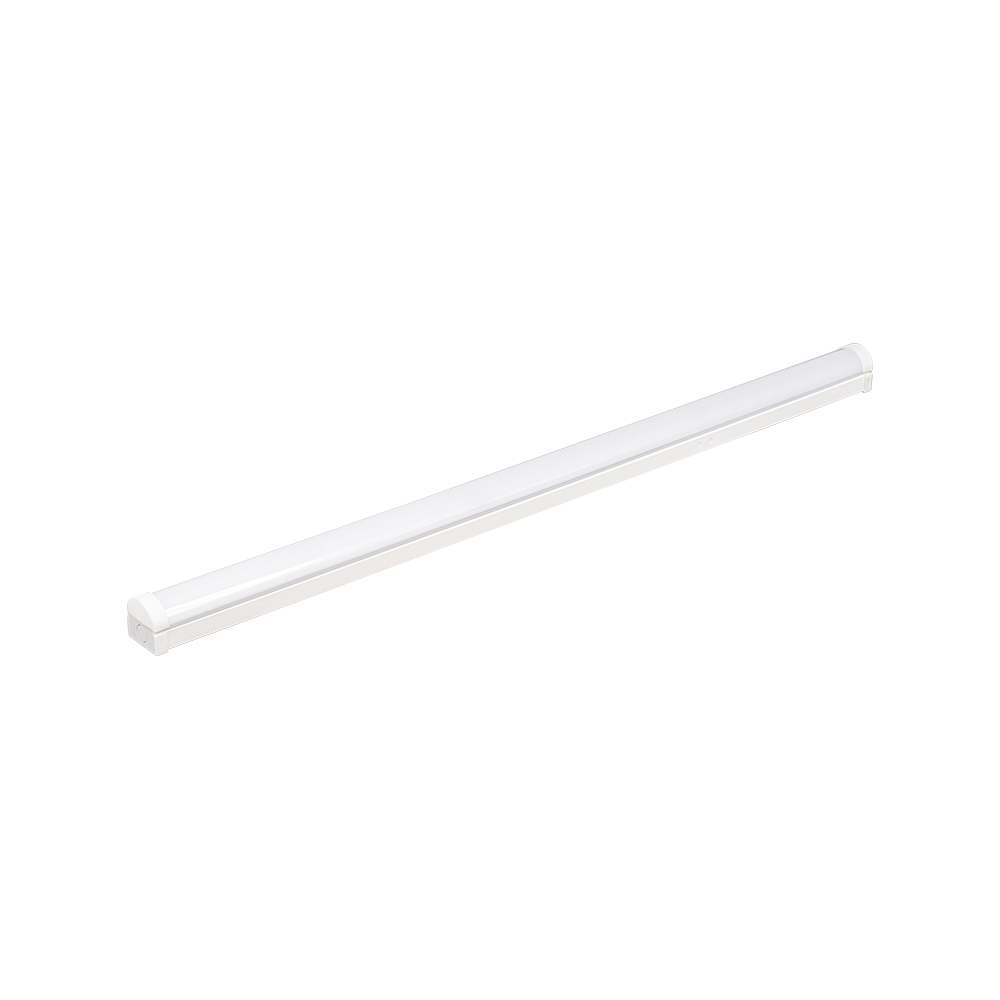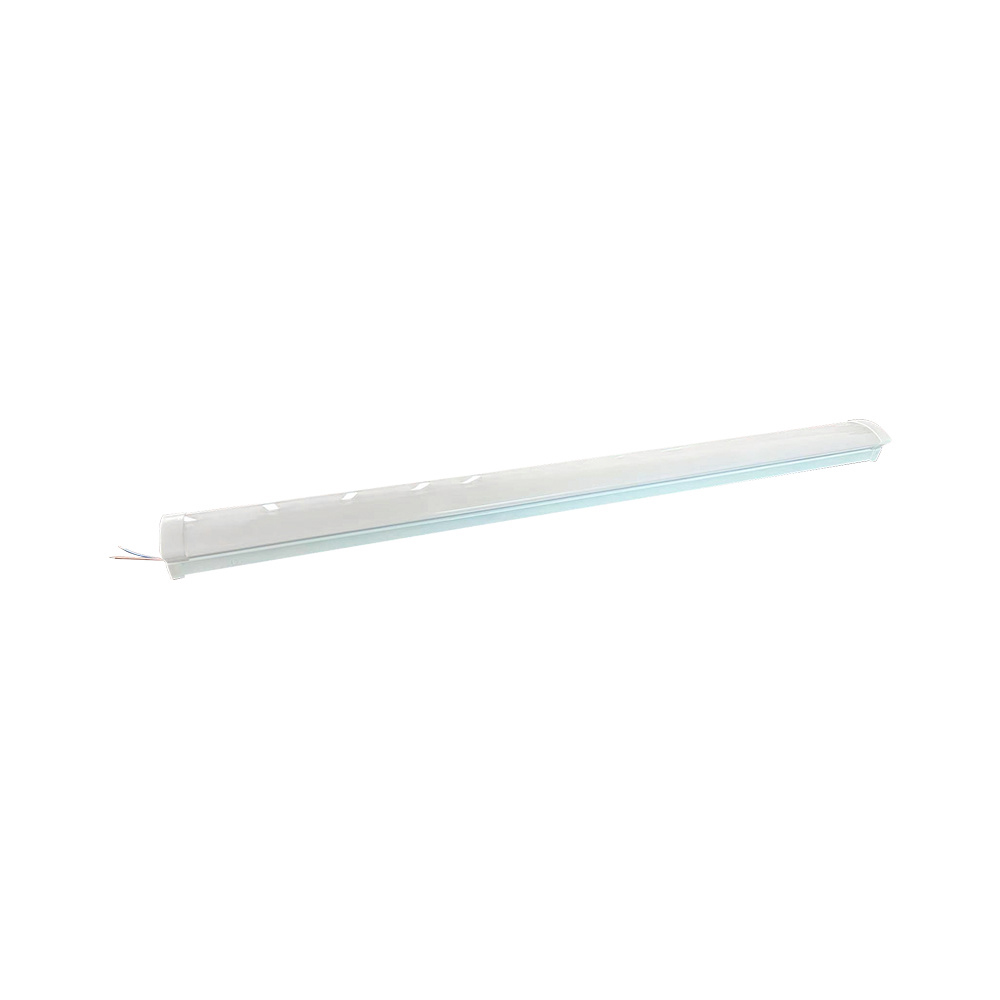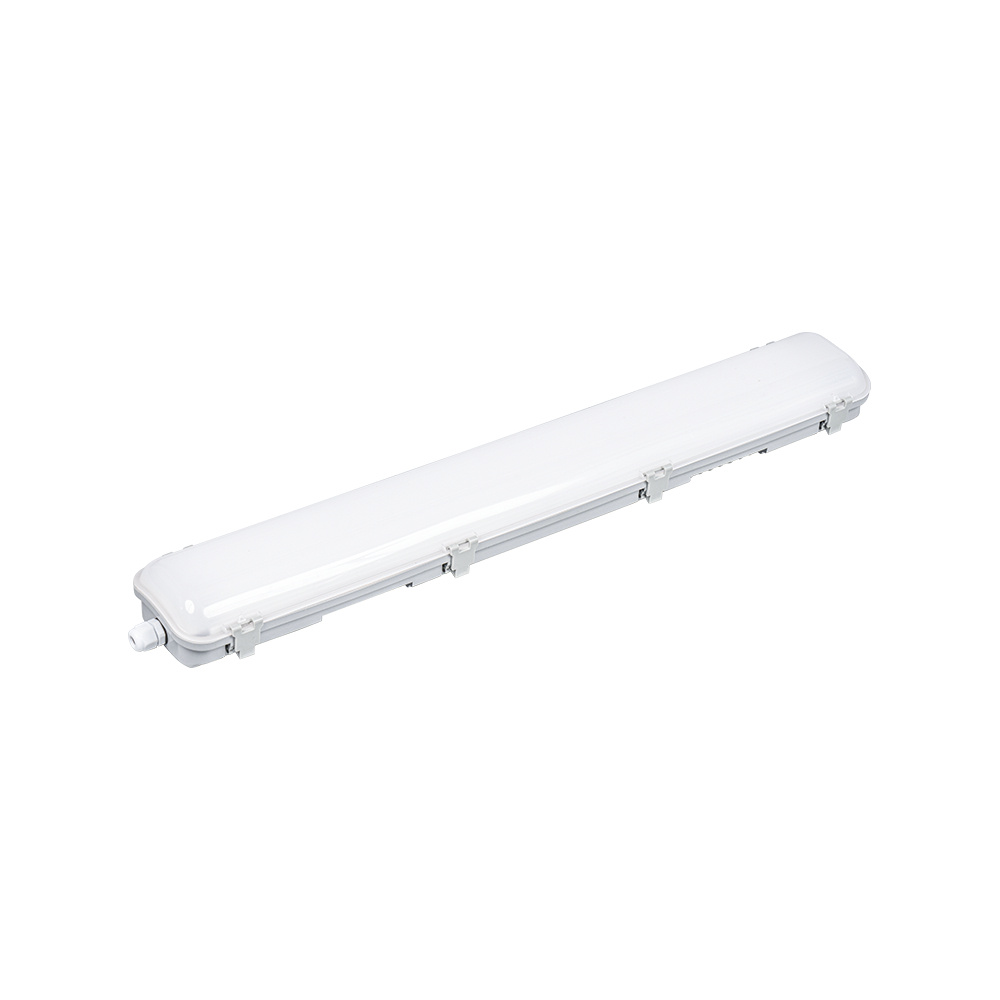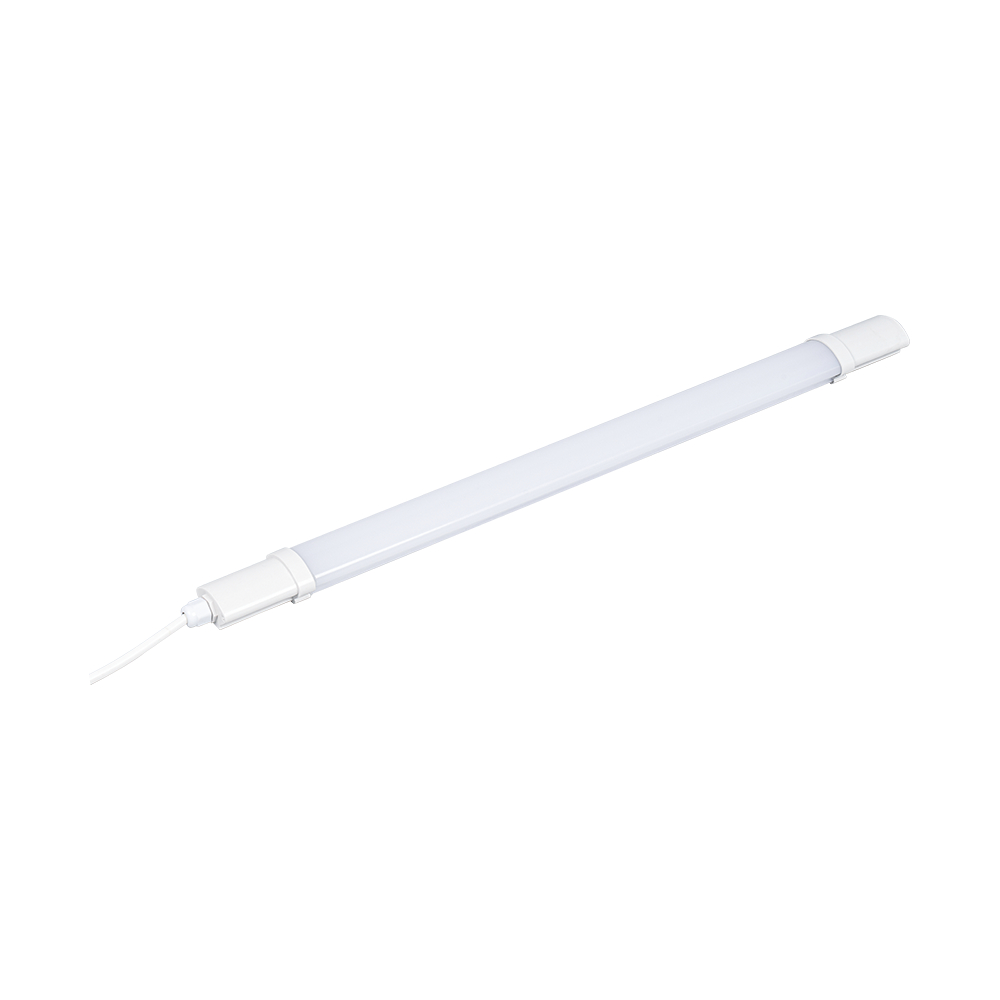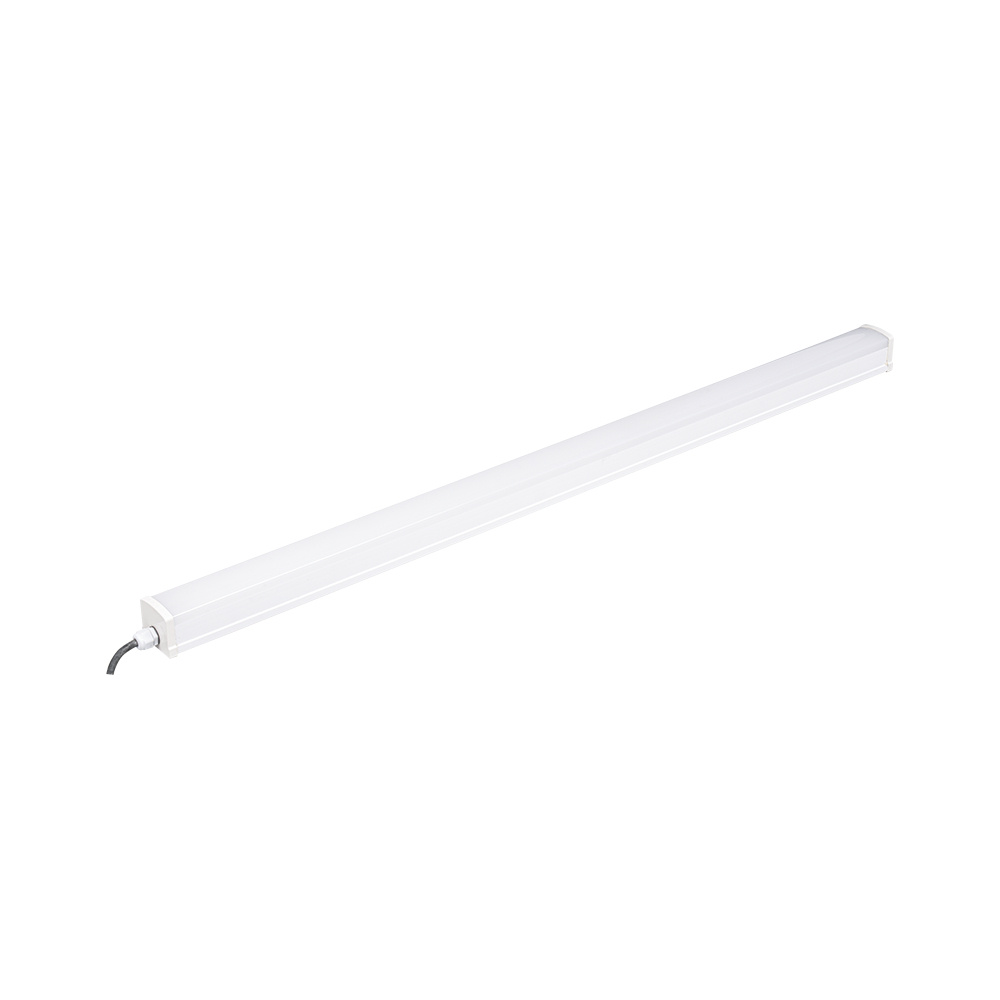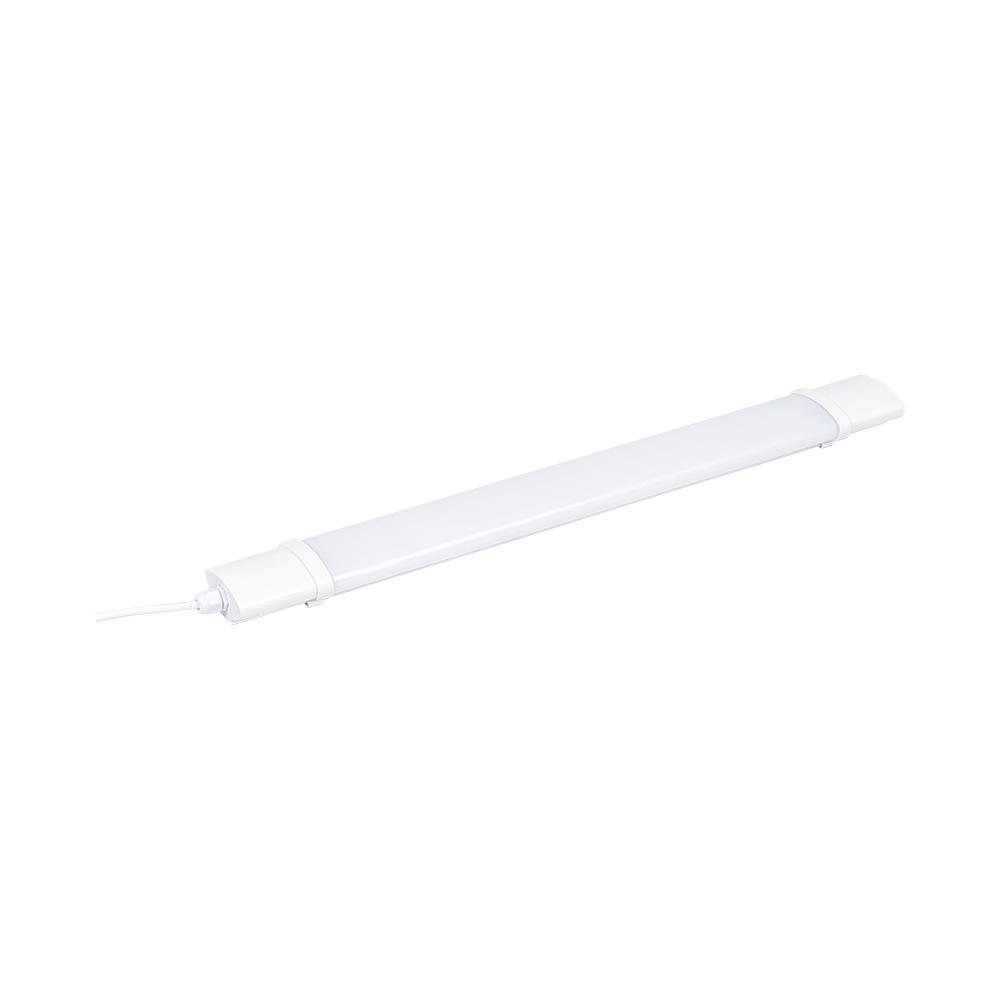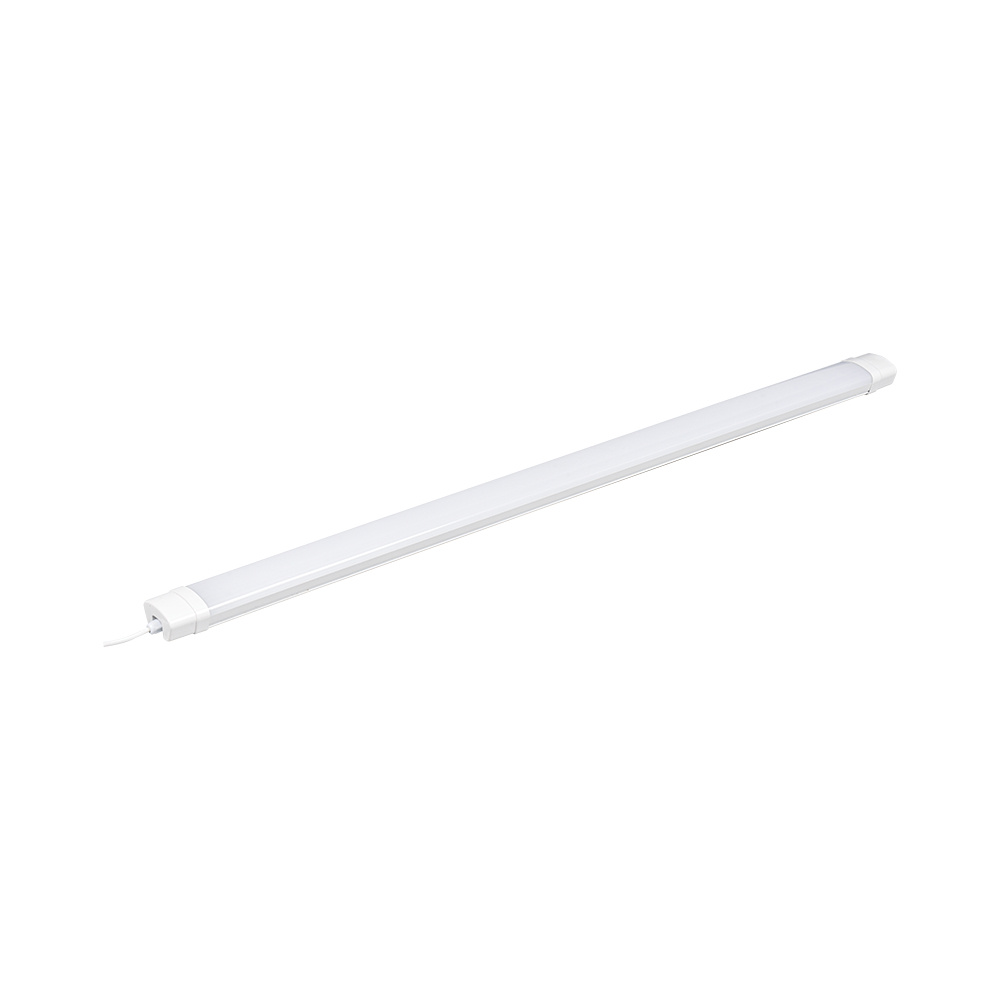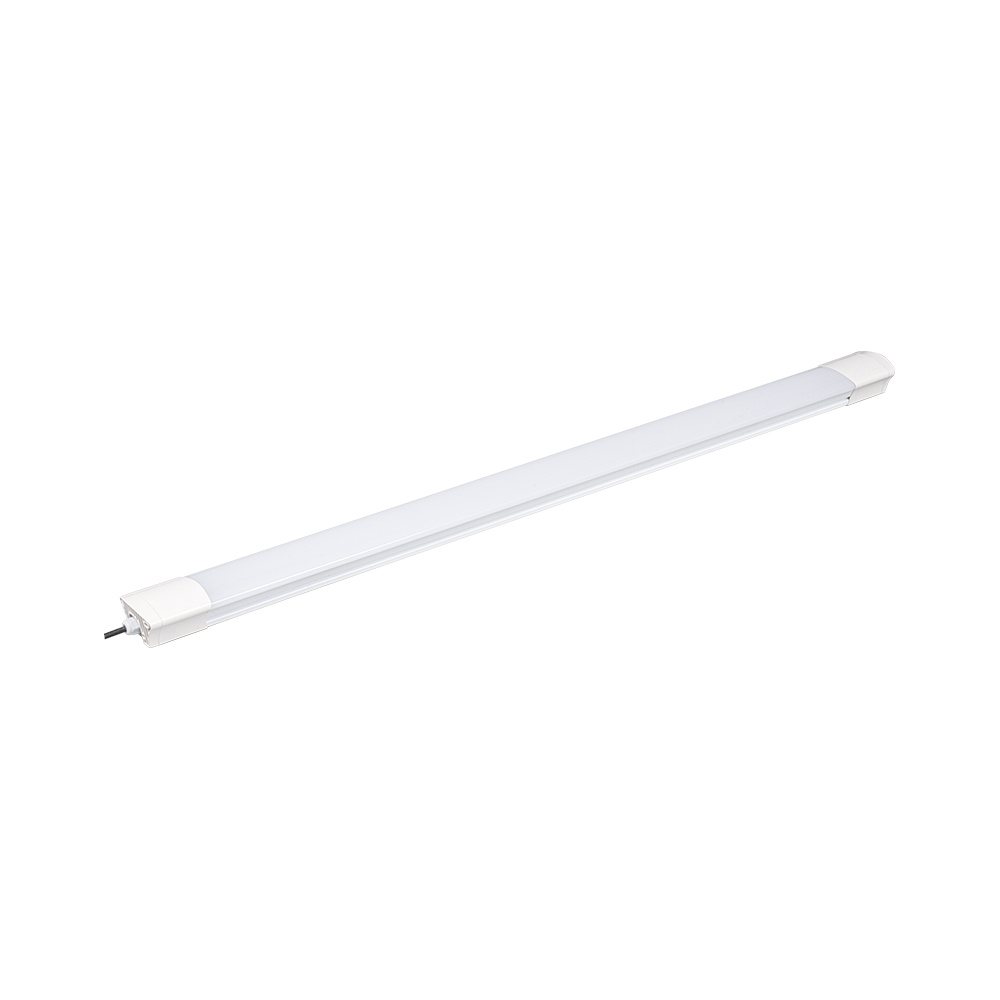
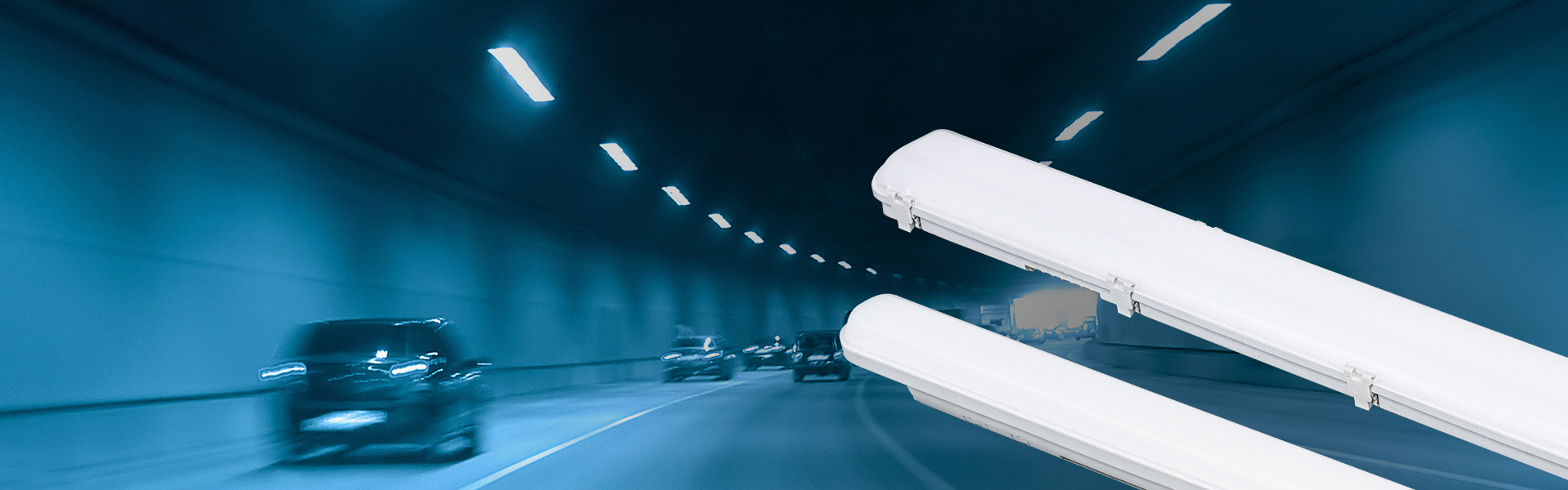
Lighting in tough spots has always been a headache for anyone managing spaces like warehouses, parking garages, factories, or even underground walkways. Regular fixtures just don't hold up when there's moisture in the air, dust flying around, or the occasional bump from equipment or carts. Lights flicker, fog up, get dirty fast, or break altogether, leading to dark corners, safety worries, and constant replacement calls. Traditional tubes or basic bulbs work fine in clean offices, but put them in a damp basement or dusty workshop and problems start quick—corrosion on contacts, water seeping in, or glass shattering from a knock.
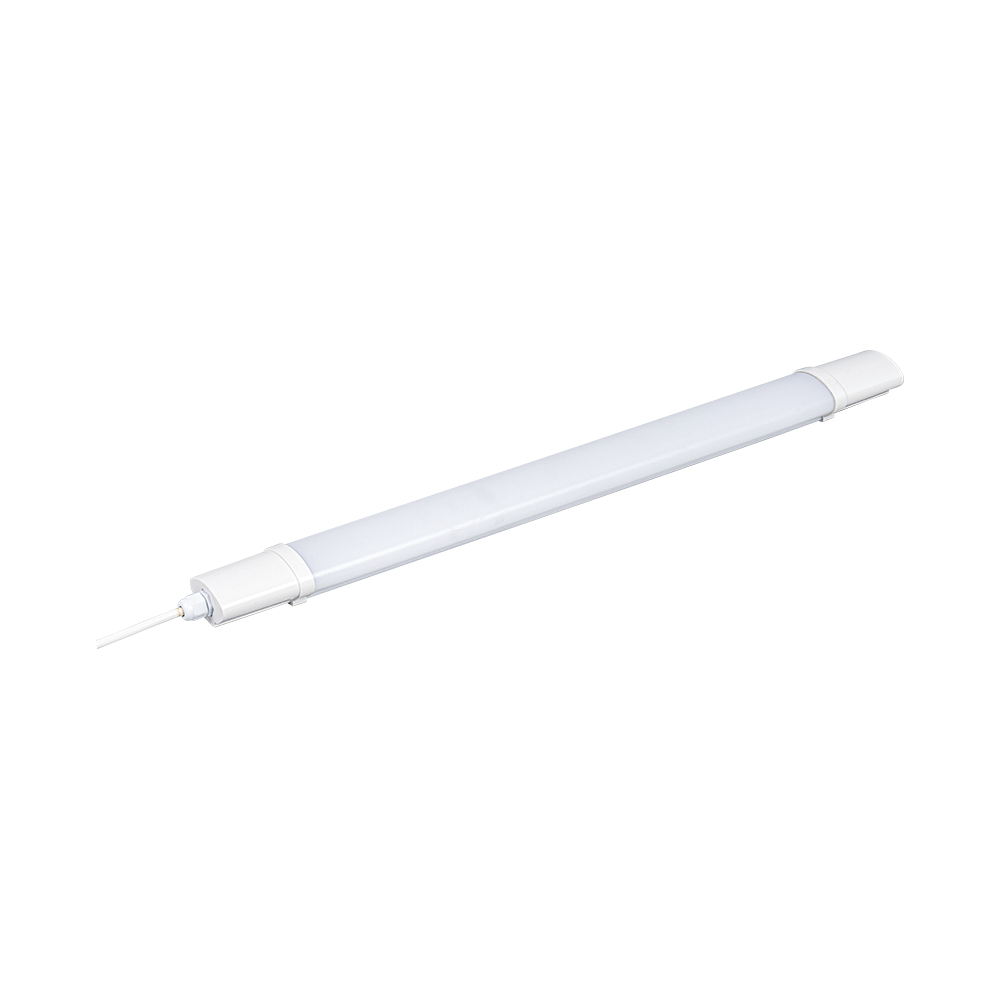
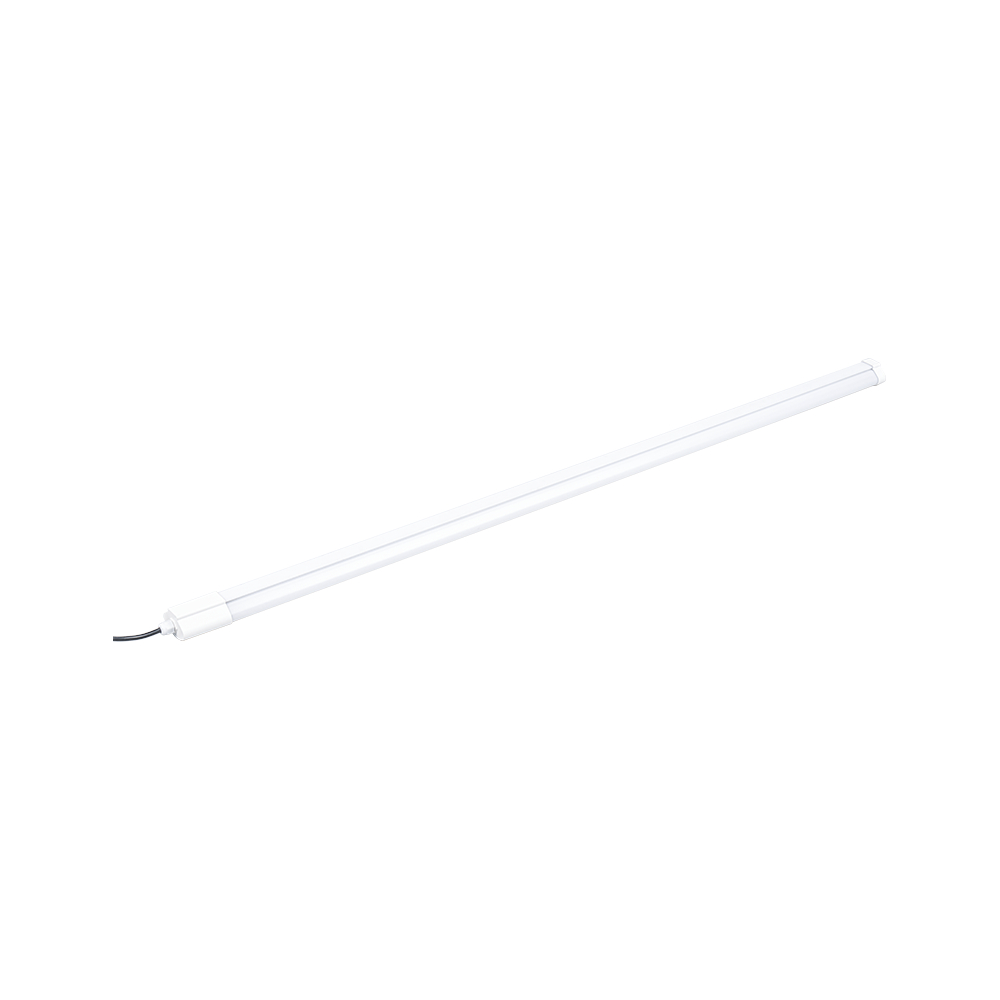
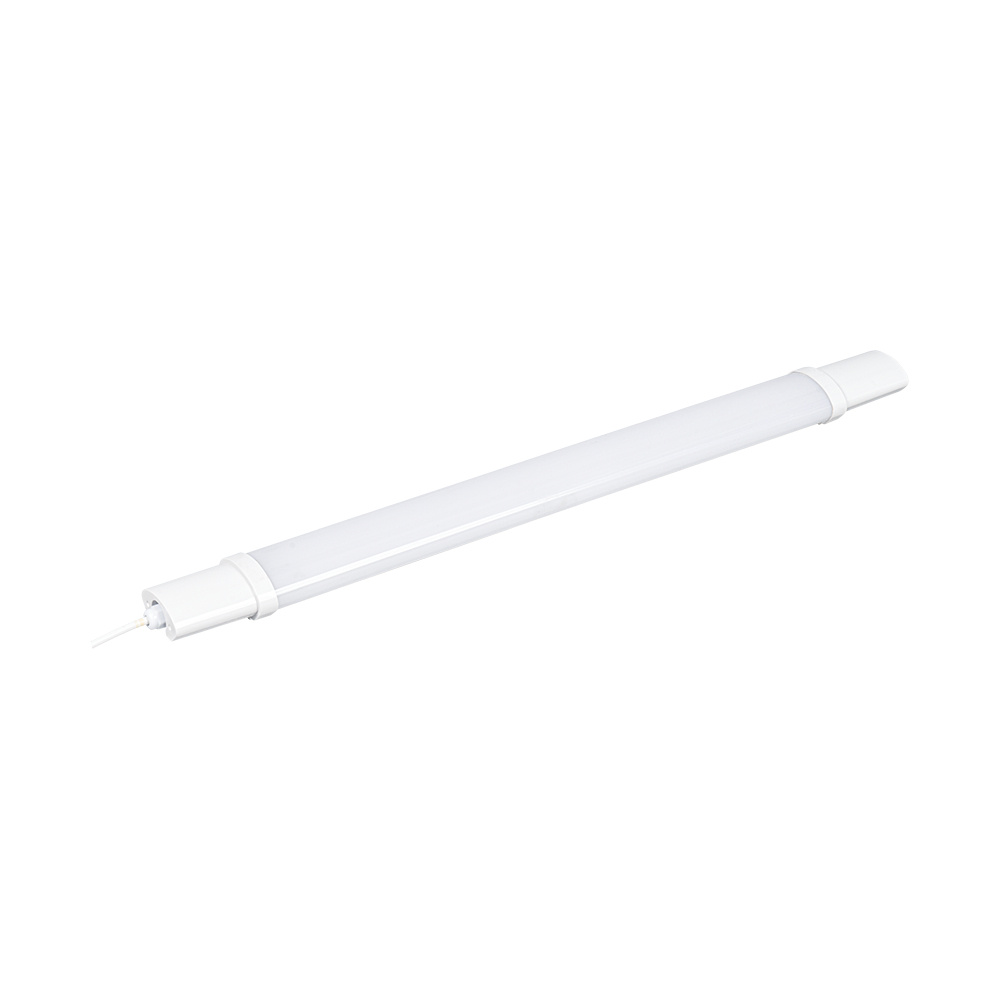
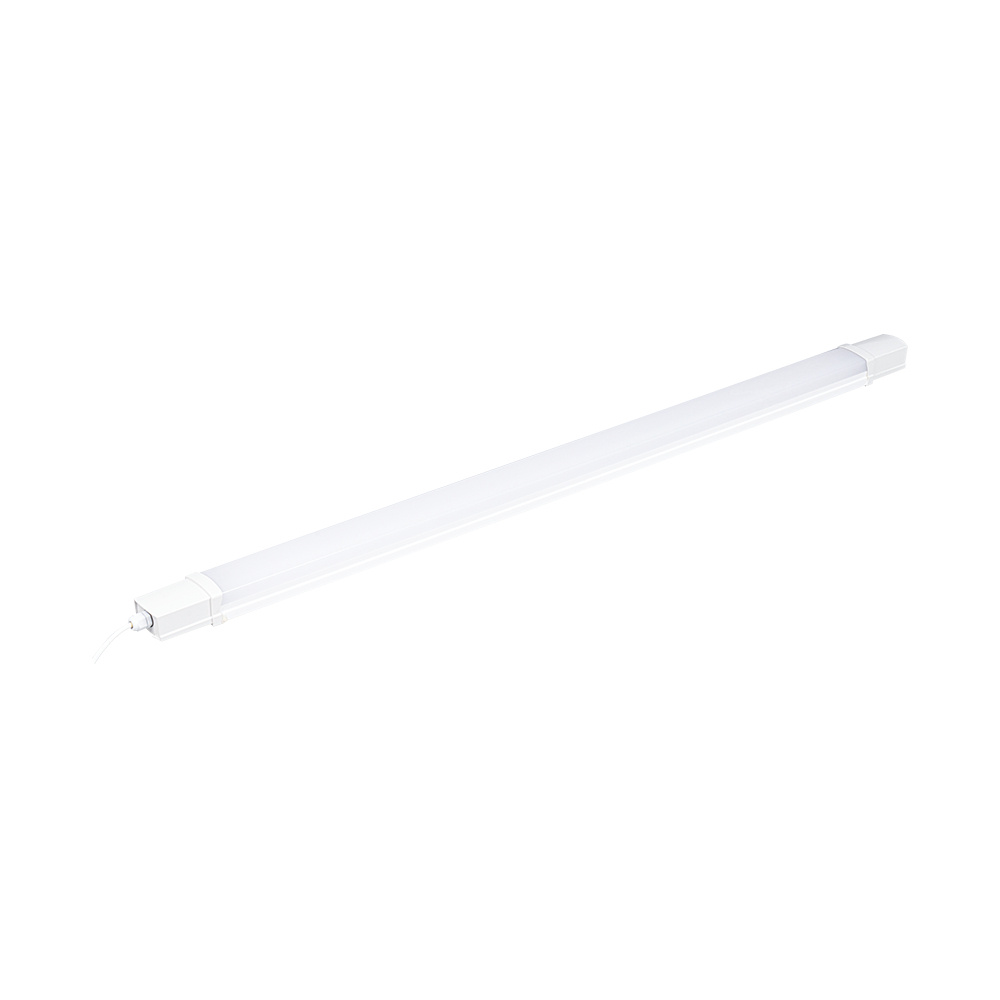
This is where Triproof Batten Light comes in. It's built for those real-world conditions with sealing against water and dust, plus a tougher housing that takes impacts without cracking. The name "triproof" points to three main protections, but it's really about keeping light steady where normal options fail. As buildings go deeper underground, warehouses grow larger, and food areas demand stricter hygiene, the need for reliable lighting in hard places keeps growing.
The shift isn't just about swapping one light for another. It's driven by longer maintenance cycles, lower energy use, and fewer interruptions in busy spaces.
Content
Lighting needs in difficult spaces are changing as buildings and operations get more complex. Climate shifts bring more humidity or extreme temperatures, pushing fixtures to handle wider swings. Urban growth means more underground parking, tunnels, or maintenance areas that stay damp and enclosed. Food and cold chain facilities demand lights that stay clean and functional through washdowns or freezing conditions.
Public buildings and workplaces face stricter safety rules, requiring illumination that doesn't fail when people count on it. Procurement has moved from short-term buys to thinking about the full life of the light—how often it needs changing, how much power it draws over years, and how it fits ongoing operations.
In industrial settings, longer runtime without downtime becomes key. Warehouses with round-the-clock picking or factories with continuous lines can't afford dark spots from failed fixtures. Commercial spots like supermarkets or hospitals need consistent light for safety and comfort during long hours.
The trend leans toward fixtures that reduce overall hassle—less climbing ladders for changes, lower energy bills, and confidence the light will stay on through tough days.
Understanding what "triproof" really means helps cut through confusion when choosing lights for hard environments.
Triproof refers to protection against water ingress, dust buildup, and physical impacts. Sealing keeps moisture out during washdowns or rainy exposure. Dust-tight design stops particles from getting inside and causing shorts. Tough housing absorbs bumps without cracking or letting debris in.
Misconceptions pop up often. Some think triproof is only for heavy factories, missing how it fits commercial kitchens or parking garages too. Others treat protection ratings as a direct measure of how long the light lasts, forgetting that seals can wear or materials age with heat and cleaning.
Focusing too much on initial specs while ignoring real maintenance—like how easy it is to wipe down or if parts swap without full replacement—leads to higher costs later. Hidden issues like yellowing covers, loosening seals, or warping from temperature changes add up if not considered upfront.
Building a better evaluation starts with the actual space: how wet, dusty, or bumpy it gets, how often cleaning happens, and how long the light needs to stay reliable. Matching the fixture to those daily realities beats chasing paper ratings alone.
Triproof Batten Light sees heavy use in places where conditions push regular lights to their limits. These scenarios drive a lot of online questions and buyer interest.
Car washes, pool equipment rooms, underground pump stations, or covered walkways that catch rain splashes all deal with constant moisture. Water from hoses or condensation can short standard fixtures quick. The sealing keeps internals dry even during high-pressure cleaning or foggy conditions. Light stays steady for workers moving vehicles or checking equipment in low visibility.
Flour plants, timber yards, paper processing, or pathways near loading docks kick up fine particles that settle everywhere. Dust getting inside lights causes overheating or flickering. Tight seals stop buildup, keeping brightness consistent without frequent opening for cleaning.
Loading bays, sports facility corridors, or public walkways with low-mounted lights face bumps from carts, balls, or equipment. Fragile covers shatter easy, creating safety risks. Reinforced housing absorbs knocks, reducing breakage and shard hazards.
Cold rooms, frozen packing lines, underground warehouses, or winter-covered passages drop temperatures sharp. Regular lights fog, crack, or dim in the chill. Materials that stay flexible and seals that don't stiffen keep performance steady.
Kitchen back areas, ingredient lines, or wash-down corridors need surfaces that wipe clean and resist bacterial buildup. Smooth, non-porous designs support strict cleaning without trapping residue.
| Scenario Type | Main Challenge | Practical Need | Benefit from Triproof Design |
|---|---|---|---|
| Damp/Wet Areas | Moisture ingress | Reliable during washdowns | Sealed internals |
| Dusty Environments | Particle buildup | Consistent brightness | Dust-tight construction |
| High-Impact Zones | Physical knocks | Reduced breakage | Reinforced housing |
| Low-Temperature Storage | Cold-induced failure | Steady operation in chill | Flexible materials |
| Hygiene-Sensitive Spaces | Bacterial or residue traps | Easy thorough cleaning | Smooth, wipeable surfaces |
In many work environments, lighting does more than just let people see—it's tied directly to safety and keeping things running without interruptions. Places like factories, warehouses, or parking garages operate with machinery, vehicles, or foot traffic all day, and poor visibility quickly turns into risks. A sudden flicker or dark patch can cause someone to miss a step, bump into equipment, or misjudge a load on a forklift. Triproof Batten Light helps by staying reliable even when conditions get rough, reducing those quiet hazards that add up over shifts.
The protective build means the light doesn't fail from a splash during cleaning or dust settling inside. In cold storage or humid loading bays, it keeps shining without fogging or shorting. This steadiness supports safety routines—clear paths for emergency exits, visible markings on floors, or consistent illumination for checking machinery. Maintenance crews spend less time on ladders fixing failures, so they focus on other checks instead.
Operational continuity benefits too. Production lines don't pause for light changes, and warehouses keep picking orders through late shifts without dim spots slowing workers. In public facilities like schools or hospitals, steady light avoids disruptions during busy hours. Buyers often mention how switching to these fixtures cut unplanned stops from lighting issues, letting teams stick to schedules.
User feedback highlights small things that matter: no buzzing during quiet tasks, even spread that cuts shadows where accidents hide, or housing that takes a knock without shards. These details tie into broader safety goals—fewer incidents mean lower insurance worries and better morale. As workplaces face more scrutiny on employee well-being, lighting that supports alert, comfortable conditions becomes part of the picture.
Overall, Triproof Batten Light contributes to spaces where people work long hours or handle risks daily. It backs safety protocols without drawing attention, just keeping the area lit reliably so the real focus stays on the job.
As buildings become more interconnected, facility managers are seeking ways to reduce costs without compromising performance. In places with extensive lighting—such as warehouses, factories, or commercial buildings—electricity use can be significant. Installing Triproof Batten Light helps cut energy consumption while maintaining consistent brightness, making a noticeable difference over time.
Their smart design helps achieve the same brightness while using less electricity, which is particularly valuable in areas that stay illuminated around the clock. When combined with simple timers or motion sensors, the lights can dim or switch off in unused aisles, cutting energy use without complex controls. Some facilities even integrate them into building management systems to monitor overall consumption and detect inefficiencies more easily.
Maintenance is also easier to manage. Fixtures that require fewer replacements or cleaning cycles free up both budget and staff time for other priorities. Their durability also means less waste from discarded units, supporting efforts to reduce environmental impact. In both renovations and new constructions aiming for energy-efficient certifications, these lights provide dependable performance in demanding spaces while keeping operating costs moderate. Property managers overseeing multiple locations value this consistency, as it simplifies scheduling, upkeep, and reporting.
User stories often mention how switching cut monthly bills noticeably or extended intervals between full relamping. This practical side supports broader strategies—energy audits, sustainability reports, or tenant satisfaction in leased spaces.
Getting lights up fast and keeping them running with little fuss changes the long-term picture.
Traditional fixtures often mean ladders, multiple people, and downtime for changes. Triproof Batten Light leans toward modular parts—quick clips for mounting, easy-open covers for cleaning, or swappable sections if something wears.
Maintenance matters more than initial install. Frequent bulb swaps or cover replacements add hidden costs in labor and lost operation time. Designs that wipe down quick or resist grime buildup cut cleaning hours. Sealing that holds over years avoids water creep that shorts things out later.
Buyers build frameworks around expected cycles—how often cleaning happens, how easy access is, how parts source if needed. Lights that play nice with maintenance crews—clear labels, simple tools—reduce mistakes and speed work.
The trend tilts toward "collaboration" between light and caretaker—designs that make routine jobs less of a chore.
Lighting shifts toward lasting longer and wasting less. Triproof Batten Light fits by reducing replacement frequency in high-use spots.
Longer runtime means fewer discarded fixtures. Materials that recycle easier or come from renewable loops support closed systems. Compatibility with green building credits grows as projects track overall impact.
Low-waste factories or facilities favor lights that cut energy and maintenance waste. The role is less about flashy green claims and more about steady, lower-impact operation.
Ultimately, Triproof Batten Light keeps its place because it holds up when things get rough day after day—dealing with damp air, dust settling in, bumps from carts or equipment, constant handling, and just the wear of regular use. What keeps it going isn't some list of fancy specs; it's how it performs in real spots and from what people say after using it for months.
These lights are built with a focus on lasting through those conditions, making cleaning or fixes less of a chore, and keeping safety in mind so nothing unexpected happens. Over time, they turn from just another fixture into something the space can count on, quietly doing the job while everything else happens around it.
As lighting needs change, the useful steps forward come from listening to what's happening on site—what works for installers, what users notice after a while, and small changes that make sense from actual experience. Cige follows that same thinking, shaping lights around the real demands people face, putting out fixtures that adjust to the environment, stand up over time, and keep delivering steady light in tough places. You can see more about our approach and examples from different settings at https://www.cigelighting.com/ .
It is focused on the overall solution of dry bulk material port transfer system,
research and development, manufacturing, and service.

+ 86-158 6784 4739
garrick@cigelighting.com
+ 86-574 5896 6613
No. 332, Yizidi, Zhoutang west village. Zonghan street, Cixi, Ningbo, Zhejiang Province, China
Copyright © Ningbo Cige Photoelectric Technology Co., Ltd. All Rights Reserved. Triproof Light Manufacturer