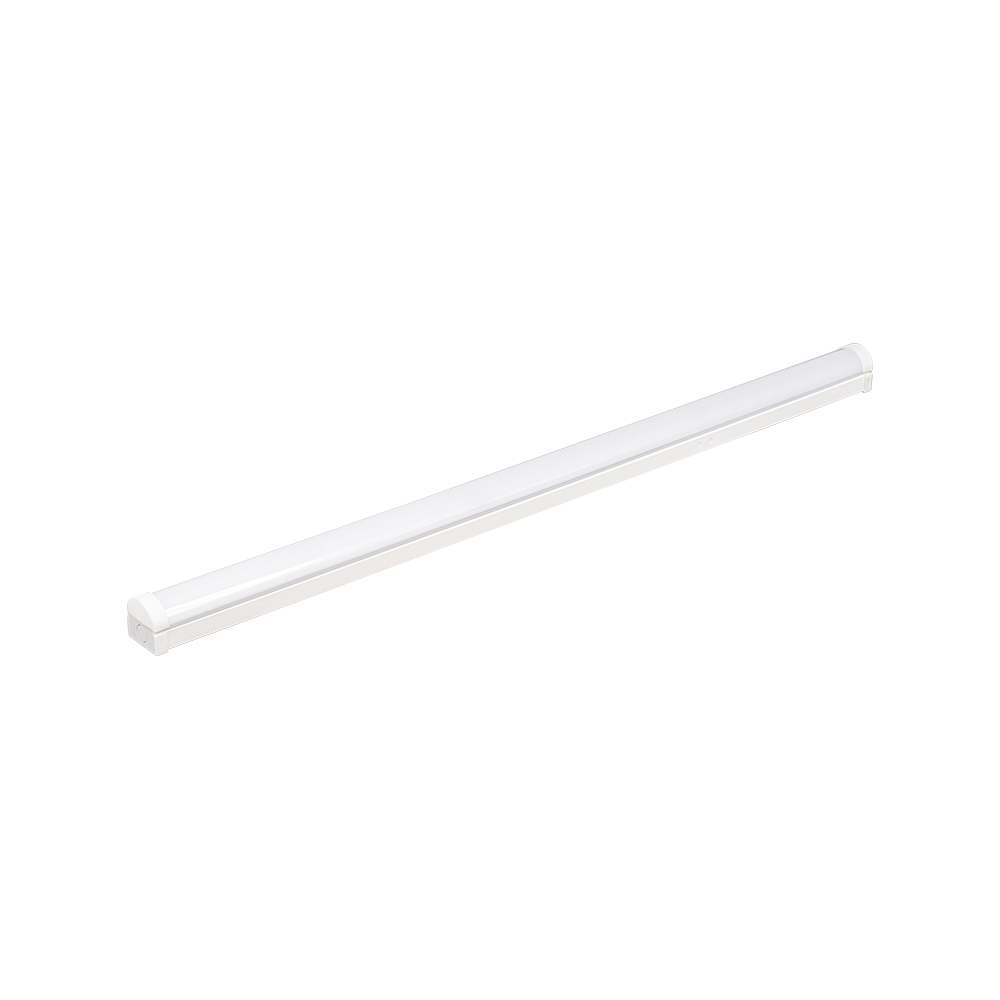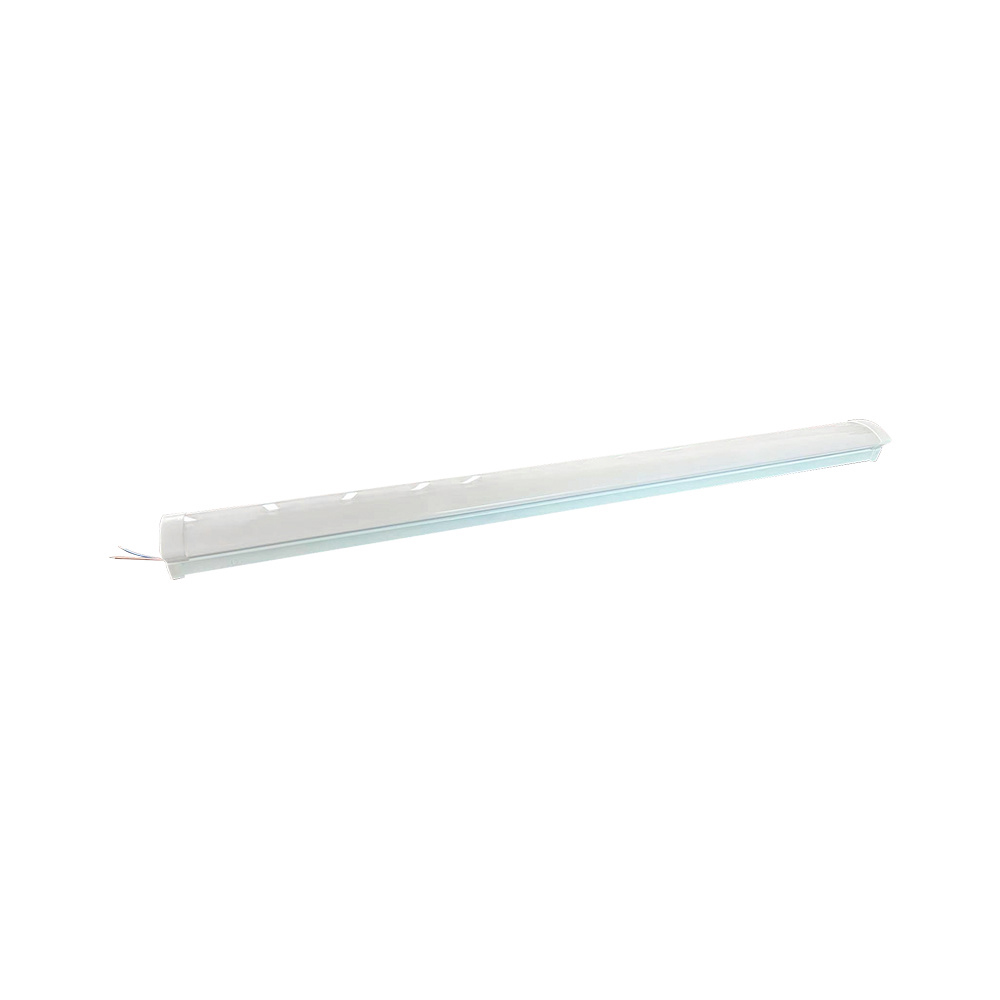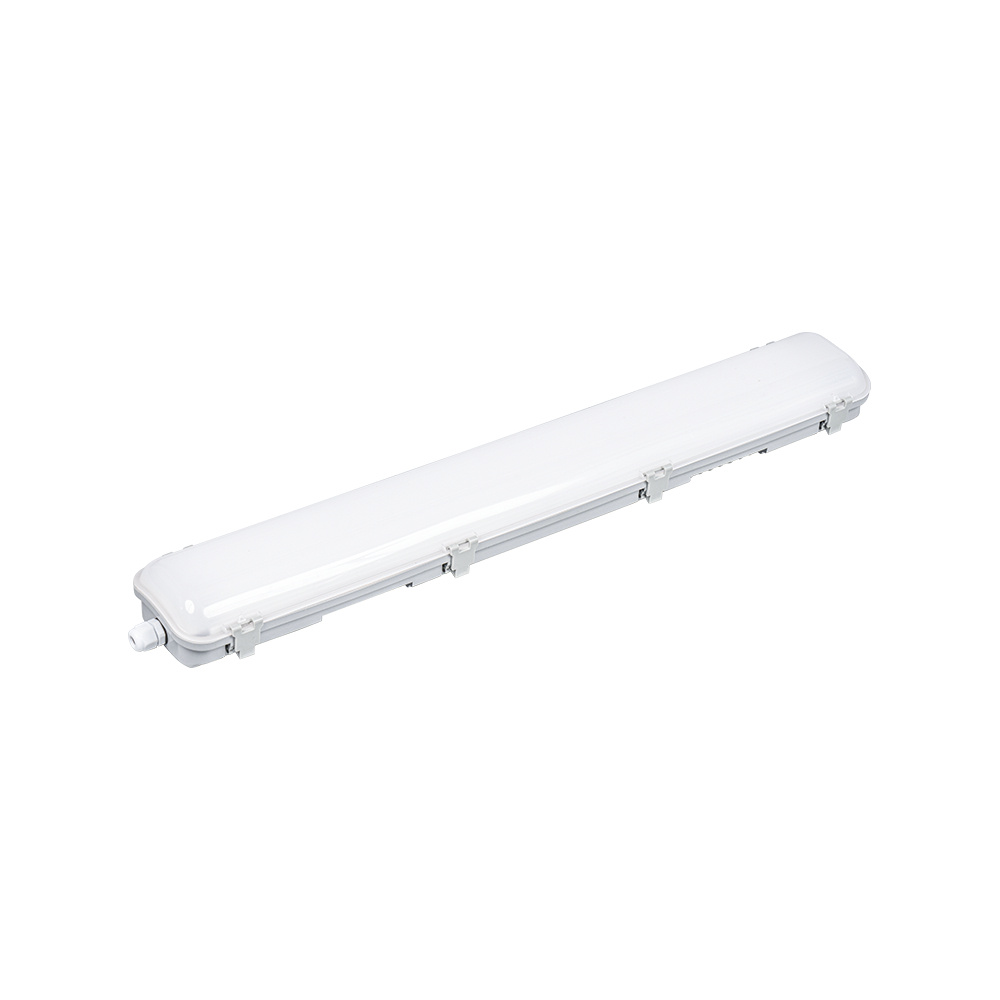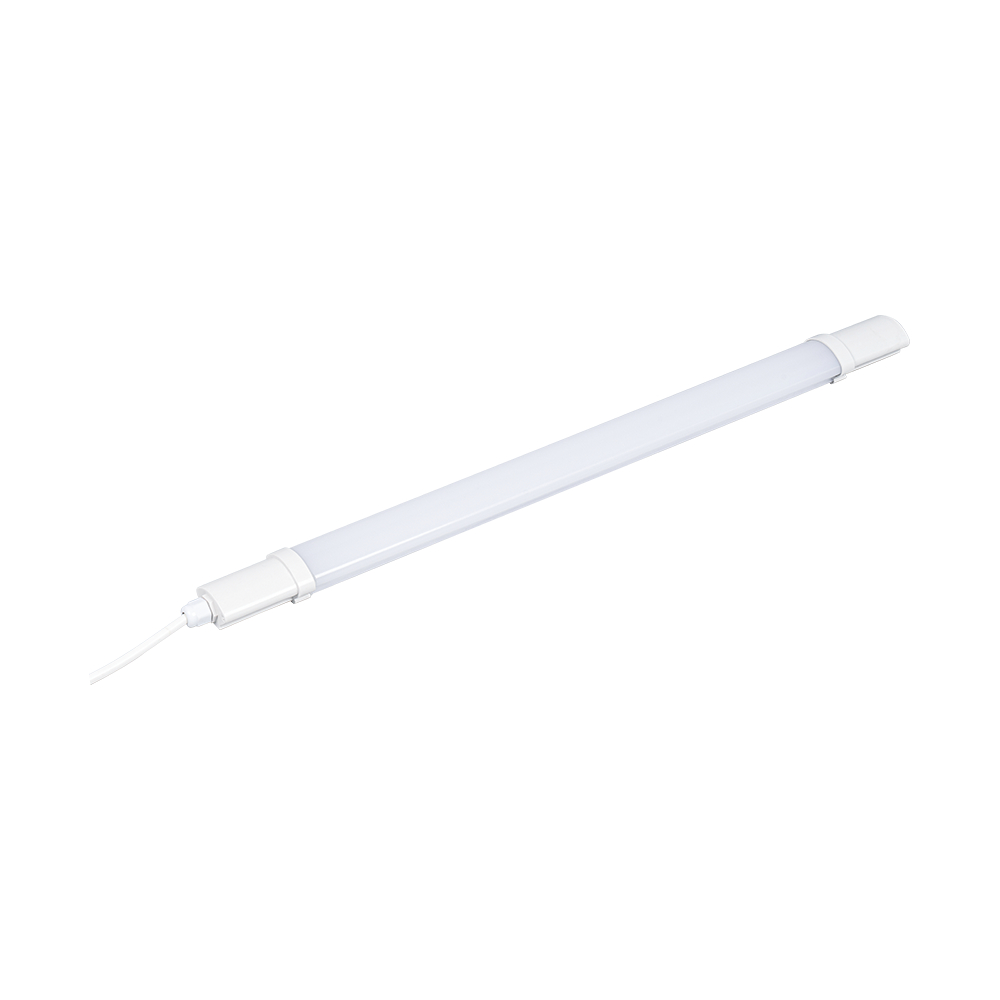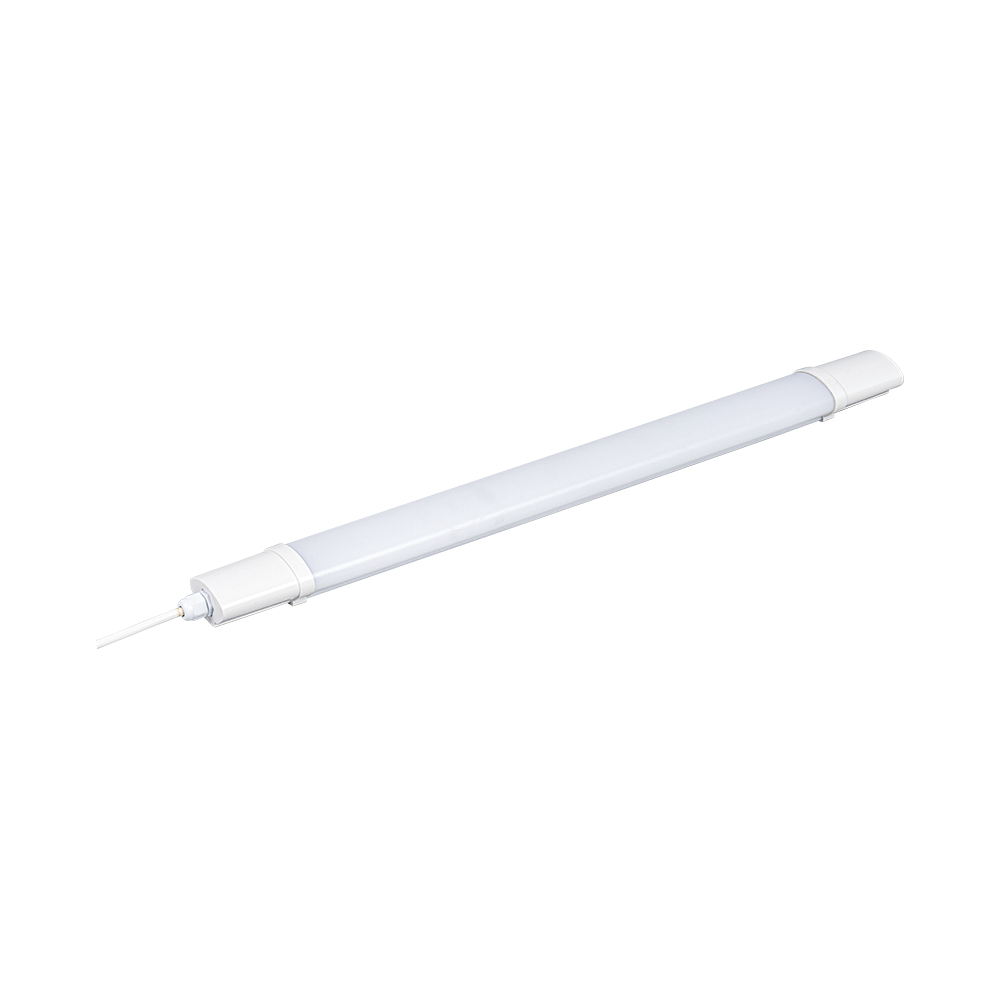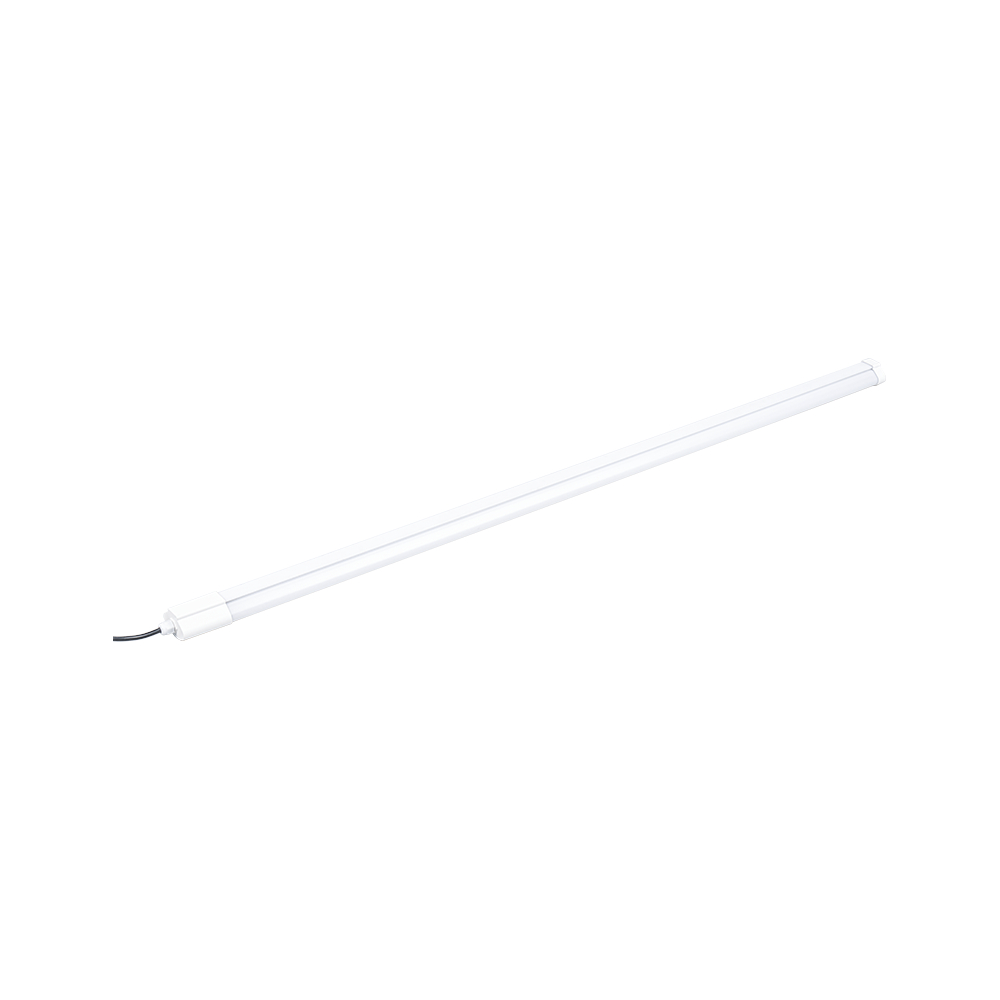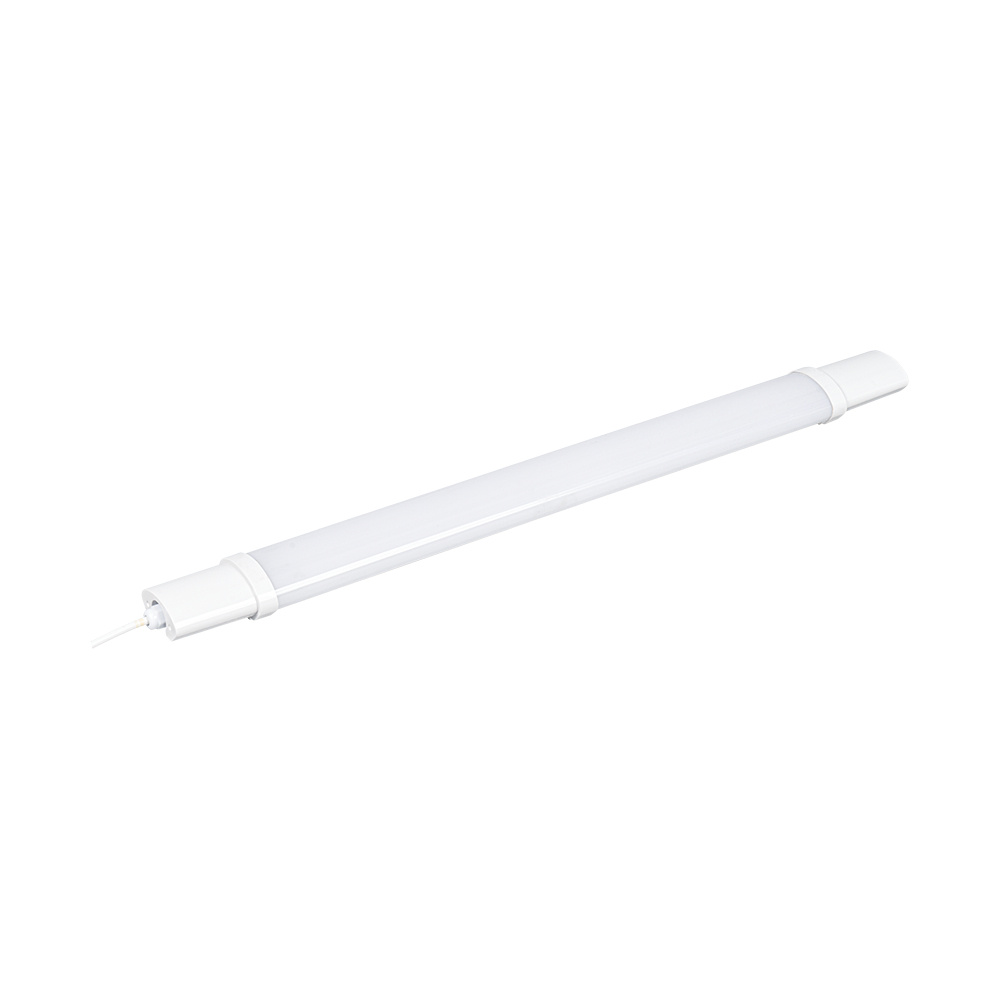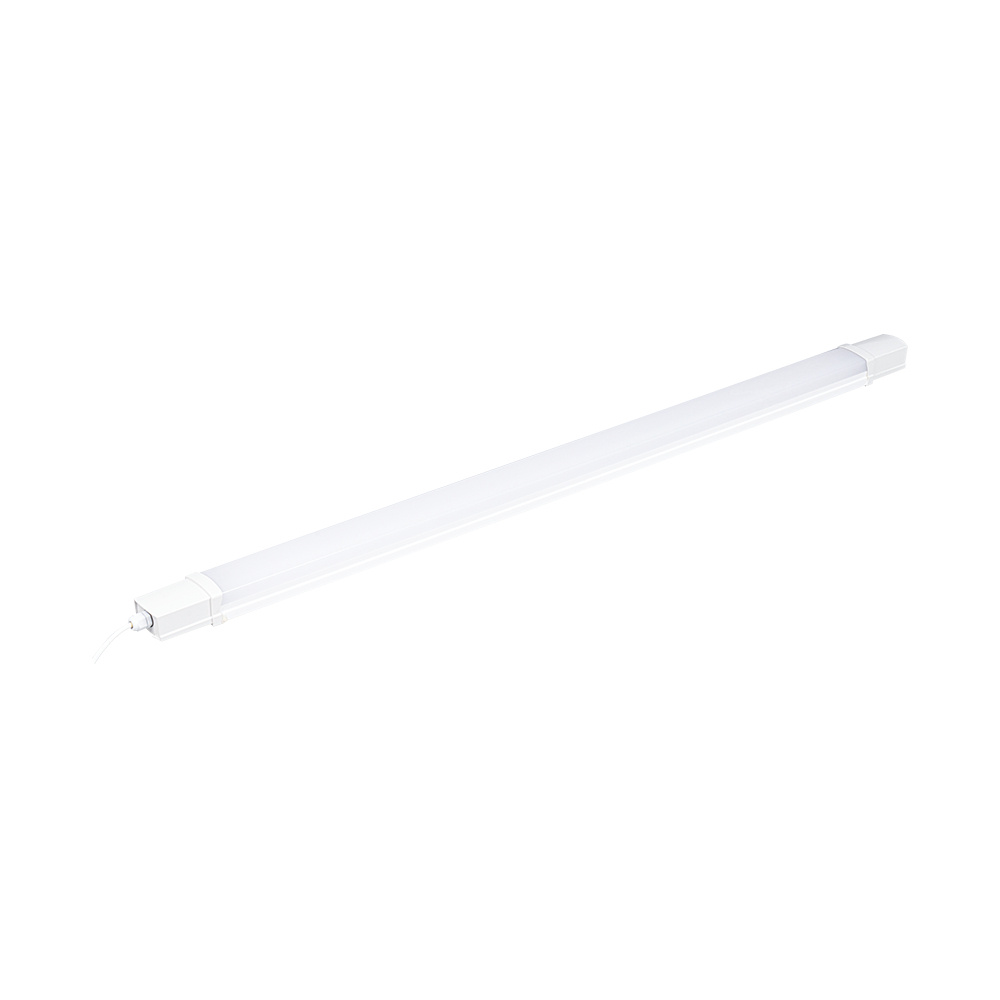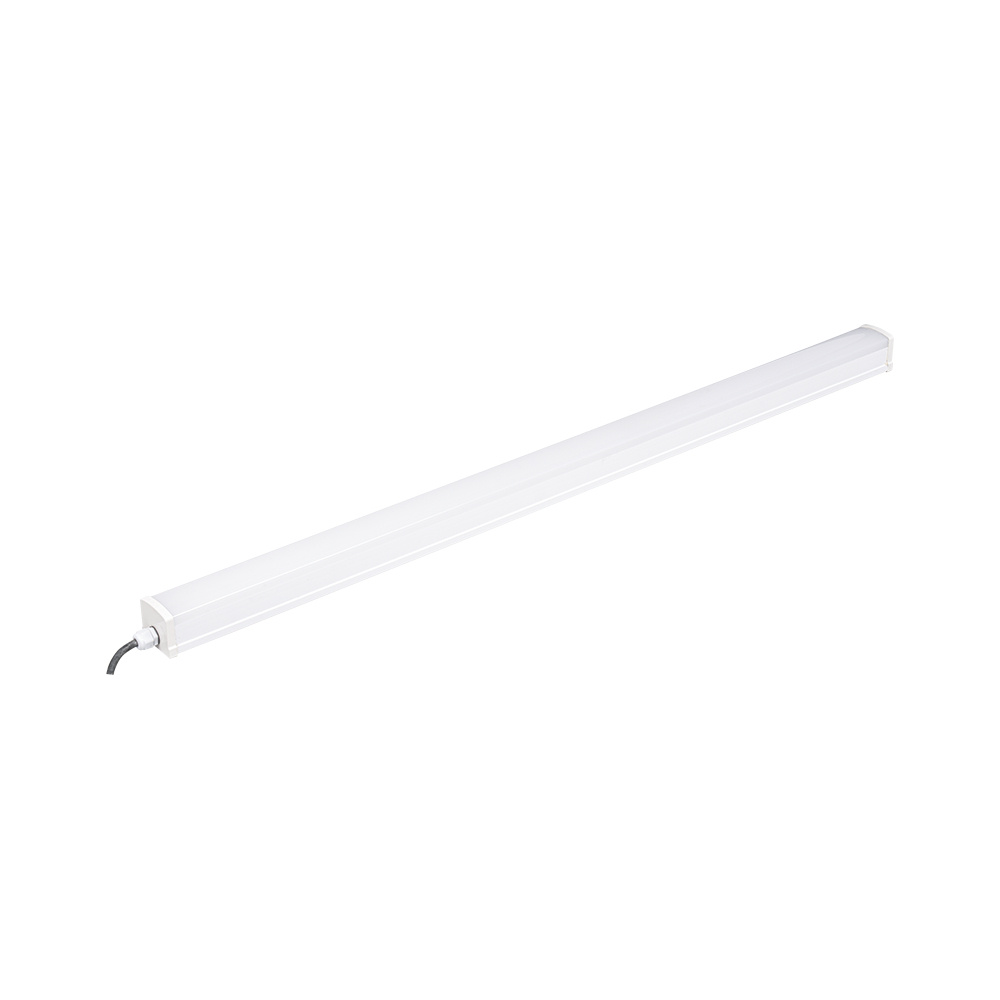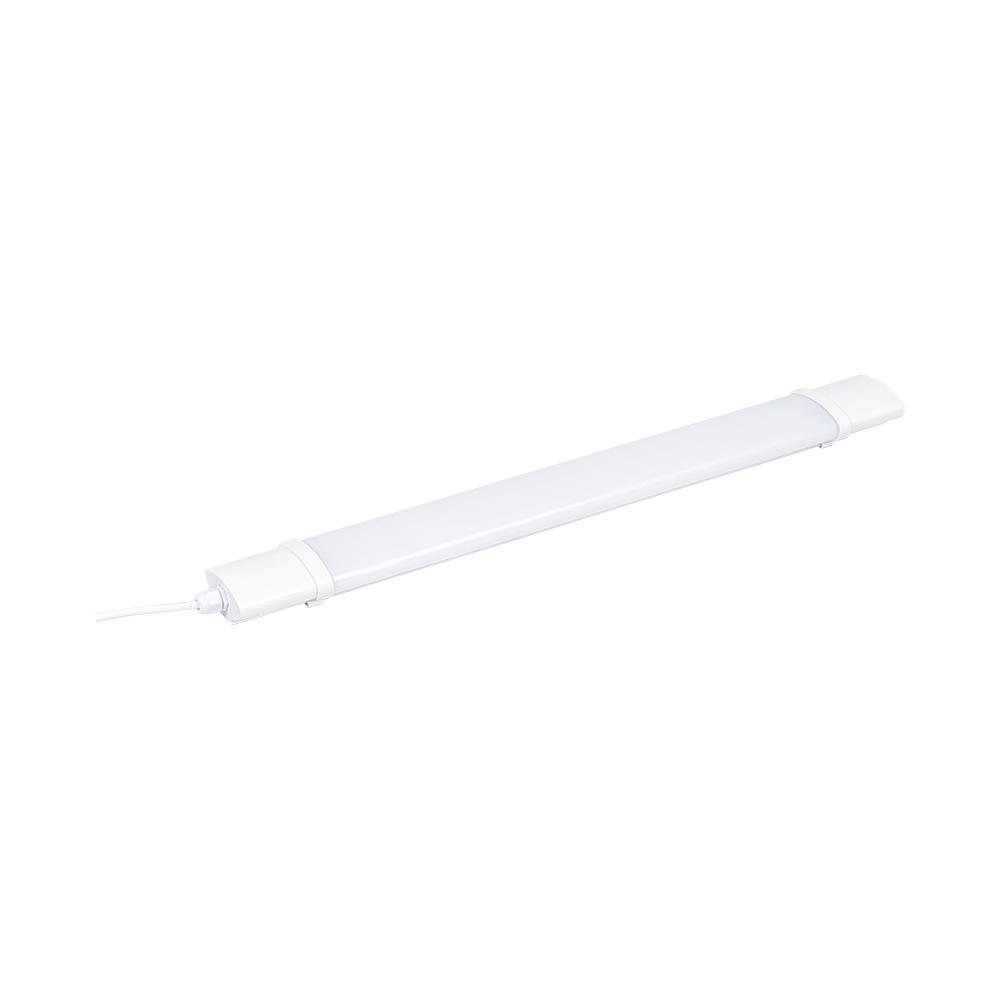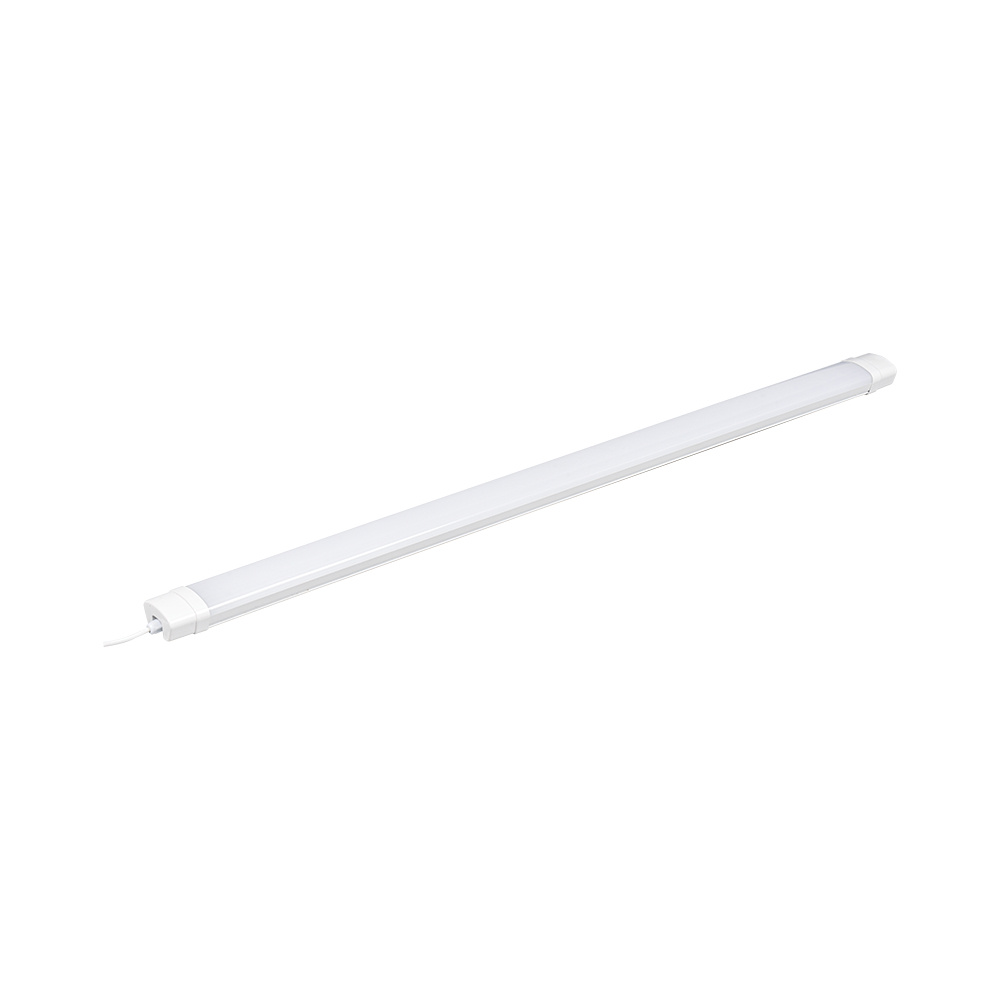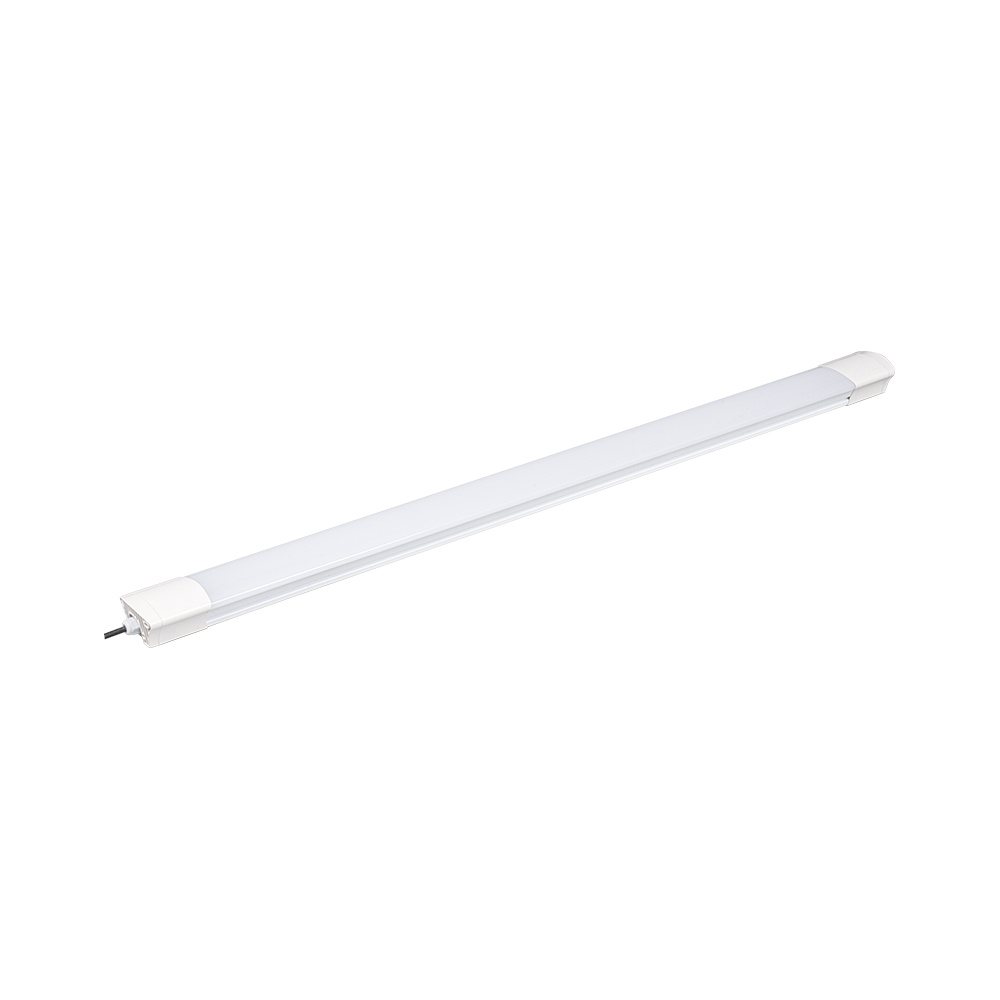
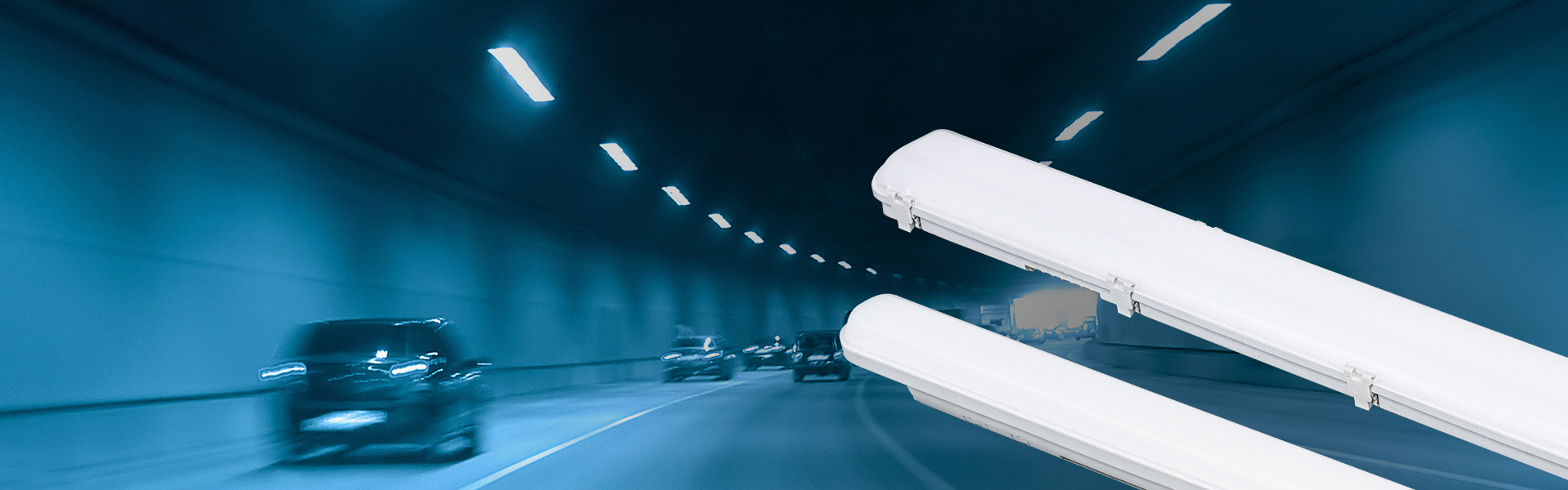
Triproof Batten Light has been gaining steady attention in lighting setups for tough environments, where standard bulbs or fixtures often fall short. The industry as a whole faces pressure from broader changes, with buildings and workspaces needing lights that handle moisture, dust, and knocks without constant replacements. This type of light fits those needs, offering a reliable way to keep areas lit without extra hassle.
Content
Catering industry spaces like warehouses or commercial kitchens now follow stricter rules on energy use and waste, driven by global calls for greener buildings. Policies encourage lights that draw less power and last longer, reducing the need for frequent swaps that add to landfills. Triproof Batten Light aligns with these by using efficient components that cut electricity bills while meeting certification requirements for sustainable projects.
Older fixtures in factories, storage areas, or logistics hubs get replaced more often to meet modern demands for brighter, longer-lasting illumination. Spaces with high traffic or equipment movement look for lights that don't flicker or fail early, saving on maintenance time. Triproof Batten Light offers a step up, with designs that stand up to daily wear in these busy settings.
Places with high humidity, dust buildup, or risk of bumps need lights that don't shatter or short out easily. Regulations in construction and maintenance push for fixtures that seal against water and debris, ensuring safe operation. Industrial LED Batten Light meets these by incorporating protective features that keep the light working even in challenging conditions.
E-commerce warehouses, retail stores, food outlets, and parking facilities see growing need for durable lights that maintain brightness without frequent upkeep. Buyers focus on even illumination, suitable color tones, and reliability in varied spaces. Triproof Batten Light responds to this by providing options that enhance visibility and reduce downtime in these high-use areas.
Innovations in lighting technology focus on making fixtures more robust and efficient for real-world use. Discussions in the sector emphasize practical improvements that address common issues like energy waste or installation difficulties.
Triproof Batten Light fits well in places where regular lights would struggle—areas with moisture, dust, knocks, or temperature swings. It keeps shining steadily without needing fixes every few months, making it a practical pick for spots that see a lot of action or harsh conditions.
Factories, distribution centers, and cold storage rooms put lights through a lot. Machines vibrate all day, forklifts bump around, and temperatures can drop low in freezers or rise near equipment. Dust from packing or loading hangs in the air, and occasional splashes happen from cleaning floors.
The protective build of Waterproof Batten Light handles these without flickering or failing early. It stays sealed against dust getting inside and moisture creeping in, so the light keeps working through shifts. In cold storage, it doesn't fog up or crack from the chill. Workshops with overhead cranes or busy aisles benefit from the sturdy housing that takes accidental bumps without shattering.
Supermarkets, underground parking lots, school corridors, and hospital hallways need lights that stay on and look consistent. Shoppers push carts, cars come and go, cleaning crews mop regularly, and people walk through all day.
Even light spread helps avoid dark corners where safety feels off. Low upkeep means janitors spend less time on ladders changing bulbs. The design keeps brightness steady for long hours, supporting visibility in busy checkout areas or quiet waiting rooms.
Covered parking, external corridors, or loading bays face rain splashing in, wind blowing dust, and sun fading materials over time. Lights here need to shrug off weather without corroding or letting water in.
Sealing features keep the internals dry even when rain hits sideways. The housing stands up to UV without yellowing fast, and the mountings hold firm in gusts. These spots get steady light for evening arrivals or early departures without worrying about failures from exposure.
Food plants, car wash bays, or freezing warehouses have their own rules—hygiene first, no glass shards if something breaks, and handling big temperature jumps or constant wet cleaning.
Smooth surfaces wipe down easy without trapping bits, and the build avoids places where water pools inside. In freezing spots, it works through low temperatures without brittleness. Wash-down areas with high-pressure hoses benefit from seals that don't let water force its way in. These features keep the light compliant and functioning where regular fixtures would give up quick.
Buyers think through a few key points when picking lights for their spaces, balancing upfront choices with how things play out over months or years.
Focusing on Lifespan and Maintenance Cycles to Keep Long-Term Costs Down
Lights that run longer without dimming or failing mean climbing ladders less often for changes. Durable parts cut replacement frequency, and simple access for occasional cleaning saves time. Selection leans toward builds that handle daily wear without early burnout.
Considering Light Efficiency and Energy Use for Ongoing Savings
Designs that give good brightness while drawing less power lower monthly bills, especially in places lit round the clock. This adds up noticeably in large warehouses or stores with many fixtures.
Understanding Protection Levels and How Well the Light Adapts to Different Conditions
Ratings for water and dust guide picks for wet or gritty spots. Ability to handle humidity swings, vibration from machinery, or temperature drops matters in real setups.
Looking at Installation Options for Quicker and Easier Fitting
Mounting choices—ceiling clips, wall brackets, or suspended chains—speed up getting lights in place. This helps projects stay on schedule, whether retrofitting old buildings or outfitting new ones.
Matching Color Temperature to the Space for Better Comfort and Use
Warmer tones create relaxed feels in break areas or entrances. Cooler tones support focus in work zones or storage picking. Getting the light color right enhances how the space works for people there all day.
| Application Area | Key User Concern | Expected Benefit | Common Design Choice |
|---|---|---|---|
| Industrial Warehouses | Dust and vibration tolerance | Steady light during shifts | Reinforced sealing |
| Commercial Stores | Even illumination | Better visibility for customers | Wide beam angles |
| Outdoor Pathways | Weather resistance | Reliable night operation | Waterproof casings |
| Special Food Processing | Hygiene and temperature stability | Clean, consistent light | Easy-clean surfaces |
When it comes to getting Industrial LED Batten Light in front of buyers, the focus stays on the things that actually matter to them—like how the light holds up in dusty or damp spots, saves on electricity over time, or makes installation quicker. Promotion works best when it sticks to real examples from everyday use rather than big statements. On the procurement side, buyers tend to go for suppliers they can rely on for consistent delivery and straightforward info, especially for bigger jobs.
For engineering projects or commercial buildings, orders can run into hundreds or thousands of fixtures at a time. Buyers look for suppliers who can keep up without running out partway through. Having stock ready or production lined up means no holdups on site, which keeps schedules intact and avoids extra rush fees.
Steady inventory is key—buyers want to know roughly when things will arrive so crews can plan labor. Suppliers that maintain common sizes in stock or give honest lead times get more repeat work. Good communication helps too, like updates on packing or shipping status.
Chain stores updating multiple locations or warehouse operators outfitting new sites especially value one supplier who can deliver matching batches. It cuts down on coordinating different deliveries and makes sure everything looks and performs the same across the project.
Safety and efficiency marks give buyers a quick way to see the light meets basic requirements. Public or leased buildings often need to show compliance docs, so fixtures with those marks speed up approvals.
Standards also open access to different markets—some areas have specific rules for damp locations or energy use. Suppliers who provide clear paperwork from the start make the buying process easier, particularly for tenders or imports where checklists are long.
It's not about collecting every possible certification; it's about having the ones that fit the job, like water resistance for outdoor areas or energy ratings for green projects.
These days, online reviews and shared stories carry a lot of weight. When someone mentions how the lights stayed bright in a dusty warehouse for months or how easy they were to fit in a parking garage, it gets noticed by others with similar setups.
Positive feedback usually covers practical points—like even light across a large space, no flickering on long shifts, or standing up to bumps in busy areas. Photos from actual installs, before-and-after comparisons, or just the finished look help buyers visualize it in their own place.
The lighting industry doesn't stand still, and Waterproof Batten Light is picking up some practical changes that make sense for how spaces are used these days. Buyers and installers keep asking for lights that do a bit more without getting complicated or expensive to run.
More buildings have connected systems now, so it makes sense for lights to tie into those. A simple sensor or link inside the fixture can track when it's on, spot if something's not right, or let someone check from a phone or central screen. Dimming when natural light comes in or turning off in empty areas saves power without anyone flipping switches.
Remote checks come in handy for big warehouses or multi-floor buildings where walking around to look at every light takes forever. It's not about turning the light into a full smart device—just enough connection to flag problems early or adjust settings from afar.
Getting light to go where it's needed without wasting it upward or creating harsh spots keeps improving. New lens shapes or internal reflectors help direct more downward to work surfaces or walkways while cutting glare for people below.
Color rendering gets attention too—making sure products in stores or food in kitchens look natural. These tweaks come from feedback about shadows in corners or bright patches that tire eyes over long hours.
Materials are getting better at handling knocks, salty air near coasts, or fading from sun through skylights. Lighter but stronger plastics or coatings that resist cleaning chemicals mean the fixture stays looking decent and working well for years.
Options that recycle easier or use less impactful sources show up more as people ask about what happens at the end. The aim is lights that take daily abuse in parking garages or factories without cracking or yellowing quick.
Combining normal lighting with a battery backup that kicks in during power cuts adds safety for hallways or exits. Motion sensing to light up only when someone walks by saves energy in storage aisles.
Adjustable color temperature—warmer for break areas or cooler for focused work—fits spaces used different ways throughout the day. These additions build on the core tough design without turning the light into something overly complex.
All in all, the direction feels grounded: a bit smarter where it saves time or energy, tougher for real conditions, and flexible for changing uses. Feedback from installers and users keeps steering these changes toward what actually helps on site.
Triproof Batten Light serves as a durable, energy-saving, safe option for industrial, commercial, public, and special environments.
Selection should consider light output, energy use, protection, lifespan, installation ease, and upgrade potential.Suppliers and users together push the sector toward more efficient, smarter, sustainable paths.
At Cige, our factory produces Triproof Batten Light with focus on real-site needs—reliable fixtures for varied environments, shaped by user input to stay practical and consistent in use.For more information and product options, visit Cige at https://www.cigelighting.com .
It is focused on the overall solution of dry bulk material port transfer system,
research and development,
manufacturing, and service
+ 86-158-6784 4739
garrick@cigelighting.com
+86-574- 5896 6613
No. 332, Yizidi, Zhoutang west village. Zonghan street, Cixi, Ningbo, Zhejiang Province, China
Copyright ? Ningbo Cige Photoelectric Technology Co., LTD. All Rights Reserved. Triproof Light Manufacturer