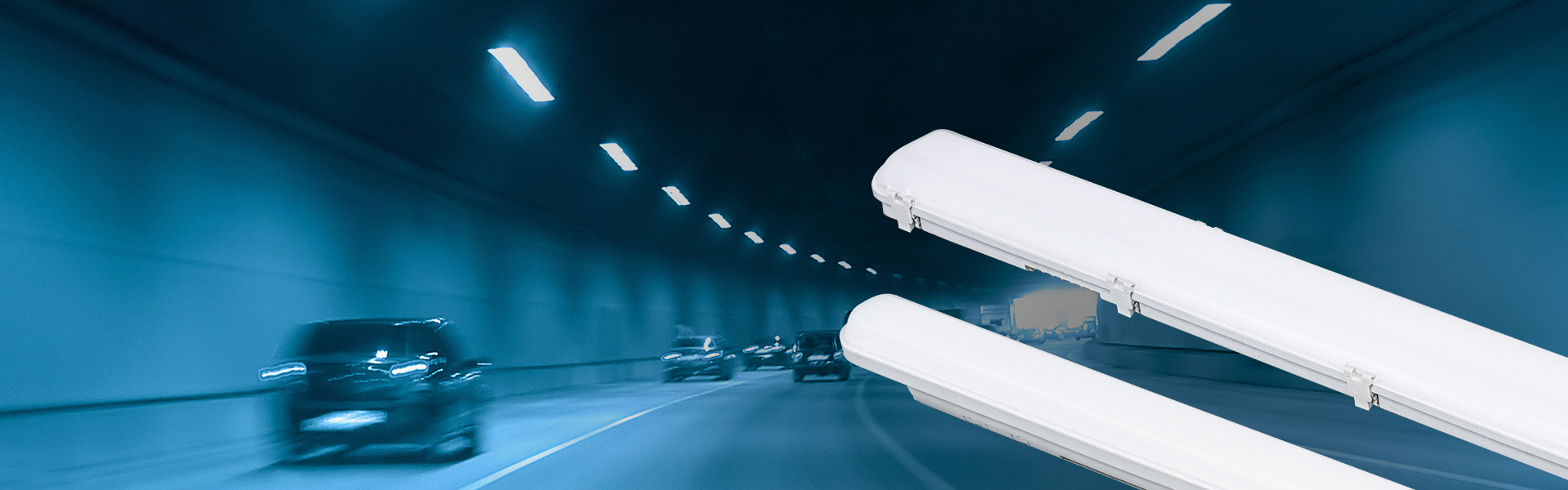
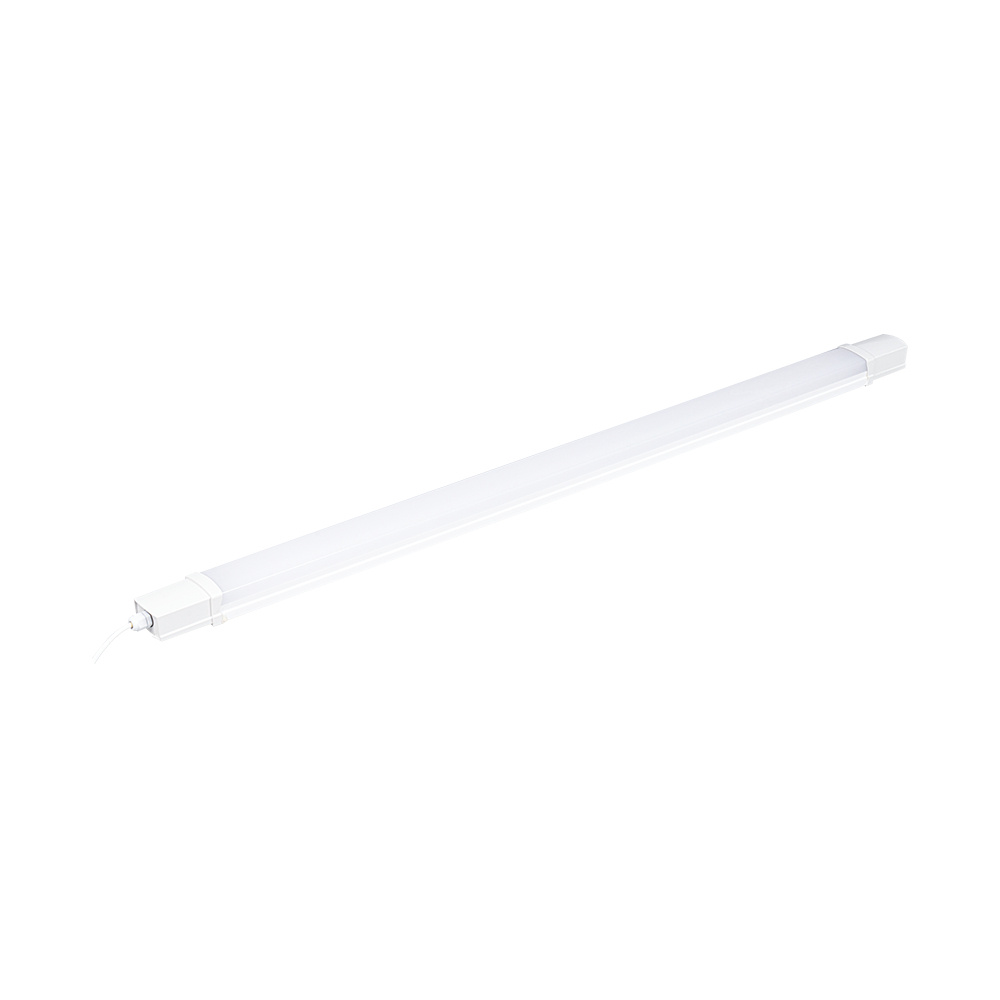
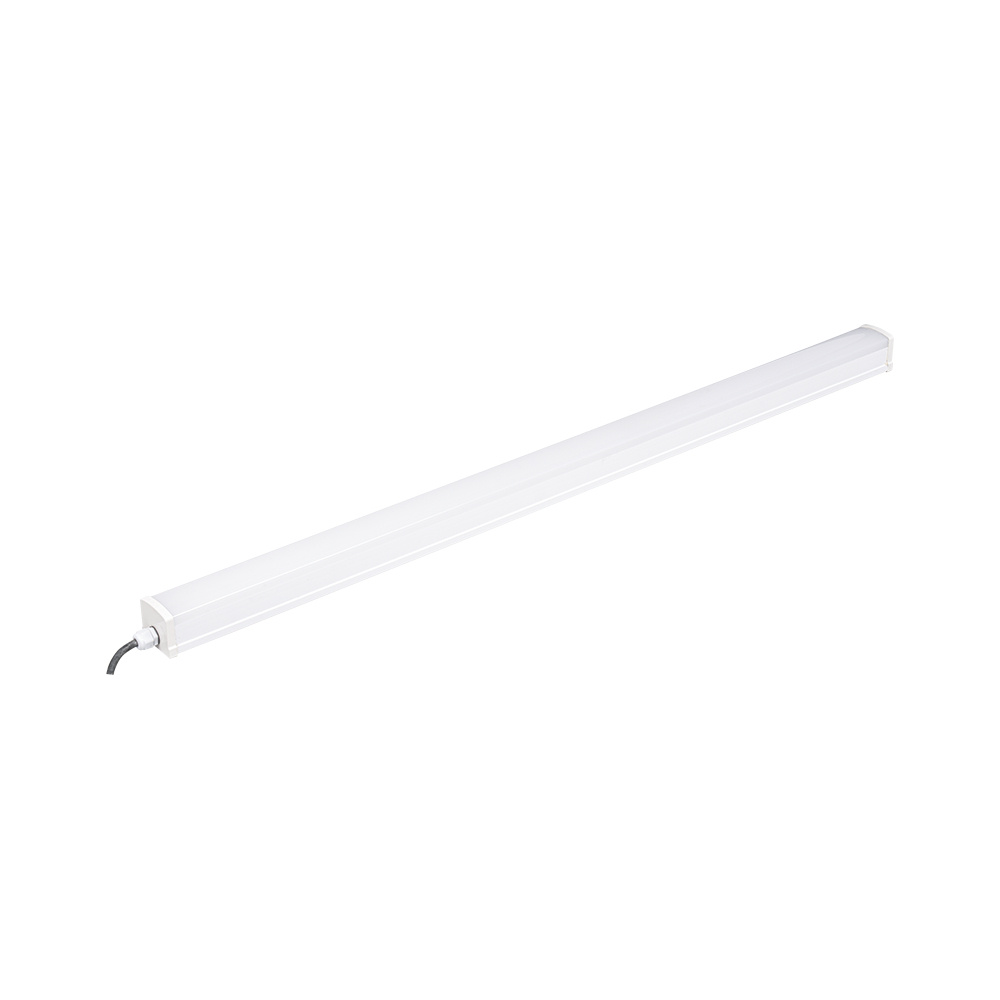
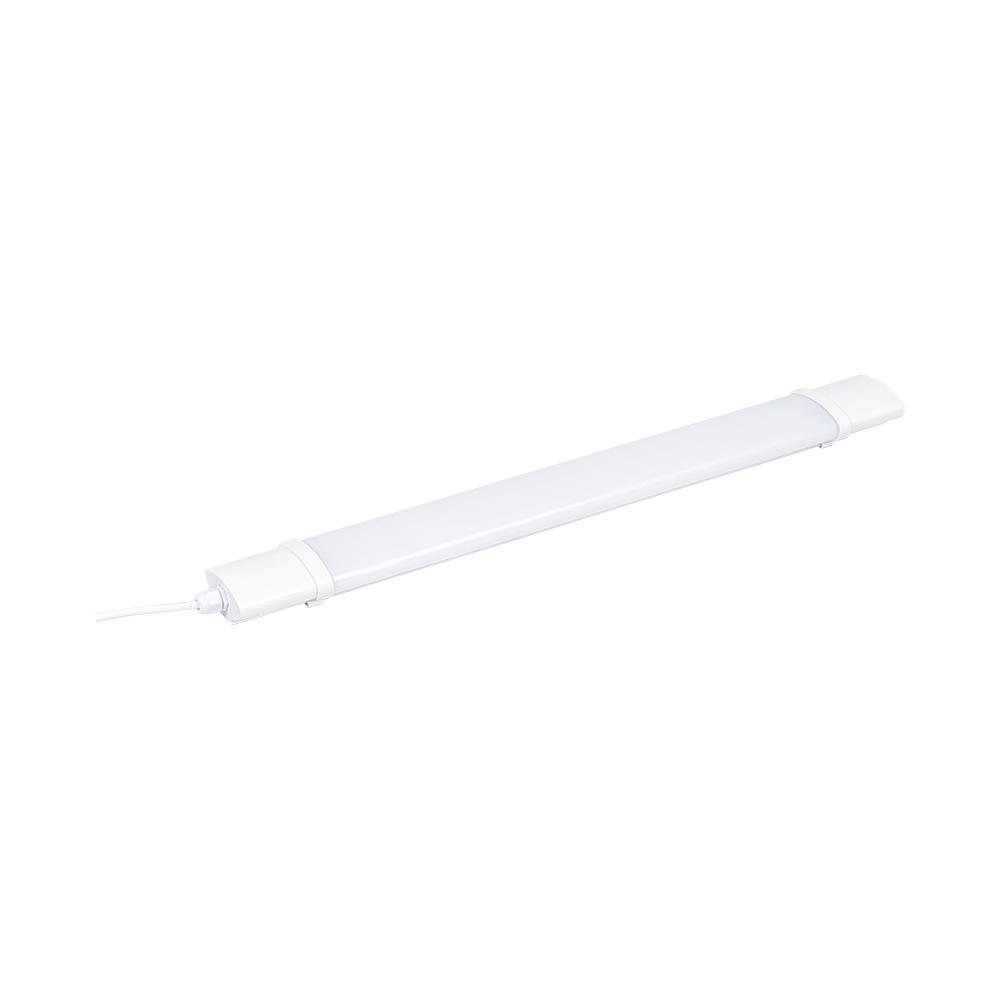
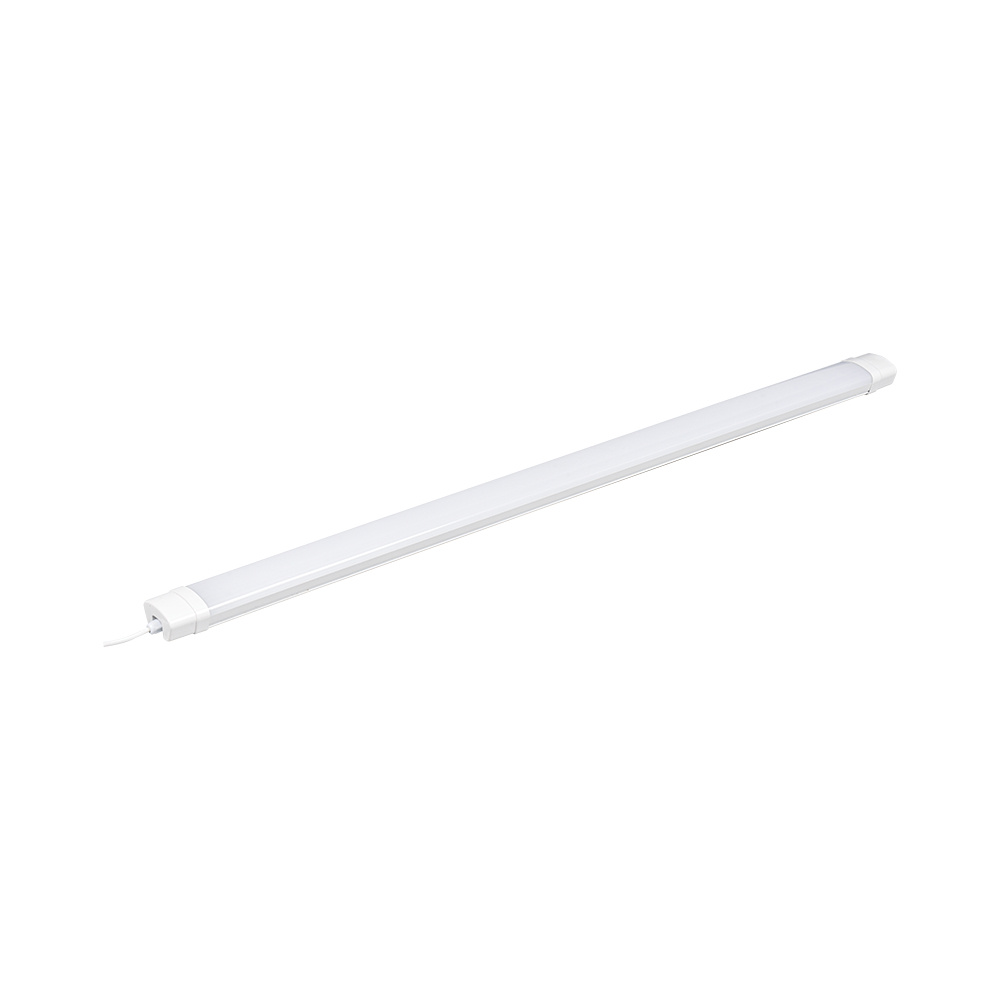
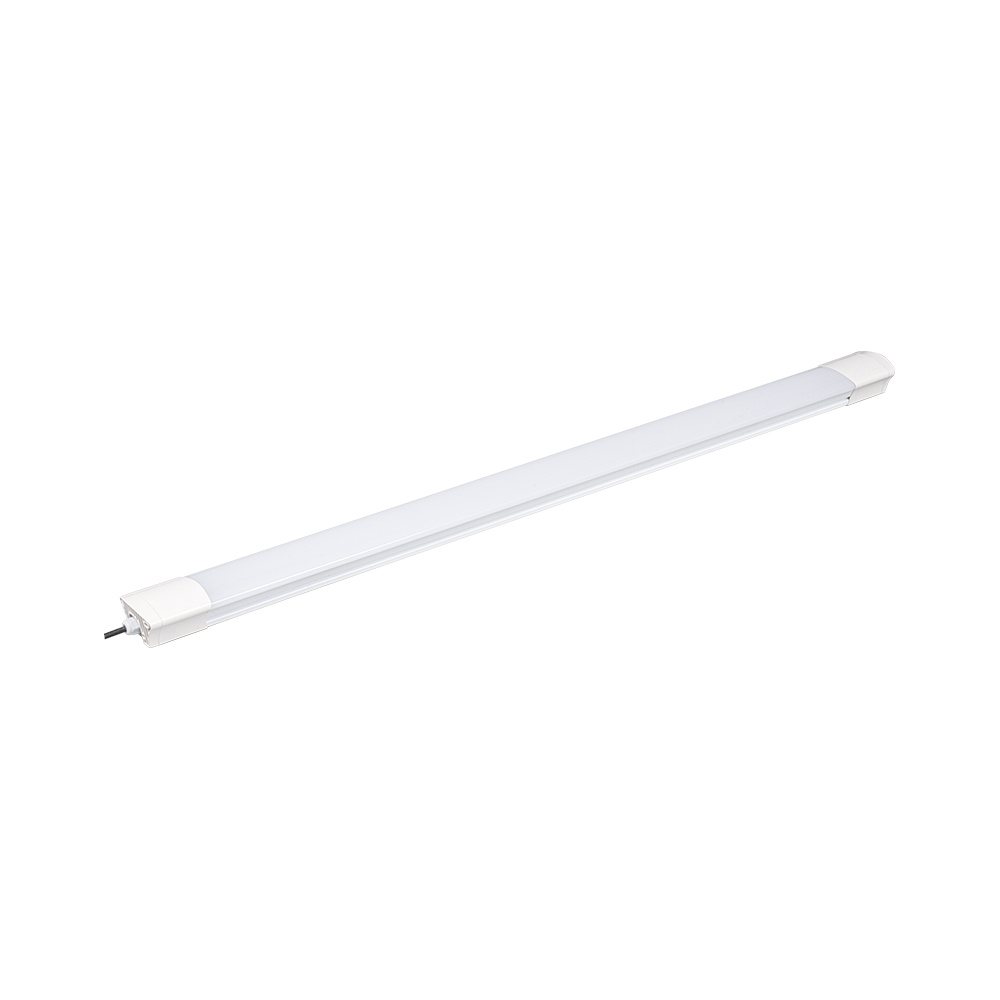
If you've ever worked in a warehouse, survived the backroom of a retail store, tiptoed into a poorly lit parking garage, or dared to enter the mysterious storage zone behind your uncle's questionable restaurant—you already know this truth: bad lighting ruins everything. It slows you down, stresses your eyes, wrecks productivity, and honestly just gives everything a spooky post-apocalyptic vibe nobody asked for.
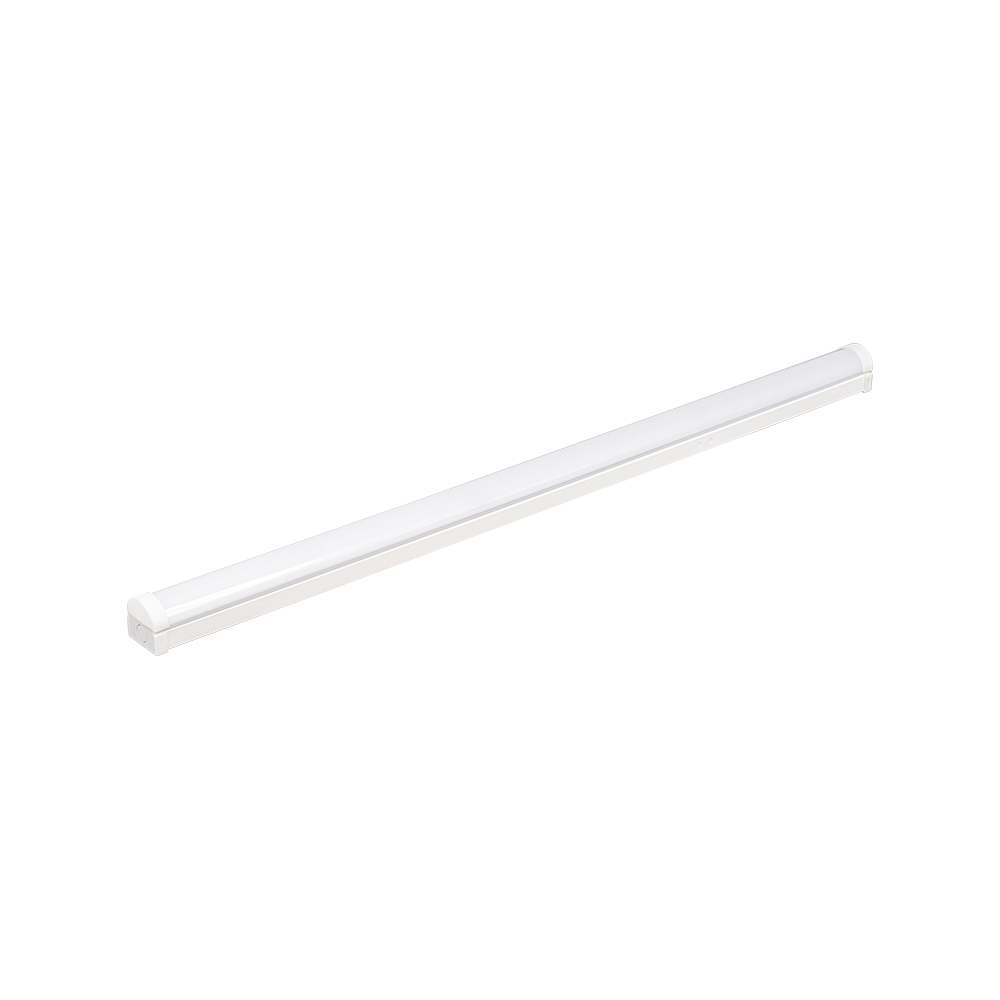
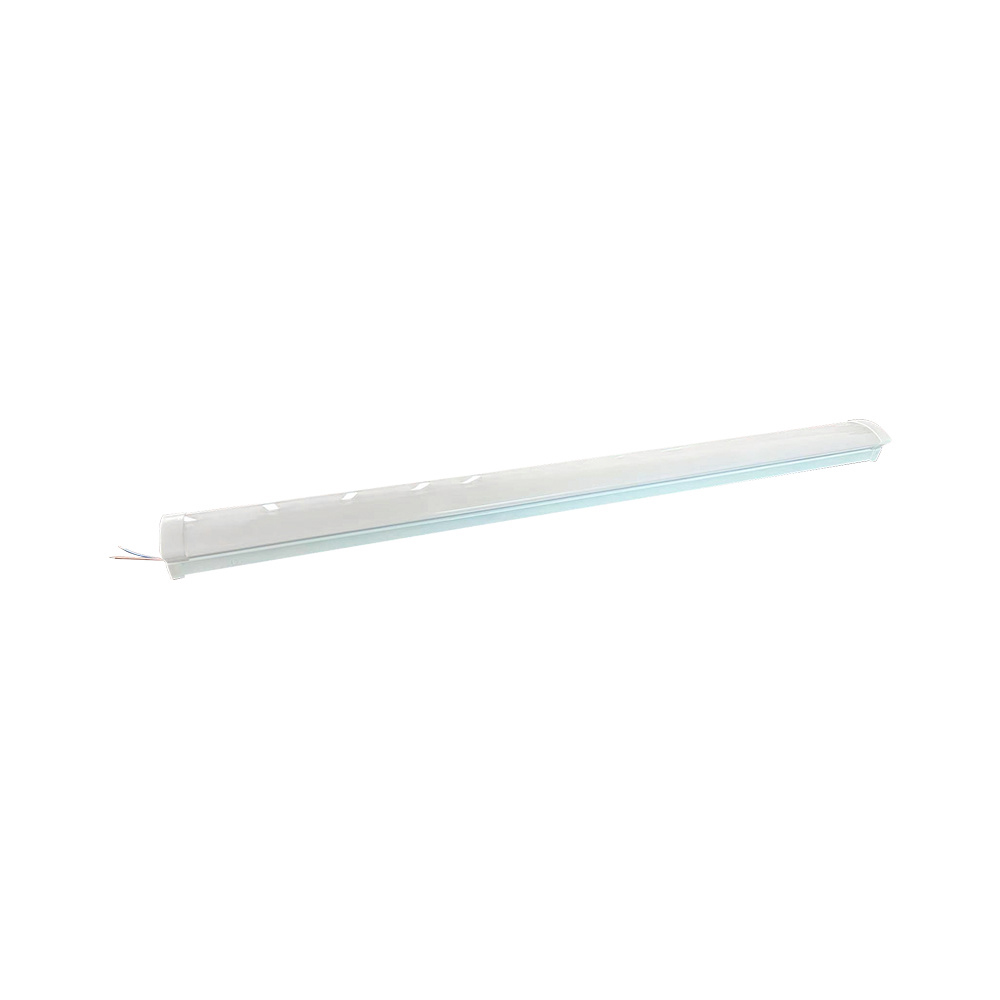
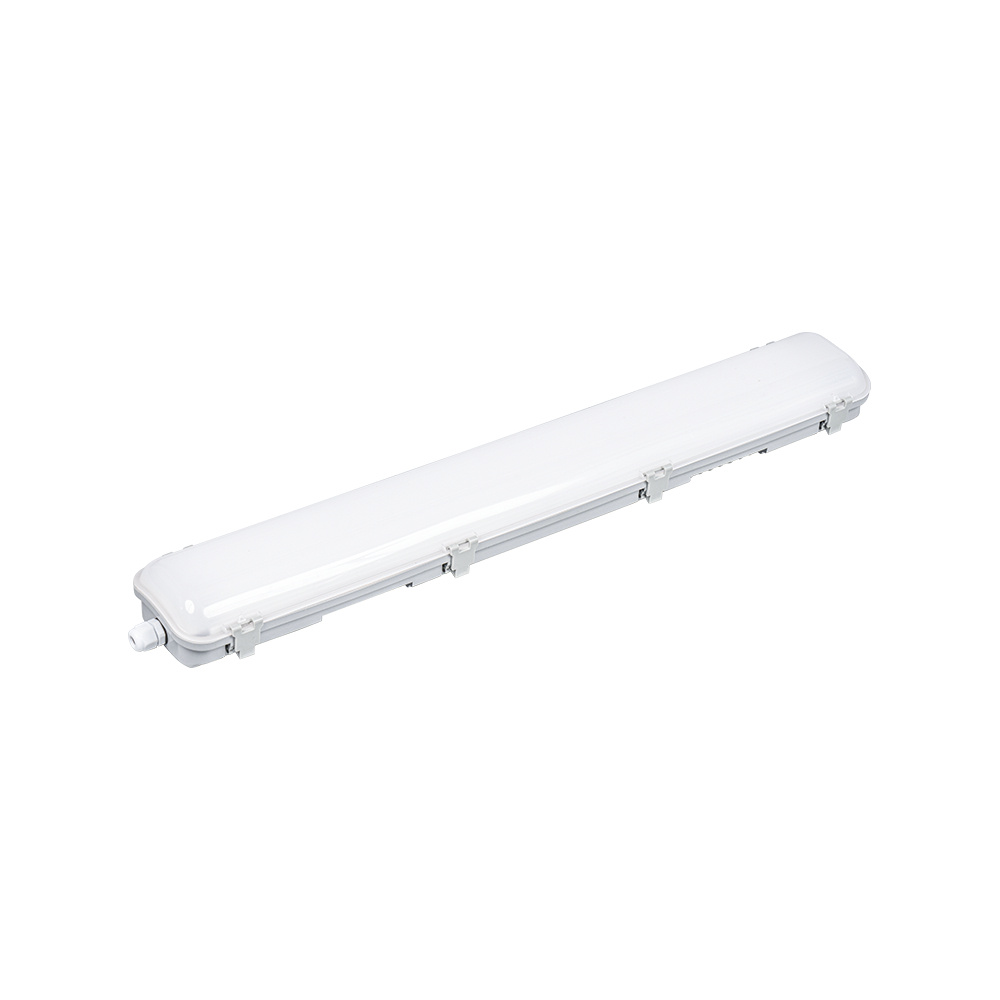
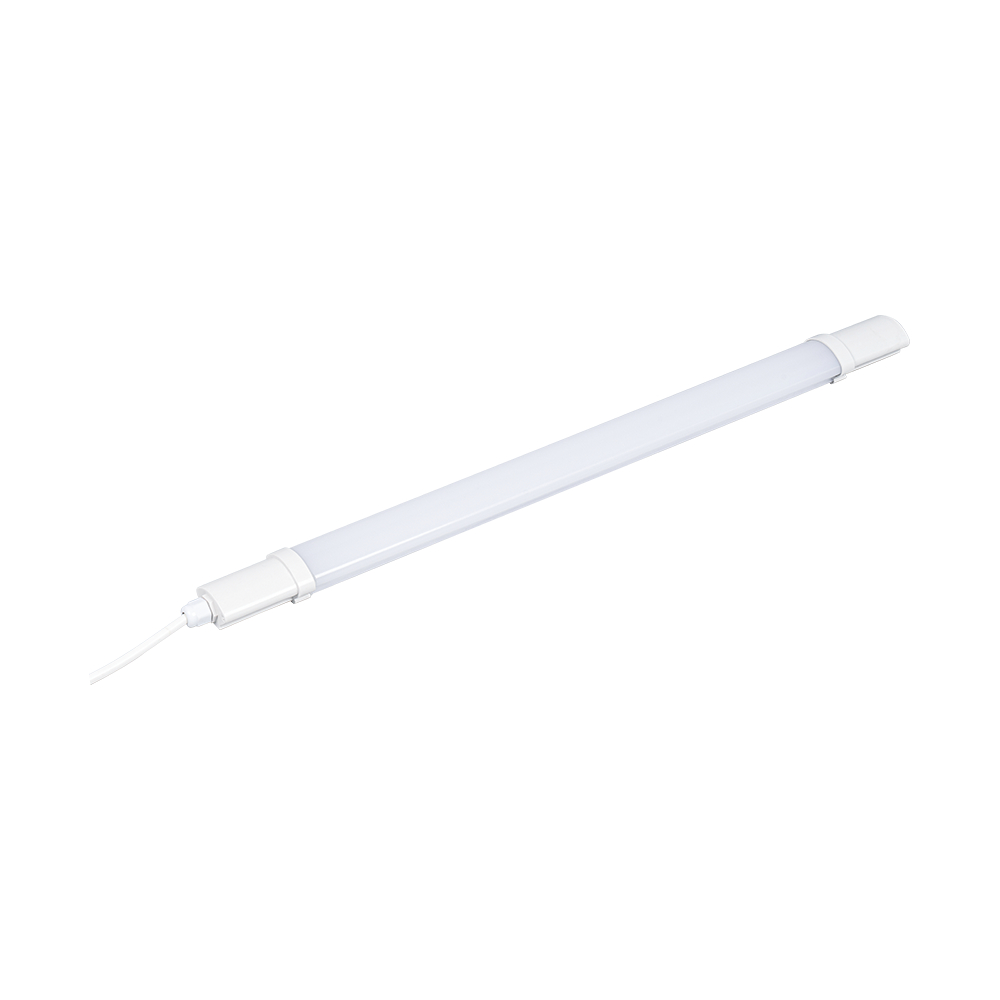
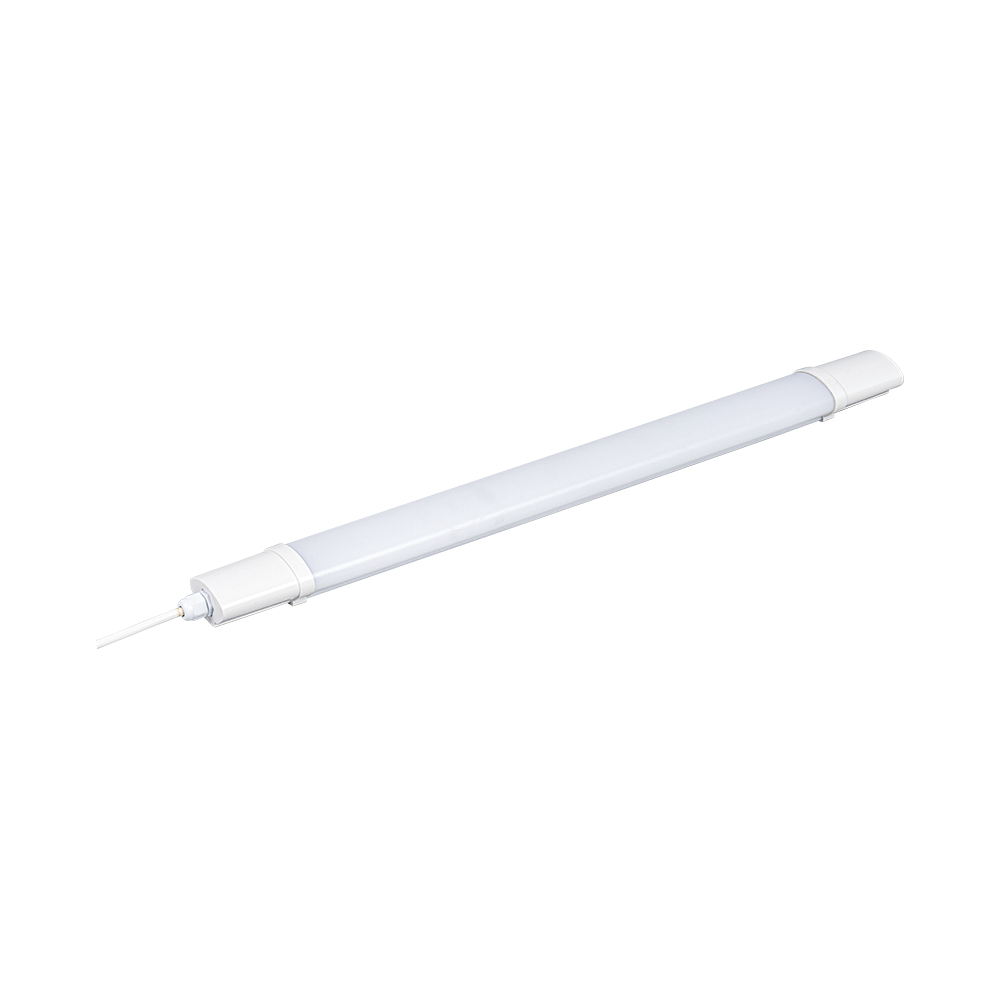
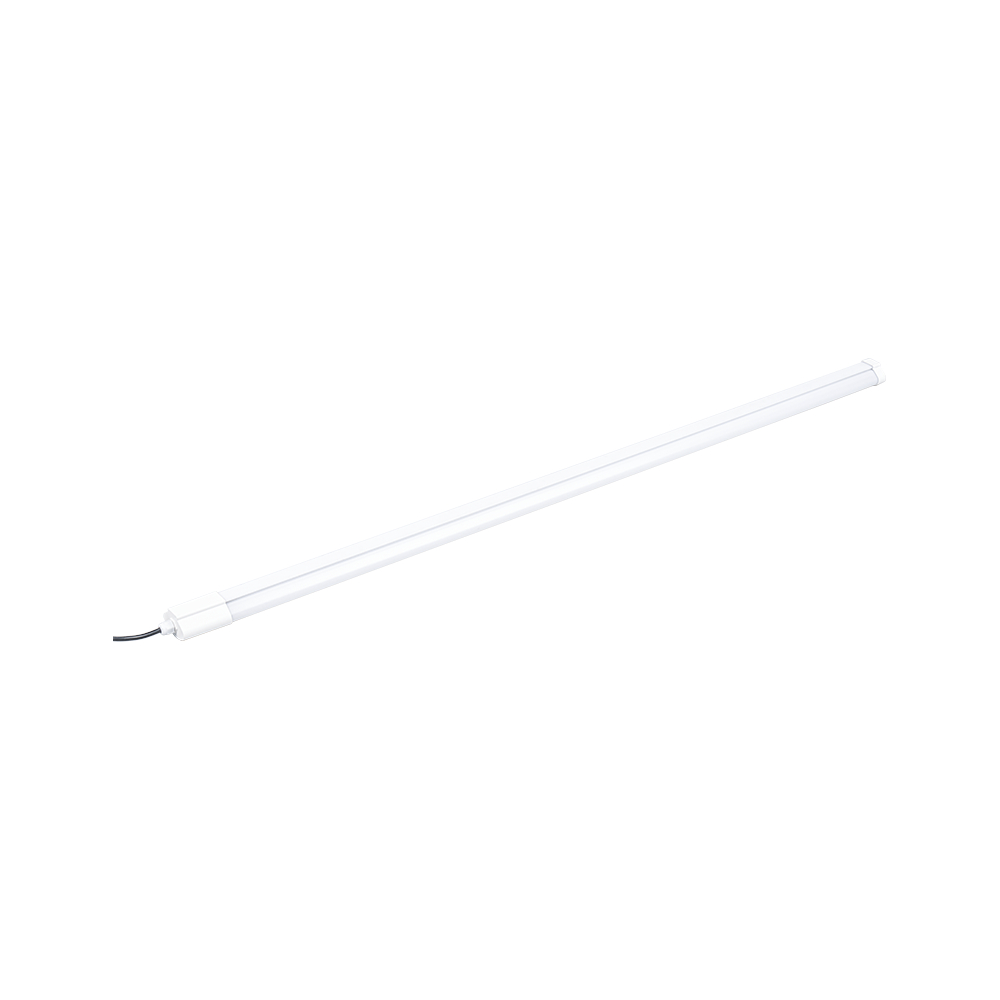
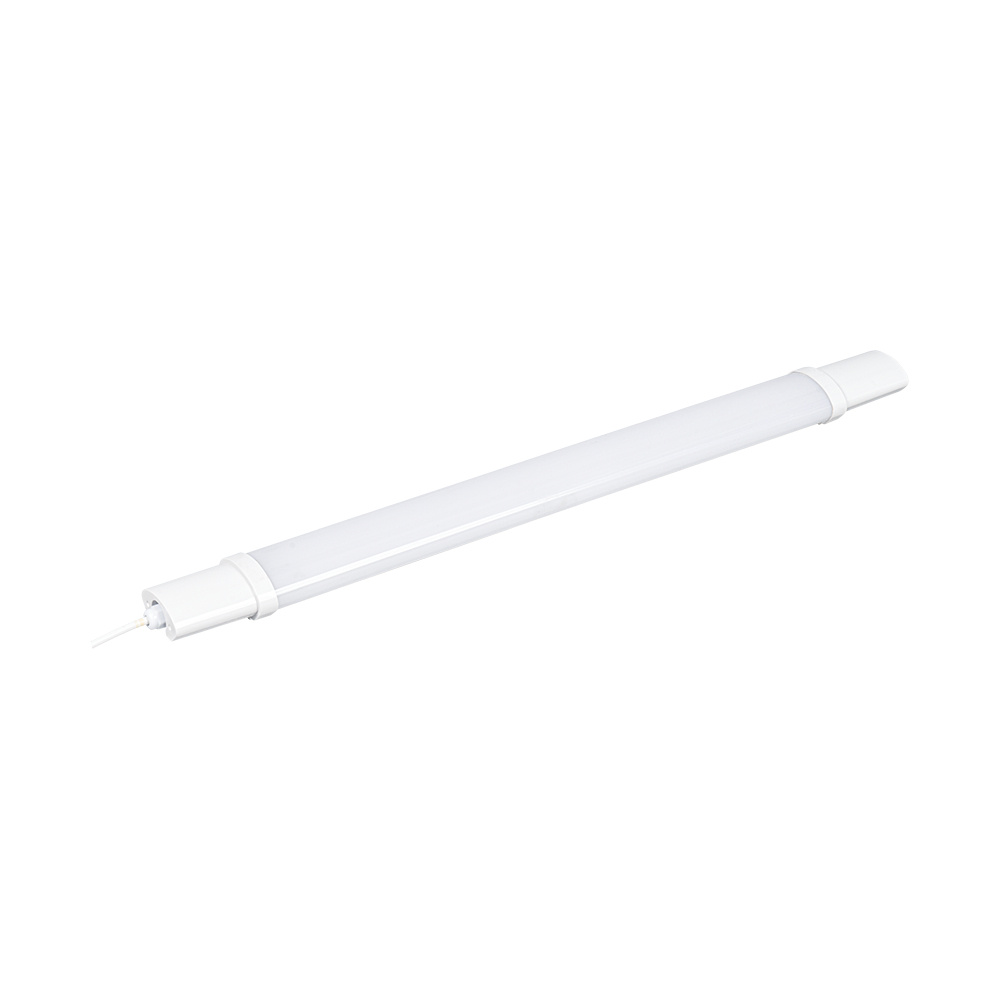
Enter the unsung hero of industrial and commercial environments: the LED tri-proof fixture.
If this is your first time hearing about it, the name might sound like some kind of sci-fi gadget—a glowing bar blessed with three secrets of unstoppable power. And honestly, that's not far off. Tri-proof fixtures are built to take punishment. They're the lighting equivalent of that one friend who can survive spilled drinks, a fall down two flights of stairs, and still show up with snacks.
Today, we're taking a deep dive—no floaties needed—into why LED tri-proof lights have exploded in popularity, what makes them so uniquely durable, where they're used, how they compare to other lighting solutions, and how to pick the right one for your space.
This is your complete guide to LED tri-proof fixtures: what they are, why they matter, and how they shine.
Content
Let's break it down for the people in the back.
A tri-proof light is a lighting fixture designed to be:
These three forms of protection are the "tri" in tri-proof. But many modern versions go beyond that—they're often shock-resistant, vapor-tight, bug-proof, oil-resistant, pressure-resistant, and basically "everything-proof except emotional damage."
The fixture is usually built with a rugged housing, sealed gaskets, reinforced materials, and LED technology that handles tough environments like a champ.
Insane Durability
These fixtures aren't fragile. They survive dust storms, moisture attacks, oil splashes, and temperature fluctuations like it's no big deal. This makes them perfect for harsh industrial environments.
If traditional tube lights are delicate houseplants, tri-proof LEDs are succulents—you basically have to try to kill them.
Long Lifespan
LED tri-proof fixtures operate effortlessly for 50,000–100,000 hours depending on the model. Let's translate that:
If you used the light 12 hours a day, it could easily last 10–22 years.
You'll replace your phone, car, and probably your career before replacing this light.
Big Energy Savings
LEDs consume way less power than fluorescent or incandescent lights. Many tri-proof fixtures reduce energy use by 40% to 80% depending on their efficiency.
It's kind of like swapping from a gas-guzzling SUV to a sleek electric scooter—but for lighting.
Stable, High-Quality Illumination
Tri-proof LEDs don't flicker, buzz, or color shift like old fluorescent tubes. You won't feel like you're trapped inside a jittery horror movie scene.
Expect:
Your eyes? They'll send you a thank-you card.
Low Maintenance
When lights stop failing every month, maintenance becomes way easier—and way cheaper.
This is especially useful for places where lights are hard to reach.
Eco-Friendly
No toxic mercury, no UV emissions, and way less energy consumption. If you’re trying to be environmentally responsible without going full "off-grid bamboo house," this is a solid step.
IP Rating (Ingress Protection)
The IP rating tells you how resistant the light is to solids and liquids.
Common IP ratings for tri-proof:
If you're installing lights in a car wash, food factory, brewery, or anywhere that feels like a wet jungle? IP69K is your best friend.
IK Rating (Impact Protection)
If your lighting fixtures might get whacked by forklifts, tools, or someone's clumsy elbow, IK ratings matter.
IK10 withstands a 5 kg mass dropped from 40 cm. Translation: these lights are tougher than most laptop keyboards after finals week.
Housing Materials
Most tri-proof fixtures use:
Polycarbonate is the fan favorite because it survives impacts without breaking and diffuses light nicely.
Anti-Corrosion Design
In factories where chemicals, oil, or salty air are present, corrosion is inevitable—unless your lights are built to fight it.
Tri-proof fixtures use:
Perfect for seaside warehouses or any place with chemical fumes.
LED Drivers
Good drivers = stable light, no flicker, no burnout.
Look for drivers with:
Brands like MeanWell or Philips drivers are commonly used in higher-end tri-proof fixtures.
Tri-proof vs. Fluorescent Batten Fixtures
|
Feature |
Tri-proof LED |
Fluorescent |
|
Lifespan |
50k–100k hours |
5k–15k hours |
|
Energy Use |
Low |
High |
|
Durability |
Extremely high |
Low |
|
Flicker |
None |
Common |
|
Warm-up Time |
Instant |
Delay |
|
Maintenance |
Minimal |
Frequent |
|
Waterproof |
Yes |
Rarely |
|
Mercury |
None |
Contains mercury |
Tri-proof lights = wide-area linear illumination
High bays = intense point-source illumination for very tall ceilings
Your choice depends on:
For ceilings under ~20 feet, tri-proof is often the winner.
A vapor-tight light is basically a cousin of tri-proof. The difference?
Tri-proof is typically more rugged, offering higher:
Vapor-tight lights are good. Tri-proof lights are "let's go" good.
All-in-one design with built-in LEDs.
Housing + LED tubes inside.
These include:
Come with built-in backup batteries.
When the power cuts out:
Smart.
Take a breath. Sip your water. Now let's pick the perfect light.
Check the IP Rating
For indoor dry spaces:
For wet or outdoor settings:
For extreme washdown areas:
Look at Lumens, Not Just Watts
Lumens = brightness
Watts = power consumption
Good LED tri-proof = high lumens per watt (lm/W)
Industry standard:
Size & Mounting
Common sizes:
Make sure your mounting height, spacing, and beam angle align with your lighting plan.
Color Temperature
Emergency Function? Sensors? Controls?
Do you need:
If yes, select compatible fixtures upfront.
Certifications
Depending on your region:
If you're lighting a serious industrial environment, certain certifications aren’t optional.
Warranty
A decent tri-proof should come with:
Warranty = how confident the manufacturer is.
Keep Spacing Consistent
Uneven spacing = patchy light = visual chaos.
Rule of thumb:
Check Voltage Requirements
Most tri-proof fixtures support:
Avoid Overheating
Even though LEDs generate less heat, good ventilation helps extend lifespan.
Use Proper Mounting Hardware
Misusing hardware = wobbling lights = disaster waiting to happen.
Keep Wiring Dry
Especially in outdoor or humid settings.
Water + electricity = big nope.
For Sensor Lights
Install where movement will actually be detected.
If you mount a sensor light behind a massive pillar, don't blame the light for being lazy.
Let's recap the vibe:
LED tri-proof fixtures are:
They work in:
They handle:
When you combine all of that, you get a lighting solution that doesn't just perform—it thrives in environments that would humble lesser fixtures.
If lighting solutions were video game characters, LED tri-proof fixtures would absolutely be the tank class.
If your space needs lighting that can handle real-world chaos, the answer is a massive, unambiguous yes.
Tri-proof LEDs are:
They're the kind of upgrade you install once and then forget about for years—because they just keep doing their job without throwing tantrums.
Whether you're upgrading a warehouse, modernizing a parking garage, outfitting a factory, lighting up a farm, or simply future-proofing your workspace, LED tri-proof fixtures are one of the smartest investments you can make.
Durable lighting shouldn't be complicated—and with tri-proof technology, it isn't.
It is focused on the overall solution of dry bulk material port transfer system,
research and development,
manufacturing, and service
+ 86-158-6784 4739
garrick@cigelighting.com
+86-574- 5896 6613
No. 332, Yizidi, Zhoutang west village. Zonghan street, Cixi, Ningbo, Zhejiang Province, China
Copyright ? Ningbo Cige Photoelectric Technology Co., LTD. All Rights Reserved. Triproof Light Manufacturer