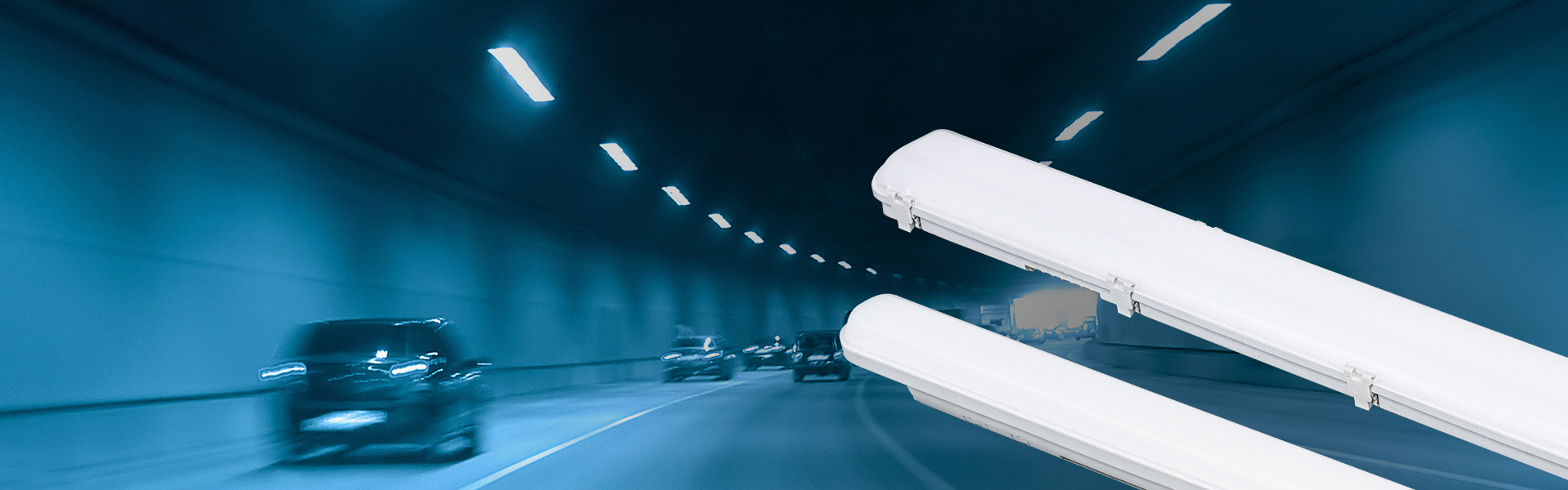
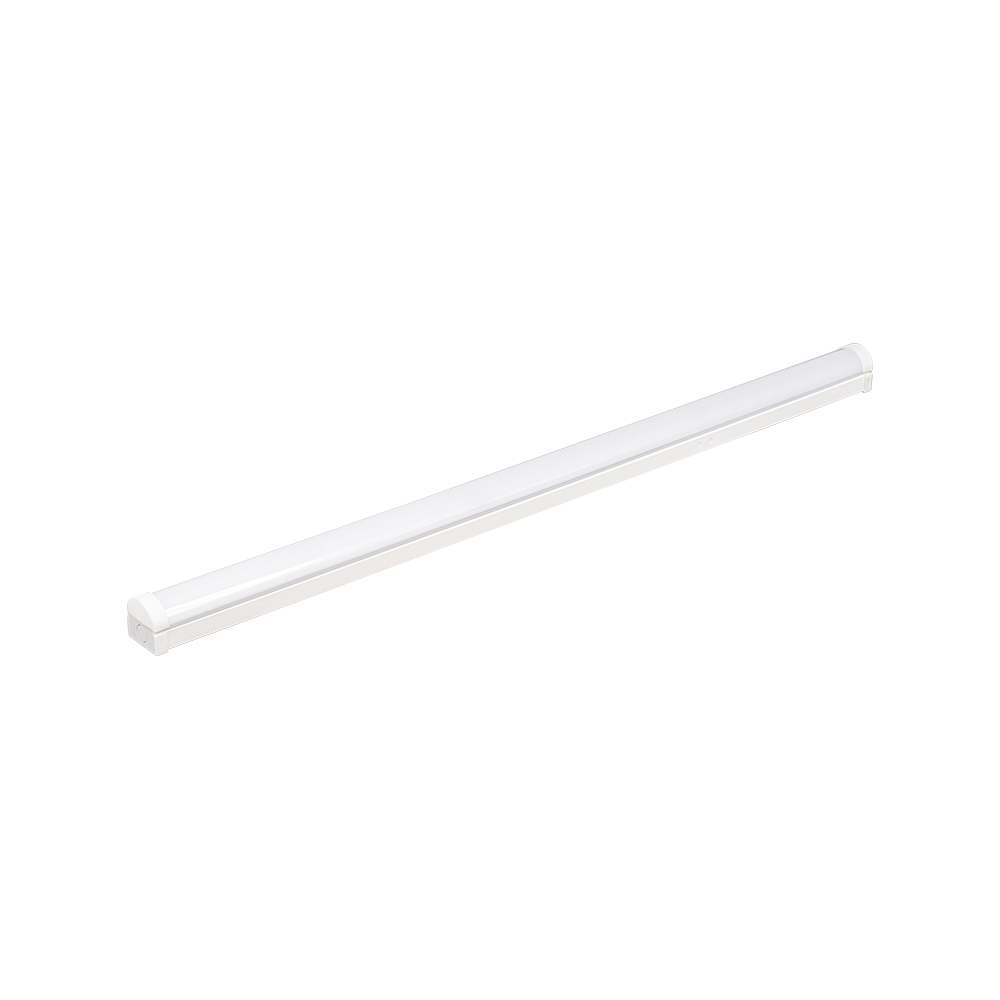
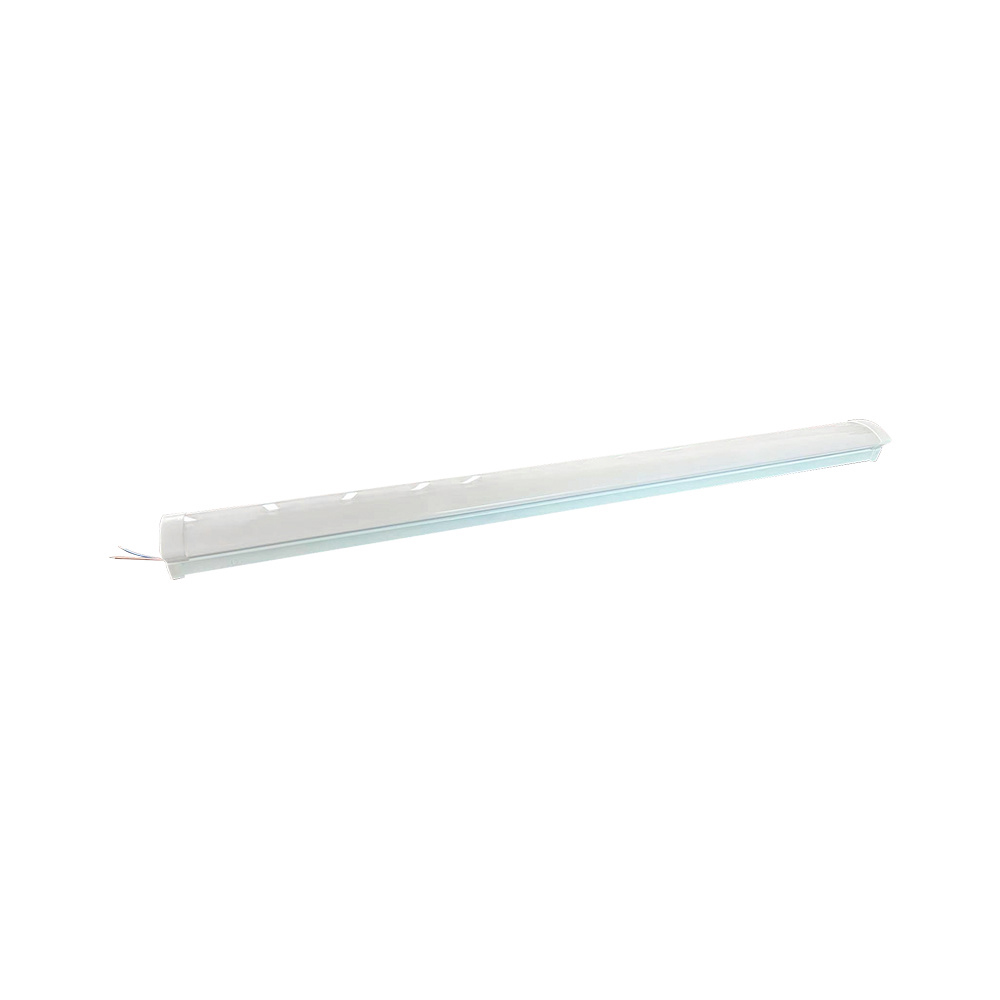
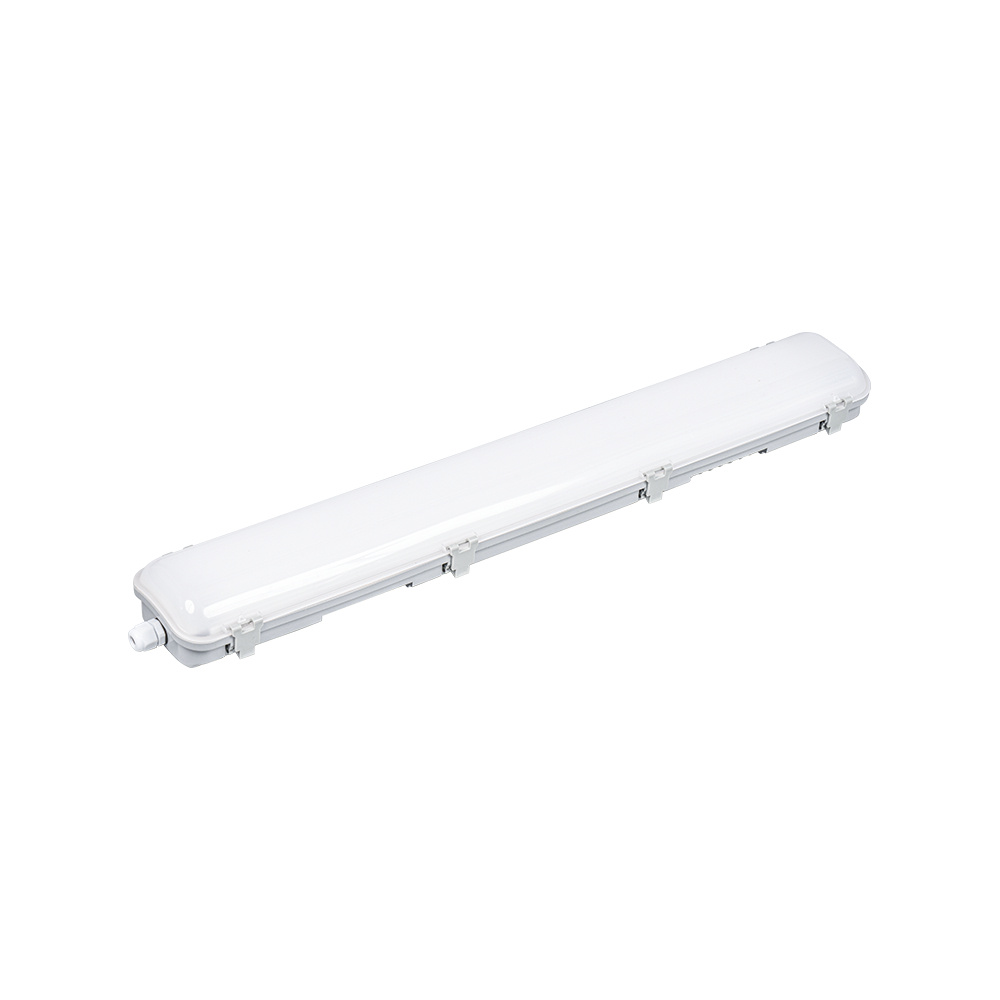
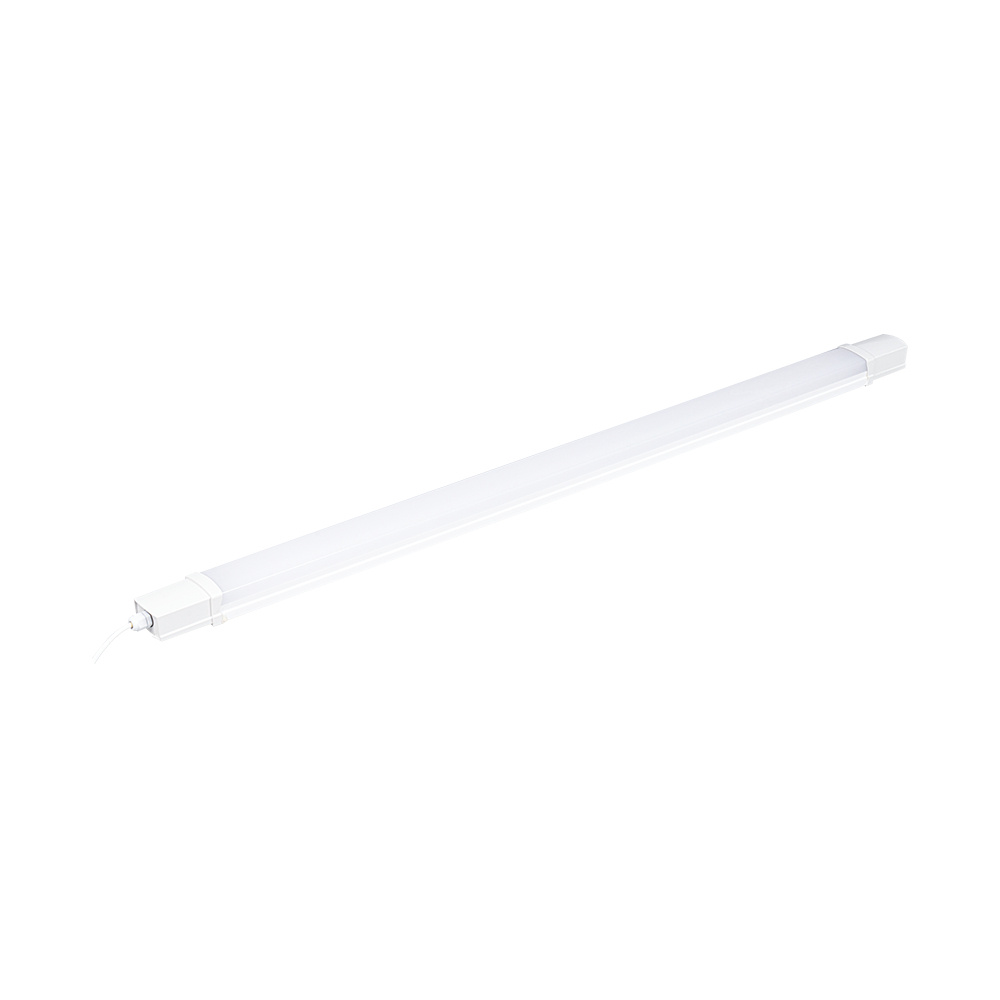
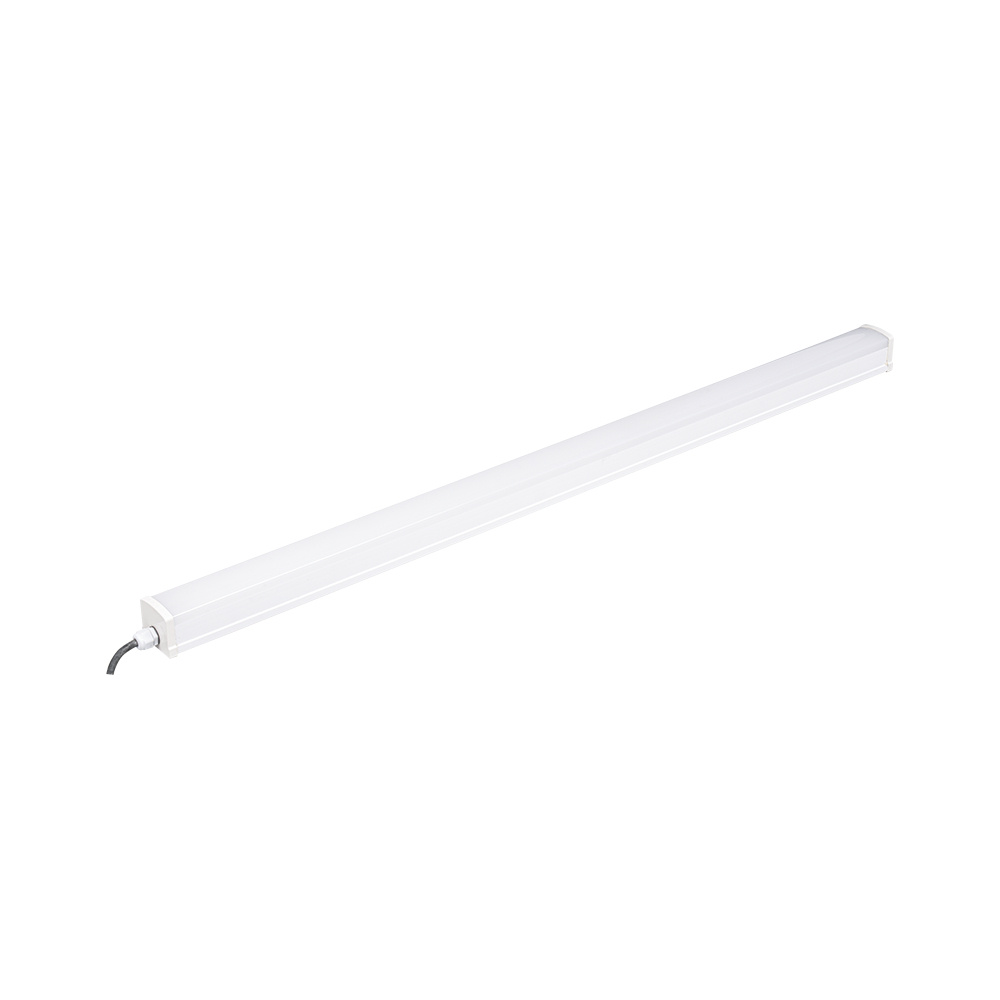
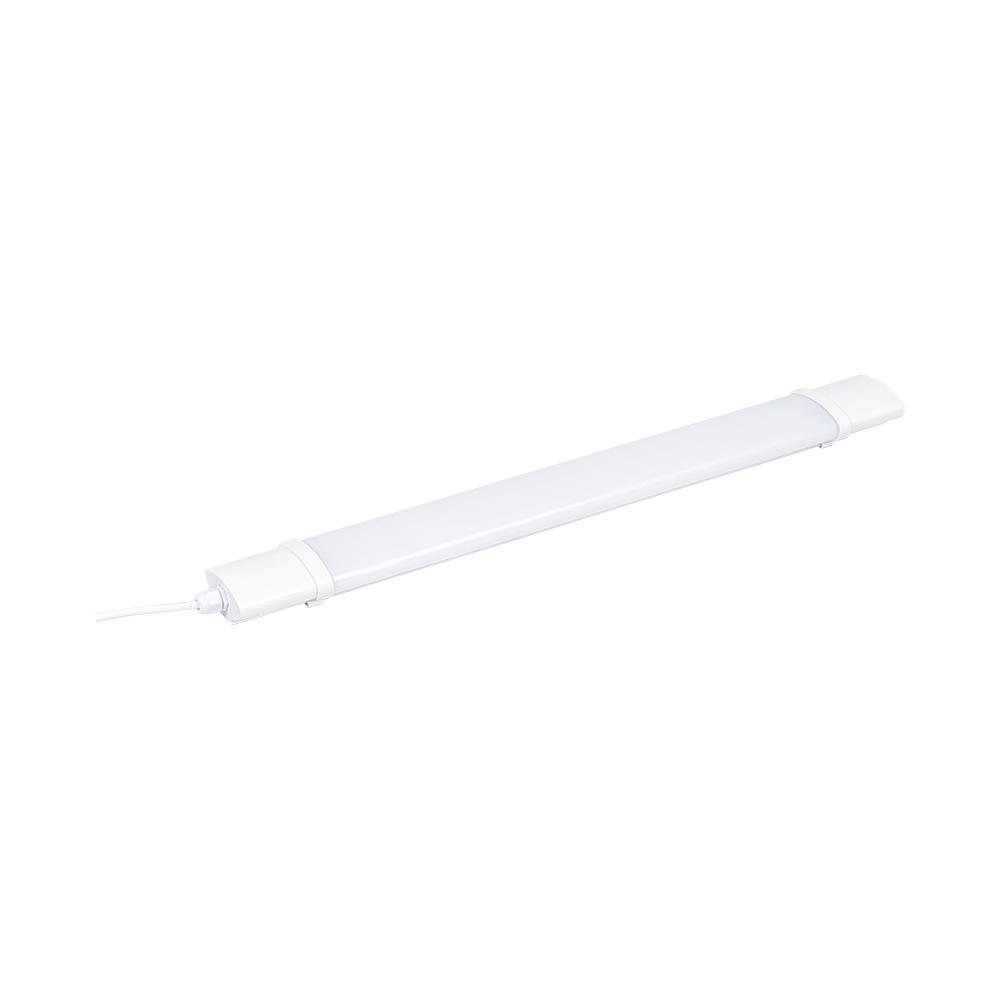
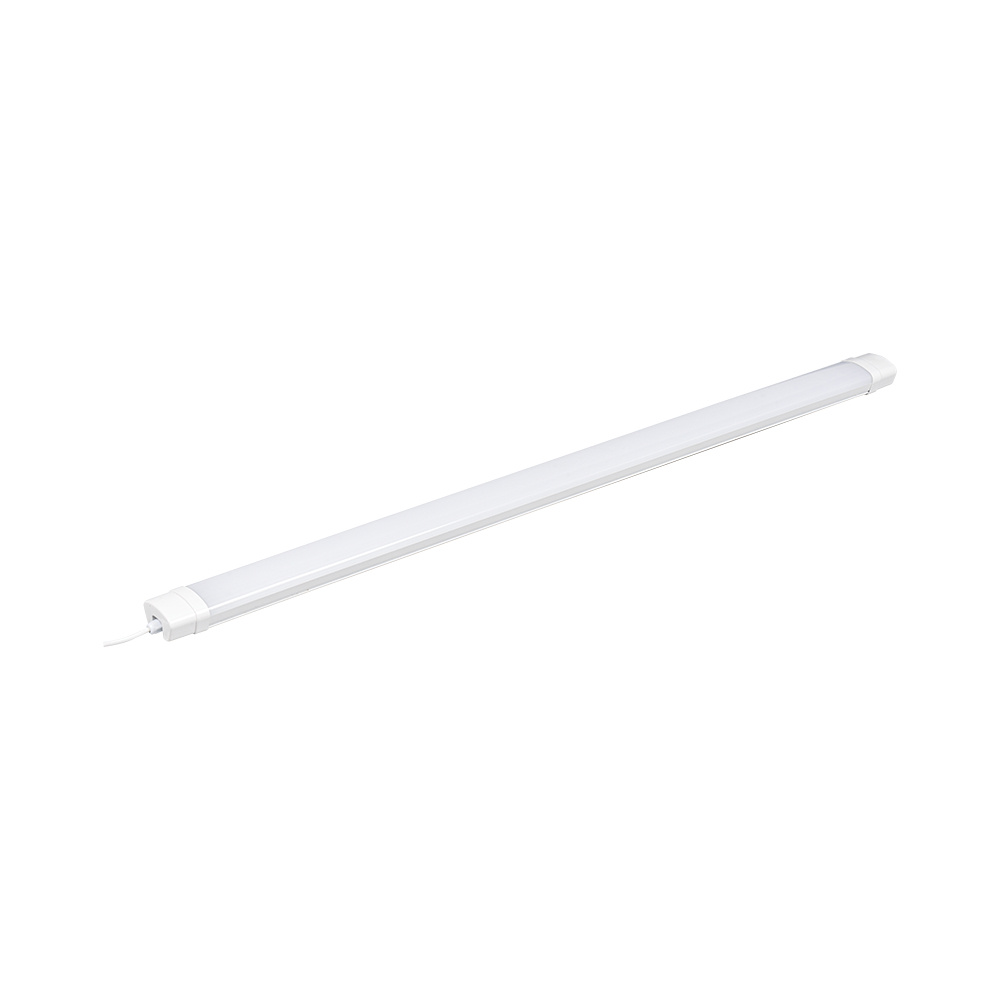
Getting the lighting right isn't just about how bright it is or how good it looks on day one. It's about picking fixtures that will still be working perfectly five or ten years later, no matter what your space throws at them: steam in a bathroom, cooking grease in a kitchen, dust in a workshop, or driving rain outside.
Two ratings come up on almost every job we quote: IP44 and IP65.
IP44 gives you solid splash protection and keeps out anything bigger than a millimetre – perfect for normal domestic wet areas and sheltered spots.
IP65 steps it up to completely dust-tight and able to take a proper jet-wash – the go-to choice anywhere that gets genuinely dirty or seriously wet. Ready to make the smart choice?
Before you choose between an IP44 and an IP65 fitting, you have to understand what those two numbers actually guarantee. Get this wrong and you’ll either waste money over-specifying, or end up with dead lights and angry clients.
IP stands for Ingress Protection – it's the international standard that tells you exactly how well a light keeps out dust, dirt and water.
The rating is always two digits:
First digit = protection against solids (dust, screws, fingers, etc.) Second digit = protection against liquids (rain, splashes, jets, submersion)
First Digit – Solids Protection
Second Digit – Water Protection
In short: IP44 = splash-proof and reasonably dust-resistant IP65 = fully dust-tight and genuinely waterproof against jets
That single step from 4 to 6 in the first digit and 4 to 5 in the second is the difference between a light that’s fine in a domestic bathroom and one that will survive a commercial kitchen wash-down or an exposed exterior wall for fifteen years.
Now that you know exactly what the numbers mean, the rest of the decision becomes simple.
Content
We've seen it too many times: a beautifully finished project ruined by lights that fail after the first winter because someone fitted the wrong IP rating.
In any area that sees steam, splashes, condensation, dust or proper outdoor weather, ignoring the IP rating isn't just a gamble; it's a guarantee of problems.
Water inside a fitting corrodes the driver, rots the LED board, and turns a £40 light into a potential fire hazard. Dust that creeps past weak seals builds up on the LEDs, traps heat and cuts light output by 30–50 % long before the warranty expires.
The result? Call-backs, replacement costs, unhappy clients and damage to your reputation.
Building regulations in most countries now demand minimum IP ratings in wet zones for exactly these reasons. Fit an IP20 downlight in a bathroom and you're not just breaking the rules; you're setting yourself up for failure.
A correctly rated fitting keeps moisture and dust out for life. That single detail is what turns a 3-year light into a genuine 10–15-year installation.
Real-world proof from our own jobs:
Specify too low and you pay with replacements. Specify too high and you've just added unnecessary cost.
Get it exactly right and you install once, walk away, and never have to think about those lights again.
That's why we check the IP rating on every single fitting before it leaves our warehouse. It's the difference between a job that makes money and one that costs you money.
IP44 is the rating we specify more than any other on domestic and light-commercial jobs. It's the sweet spot where you get genuine splash protection without paying for over-the-top sealing you'll never need.
Most IP44 fittings we supply are die-cast aluminium or high-grade plastic bodies with a proper silicone gasket around the diffuser, push-fit sealed cable glands and a polycarbonate or glass cover. The driver sits inside but isn't fully potted – it doesn't need to be for the conditions these lights are designed for.
Typical performance you can expect:
Price – usually 30–50 % cheaper than the equivalent IP65 fitting
Lighter and slimmer – perfect for low ceilings and discreet looks
Quick, simple installation – no heavy torque settings on glands
Huge range of styles – recessed downlights, surface cylinders, mirror lights, wall brackets, everything looks tidy
Easy to clean – just a damp cloth, no drama
Perfect for:
Don't use IP44:
IP65 is the rating we reach for the moment a light has to survive real-world punishment: daily hosing, heavy dust, driving rain, steam, or all of the above. It's not marketing hype – it's a proper, fully dust-tight seal combined with genuine jet-proof construction.
Every decent IP65 fitting we stock has:
Real-world performance from the ranges we fit every week:
Yes, they cost more than IP44 and weigh a bit more, but the extra upfront spend disappears the first time you avoid a £2,000 re-visit because the lights died.
Now, let's pit them against each other in key categories to see where each excels.
IP44's 4/4 rating is basic—fine for splashes but vulnerable to dust and jets. IP65's 6/5 is comprehensive, blocking all dust and handling directed water. Winner: IP65 for demanding spaces; IP44 for mild ones.
Table for clarity:
|
Aspect |
IP44 |
IP65 |
|
Dust Protection |
Partial (>1mm solids) |
Complete (dust-tight) |
|
Water Protection |
Splashes only |
Jets from any direction |
|
Test Duration |
10 minutes splashing |
3 minutes jetting per side |
Durability and Lifespan
IP44 fixtures last well in clean, dry-ish areas but degrade faster in dust or humidity. IP65's seals maintain performance longer, often doubling lifespan in real use. Both benefit from LED efficiency, but IP65's better heat dissipation adds years.
Energy Efficiency and Performance
Tied here—both use similar LED tech, achieving 80-150 lm/W. Differences come from application: IP65 might run cooler in wet areas, preserving efficiency.
Cost Considerations
IP44 is cheaper upfront (20-50% less) and in installation (lighter). IP65's higher initial cost is offset by fewer replacements—payback in 1-2 years for tough spots.
Installation and Maintenance
IP44 is simpler to mount, with fewer seals to check. IP65 requires careful gland tightening to maintain rating but needs less frequent cleaning due to dust resistance.
Overall, IP65 wins for protection, but IP44 for value in low-risk areas.
Key Factors to Consider
Recommendations by Space
Tools for decision: Site surveys and manufacturer spec sheets.
Proper installation preserves the rating.
Preparing for Installation
Isolate power, check compatibility, gather tools (drill, screwdrivers, sealants).
IP44 Installation
IP65 Installation
Future Trends: What's Next for Protected LED Lighting
Smart integration (IoT controls), higher efficiencies (200 lm/W), sustainable materials (recycled plastics), and hybrid ratings (e.g., IP65 with IK10 impact).
At CIGE Lighting, we've spent over 15 years supplying and installing weatherproof LED fixtures across homes, factories and commercial sites. The question we get asked on every job is the same: “Do we need IP44 or IP65?”
Here's the simple answer we give every client:
If the light will ever be hosed down, left fully exposed to rain, or sit in a dusty/steamy environment → choose CIGE IP65 fittings.
If it only faces occasional splashes or condensation → our CIGE IP44 range is more than enough and costs less.
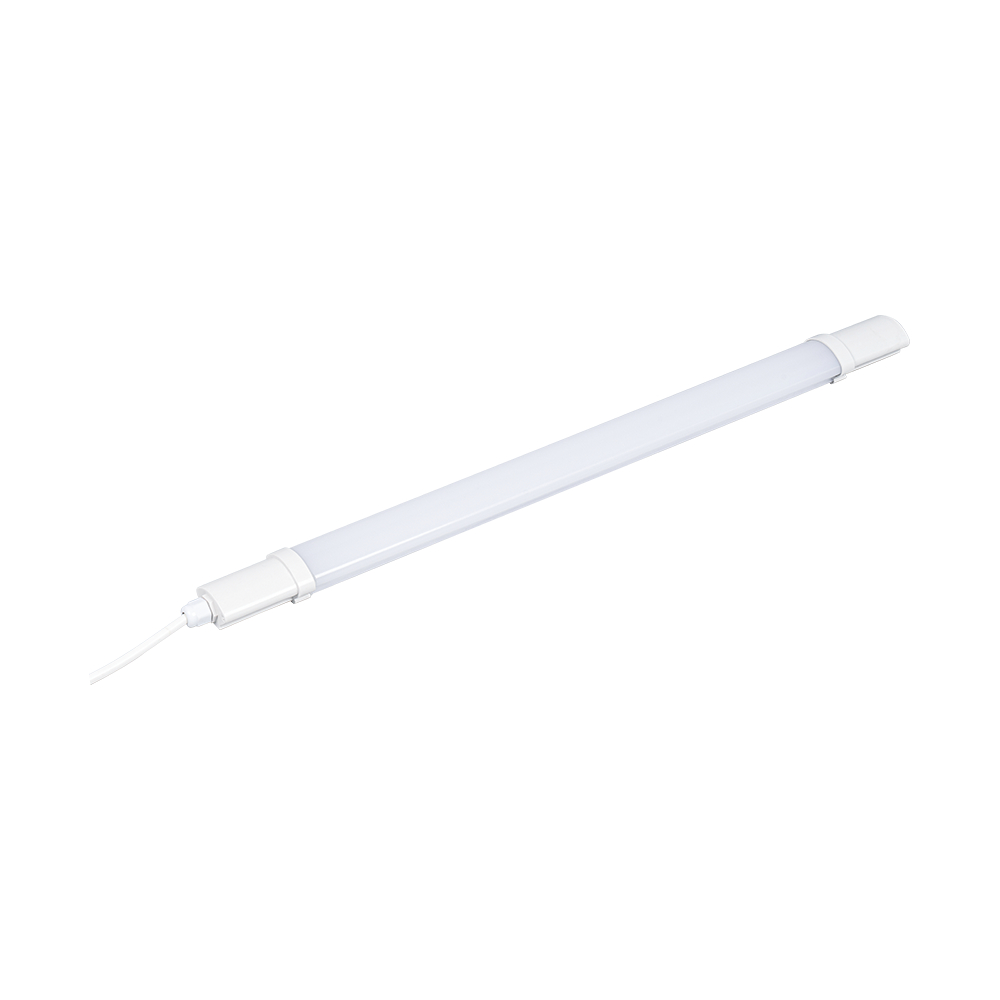
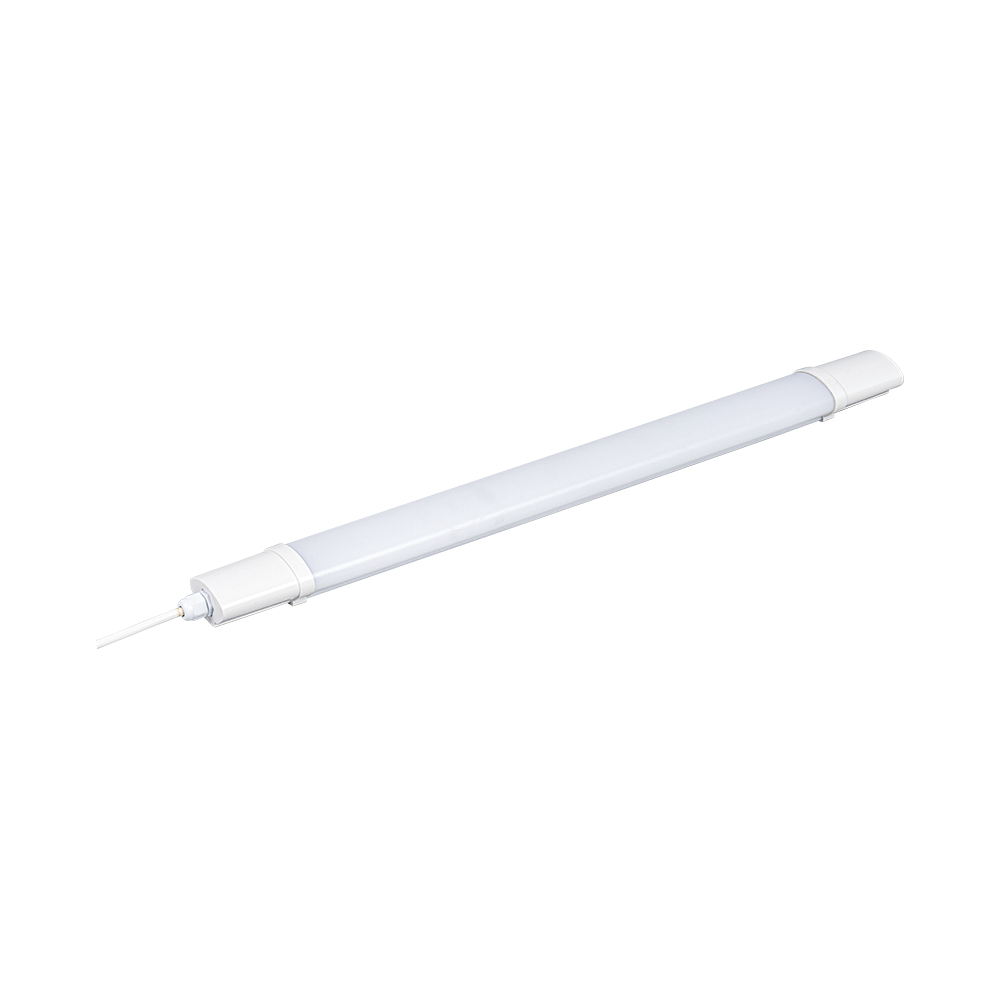
IP65 from CIGE is completely dust-tight and survives direct jet-washing – perfect for exterior walls, commercial kitchens, car parks, garages and anywhere the weather hits hard.
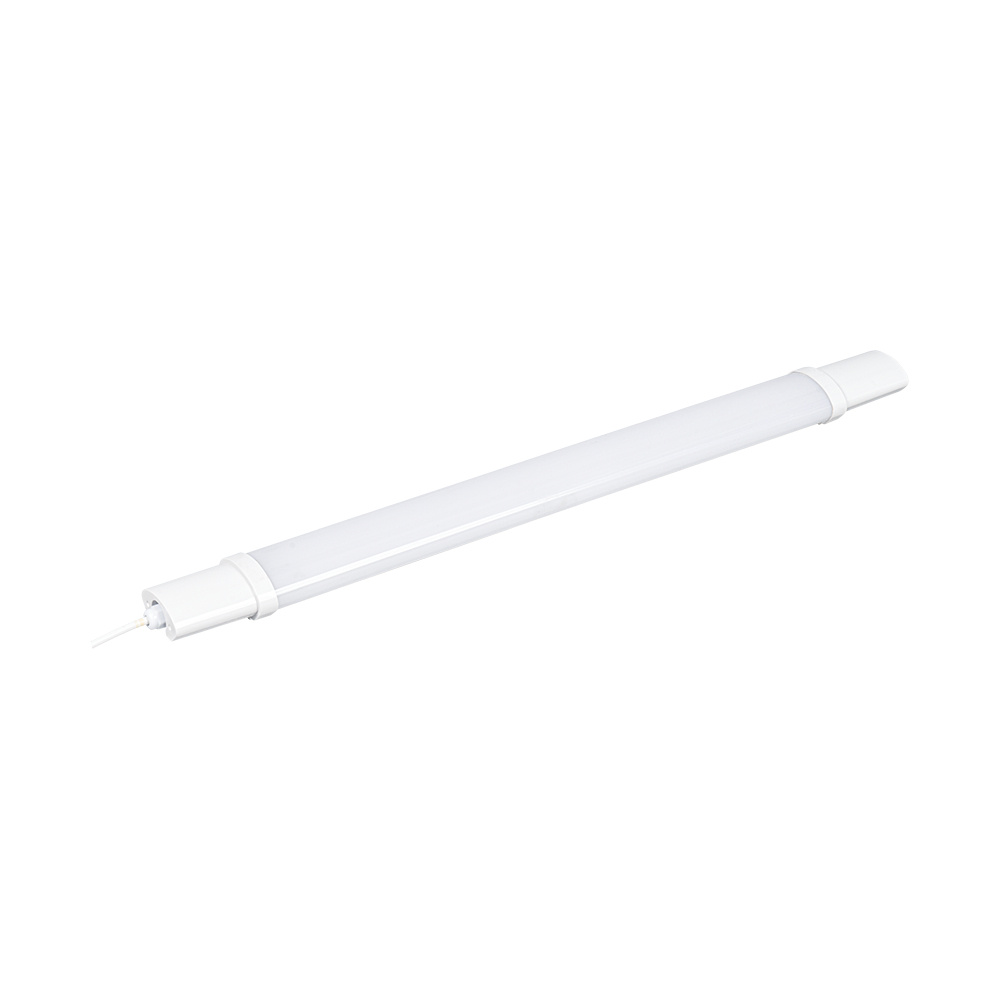
IP44 from CIGE gives reliable splash protection at a lower price and lighter weight – ideal for bathrooms, covered porches, domestic kitchens and sheltered areas.
Choose the rating that matches the real conditions, fit quality CIGE gear, and your lights will run perfectly for the next 10–15 years with zero maintenance.
It is focused on the overall solution of dry bulk material port transfer system,
research and development,
manufacturing, and service
+ 86-158-6784 4739
garrick@cigelighting.com
+86-574- 5896 6613
No. 332, Yizidi, Zhoutang west village. Zonghan street, Cixi, Ningbo, Zhejiang Province, China
Copyright ? Ningbo Cige Photoelectric Technology Co., LTD. All Rights Reserved. Triproof Light Manufacturer