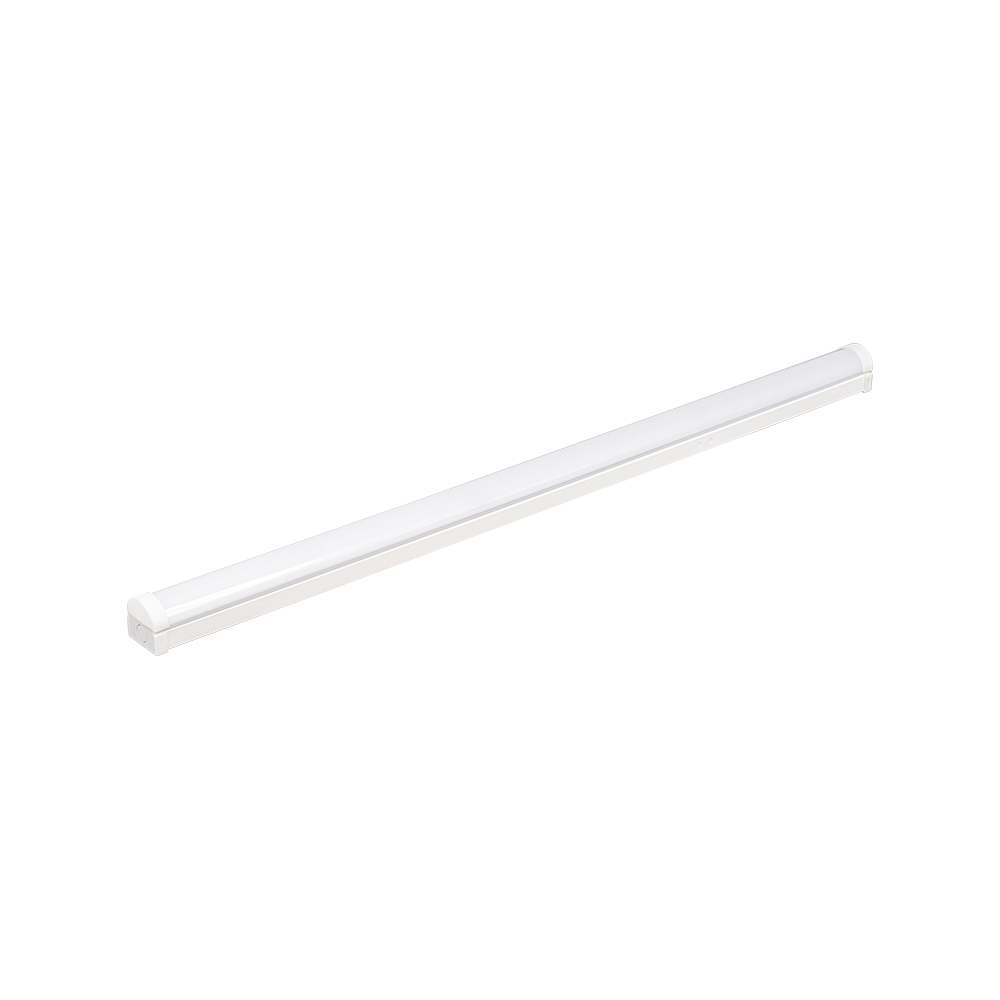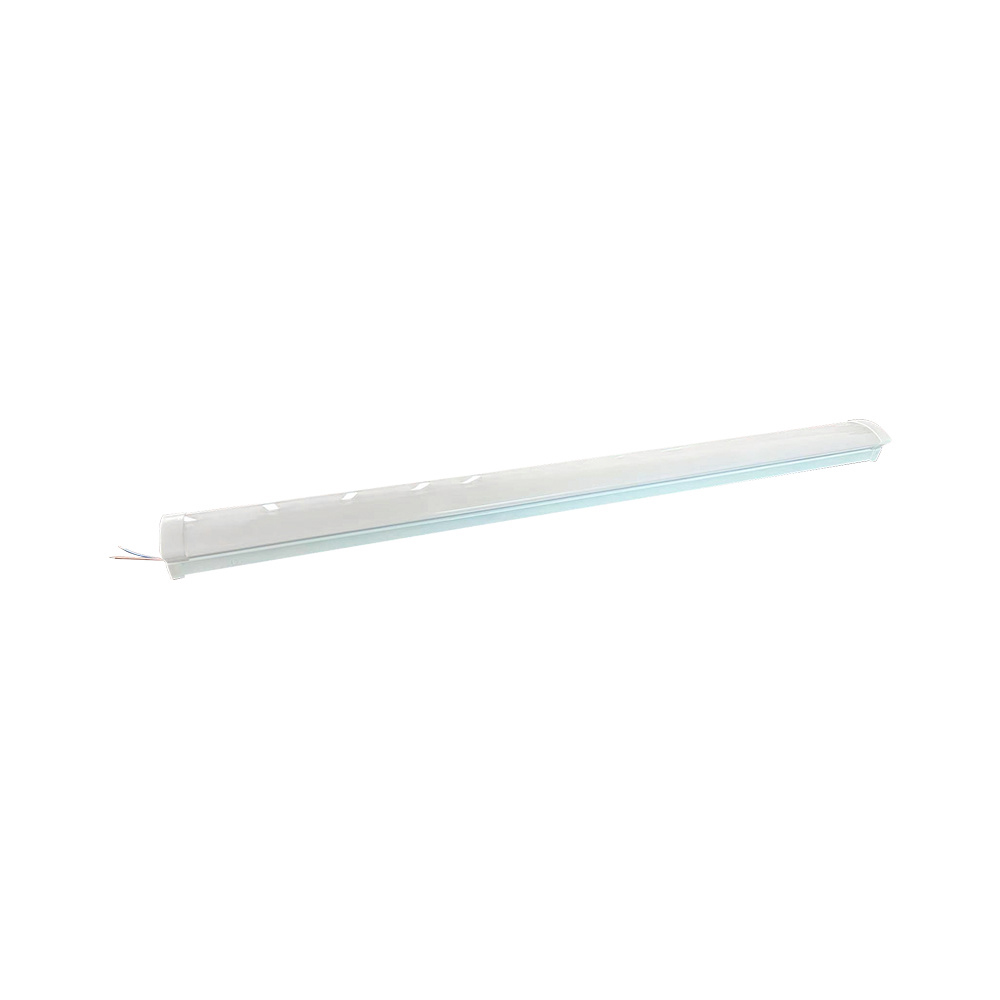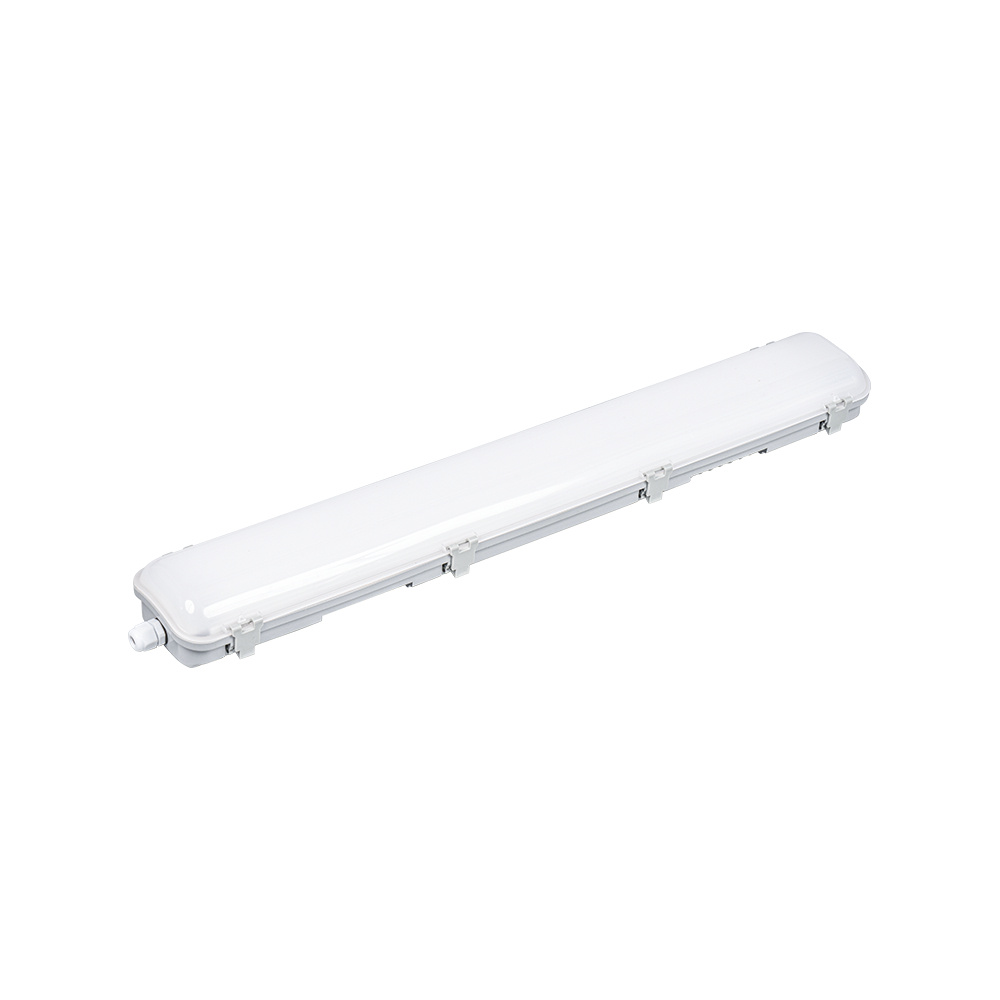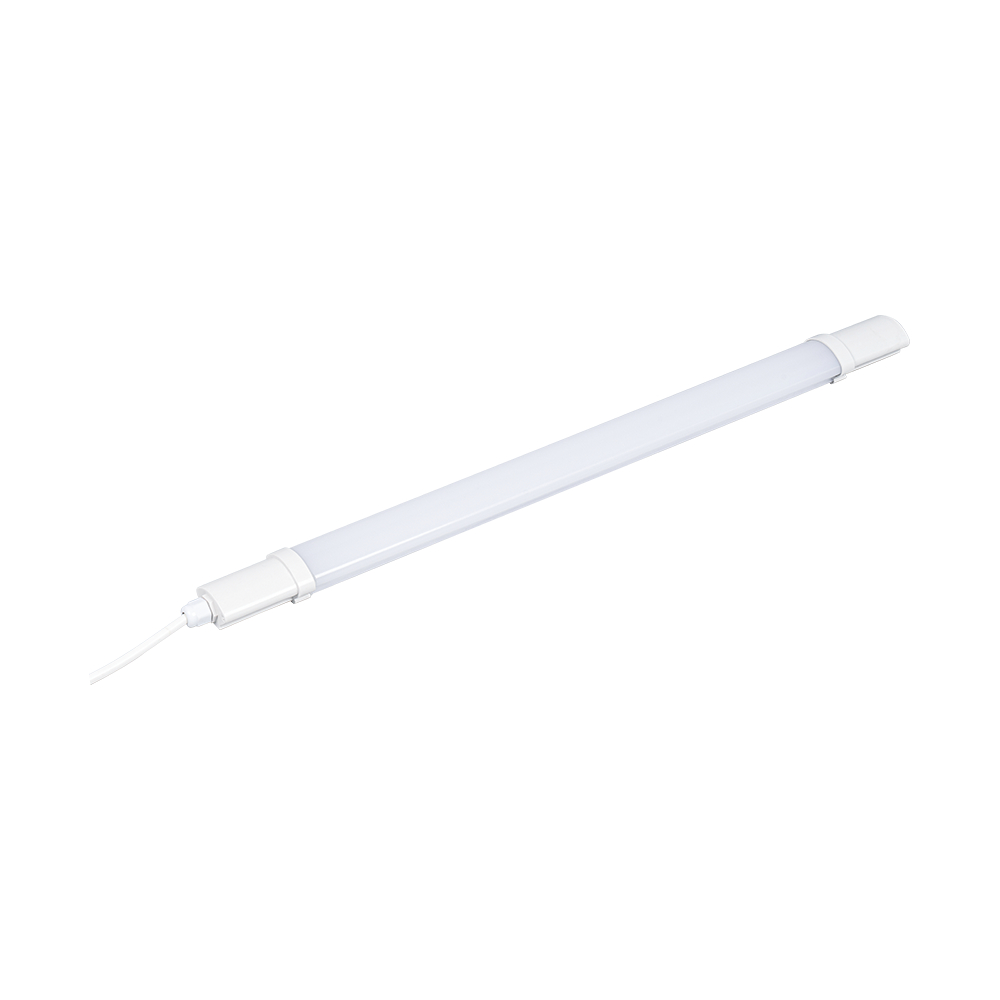
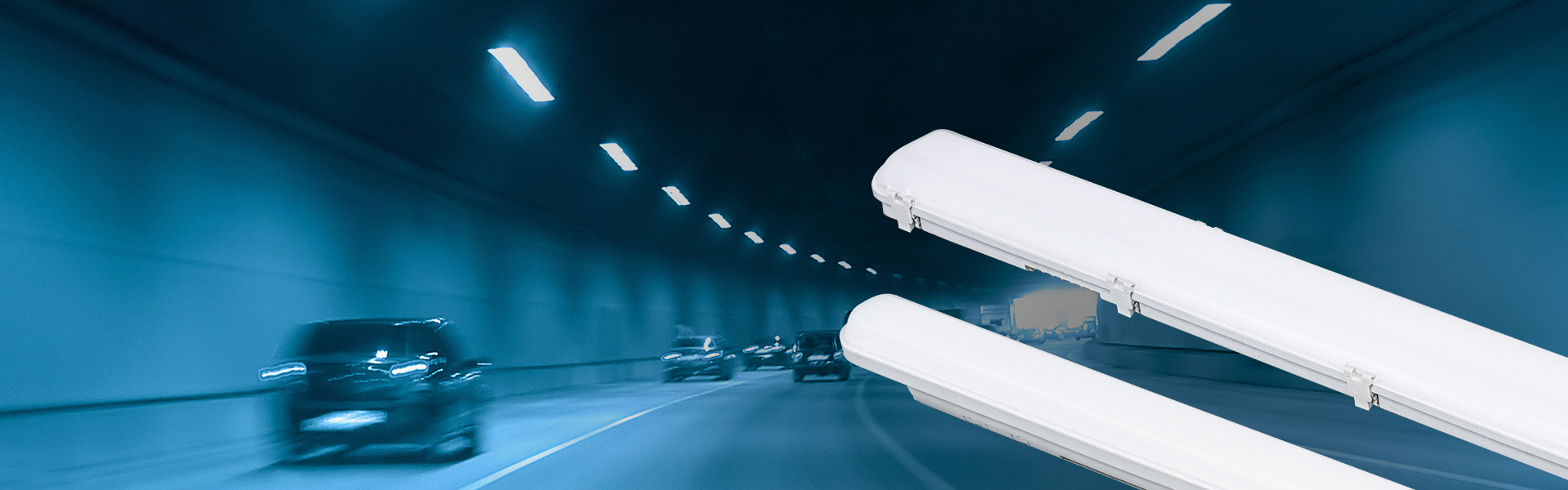
Facilities of all kinds now treat lighting as more than background infrastructure. Reliable illumination directly affects workflow speed, error rates, and occupant comfort. When fixtures that remain stable through long operating hours, routine cleaning, and environmental stress have moved from optional to expected.
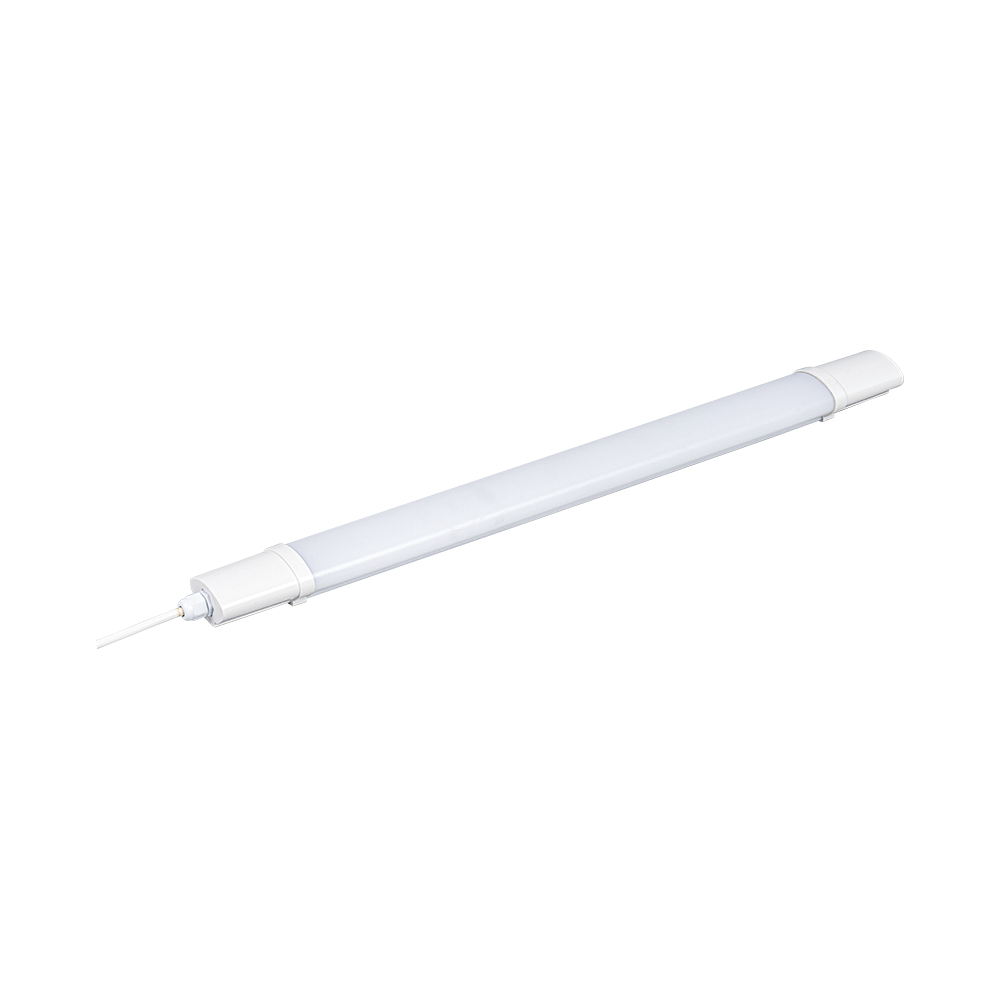
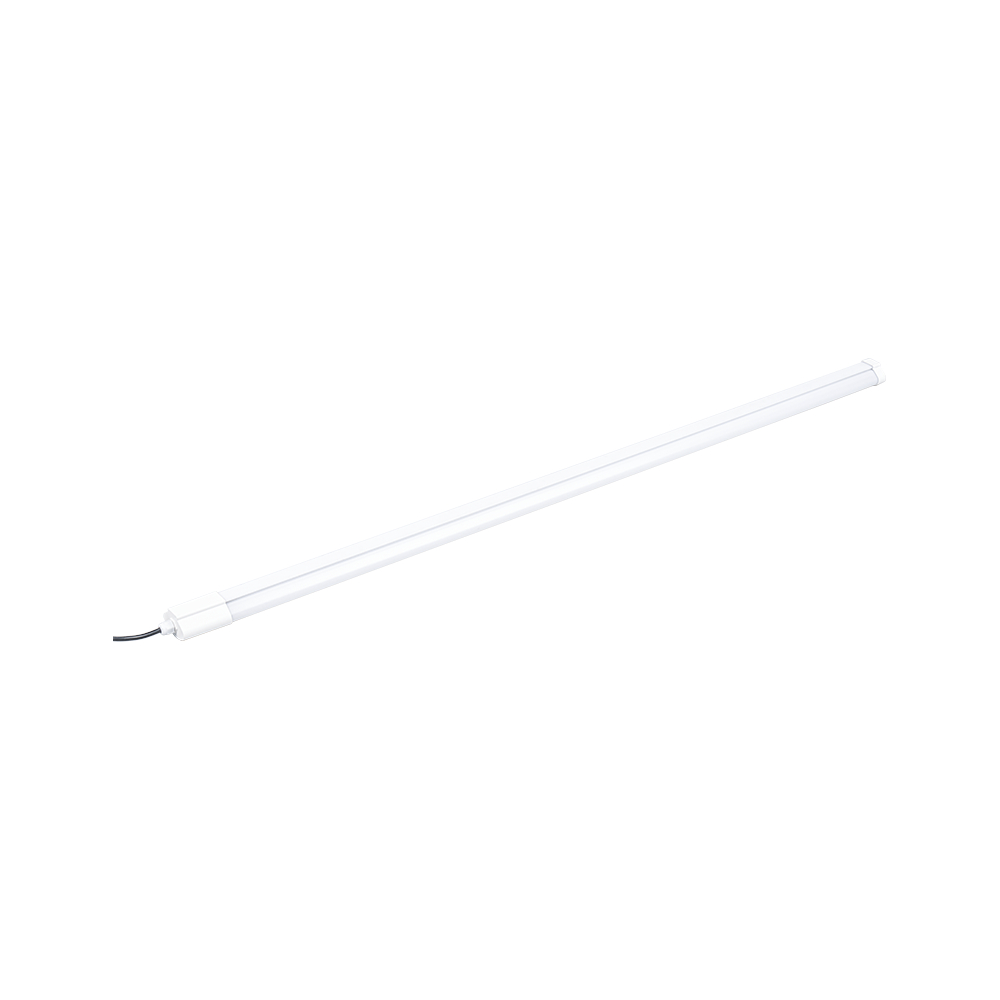
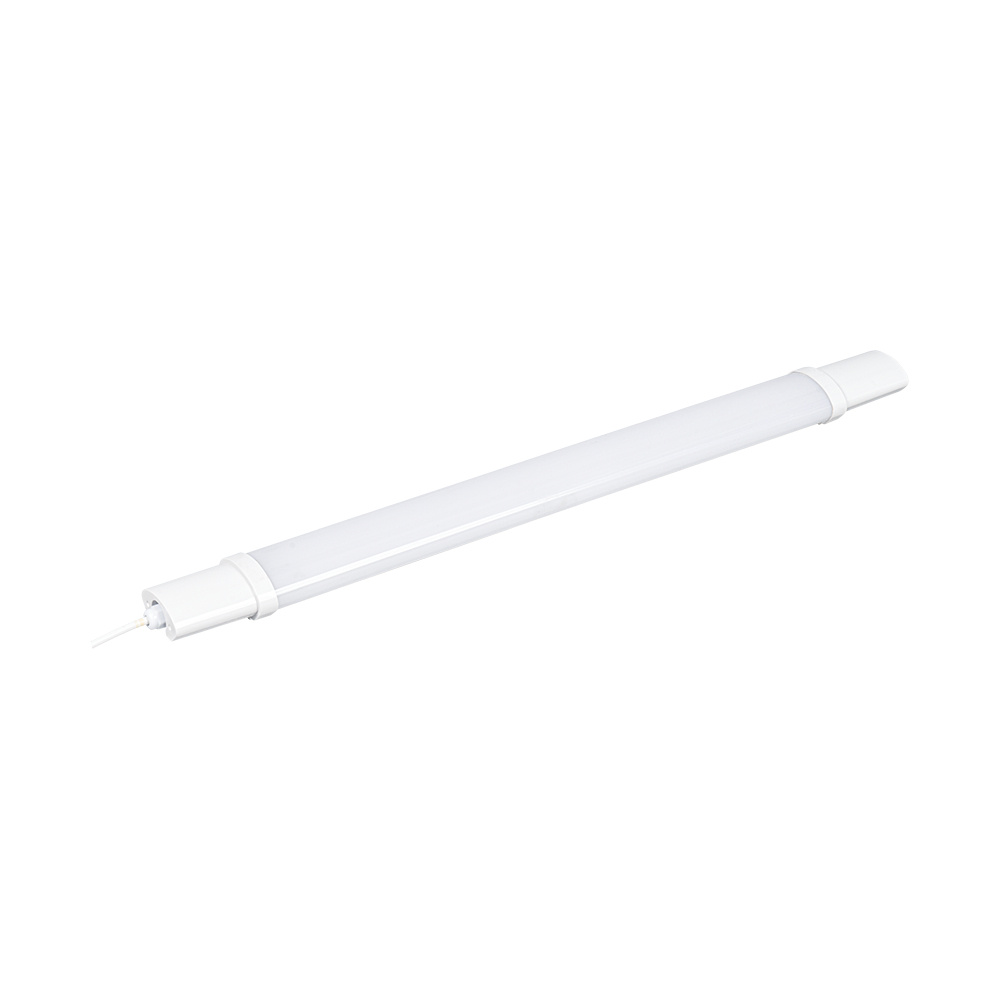
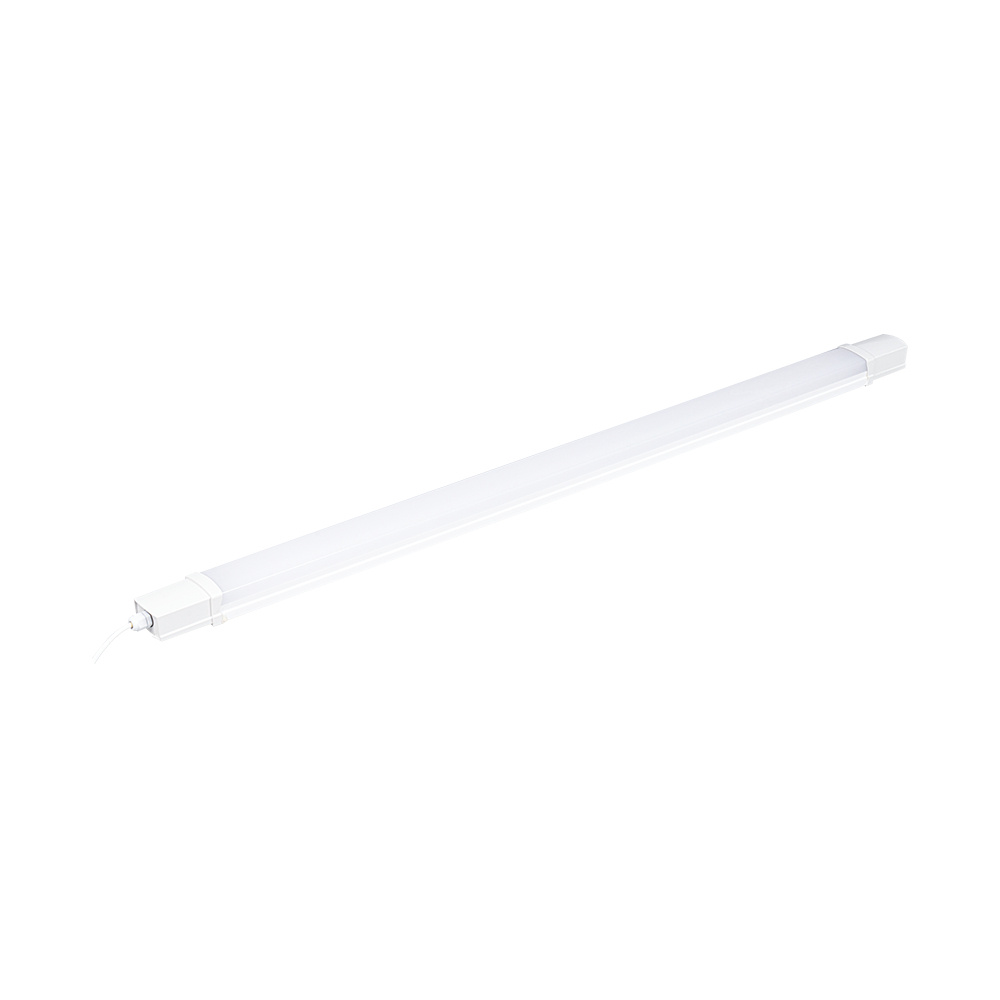
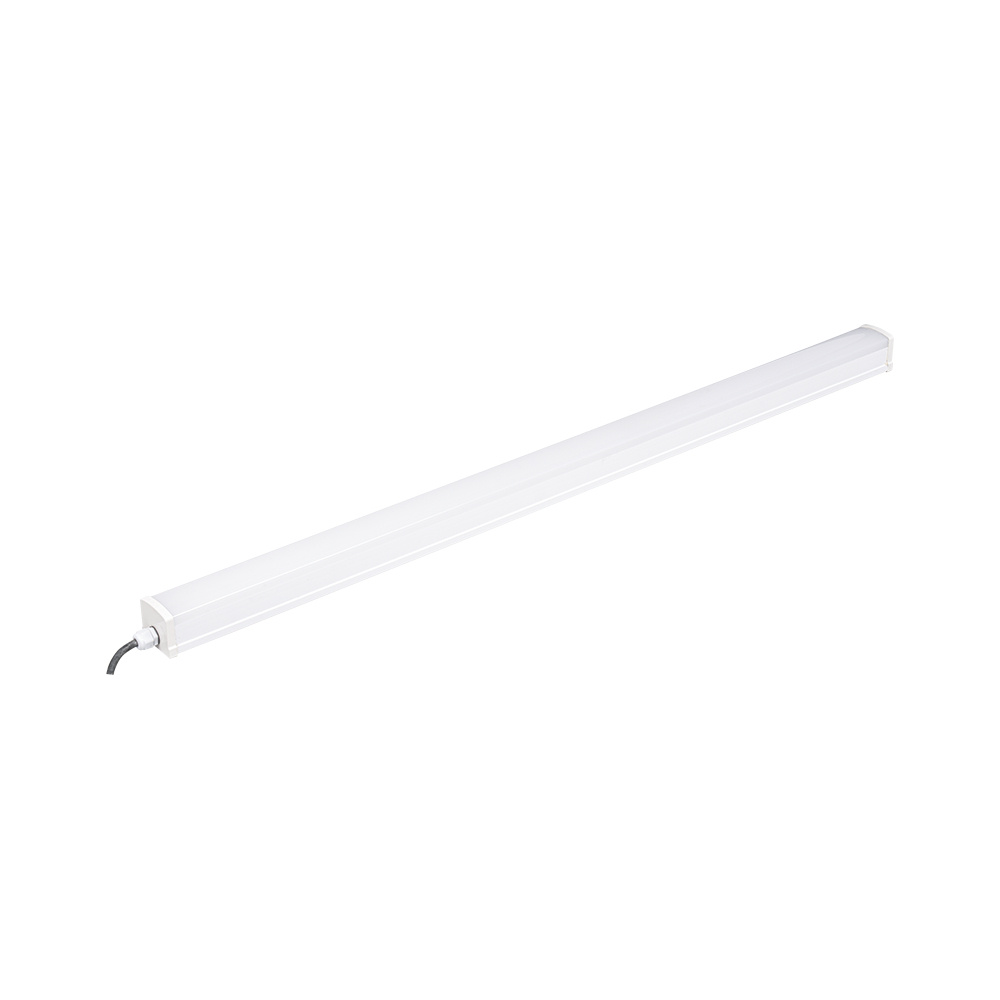
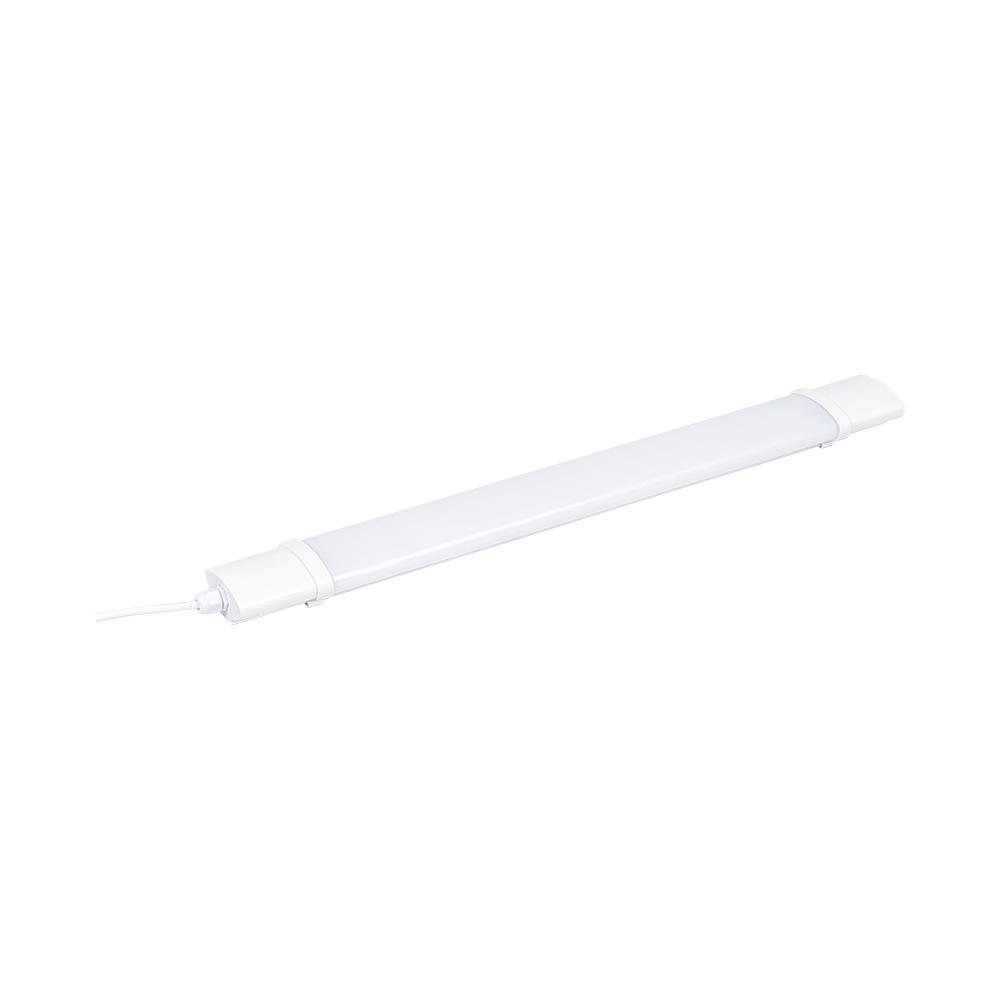
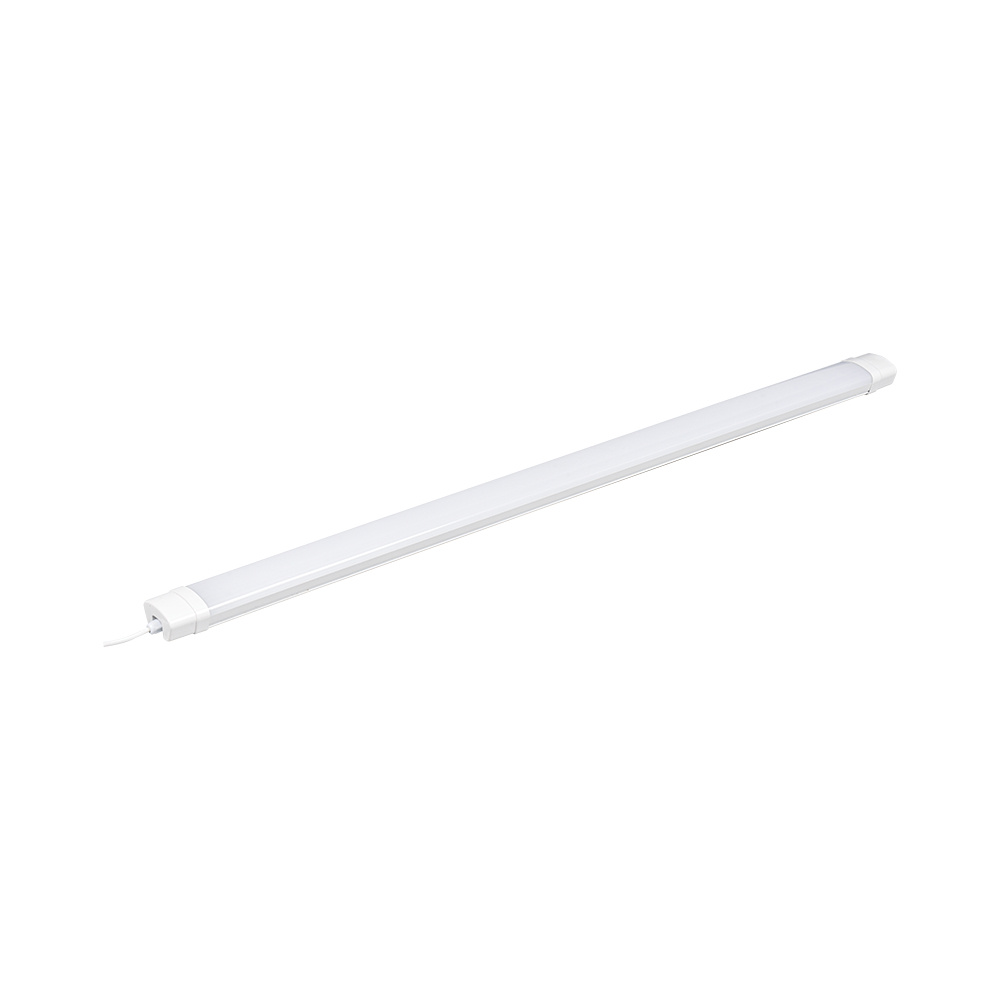
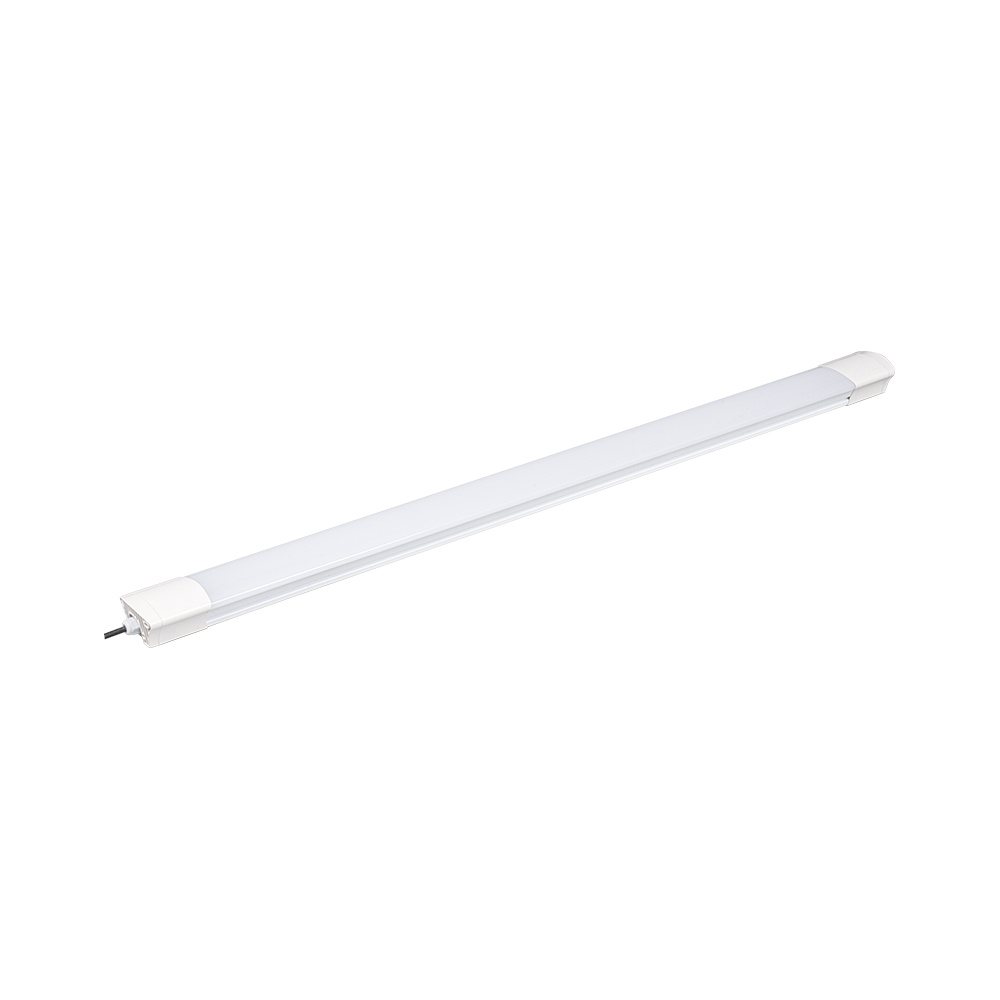
Many sites no longer accept frequent bulb changes or sudden failures. Instead, they look for systems that continue working quietly while supporting the tasks performed beneath them. Within this broader movement, the 36W Triproof Light has emerged as a specification that many project planners and maintenance teams keep returning to. Its combination of moderate output, environmental resistance, and straightforward handling makes it a frequent choice when facilities refresh corridors, storage zones, or production areas.
Content
Modern operations run on tight schedules. A light that flickers or dims during a shift can slow an entire line or create uncertainty in a public passage. Managers therefore place higher value on fixtures that deliver the same brightness from the first hour to the last.
Consistent light also influences accuracy. In environments where staff read labels, inspect parts, or guide vehicles, steady illumination reduces small but costly mistakes. The shift toward triproof designs reflects this practical need for uninterrupted performance.
Few facilities can afford to shut down large sections for days just to replace lighting. Maintenance teams prefer systems that stay in place longer and require only occasional attention. Triproof construction addresses this directly by limiting the impact of moisture, dust, and minor impacts that normally shorten fixture life.
When downtime windows are short, the ability to wipe down a sealed unit or swap a single failed component becomes a decisive advantage. The 36W Triproof Light fits naturally into these patterns because its sealed housing and simple mounting keep service time brief.
Seasonal temperature swings and daily cleaning routines create challenges for ordinary fixtures. Condensation forms inside unprotected housings, leading to corrosion or electrical faults. Triproof designs handle repeated exposure to water vapor and temperature cycles without internal damage.
Facilities that wash floors nightly or operate in unheated zones find particular value in this resilience. The sealed structure prevents water ingress during routine maintenance, allowing light to remain available even after hoses have been used nearby.
Fine particles from manufacturing processes, vehicle movement, or construction work settle on exposed lenses and gradually reduce output. Over months, the accumulated layer can cut brightness noticeably. Triproof fixtures, with their smooth, gasketed covers, resist particle adhesion and maintain clarity far longer than open designs.
In multi-level storage or compact warehousing, where forklift traffic constantly stirs dust. Here, the 36W Triproof Light serves as a moderate, adaptable option that keeps aisles and rack faces visible without creating distracting hot spots.
Well-distributed light guides foot traffic and vehicle movement in corridors, loading bays, and parking structures. Uneven brightness creates confusing shadows that slow navigation. Triproof fixtures spread light broadly and evenly, helping people judge distances and spot obstacles more easily.
This quality proves especially useful in long passages, stairwells, and transition zones where sudden changes in brightness can disorient users.
Staff and visitors who spend hours under artificial light notice glare and harsh contrast quickly. Triproof designs typically incorporate diffusers that soften the output while preserving usable brightness. The result is illumination that feels stable rather than aggressive, supporting concentration in offices, waiting areas, and educational corridors.
Most lighting upgrades happen in buildings that stay occupied. Offices keep running, shops stay open, warehouses never stop moving stock. The electrical contractor gets one short window—often overnight or at weekend—to swap old fittings for new. Triproof units are specified because they use the same fixing centres and cable entry points as the fluorescent battens or basic LEDs they replace. Brackets clip straight onto existing trunking or chain suspension, so no new holes are drilled and no extra conduit is run. The job finishes on time, the building manager signs off, and normal work resumes the next morning.
Large complexes rarely shut down completely for a refit. Instead the project runs zone by zone or level by level over months. Triproof fittings make this possible because a newly installed row sits next to the remaining old tubes without obvious colour or brightness gaps. Maintenance teams can swap one corridor this month and the next one three months later; nobody walking through notices the patchwork. The 36W triproof has become the usual choice for these phased programmes because stock is always available and every unit looks the same as the last.
High-bay storage with racks reaching six or seven metres creates long shadows down every aisle. Standard ceiling lights leave the lower shelves in gloom. Triproof fittings are now fixed either along the central walkway or directly above each aisle on simple drop rods. The wide beam spreads light sideways and downwards, so pallet labels stay readable from ground level to the top beam. Pickers work faster, forklift drivers see edges clearly, and the safety officer stops writing reports about poor visibility in the back aisles. The sealed housing also means dust from cardboard and shrink-wrap does not build up inside the fitting, so output stays steady between the annual clean-downs.
Narrow aisles between tall racks create deep shadows unless light reaches every level evenly. Triproof fixtures mounted along central walkways or directly above aisles reduce dark pockets and improve label readability. Workers locate stock faster, and forklift operators navigate with greater confidence.
Libraries, visitor centers, and municipal waiting halls require calm, welcoming light. Triproof units installed in ceilings or along walls deliver sufficient brightness without the institutional feel of exposed industrial fittings. The sealed construction also withstands frequent cleaning in these shared spaces.
Loading ramps, covered walkways, and side entrances sit between indoor and outdoor conditions. Wind-driven rain, temperature swings, and dust from passing vehicles test ordinary fixtures. Triproof lighting maintains performance in these transition zones, keeping delivery areas and staff entrances safely lit year-round.
| Environment Type | Main Challenges | How Triproof Lighting Responds |
|---|---|---|
| Multi-level warehousing | Tall shadows, dust from forklifts | Even spread, sealed against particle build-up |
| Public corridors & waiting areas | Frequent cleaning, visual comfort | Soft diffusion, easy wipe-down surface |
| Loading bays & covered ramps | Rain splash, temperature swings | Sealed housing, stable output across seasons |
| Production zones | Moisture from washing, particles | Resistant to both water and dust ingress |
Emerging markets prioritize fixtures that survive basic environmental stress with minimal upkeep. Simple mounting, sealed construction, and resistance to humidity match the realities of rapid construction and variable climate conditions. The specification frequently appears in new factories, markets, and public buildings where long-term reliability outweighs advanced features.
In established cities, facility managers balance durability with appearance. Minimalistic triproof designs in neutral finishes blend into contemporary interiors without drawing attention. The same sealed construction that protects against dust now also satisfies visual expectations in offices, retail back-of-house areas, and public concourses.
Occupancy sensors and daylight harvesting are moving from luxury additions to expected features. Future triproof ranges will integrate these controls directly into the housing, allowing facilities to lower consumption without separate wiring or external modules.
Large enterprises manage thousands of fixtures and need to minimize replacement costs. Manufacturers are responding with lighter housings and clip-in components that allow technicians to swap drivers or diffusers in minutes rather than replace entire units.
As buildings change use over time, lighting must adapt. Modular triproof systems that let managers add emergency batteries, sensors, or communication modules after installation offer flexibility for evolving requirements without full reinstallation.
Walk every area with the maintenance supervisor and mark on the layout drawing where water splash, steam, fine dust or forklift traffic actually occurs. Loading bays, wash-down zones, cold rooms and low ceilings usually need full IP65 protection. Dry office corridors, meeting rooms and upper storage mezzanines rarely do. Specifying sealed triproof units only where conditions demand them prevents overspending on the rest of the building.
Purchase price is recorded first, but the real comparison comes from adding expected replacement interval, annual cleaning hours, electricity consumption and labour access costs. Most facilities now keep a simple table with these columns for each option. When the numbers are filled in over ten years, the sealed triproof fitting almost always shows the lowest total, even if the invoice price per piece is higher.
Check existing fixing centres, suspension chains or trunking positions against the new fixture drawings. Units supplied with adjustable end brackets or multiple knock-out positions drop straight onto most old fluorescent layouts. Confirm cable entry direction and terminal block access before the container leaves the factory. One extra universal bracket set included in each carton normally eliminates drilling or conduit extensions on site.
Following these three steps produces a specification that matches real site conditions, stays inside budget over the full service life, and keeps installation time and disruption to a minimum. The result is lighting that remains operational for years with little further attention.
Facilities that manage frequent movement—whether of people, carts, or small vehicles—face distinct visibility requirements. Corners, blind spots, uneven floors, and shared walkways all present daily risks that increase when illumination is inconsistent. Ordinary fixtures may appear sufficient during quiet hours, yet their limitations become clear during peak traffic periods, especially in spaces that rely on clear sightlines to avoid collisions. This is where triproof lighting finds a deeper role beyond simple brightness.
The stable output provided by fixtures in this category helps define pathways in a predictable manner. Workers moving between storage areas, loading points, or production lines benefit from illumination that does not shift as equipment cycles, doors open, or shadows move across the floor. In visitor-facing areas, even lighting reassures people who may not be familiar with the layout, helping them navigate calmly through corridors, ramps, or transitional spaces.
Another element influencing adoption is the ability of triproof fixtures to maintain clarity despite environmental disturbances. Facilities that experience airflow from ventilation systems, open loading docks, or seasonal drafts often notice how dust and debris accumulate on exposed fixtures, gradually muting the light. A sealed unit prevents these particles from interfering, keeping illumination stable in zones where clarity directly affects safety.
Even in simpler applications such as stairwells, covered walkways, or extended service tunnels, consistent light makes navigation smoother. People instinctively adjust their pace according to visibility, and when brightness remains uniform, movement through a site becomes more natural and confident. This combination of consistent output and resilience makes triproof lighting a dependable tool for improving on-site safety without adding operational complexity.
Sustainability goals in modern facilities increasingly extend beyond reducing consumption. Operators now evaluate how long a fixture can remain in service, how often it needs cleaning, and how difficult it is to maintain. Triproof lighting has entered this conversation because its sealed construction helps limit the need for premature replacements, enabling facilities to avoid the resource costs associated with frequent disposal and reinstallation.
In many locations, lighting represents a significant portion of ongoing maintenance work. When fixtures develop early faults due to humidity, airborne particles, or physical disturbance, technicians must devote time to diagnosing and replacing units. Over extended periods, these actions add up to substantial material use and labor hours. Triproof designs reduce this burden by resisting common stress factors, thereby lowering the volume of components that move through a facility's waste stream.
Another aspect influencing sustainability planning is cleaning routines. Buildings with demanding hygiene requirements, such as food handling areas or public facilities, must wash surfaces daily. Fixtures that allow easy wipe-down procedures without introducing moisture risks help streamline these tasks. A sealed triproof unit supports regular cleaning while maintaining structural integrity, minimizing the chemical exposure and water intrusion that often shorten fixture life.
Furthermore, sustainability teams increasingly consider how lighting interacts with future renovation cycles. Fixtures that can remain in place through layout changes or function shifts reduce the need for large-scale replacement during upgrades. Because triproof lighting suits both basic industrial areas and more refined public zones, it adapts well to multi-phase redevelopment without becoming obsolete.
By contributing to longer lifecycle performance and reduced material turnover, triproof lighting supports facility-wide sustainability objectives. It offers a practical balance between durability, maintainability, and long-term environmental planning, helping organizations meet operational needs while aligning with broader resource efficiency goals.
Environmental durability, balanced light distribution, and flexible mounting give triproof fixtures a clear place in contemporary upgrades. They solve real daily problems — moisture damage, dust accumulation, and frequent maintenance — while supporting the people who work or move beneath them.
As facilities extend operating hours, tighten budgets, and demand higher visual comfort, these practical characteristics keep triproof solutions relevant. The 36W Triproof Light, in particular, represents a specification that many sites return to because it addresses multiple needs without unnecessary complexity. Its continued selection across warehouses, public buildings, and production areas confirms that straightforward, resilient lighting remains a cornerstone of efficient facility management. For more information and product options, visit Cige at https://www.cigelighting.com .
It is focused on the overall solution of dry bulk material port transfer system,
research and development,
manufacturing, and service
+ 86-158-6784 4739
garrick@cigelighting.com
+86-574- 5896 6613
No. 332, Yizidi, Zhoutang west village. Zonghan street, Cixi, Ningbo, Zhejiang Province, China
Copyright ? Ningbo Cige Photoelectric Technology Co., LTD. All Rights Reserved. Triproof Light Manufacturer