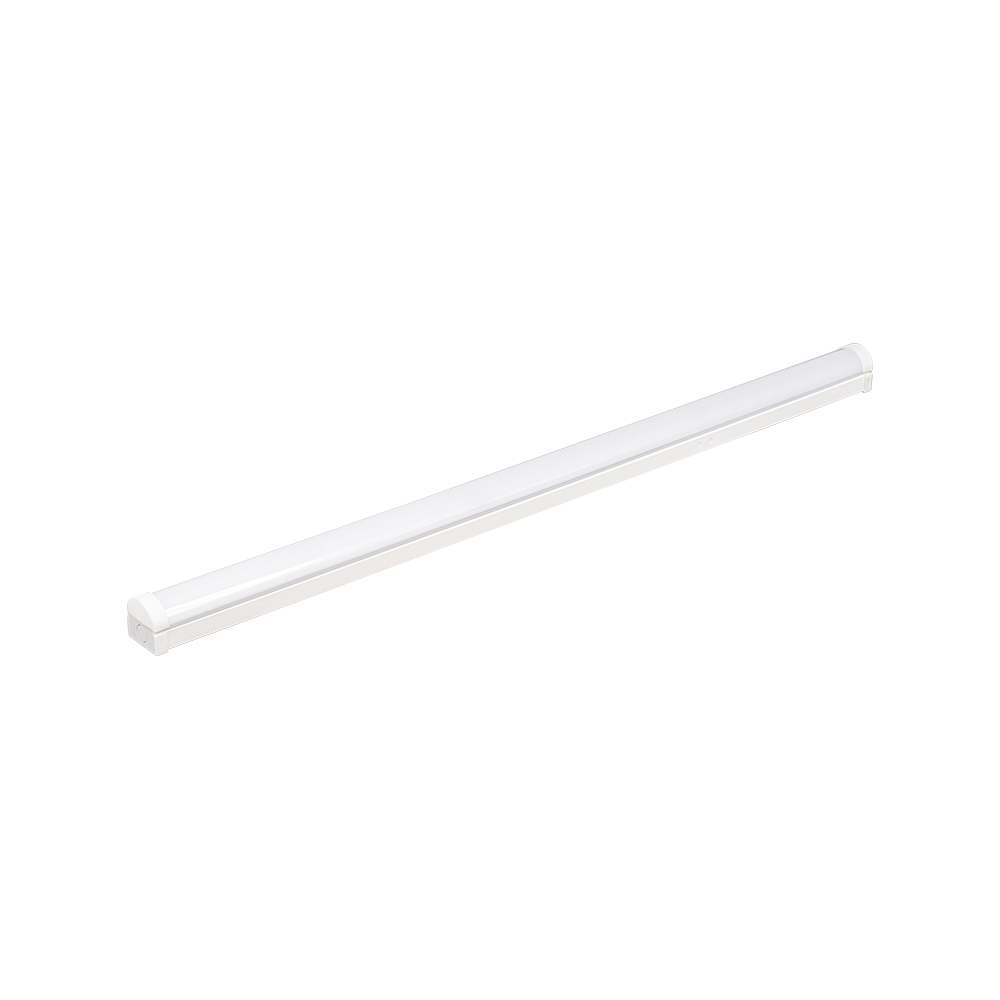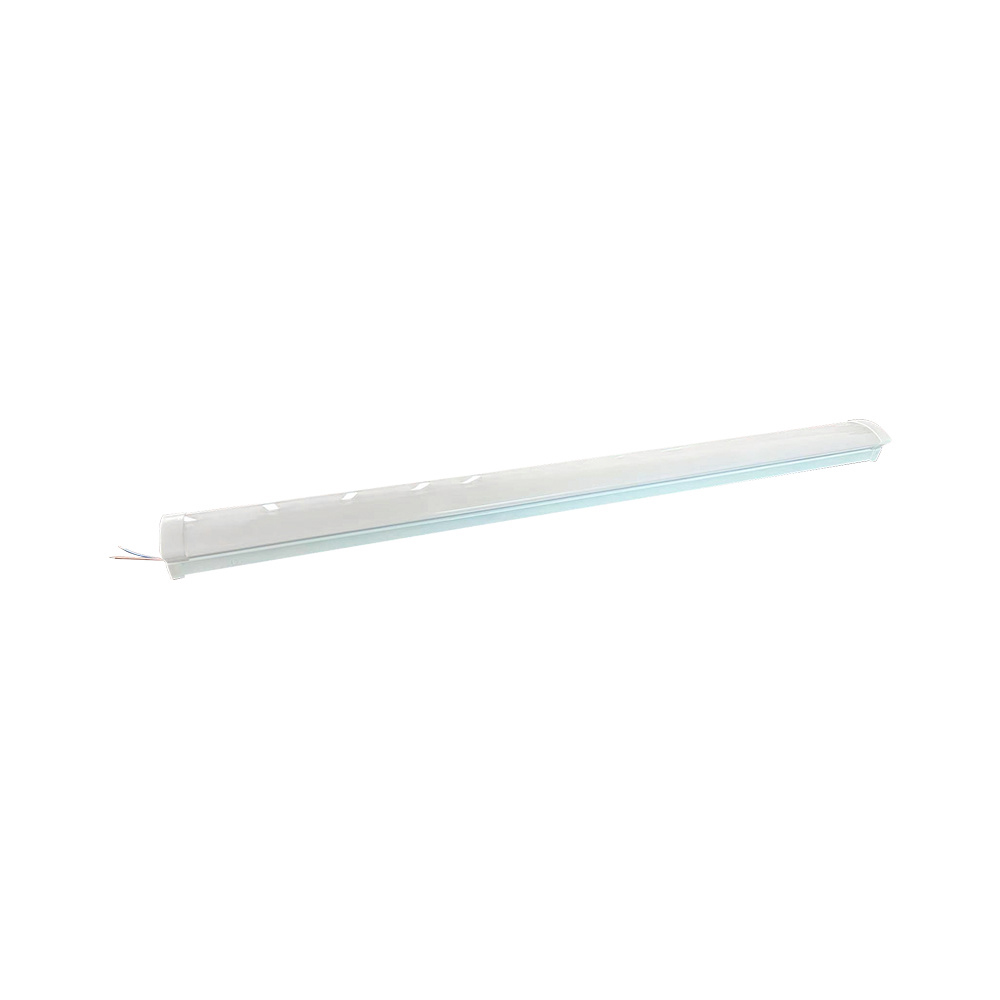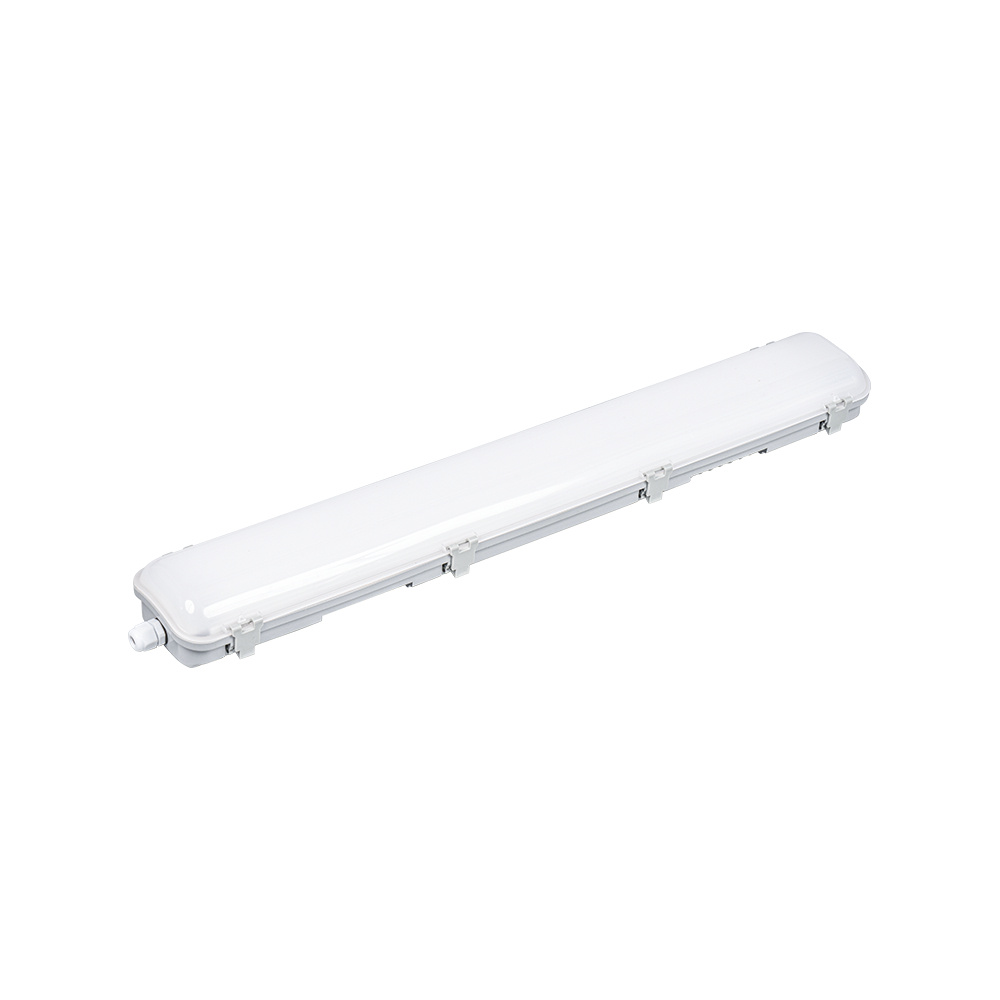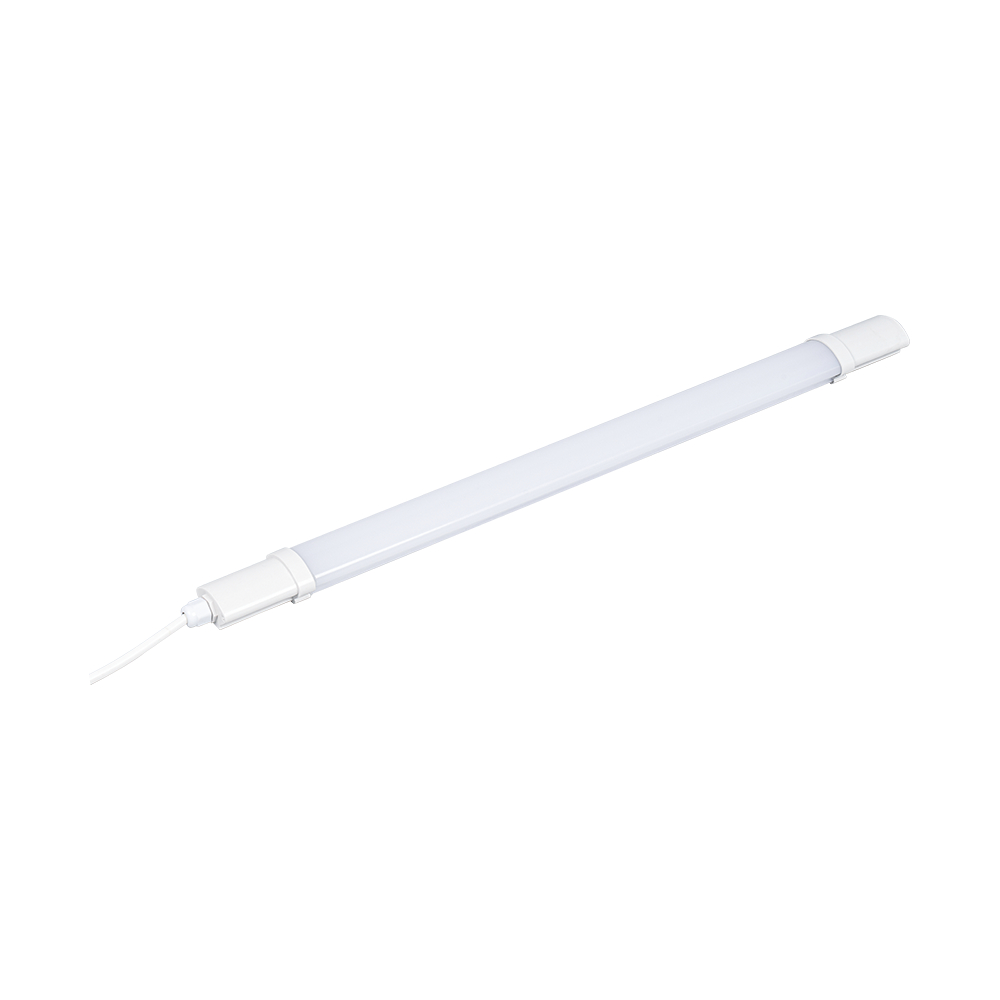
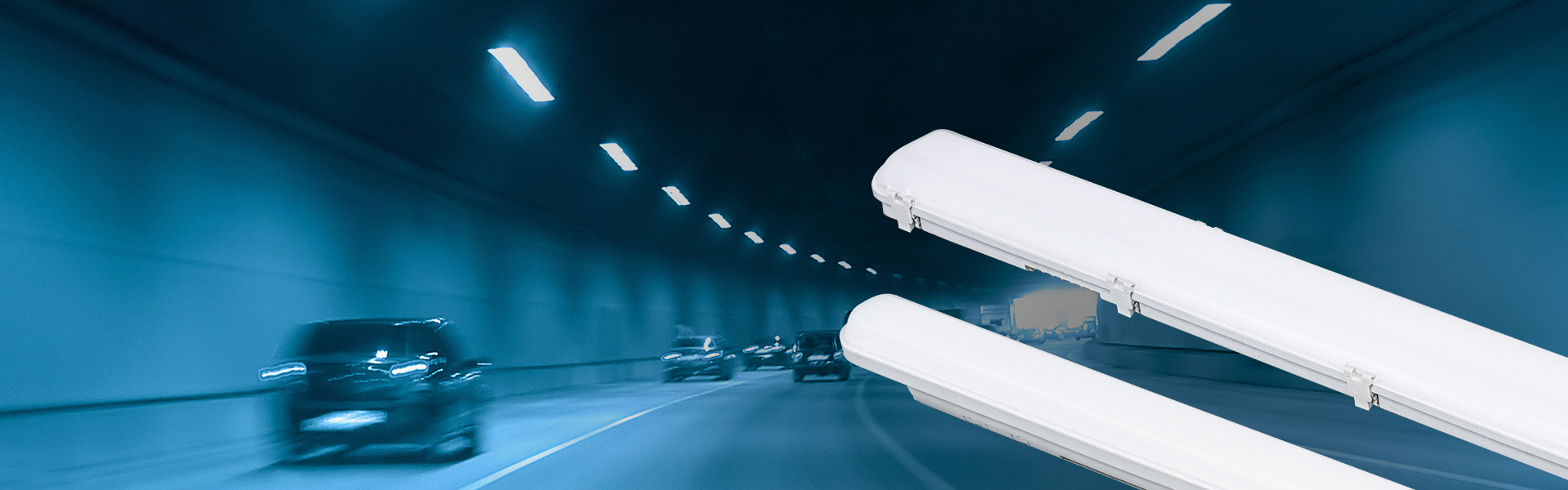
Triproof lights are now the default pick in places where ordinary fittings simply give up too soon. Anyone who runs a warehouse, a parking garage, a school kitchen or even a small food-processing unit has learned the hard way that regular LED battens fog up, collect dust or die after the first good splash. Once that lesson is learned, the conversation quickly turns to something sealed, something that stays bright and keeps working.
The shift is not driven by fashion. It comes from maintenance logs that show the same fixtures needing replacement every couple of years, from electricians who refuse to keep climbing ladders for the same failed lamp, and from facility managers whose budgets no longer stretch to constant repairs. A light that can handle steam from a dishwasher, flour dust from a bakery line or road salt tracked in from underground parking suddenly looks like the cheaper option, even if the initial price is a little higher.
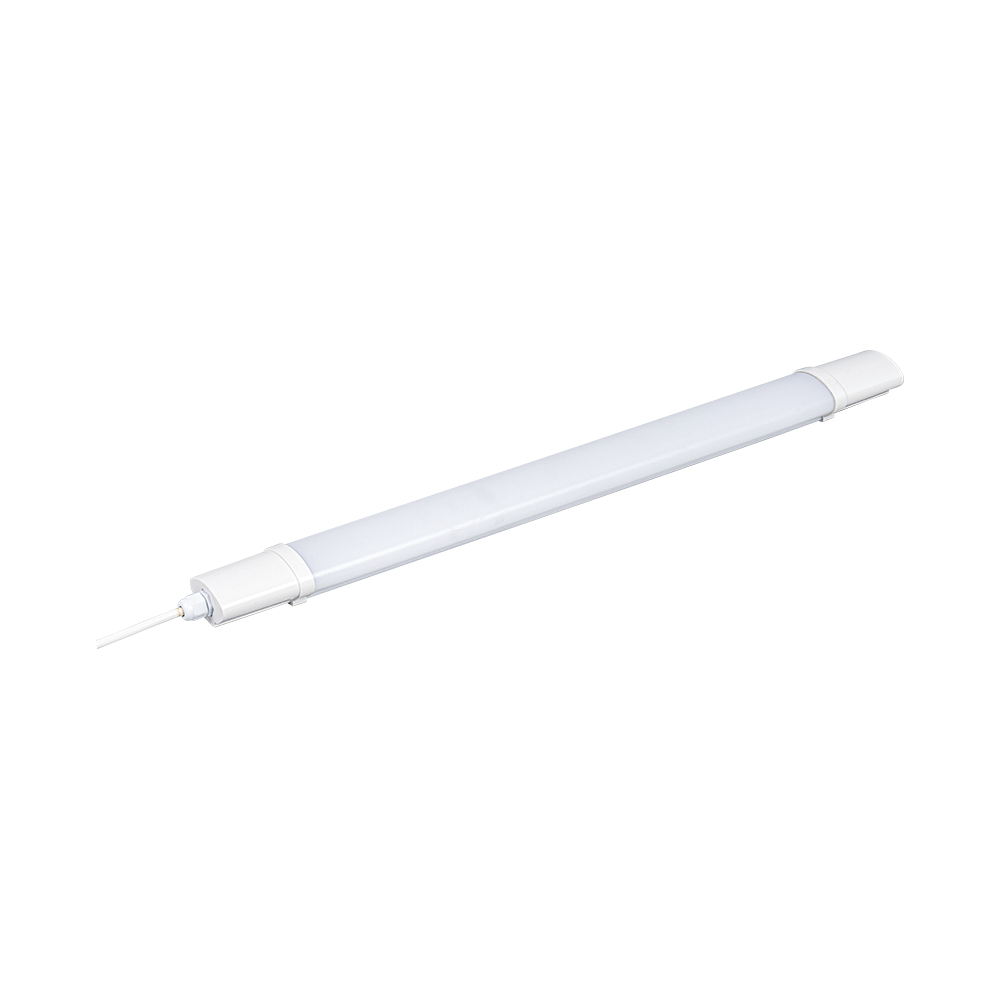
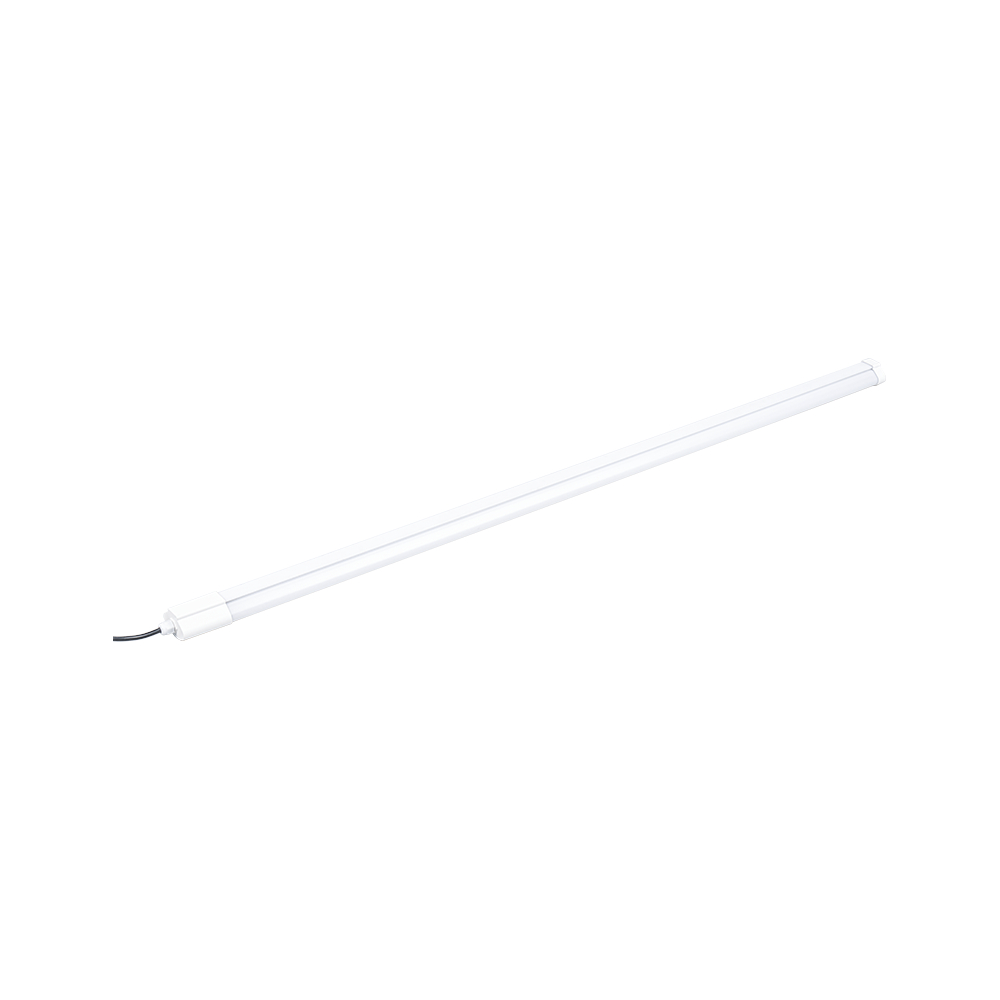
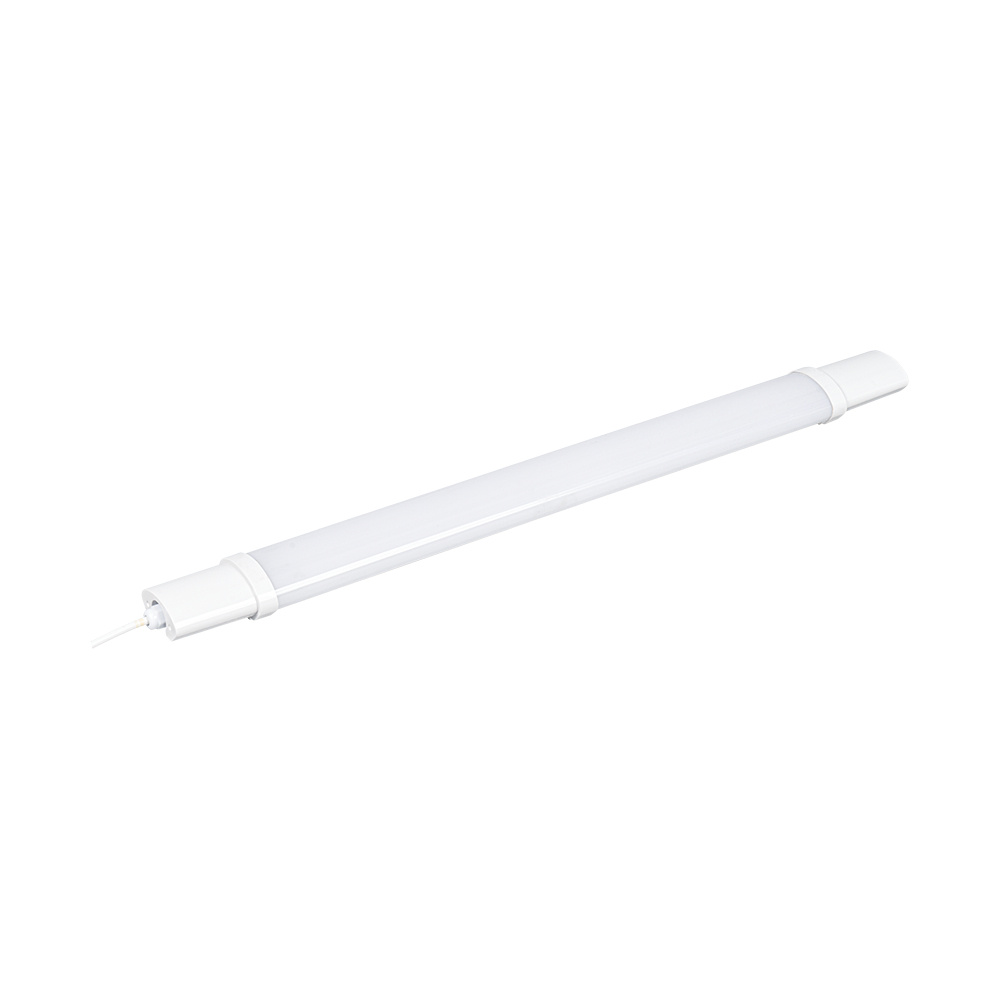
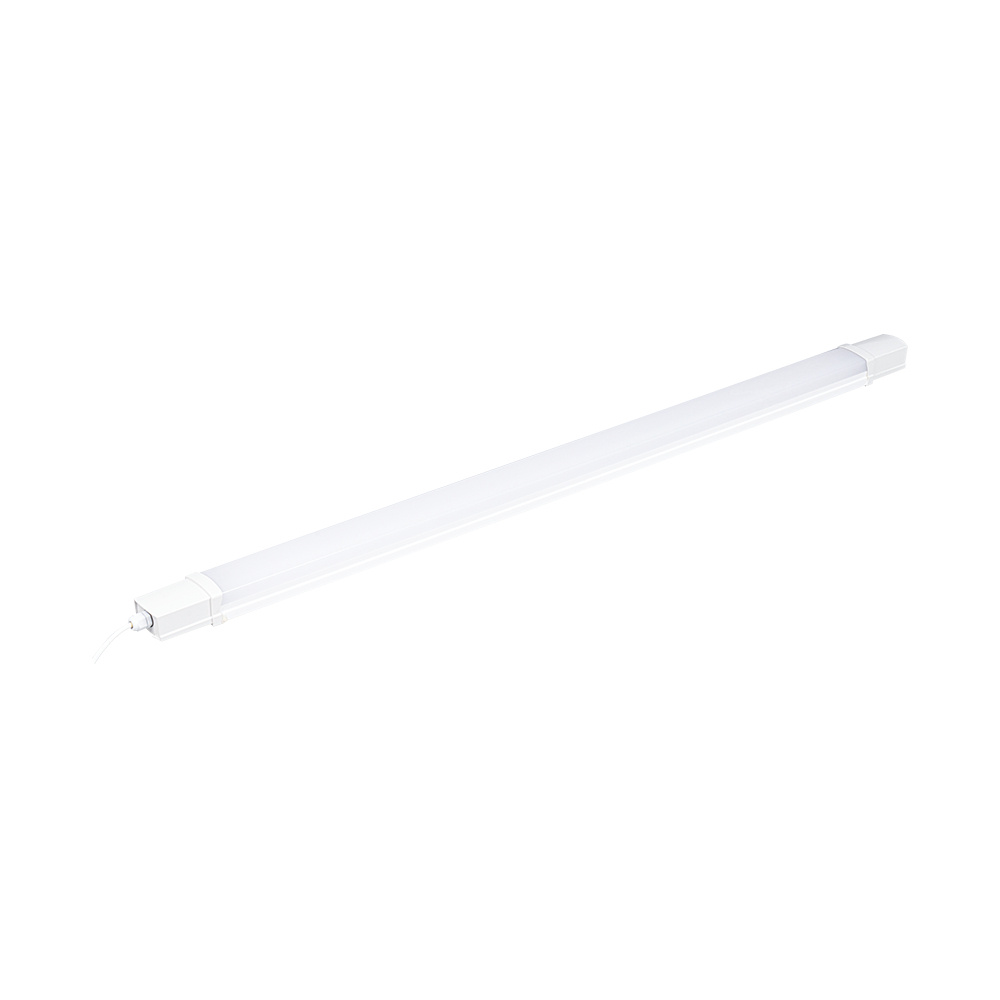
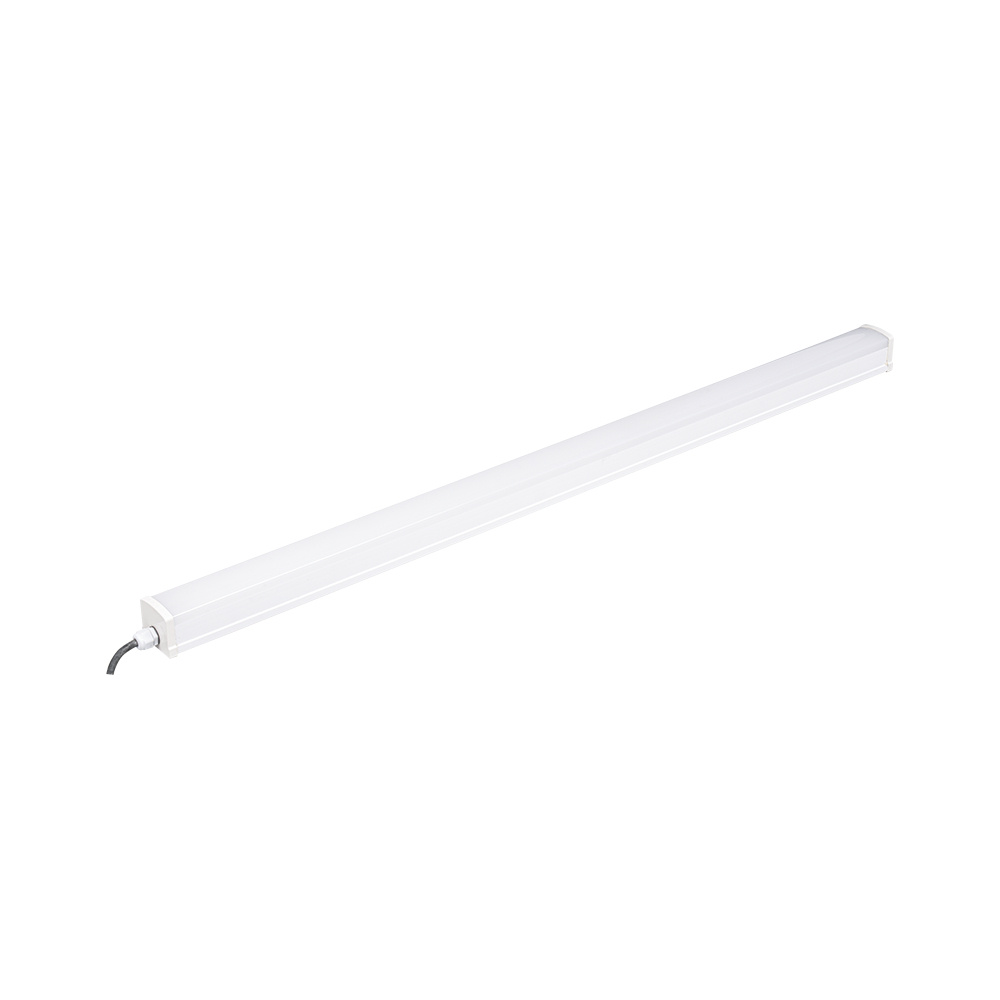
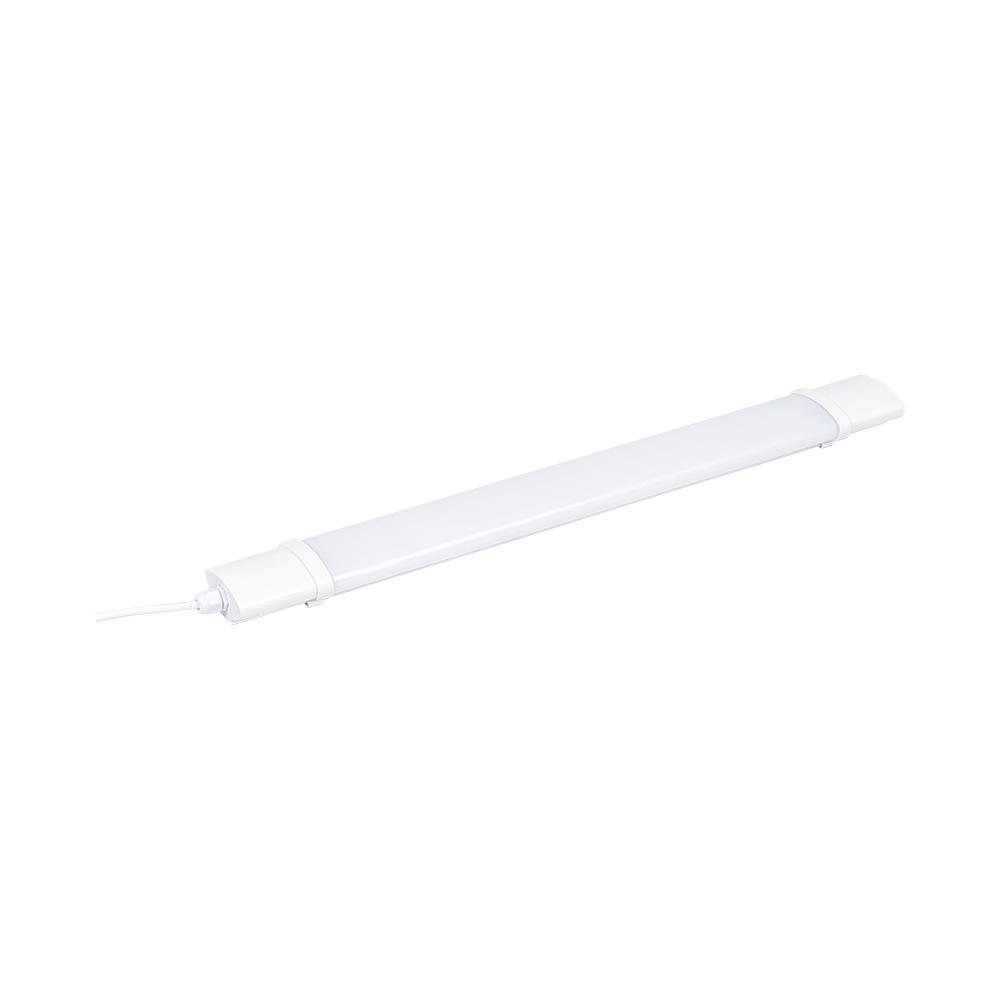
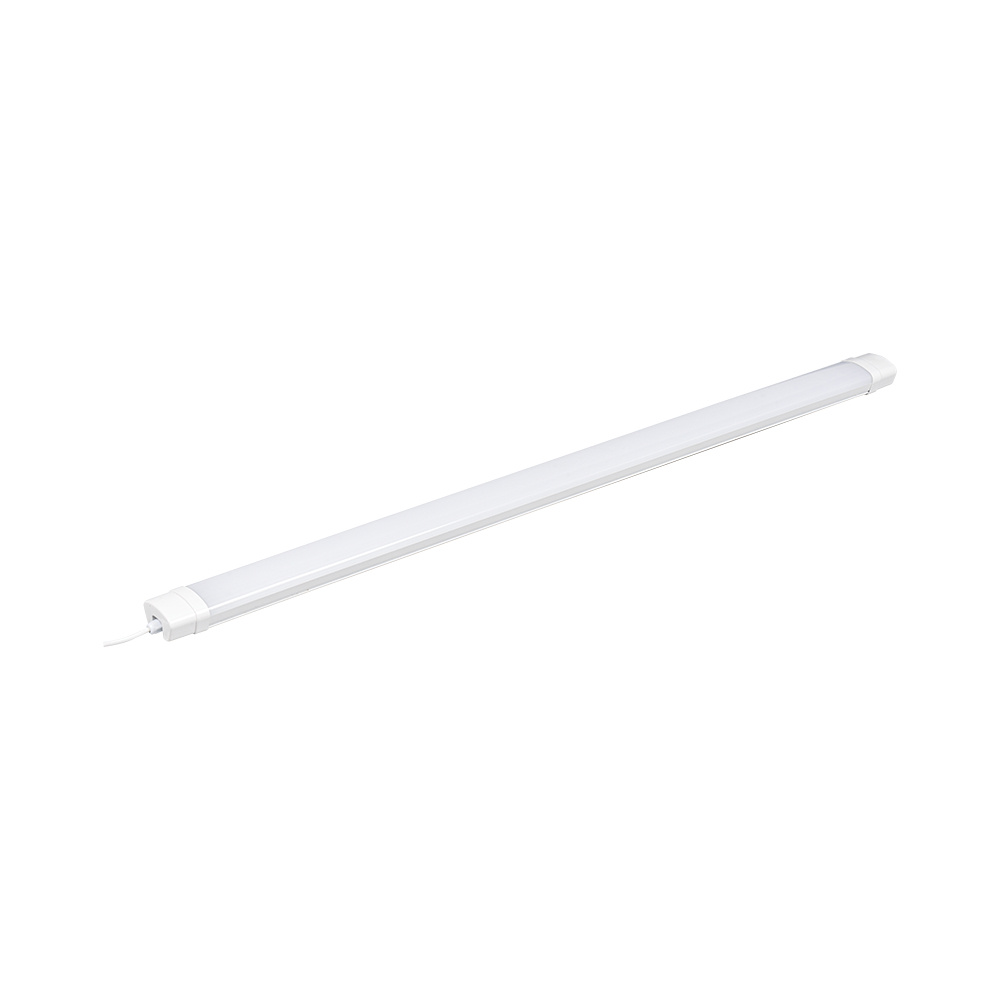
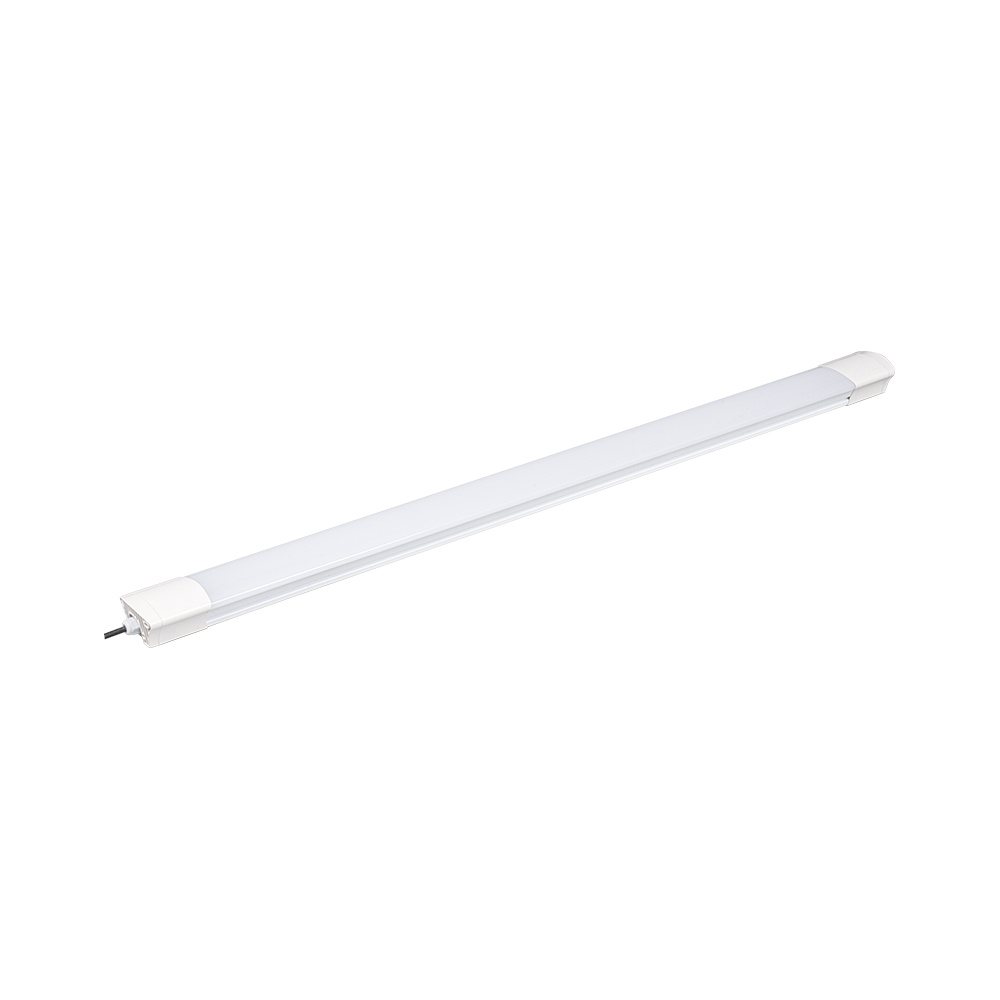
Cities keep building and refurbishing, and every new corridor, back-of-house area or loading bay needs reliable light. Community halls, sports centres and small factories all face the same damp corners and dusty ceilings. When the specification lands on the desk, the 36W Triproof Light often ends up on the final list because it covers a typical bay or corridor without over-lighting or wasting power, and the electrician can fit twenty of them in a morning.
Talk among contractors and online searches tell the same story: more projects are writing "IP65 triproof" into the schedule and fewer are accepting anything less. Energy regulations push the change along, but the real driver is the simple fact that the lights stay up and stay on. Once a building switches, the maintenance team rarely has to think about that section again for years.
Content
The core of triproof designs lies in their ability to stand against typical issues found in working spaces. Protection from wetness applies in spots with steam or condensation, ensuring the unit stays operational. Barriers against dust allow for clear output, avoiding the gradual fade that comes with buildup.
Resistance to knocks and shifts suits areas with lots of activity or equipment relocation. These qualities make the lighting a solid pick for places where reliability matters day after day.
How the light spreads out improves the way people use the space. Balanced coverage cuts down on uneven areas, helping with jobs that need clear sight. Gentler effects make long hours easier, reducing the tiredness that can come from harsh glows.
This approach fits well in locations where steady brightness supports focus and comfort over extended periods.
Options for placement add to the appeal. Mounts on vertical surfaces work in tight quarters, while those on ceilings or frames handle open layouts. Such choices let it blend into existing setups without big changes.
Routine checks and swaps stay easy, helping control costs over time.
Triproof lighting now combines purpose with looks that fit modern tastes. Outer covers trend toward simple colors, allowing them to match walls or ceilings without standing out.
Shapes move to clean designs, with straight sides or soft corners that work in updated interiors.
Parts that snap together have become the norm. This makes fixes targeted and deployments in groups more organized.
Ideas around light that feels right for people are gaining ground. Attention to how it affects eyes shows in softer trends for schools, work spots, and public halls.
Rules pushing for lower use have sped up changes from old bulbs. Those earlier sources tend to draw more power and burn out quicker, so triproof swaps become the go-to for meeting standards.
Looking at the whole span from setup to end brings focus to costs at each step, including how often checks happen and what to do with used parts. Efforts for cleaner methods help spread triproof use in projects aimed at sustainability.
Controls that adjust on their own are becoming more common. Detectors for people or natural light lead the way, cutting back on waste when spaces sit empty.
Links to online networks grow in factories and stores, letting managers handle things from afar. This helps with keeping energy in line across the board.
Versions tailored for particular uses keep appearing, with adjustments for food lines, health side rooms, learning buildings, and travel hubs.
In places with lots of wetness or dust, strong performance helps avoid problems that could lead to mishaps. Light that stays on point supports smooth running and keeps items up to quality.
Over time, reliable beams affect how work gets done and what comes out at the end. Field feedback sets the bar for how units are judged on steadiness.
In Asian regions, choices lean toward options that give good return for the money while holding up well, fitting the pace of building and operations.
European spots put weight on checks for eco-friendliness and safe builds, shaping what gets picked in controlled markets.
Across the Americas, units that work in many ways see more use, covering from shops to storage.
In the Middle East and Africa, needs focus on tough builds for starting projects and basic setups.
| Location | Focus Areas | Usual Places |
|---|---|---|
| Asia | Value, toughness | Factories, city builds |
| Europe | Green checks, safe parts | Shops, shared spaces |
| Americas | Flexibility, broad fit | Sales, warehouses |
| Middle East/Africa | Strength, core roles | Projects, essentials |
In production halls, warehouses, parking garages and back-of-house areas, lighting must remain operational for the entire shift without interruption. The 36W Triproof Light has become a standard specification in these locations because its sealed construction prevents ingress of moisture, fine dust and occasional impacts that quickly degrade ordinary fittings. As a result, brightness levels stay constant from the first day of installation through years of daily use.
Facility managers now calculate lighting costs over a ten-to-fifteen-year horizon rather than initial purchase price alone. Replacement frequency, labour for access, and risk of downtime during repairs all enter the equation. A triproof fitting that requires no internal cleaning and rarely fails reduces those variables to almost zero, making the total ownership cost lower than alternatives that appear cheaper at the point of order.
Current safety regulations and operational standards demand fixtures that maintain declared light output in humid, dusty or chemically influenced atmospheres. The 36W unit satisfies these requirements without additional protective housings or special maintenance schedules. It can be mounted at heights typical of industrial ceilings, in low-level corridors, or directly above workstations while continuing to deliver the same performance characteristics throughout its service life.
The combination of structural resistance, electrical stability and straightforward replacement procedure has moved this category of light from occasional use to default choice across manufacturing, logistics, hospitality and public infrastructure projects. Once installed, the fixture is largely forgotten by maintenance teams, which is precisely the outcome most operations now expect from their lighting investment.
Growing interest in triproof lighting is also shaped by changes in how facilities organize their daily routines. As workplaces become more interconnected, lighting is expected to support smoother movement across zones instead of functioning as a simple background element. This shift highlights the value of fixtures that stay consistent regardless of environmental challenges. When illumination remains steady, teams navigate spaces more confidently, reducing hesitation during tasks that require precision or quick decision-making.
Another factor driving discussions is the rising emphasis on human-centric environments. Even in locations known for strong activity or demanding workflows, there is an increasing expectation for lighting that supports comfort over long hours. Users pay closer attention to how illumination affects concentration, especially in spaces where people transition between indoor and semi-open areas. Triproof lighting, known for its balanced visual output, is becoming part of conversations about maintaining clarity without creating strain.
Installation behavior is also changing. Facilities managers look for systems that integrate easily with existing layouts, acknowledging that constant rearrangement disrupts operations. Triproof fixtures appeal to operators who prefer structured upgrades that do not require shutting down entire sections. The smooth transition from older setups to more resilient ones aligns with the current preference for flexible modernization, where improvements happen gradually without overwhelming resources.
At the same time, awareness around long-term planning continues to grow. Many organizations now evaluate how lighting choices affect workflow speed, space accessibility, and overall reliability throughout the year. Triproof lights earn attention for helping maintain productivity even when conditions shift, whether from cleaning routines, weather influences, or continuous equipment use. As more industries move toward streamlined operations, they look to lighting designs that can support these goals without constant oversight.
As industries raise expectations for lighting performance, environmental adaptability, and reduced long-term maintenance, the 36W Triproof Light is set to remain a highly relevant solution. Its advantages extend beyond durability; its adaptability and long-term usability allow it to keep pace with evolving lighting standards. Whether future improvements focus on materials, installation methods, or the integration of smarter lighting controls, this type of fixture is positioned to support these advancements while maintaining dependable everyday performance.
Across a wide range of applications, consistency, low maintenance frequency, and extended service life are becoming essential requirements rather than optional features. The 36W Triproof Light addresses these needs by offering stable illumination, reliable operation, and simplified management—all of which contribute to reducing the burden of routine upkeep. As awareness of energy management and operational efficiency grows, its long-term reliability and ease of maintenance will continue to reinforce its role in various environments.
The 36W Triproof Light has secured its position as a straightforward, reliable option across factories, warehouses, parking structures, commercial kitchens and public facilities. Its sealed construction and stable output match the current demand for lighting that simply stays in place and keeps working, year after year, with minimal intervention.
As regulations continue to emphasise energy management and operational continuity, and as facility managers focus on total cost of ownership rather than initial price, fixtures in this category are likely to remain the default specification for the majority of non-decorative areas.
For contractors and project teams seeking consistent supply, rapid sampling and direct technical support on triproof ranges, Cige maintains dedicated production lines covering standard and customised 36W specifications suitable for both new construction and retrofit projects. Enquiries are welcome through the factory’s export department for current availability and project-specific documentation.
It is focused on the overall solution of dry bulk material port transfer system,
research and development,
manufacturing, and service
+ 86-158-6784 4739
garrick@cigelighting.com
+86-574- 5896 6613
No. 332, Yizidi, Zhoutang west village. Zonghan street, Cixi, Ningbo, Zhejiang Province, China
Copyright ? Ningbo Cige Photoelectric Technology Co., LTD. All Rights Reserved. Triproof Light Manufacturer