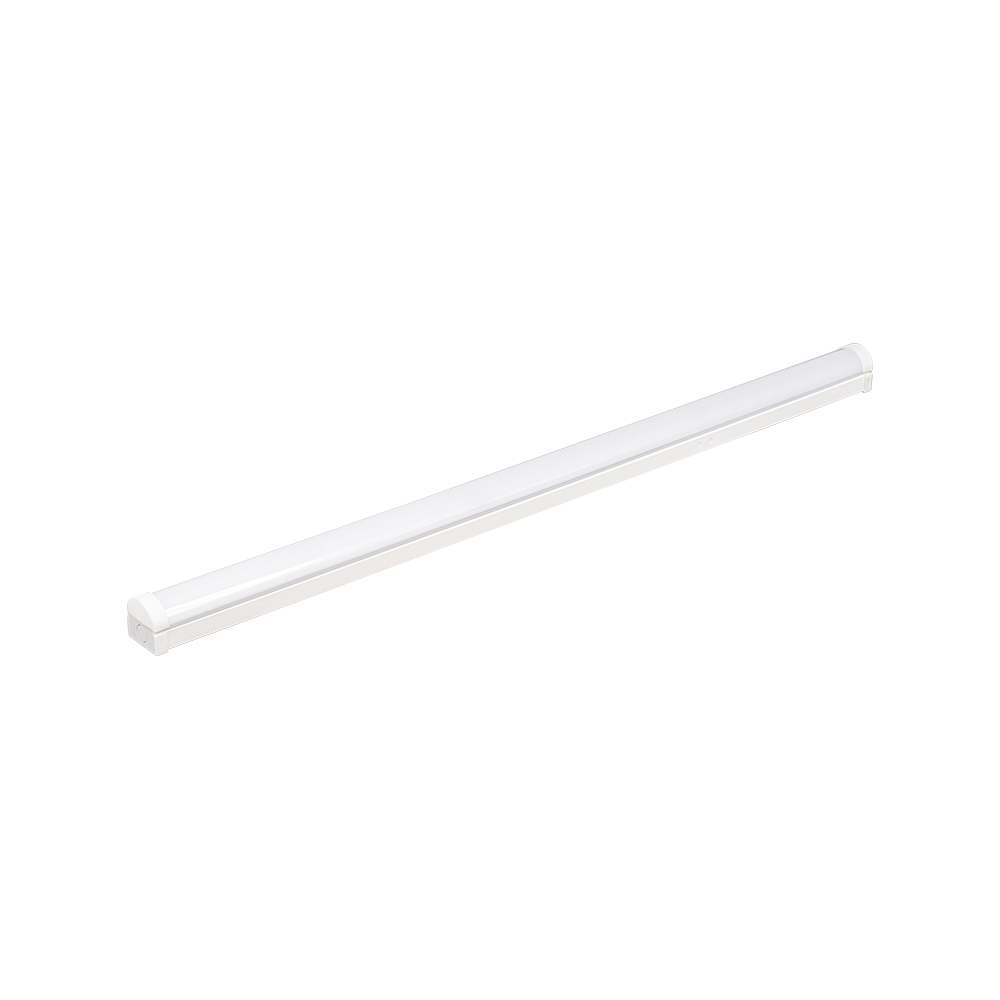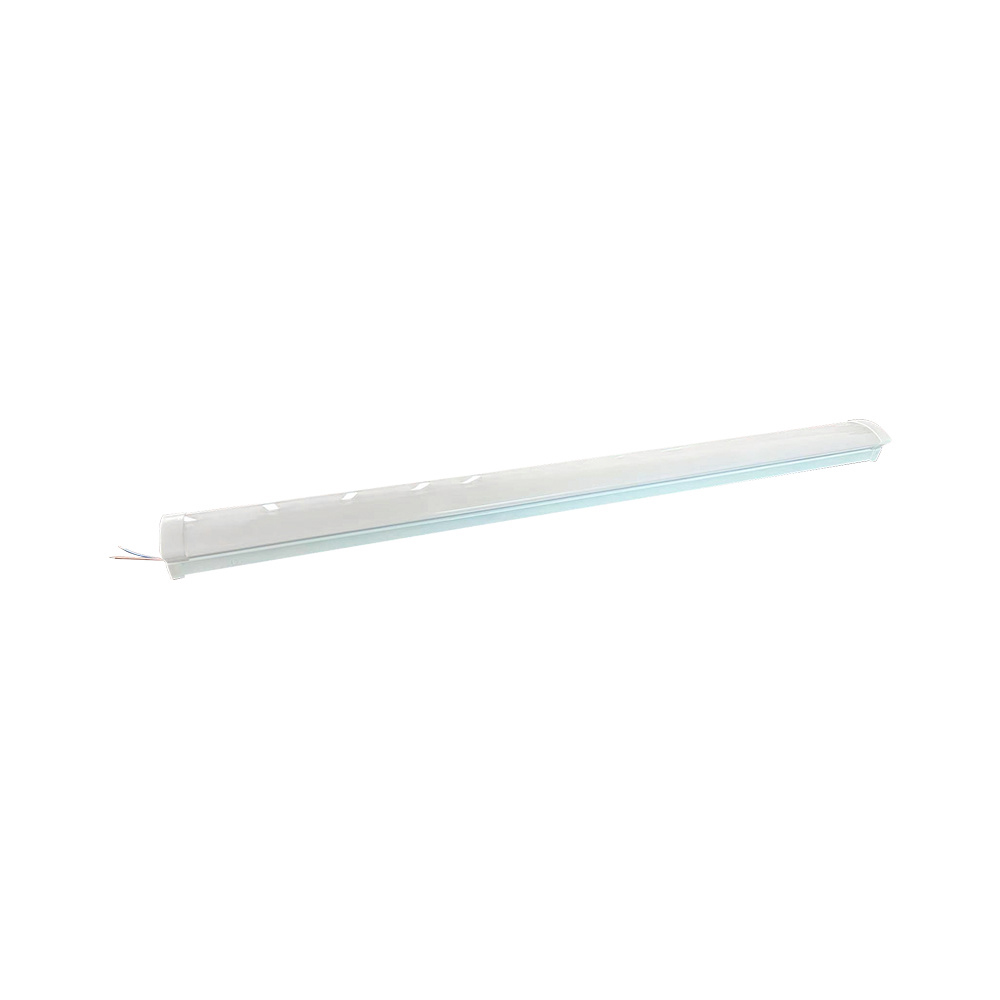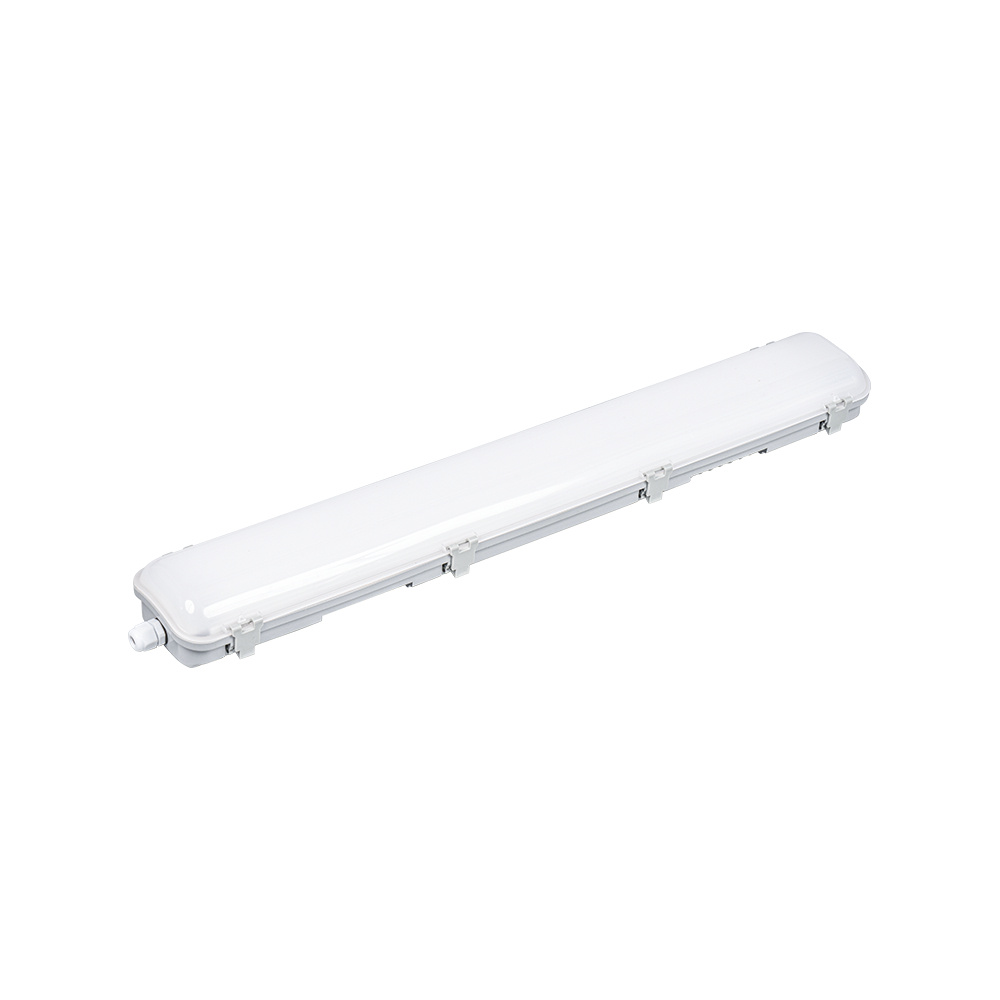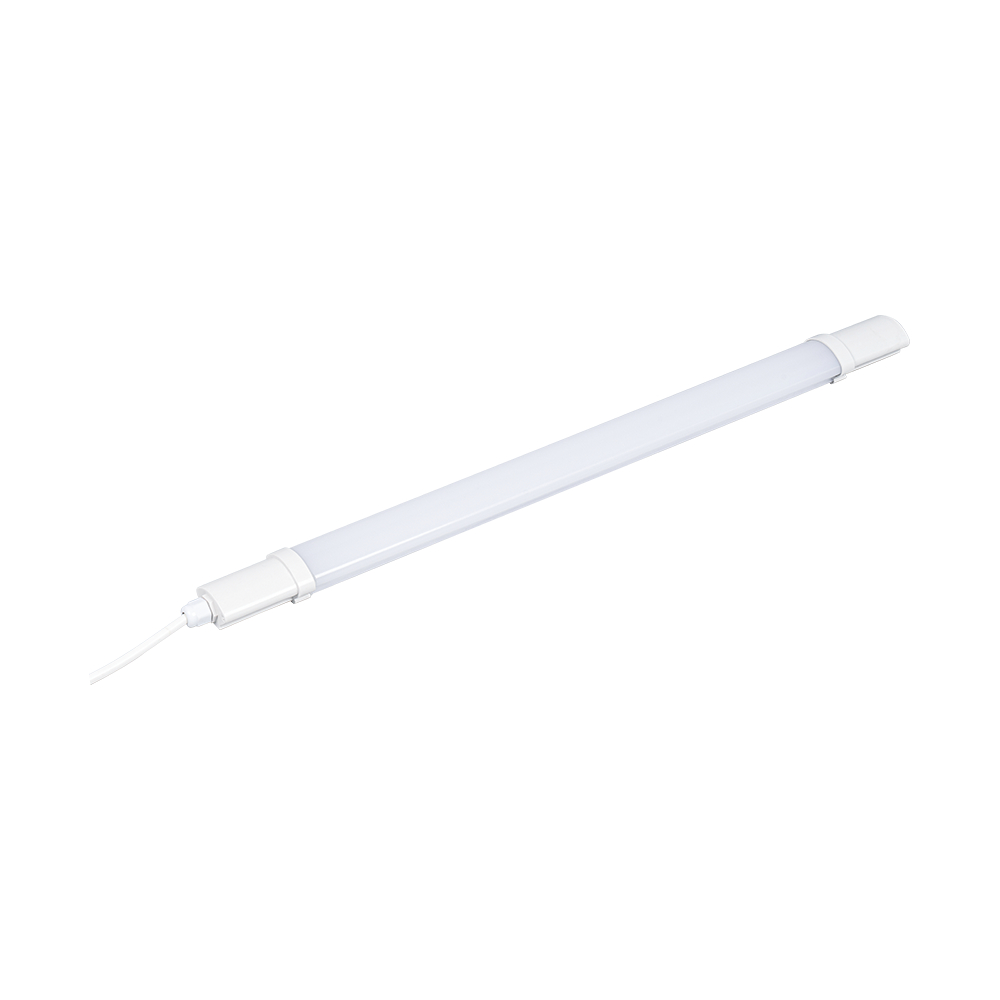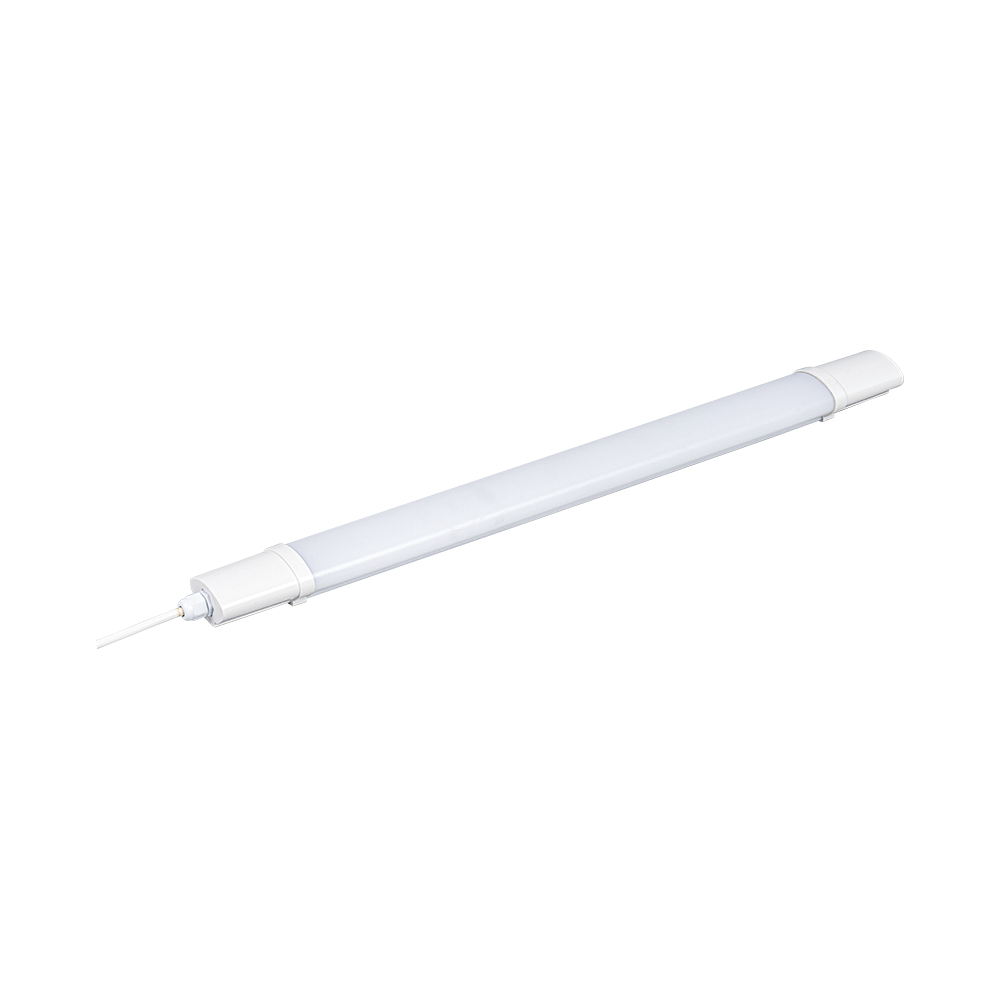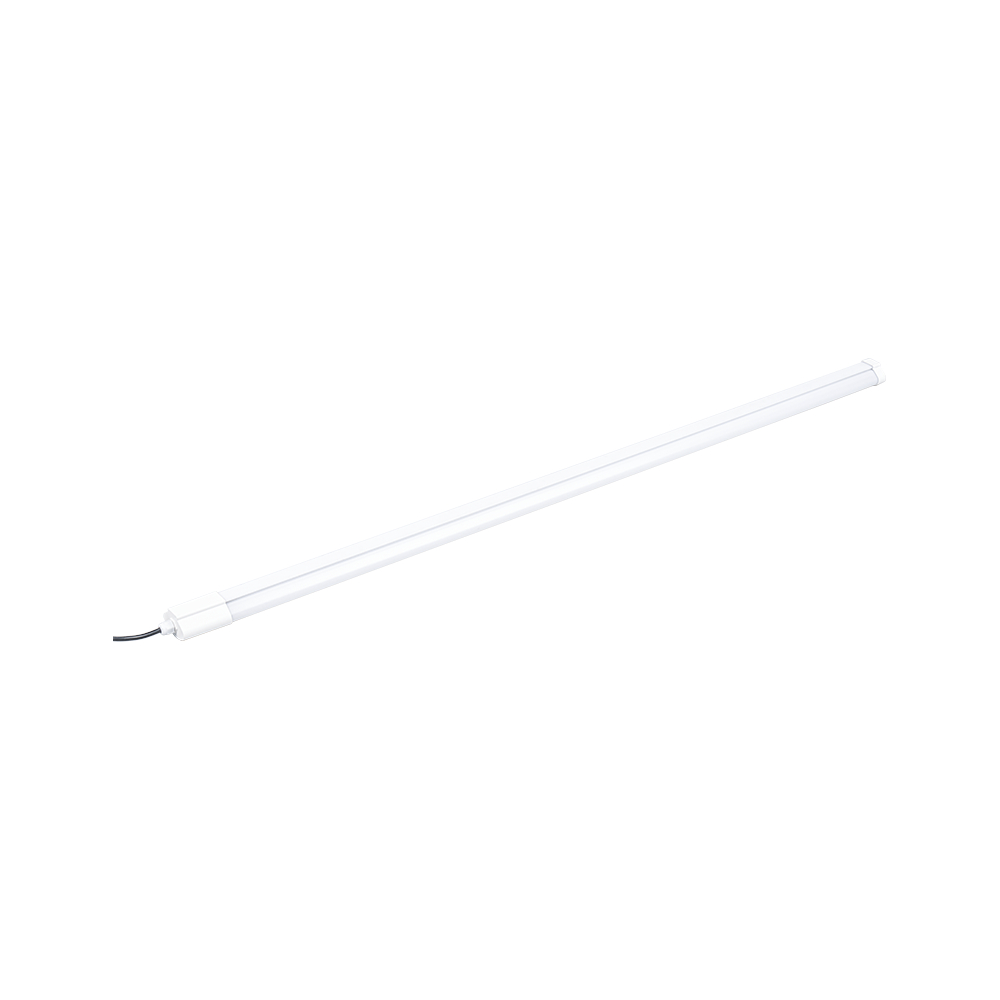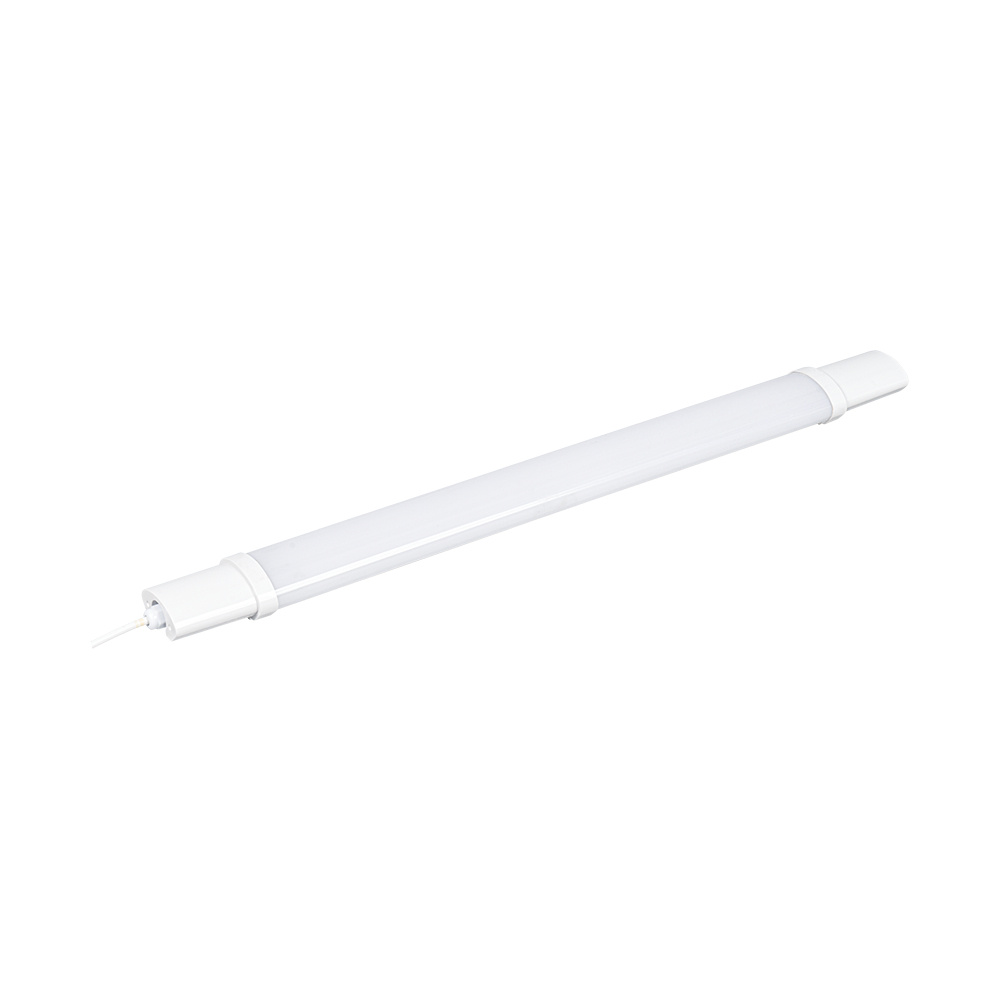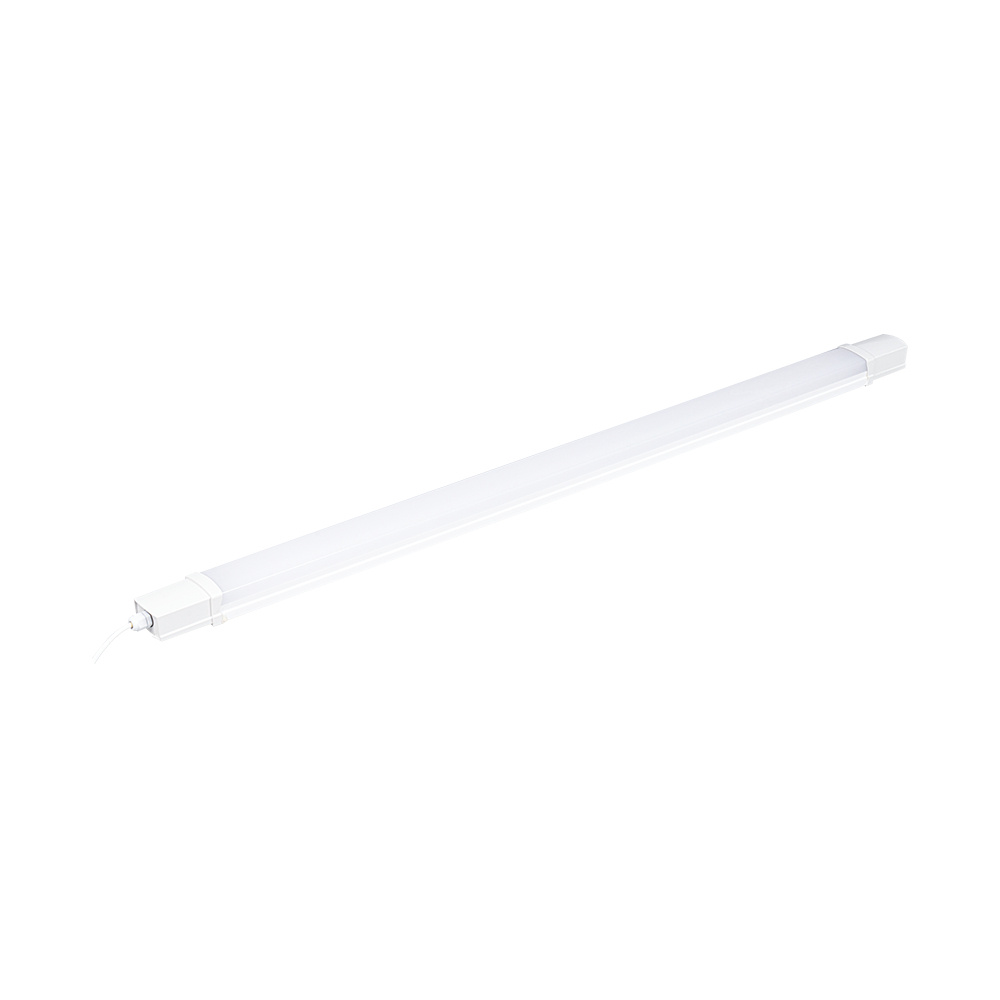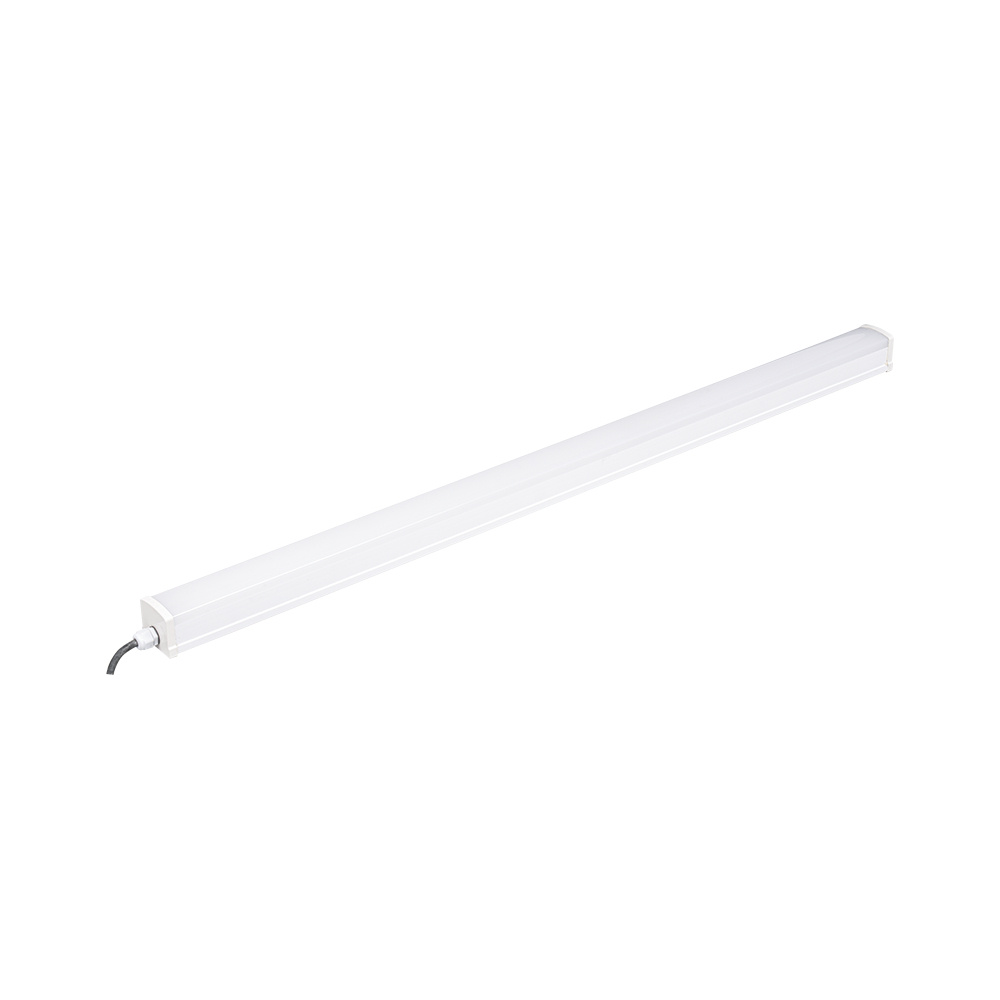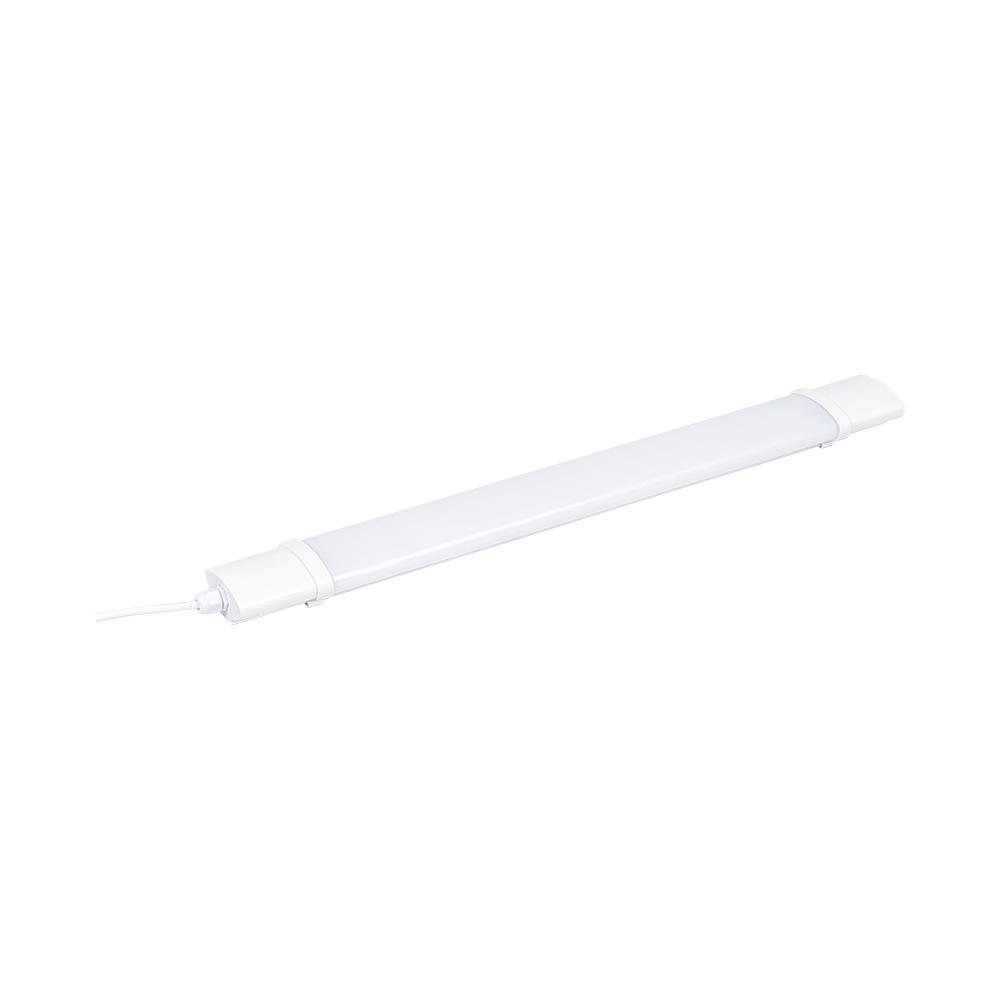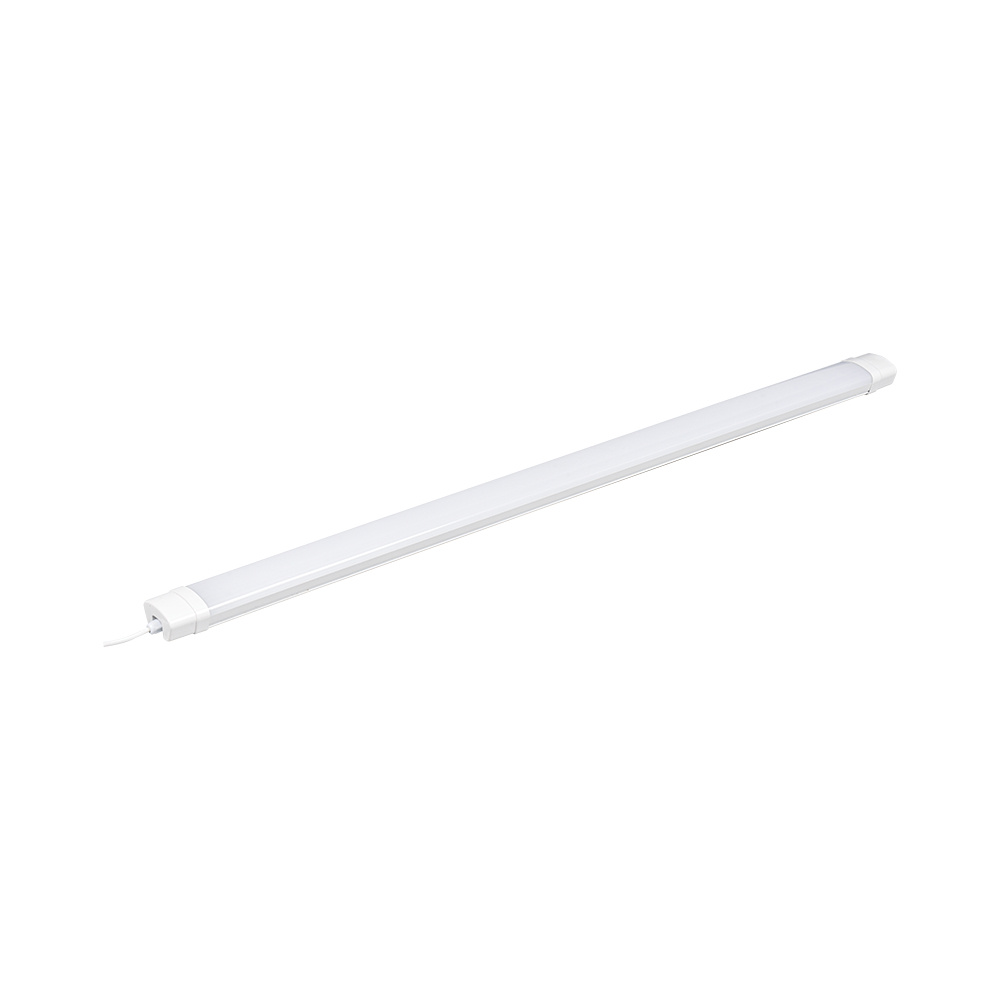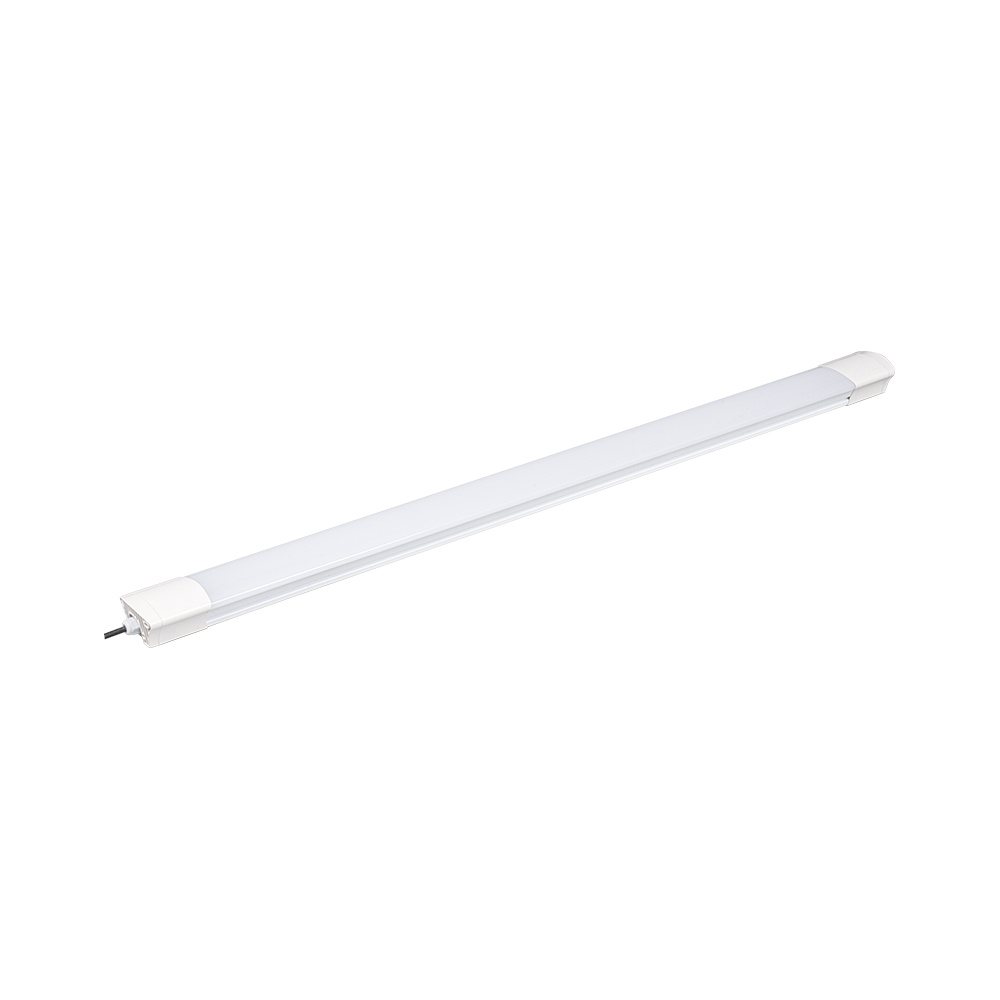
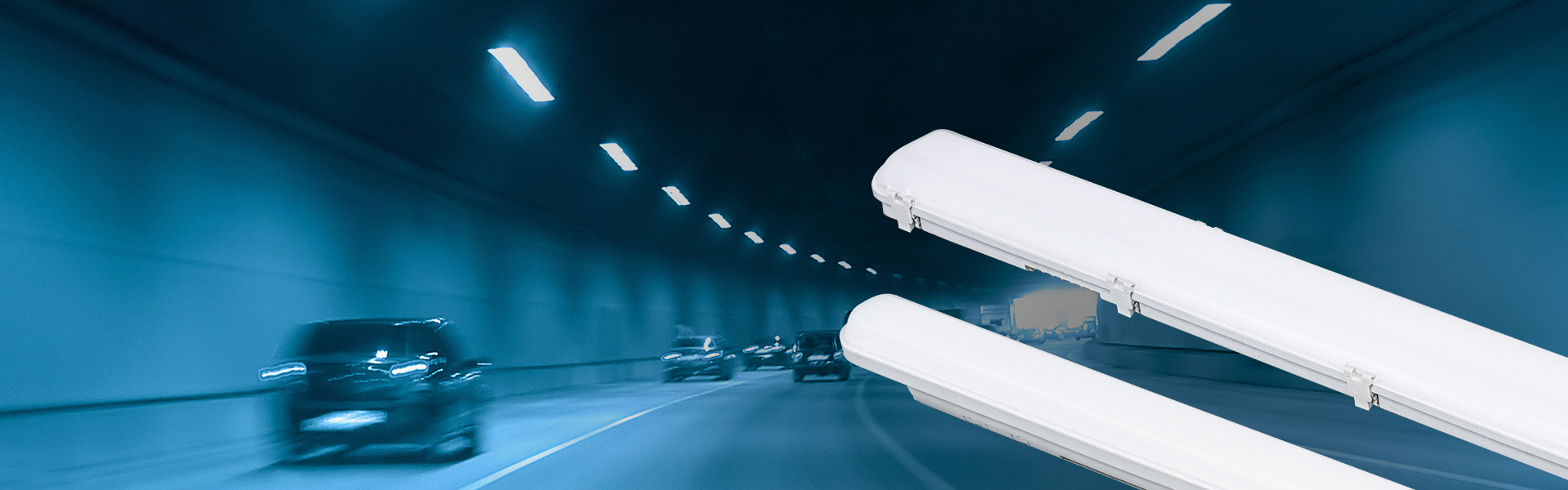
Folks lighting up places like offices, shops, or huge warehouses always hunt for ways to keep everything bright without draining the budget too much over the years. These long-lasting LED batten lights really shine because they outlast the old-fashioned kinds by a wide margin. That means way fewer replacements, and honestly, that's where a lot of the money stays in the pocket. At the end of the day, it's about that overall view: one straightforward change in lighting piles up into serious breathing room financially.
Content
The real standout advantage with these tough LED batten lights hits right away with how seldom they burn out and need changing. Older bulbs give up the ghost fast, meaning somebody's always heading out to buy more, and those trips add up quicker than expected. Switch to the kind that keeps going strong for ages, and suddenly the shopping list for new ones gets a lot shorter. Think about a hectic retail spot or a garage workshop where lights used to fail regularly—now those constant annoyances vanish, along with the ongoing hit to the funds for fresh stock.
It goes past just paying for the bulbs too. With the old style, places had to keep a pile of spares tucked away somewhere, eating up room and locking money in stuff just sitting there. Go with the more rugged, extended-life versions, and that hoard dwindles down to almost nothing. Shelves clear out from boxes of extras collecting cobwebs, and that space plus cash opens up for better uses, maybe fixing up the area or covering regular bills without stress.
Consider a small shop owner scraping by on slim margins. Always shelling out for new bulbs cuts into what's left at the end of the month, but picking reliable ones turns that around completely. The choice made once starts paying back bit by bit as time passes, shifting a nagging repeat cost into something rare. Kind of like buying solid boots that handle rough weather season after season instead of flimsy pairs that tear up quick.
The knock-on effects reach stock management as well. Less to track and reorder frees up hours that used to go into lists, calls to suppliers, or digging through storage. In bigger operations, say a bunch of locations under one owner, that ease spreads everywhere. All at once, running things feels less heavy, with energy going toward expanding or improving rather than just keeping the lights on.
Another angle pops up during busy stretches, like holidays when everything runs longer. Older lights might struggle and fail more under extra hours, spiking replacement needs right when cash flow's tight. Durable ones take the strain in stride, avoiding those untimely expenses and keeping the place lit without surprise bills.
Even suppliers notice the shift—fewer urgent orders mean steadier relationships, sometimes better deals down the line. It's all connected, these little threads pulling together to loosen the budget knots.
Places with high ceilings, like massive factory floors or expansive store halls, turn changing a light into a real pain. Getting up there means hauling out ladders, renting scissor lifts, or calling in outside crews, and every single time that happens, the bill climbs quick. Durable LED battens change all that because they hardly ever need touching. Way fewer climbs up top mean the regular crew has less heavy lifting to do, and way less cash goes out the door for extra hands.
Picture a busy warehouse buzzing all day. One overhead bulb goes out, and suddenly a whole zone slows down while somebody drags in equipment and climbs up to swap it. That dead time, plus paying folks for the fix, eats away at profits bit by bit. Lights made to hang in there for ages push those fixes far apart, swapping rushed panic jobs for easy, planned check-ups.
The gear takes less punishment too. Ladders, platforms, or lifts just sit around more, so they stay in good shape longer without needing their own repairs. Workers stick to what they do best instead of gearing up for roof work, and the whole operation rolls along smoother. In tight corners, like packed aisles or jammed storage rows, skipping those regular shutdowns stops jams and keeps everybody from getting annoyed.
Looking closer, safety classes play into it as well. Old lighting meant brushing up on high-work rules all the time, maybe even paying for special tickets that cost a bundle. Drop the need way down, and those classes turn rare, saving on instructors or hours pulled from real work.
Accidents drop off too—fewer trips up high mean fewer slips or falls, which can shave a little off insurance or dodge pricey claims. These savings creep in quietly, no big announcement, but after a few years they add up plain as day.
Nothing tanks the mood faster than lights dying right in the middle of everything. In stores or huge malls, dark patches scare shoppers off, making the whole place look rundown or shady. Old bulbs going bad all the time forced quick shutdowns or shuffling stuff around. Reliable, long-running lights skip those messes, keeping doors wide open and the feel welcoming from start to finish.
Imagine a grocery store slammed at dinner time—one aisle blacks out, and half the crowd heads somewhere else. Or on an assembly line, dim spots freeze machines, stacking up backlogs and ticking off the crew. Lights that stay strong longer dodge those headaches, locking in nonstop running that guards the money coming in.
Shoppers feel better with it too. Steady, bright spaces make folks want to stick around, grab extras, and come back soon. Tiny hiccups from dying bulbs pile into lost sales or grumpy comments online. Picking tougher ones builds quiet trust in the place, drawing steady crowds without pushing.
In quieter spots like offices, even lighting helps folks stay focused and get more done. Flickers or full blacks yank attention away and slow everything, but a solid setup lets work flow without those dumb pauses. The whole room just feels better, no little irritations popping up.
Special events or big sales get hit hardest by bad light—pretty displays lose punch in shadows, killing the draw. Long-lasting picks keep the focus right where it needs to be, squeezing every bit of value out of those moments.
Not purely a repair expense, but the way these lights sip power instead of gulping it down really knocks big holes in the monthly utility bills. Old-school bulbs wasted a ton of electricity just making heat instead of actual light, while the better ones turn most of it straight into bright glow without all that leftover warmth. Over the long haul, that gap keeps growing and usually covers the cost of switching pretty quick, then keeps handing over extra savings.
Picture a big building packed with rows of lights running from morning till night. The traditional kind would send the electric meter spinning like crazy, but swapping in the efficient ones puts the brakes on that. It's the same feeling as trading in an old gas-guzzler for something that goes twice as far on a tank—every time the bill shows up, there's that quiet win staring back.
In a regular house or small shop, the difference lands right in the pocket, making ends meet a little easier. Bump it up to places like hotels, schools, or medical centers with lights everywhere, and those small per-light cuts turn into serious money freed up. Throw in basic habits like flipping switches in empty rooms, and the whole thing snowballs even more.
Running cooler is another sneaky bonus—less hot air pouring down means air conditioners don't have to fight as hard during sticky weather, shaving off another slice without trying. One change kicks off a chain: better lights lead to tweaking other habits, and suddenly savings pop up in corners nobody expected.
Seasons make the contrast sharper too—long winter nights or blazing summer days crank up usage, but the thrifty lights take it in stride without jacking the costs. Big setups sometimes ease the load on the whole grid enough to snag rebates or friendlier rates from the power company. All those layers stack up from that one smart core feature.
Traditional bulbs wind up treated like tricky garbage, needing special steps so nothing bad leaks out and hurts the surroundings. Folks often call in pros to haul them away properly, and that means extra paperwork and charges. The cleaner, longer-lasting lights dodge most of that mess by simply not burning out as often and leaving out the nasty stuff inside.
Fewer dead bulbs mean fewer trips hauling junk to collection points or paying for safe disposal. Places skip the headache of logging hazardous waste and stay on the good side of rules without breaking a sweat. Going greener this way puts cash back in the till and just plain feels right.
On a larger scale—think city buildings or chains of stores—the cutback gets huge. Piles of trash shrink, freeing up storage spots, trucks, and sorting time. Picking the friendlier option buffs up the image, pulling in customers or partners who care about that kind of thing.
Looking closer, the switch lines up with bigger goals without turning everything upside down. Lights that keep going break the old buy-use-throw-away cycle, matching the growing push to cut down on junk overall. Simple eco moves pay off in better reputation and straight-up lower costs.
Whole neighborhoods feel the ripple too—less dodgy waste floating around makes local cleanup safer and simpler. Choices made in one spot spread out, doing good farther than the eye can see.
| Area of Savings | How It Works | Everyday Examples | Long-Term Impact |
|---|---|---|---|
| Buying Replacements | Lights last longer, so fewer purchases needed | Shops restocking less often, garages skipping monthly buys | Lower overall spending on supplies, freed cash for growth |
| Maintenance Labor | Rare swaps mean less climbing and fixing | Warehouses skipping frequent ladder use, factories planning calm checks | More time for other tasks, fewer hires, safer crews |
| Business Flow | Steady light avoids shutdowns or dim spots | Stores staying bright during busy times, lines running without halts | Higher sales, happier customers, steady revenue |
| Power Use | Efficient glow with less energy wasted | Offices running all day without high bills, homes easing monthly strain | Monthly savings that add up big, cooler spaces bonus |
| Waste Disposal | Fewer discards, cleaner materials | Factories handling less tricky trash, shops dodging special fees | Easier compliance, greener image, less hauling |
Long-lasting LED batten lights don’t just save money—they make the whole place safer and nicer to be in. Old bulbs tended to flicker or dim as they got near the end, creating uneven shadows or sudden dark patches that could trip people up or strain eyes during detailed work. With reliable, steady glow from durable lights, those risks pretty much disappear. Walkways stay clearly lit, machinery areas don’t have weird dark corners, and everybody moves around with more confidence.
Think about a factory floor where folks handle heavy parts or operate equipment all shift long. Flickering overhead can mess with focus and reaction time, bumping up the chance of little accidents that add up to big headaches—lost days, paperwork, maybe even higher insurance costs. Steady lighting keeps eyes comfortable, reduces fatigue, and lets workers spot hazards quicker. In retail spots, good even light makes aisles feel open and safe, encouraging customers to wander without worry and cutting slip-or-fall claims.
The cooler running temperature helps too. Traditional bulbs threw off a lot of heat, turning ceiling areas into hot zones that made summer shifts miserable and pushed air conditioning harder. These modern battens stay much cooler, keeping the overall space more comfortable without extra strain on cooling systems. Staff complain less about being too hot or squinting at glare, morale stays higher, and turnover drops a bit. Healthier lighting even supports better sleep patterns for night-shift crews since it avoids the harsh spikes older types sometimes gave off. All told, the switch creates a workspace where people feel better, stay sharper, and face fewer risks—quiet benefits that save on medical leave, training new hires, and keeping the team happy day after day.
Another overlooked way these long-lasting LED batten lights cut costs shows up when the space needs to change down the road. Shops remodel, warehouses rearrange layouts, offices get new partitions—any shift like that used to mean pulling down old fixtures, dealing with brittle wiring, or replacing bulbs damaged during the move. Tougher, enduring lights handle being taken down and reinstalled without fuss, staying ready for the next setup.
Picture a growing business adding shelves or moving departments around every couple of years. With short-lived bulbs, each shuffle risked breaking a bunch or finding half don’t work afterward, triggering fresh orders and labor. Durable ones come through those changes intact, saving the expense and downtime of emergency replacements. Wiring stays undisturbed more often, reducing electrician calls for fixes after rough handling.
This flexibility stretches to trying out new layouts too. Managers can experiment with different arrangements knowing the lights won’t punish the trial-and-error process. Temporary pop-ups, seasonal displays, or testing higher racking in storage—all become cheaper because the existing fixtures move along without protest. Over a building’s life, as needs evolve from storage to production to office space, the same reliable battens adapt instead of forcing a full lighting overhaul.
Even if you decide to get fancier down the road—like hooking up motion sensors or dimmers—these solid LED batten lights play nice with the upgrades. You won’t have to tear everything down and replace the whole setup just to add smarter features.
That kind of future-proofing means the money you spend today keeps saving you later, even through a few rounds of changes. Instead of facing big, painful expenses every time you want to improve things, you’re just making small adjustments. It keeps your business flexible and lets your space change without the lighting turning into a headache or draining the budget.
When you add everything up, those long-lasting LED batten lights really pay for themselves over time. They cut costs in all sorts of ways: you don't have to keep buying new ones, they run reliably every day, they use way less electricity, maintenance is a breeze, and there's less waste to deal with. All these little savings add up and reinforce each other—the longer you have them, the more you save.
Looking at the big picture, everything from their sturdy build to how efficiently they work supports the rest. In the end, you get reliable lighting that does the job without stressing your budget. Whether it's a small neighborhood shop or a huge factory, these lights deliver that solid performance that just makes life easier.
Of course, technology keeps improving and there'll be even better ways to save down the line. But for now, sticking with these proven, durable options is a straightforward way to lower your bills without any hassle.
It is focused on the overall solution of dry bulk material port transfer system,
research and development, manufacturing, and service.

+ 86-158 6784 4739
garrick@cigelighting.com
+ 86-574 5896 6613
No. 332, Yizidi, Zhoutang west village. Zonghan street, Cixi, Ningbo, Zhejiang Province, China
Copyright © Ningbo Cige Photoelectric Technology Co., Ltd. All Rights Reserved. Triproof Light Manufacturer