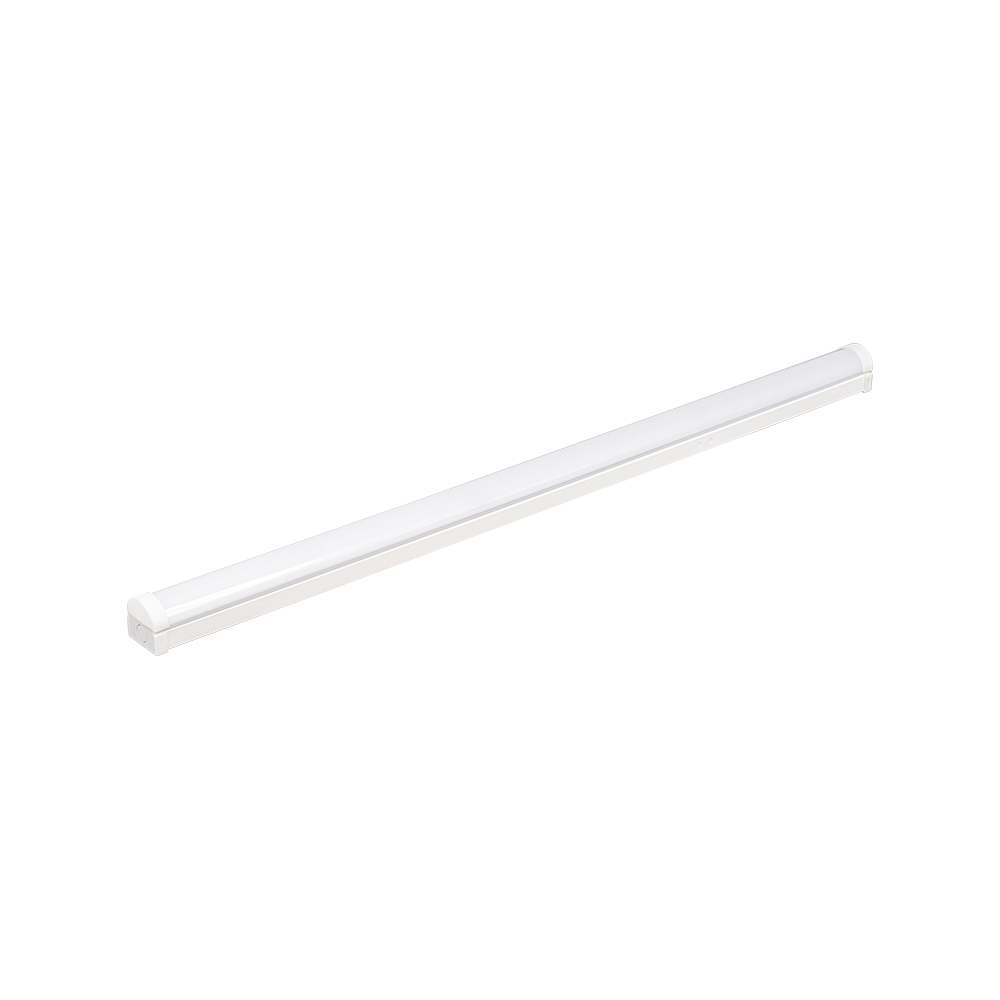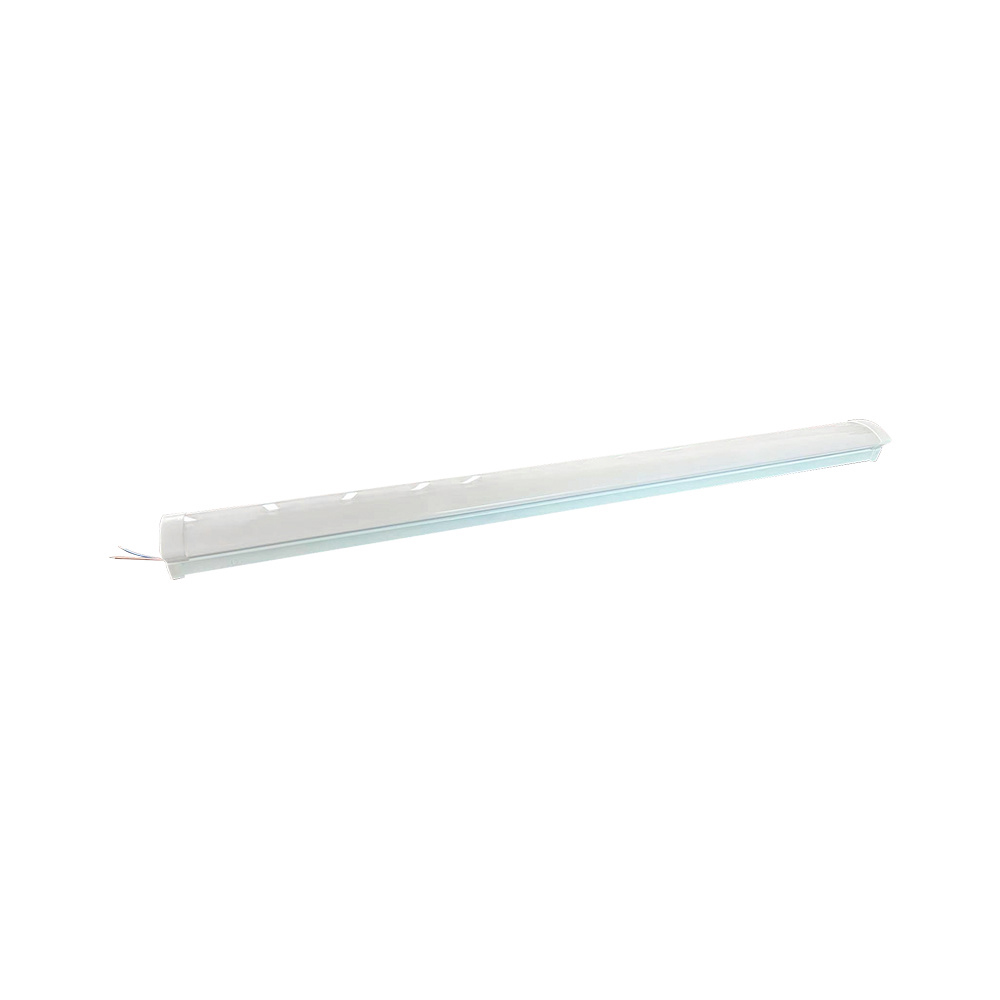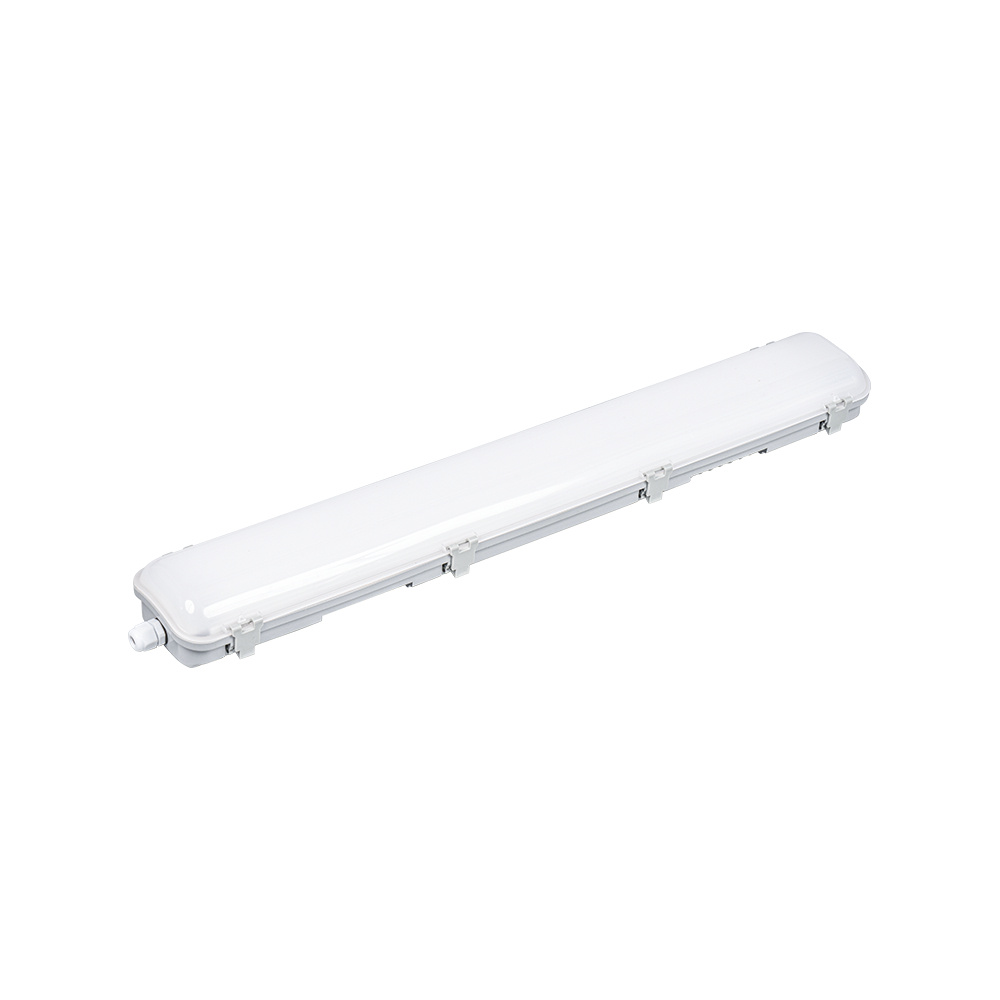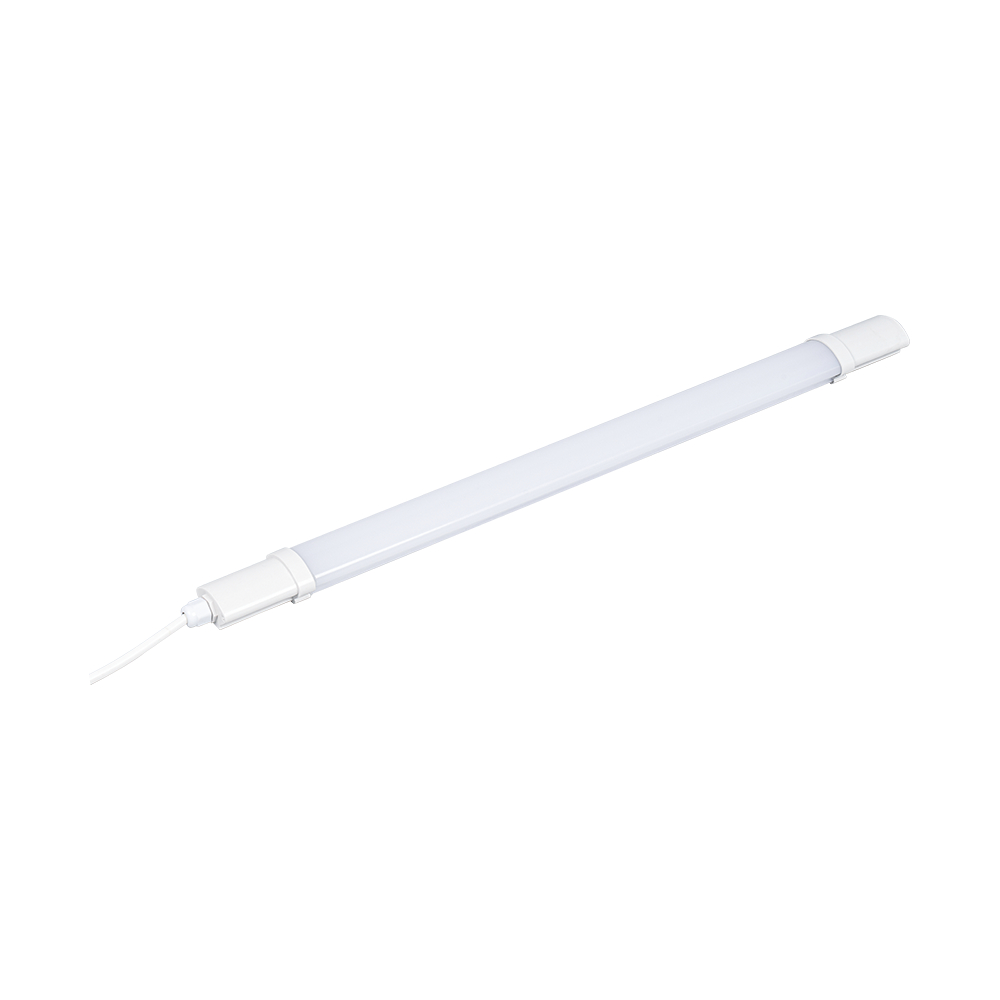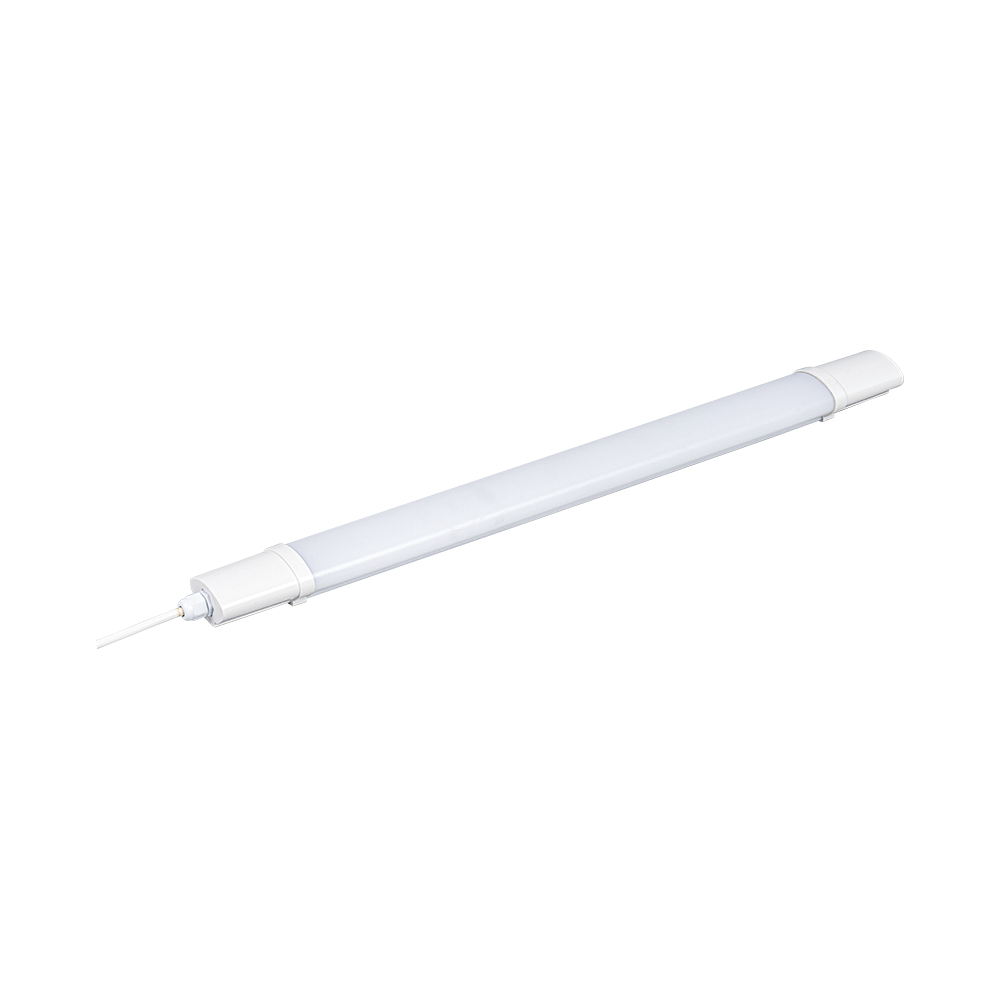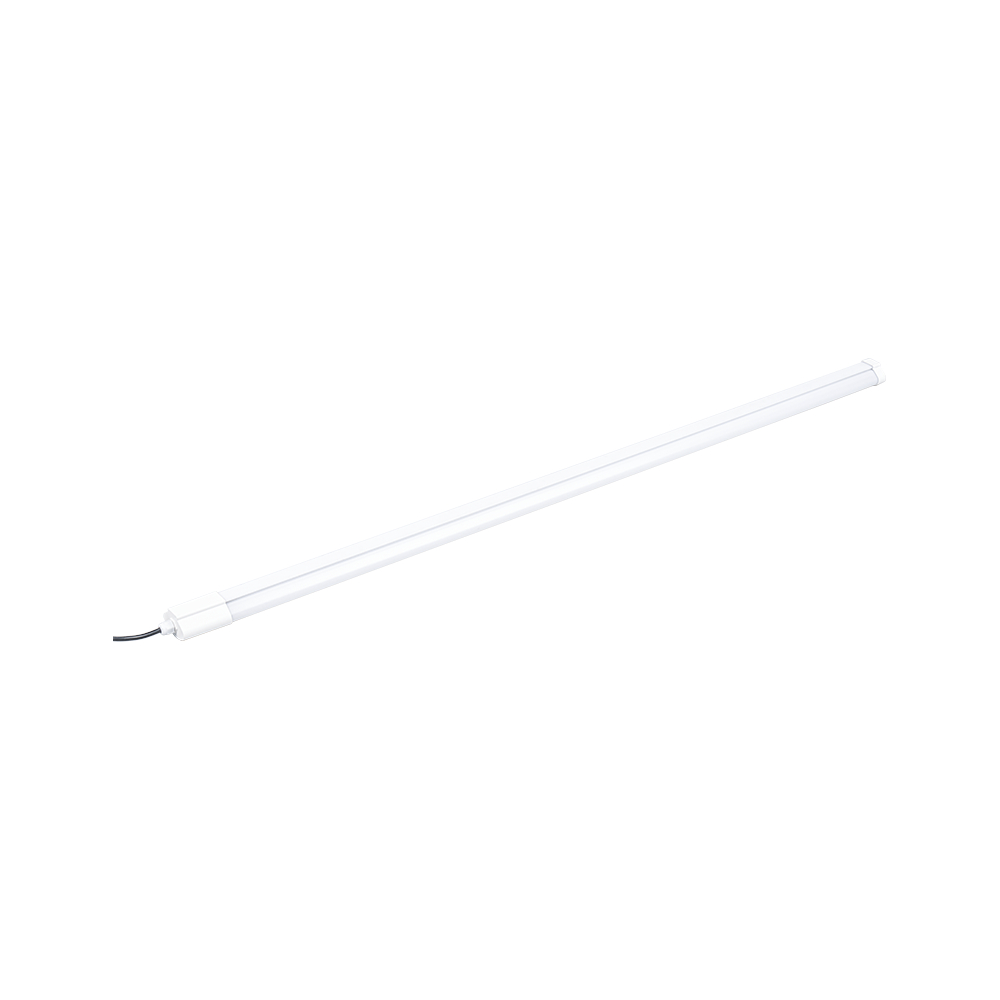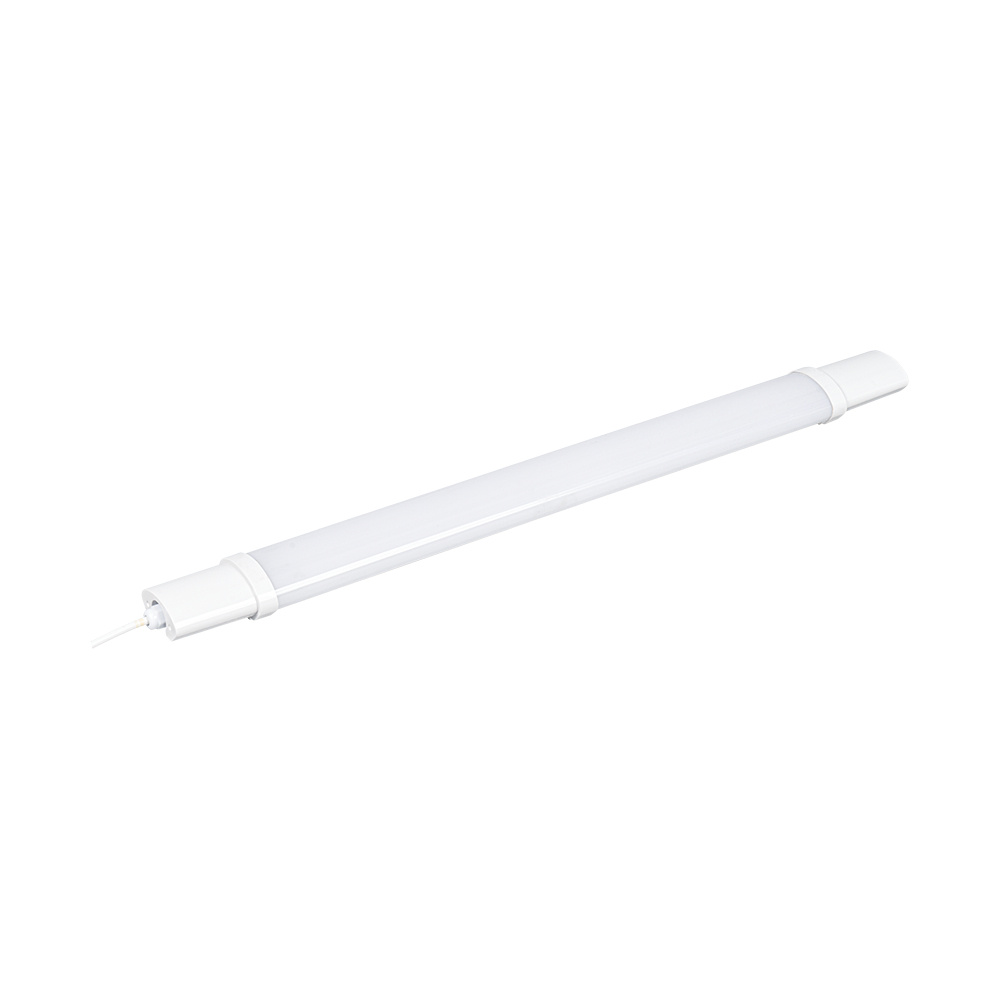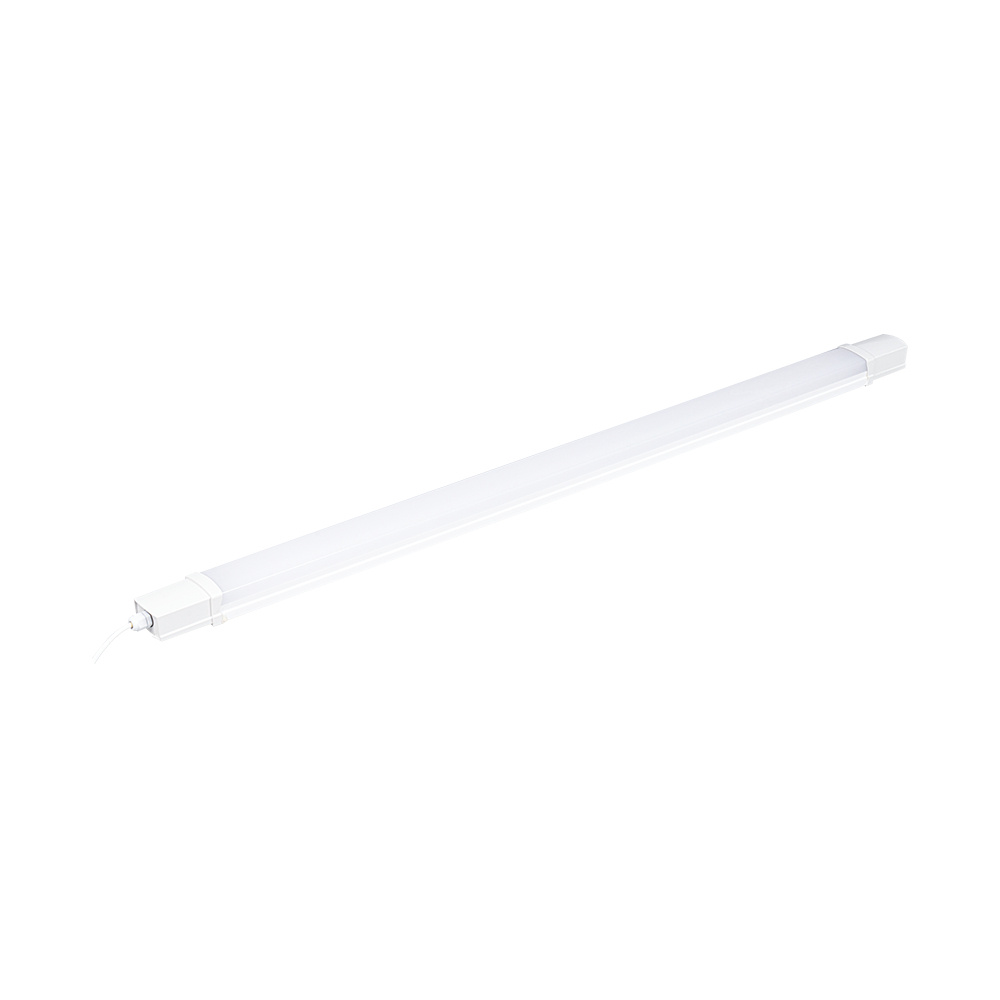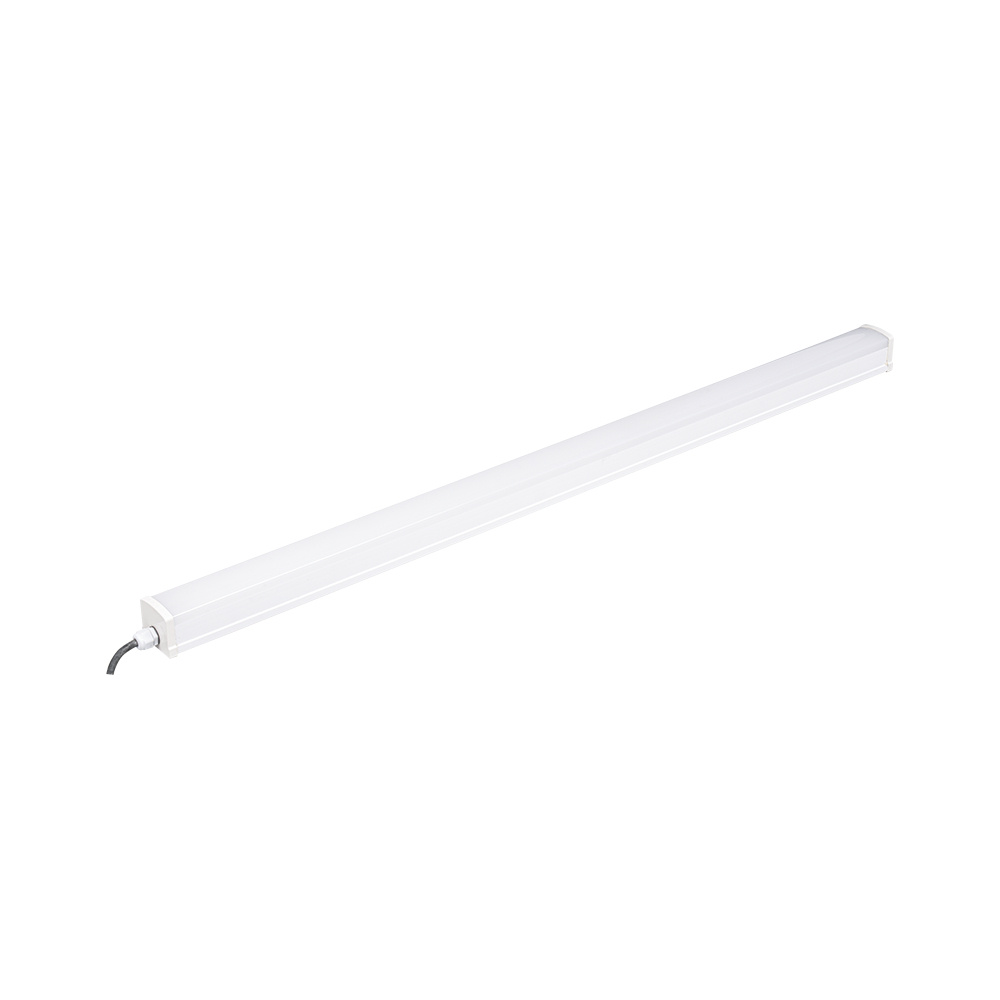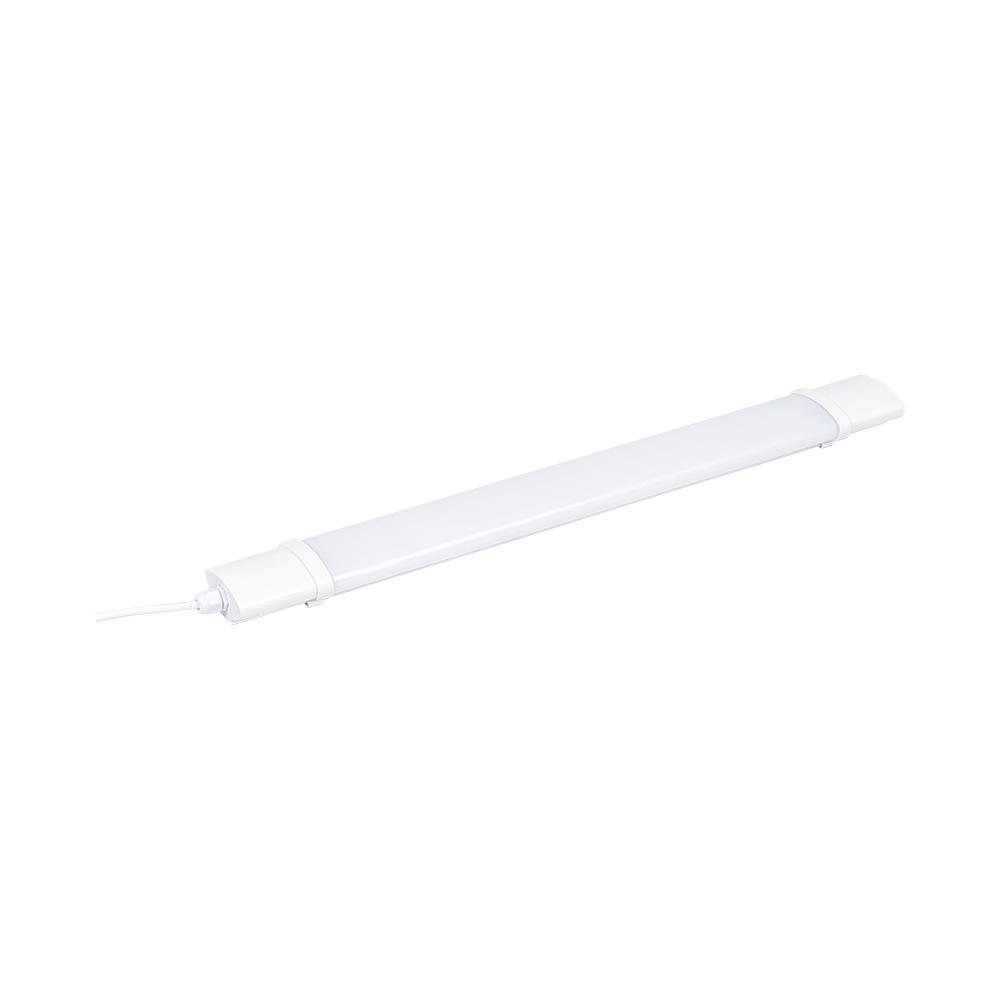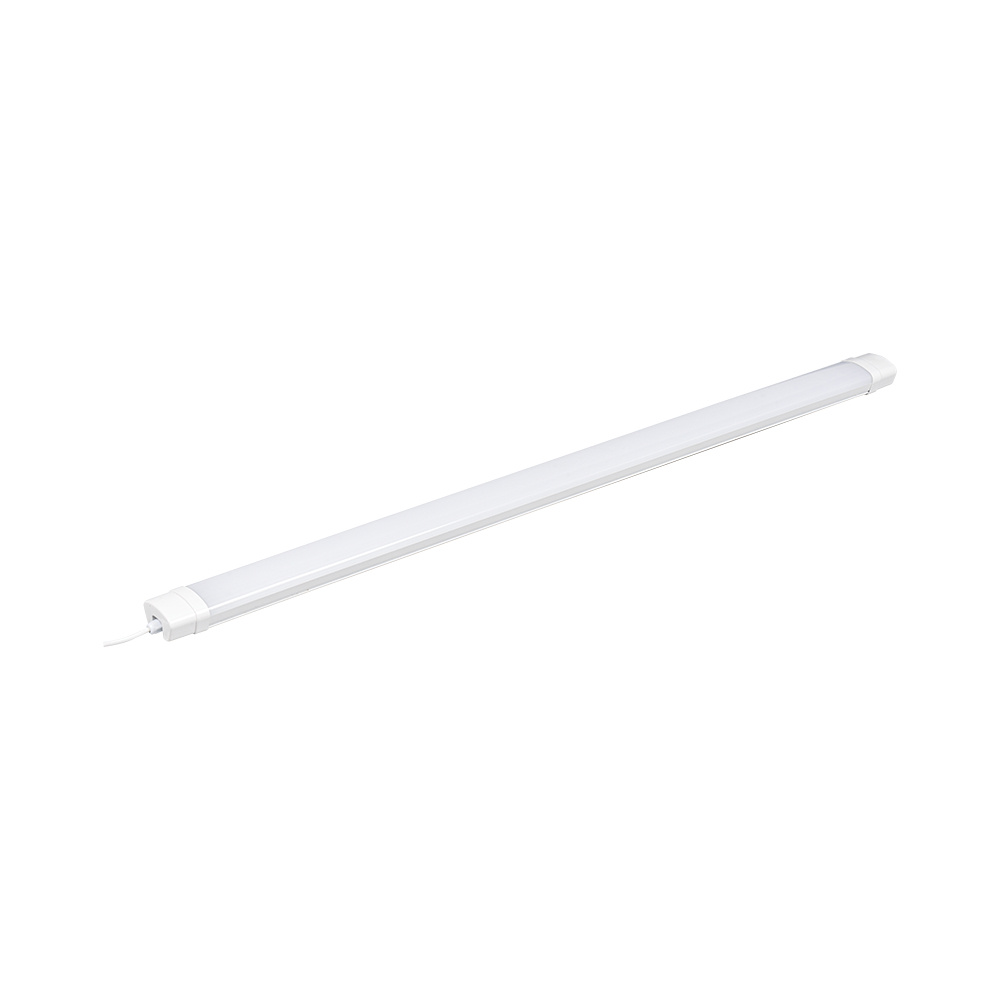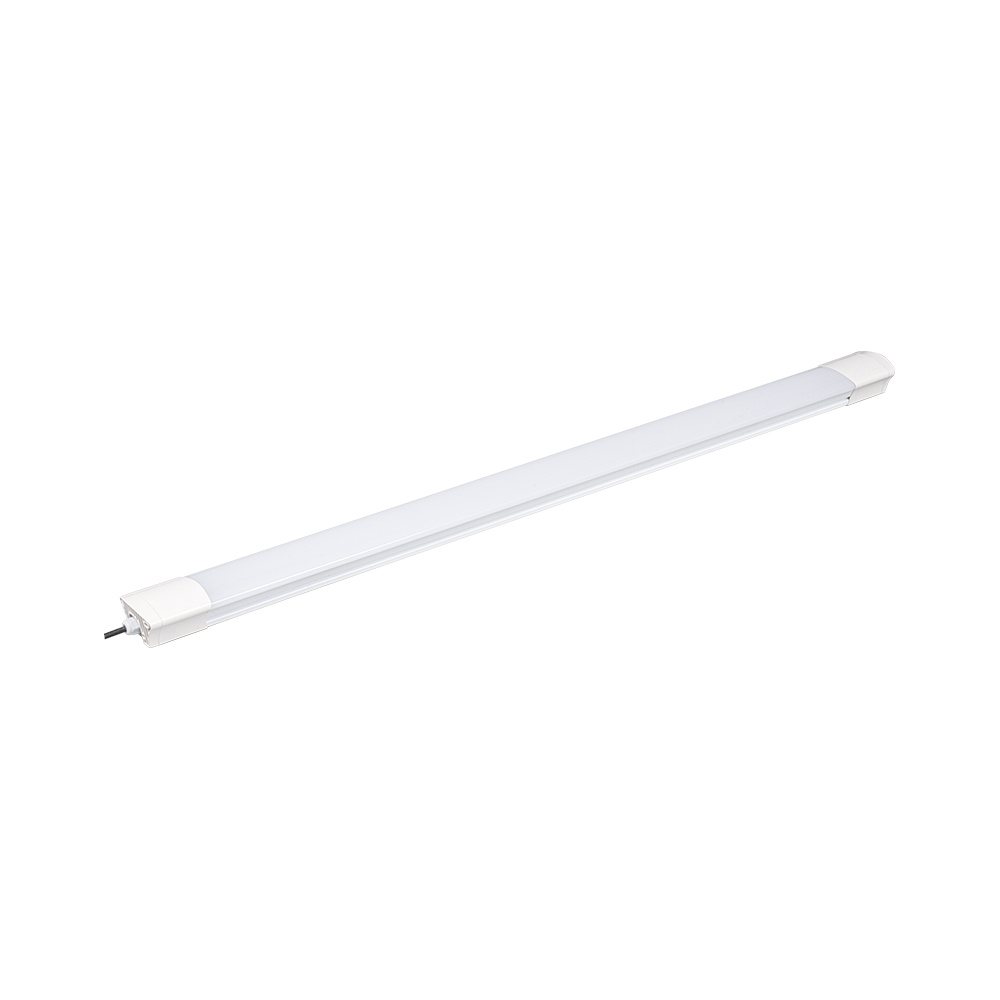
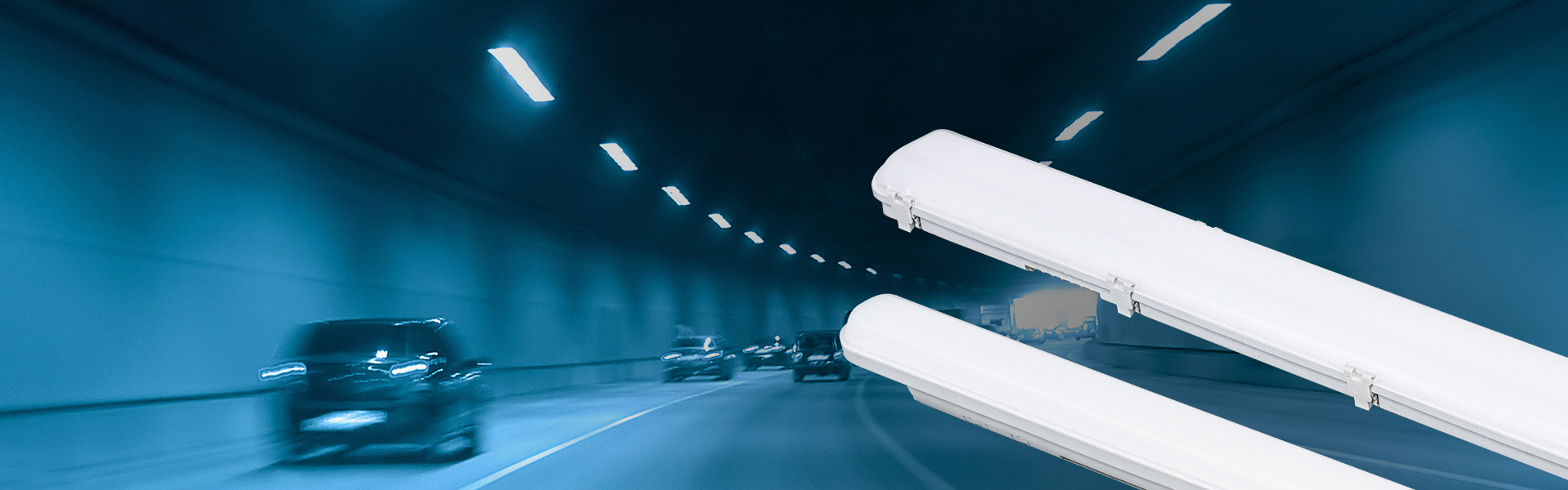
TUV Tri-proof LED lights really shine when things get tough around them. They're built to deal with wet conditions, dusty spots, and even places where sparks could cause big problems—stuff that would knock out regular lights pretty quick. The smart part is how everything inside stays protected from whatever's going on outside. In spots where normal bulbs might start acting up, fading out, or just quit altogether, these tri-proof ones keep going strong, keeping things lit up right when it matters.
At the heart of tri-proof lighting are those three key protections: holding off water, keeping dust out, and handling explosion risks. That combo lets them do well in all sorts of rough places, like factories or outdoors where the weather can turn nasty fast. Strong builds and clever setups help them dodge the usual troubles that hit weaker lights. It all comes from mixing the right stuff and methods so they hold up over the long haul.
Digging a bit more, you see the toughness comes from careful planning in how they're put together. Every piece plays a role in creating a setup that can take ongoing punishment from tough conditions without losing brightness or staying safe. That's why they're the pick for areas where steady light isn't optional—it's got to be there for things to keep running without hitches.
Content
Waterproofing is a big reason these TUV Tri-proof LED lights don't skip a beat in soggy setups. Picture places where the air feels heavy with moisture, or rain comes down hard, leaving everything soaked. Regular lights could let water in, causing shorts or slow breakdown. But these use solid sealing tricks to block liquids from getting anywhere near the insides.
Often, that means soft rings squeezing tight at connections and openings, pushing back against dampness. On top of that, multiple layers back each other up—if one slips, another catches it. This matters a lot in constantly wet zones, say warehouses by rivers or plants full of steam from processes.
The electronics inside get extra shielding through filling methods that lock sensitive bits away from any stray vapor. It's like sealing circuits in a tough, protective layer that stops rust from eating away at links over time. Sort of encasing fragile parts in something that laughs off surrounding wetness.
Practically speaking, they handle everything from drizzles to full-on high-pressure cleanings you see in places obsessed with cleanliness. Being able to blast them with a hose without freaking out about sparks or failures cuts down on stops and fixes. That kind of planning flips weak spots into solid advantages, letting them burn bright no matter how wet it gets.
Going further, the water resistance covers shifts through seasons too. In snowy areas, thawing can sneak moisture into odd places. Still, the build sees that coming, keeping the heart dry even as temps swing and inside fog tries to form.
All this pays off in safer spots by cutting chances of fires from wet wiring. People working there can zero in on jobs, not worrying about lights crapping out, trusting they'll tough out the dampest days.
Dust and tiny bits floating around can mess up gear in lots of work areas, piling up and gumming things. TUV Tri-proof LED lights fight back with tight casings that lock everything out. The shells snap together without leaving cracks for stuff like grit or flying particles to sneak through.
That closed-off style keeps junk from landing on covers or boards, which could otherwise dull the glow or spark issues. In gritty shops or dry open areas where gusts kick up storms of dust, this stands out. It leaves light paths spotless, holding onto full shine and sharpness.
Plus, outside finishes help shake off dust—slick faces don't let it stick, and the shape cuts down spots for buildup. Down the line, that equals way less cleaning hassle since insides stay guarded.
Think about build sites or digs where dust never lets up. There, these lights push through, lighting up walks and work zones without getting clouded by failures from clog. The thinking is all about heading off trouble early.
On top of that, dust blocking feeds into fitting wider rough conditions. In zones with iffy air, from city smog to farm dust during busy times, they stand firm. Keeping things clean inside stretches how long they last, giving real bang for the buck in steady work.
In the end, it drives home the focus on dependability where air's thick with particles and lesser lights would just clog and die.
Some spots come with fire risks, where one tiny spark could set off chaos. Tri-proof LED lights tackle that head-on with tough shells and built-in checks that trap any energy bursts. The outside is made to take hits and stop flames from spreading, fitting right into shaky areas.
Internally, setups cap currents and separate parts to dodge arcs that might boom. This hits home in fields handling easy-light gases or fumes. The whole thing makes sure inside glitches stay inside, not blowing out.
That brings calm in setups like oil plants or tanks for touchy stuff. Light's crucial for seeing and staying safe, but it can't add danger. These balance it out, letting work roll on without second-guessing.
The build picks stuff that won't spark bad reactions, paired with smart wiring routes for a naturally safer rig.
Long-term, this cuts down on accidents and makes hitting safety rules easier. It's protection that meshes perfect with the rest of the tri-proof setup, building a full guard.
Picking the right stuff is huge for how tri-proof LED lights stand up to eating agents. Bodies pull from tough metals that shrug off breakdown, often with extra layers to bounce off acid or salt hits.
Near oceans, salty breezes chewing metal is a real issue. These fight the holes and weakness corrosion brings, staying solid through years out there.
Or, tough plastics give close perks where weight counts, delivering strength without bulk. They're chosen to take chemical clashes without falling apart, keeping shape and job intact.
Sealing parts come from flexible materials that handle hot-cold flips and chem exposure without cracking or sagging.
Clear fronts use see-through stuff that beats sun fade and bangs, stopping haze or breaks that cut light flow.
All these choices together make a light that's rugged and flexible against various eating threats, from factory brews to outdoor nasties.
Heat piling up hurts electronics bad, lights included. Tri-proof ones build in ways to shove extra hot away from key spots. Ribbed or spread-out designs boost escape room, keeping things cooler.
That's key in hot zones or tight boxes where air heats quick. Holding chips and controls steady stops dimming from too much warmth.
Helpful fillers move heat smooth and fast, evening it out to cool quicker. In heavy-duty runs, this dodges hot pockets that kill early.
Outcome's steady light even in long steamy stretches. It pushes life longer, trimming swaps and bills.
Working with other bits, heat control keeps it running right, no worry from bake stress.
Power can wobble, with jumps or dips stressing gear. These lights take wide swings in feed without missing.
That flex shines in spotty power areas or storm hits messing lines. Inside guards soak surges, saving guts from harm.
Plus, filters block signal junk, stopping breaks in buzzy factory noise.
All told, tougher electrics mean less blackouts and solid service, power be damned.
Freezing bites to baking heats challenge any gadget. TUV Tri-proof lights pick parts good for big swings, firing up and running through it all.
Controls and chips built tough skip cold stiff or hot swell issues.
In far north bases or sandy hot spots, this delivers light where others freeze or fry.
Build factors in stretch from heat, with bendy links that shift without snap.
This wide temp play opens doors in all kinds of lands, cold quests to steamy works.
Shakes, bumps, and constant motion come with the territory in a lot of real-world setups—like trucks rumbling down highways, trains clacking along tracks, or heavy machines pounding away on factory floors. Regular lights often can't handle that kind of punishment; parts work loose, connections fail, and pretty soon you're left in the dark. Tri-proof LED lights tackle this problem head-on with smarter mounting and built-in buffering that soaks up the jolts.
Everything inside gets held down tight, but not in a rigid way that fights every wiggle. Instead, there's just enough flex built in so small movements don't turn into big problems over weeks or months. Screws stay put, wires don't fatigue, and the whole unit keeps its shape no matter how rough the ride gets.
This kind of toughness really matters on moving vehicles, railway cars, offshore platforms, or anywhere with big vibrating equipment. Lesser fixtures would shake apart bit by bit, but these stay locked in place, keeping the beam steady and the electrics connected. No flickering, no sudden blackouts—just reliable light where you need it most.
The trick lies in picking materials that naturally deaden vibration instead of passing it along. Rubber mounts, soft gaskets, and flexible brackets spread the energy around rather than letting it hammer the same spot again and again. It's a simple idea, but it makes a huge difference when you're dealing with non-stop motion day after day.
All told, this vibration-handling ability finishes off the tri-proof package nicely. It turns a good light into one you can trust on the toughest jobs and roughest routes without second-guessing.
Tri-proof LED lights show up just about everywhere tough conditions are part of the job, and each place gets something different out of their rugged build. Factories and production lines love them for cutting through dust clouds and steamy air while keeping assembly work going around the clock without lighting hiccups.
Outside, you'll spot them over parking areas, walkways, and loading zones, standing up to pouring rain, freezing nights, or blazing summer days while making sure everything stays visible and secure after sunset.
Farms make heavy use of them too—inside barns where hay dust floats thick, or in greenhouses dripping with humidity from sprinklers and plant watering. The lights shrug off the wet and the grit, helping crops and livestock thrive under steady illumination.
Out on the water, docks, fishing boats, and offshore rigs count on that salt-fighting strength to keep beams bright despite constant spray and corrosive sea air.
Even closer to everyday life, swimming pools, sports halls, and workout spaces put the water resistance to work. Splashes from lanes, sweat from intense sessions, steam from showers—none of it fazes these fixtures. They just keep shining.
What ties it all together is how the whole design bends to fit wildly different demands, from heavy industrial grind to regular public spots. One solid concept stretched across a bunch of tough situations, delivering steady performance wherever the going gets hard.
| Feature | Primary Benefit | Typical Environment Challenges Addressed |
|---|---|---|
| Waterproofing | Prevents moisture ingress and corrosion | Humid areas, rain, washing processes |
| Dustproofing | Blocks particle entry, maintains clarity | Dusty workshops, arid sites |
| Explosion-Proof | Contains hazards, ensures safety | Volatile gas zones, chemical handling |
| Corrosion Resistance | Withstands chemical attacks | Coastal, acidic industrial settings |
| Heat Dissipation | Avoids overheating, sustains output | Warm enclosed spaces |
| Electrical Stability | Handles power variances | Unstable grids, stormy regions |
| Temperature Tolerance | Operates in extremes | Cold or hot climates |
| Vibration Resistance | Endures shakes and movements | Transport, machinery areas |
Once you've got TUV Tri-proof LED lights hung up and running, that's when they really start paying off. You don't have to mess with them much at all down the road. The tough shielding and smart build mean regular maintenance boils down to little more than wiping down the outside now and then—no cracking them open for fixes deep inside.
That keeps costs way down over the years. Fewer call-outs for techs, hardly any spare parts to buy, and way less downtime. Places watching every penny love this, because the money saved on upkeep can go toward other gear or projects instead of getting eaten up by constant repairs.
On top of that, these lights just last a long time, so you're not tossing out dead units and buying new ones every couple of years. That cuts down on waste big-time. Anyone trying to run a greener operation notices this right away—it lines up perfectly with pushing for less trash and smarter use of resources.
Most important, though, is the confidence it gives everyone on site. Crews know the lights won't let them down when things get busy or conditions turn nasty. No nagging worry about sudden failures like you get with cheaper, flimsier options. It's steady, predictable performance day in, day out.
Tri-proof lighting keeps getting better as engineers tweak and improve the concepts year after year. The first versions stuck mostly to the basics—decent seals, solid casings, that sort of thing. Today's models go much further, folding in newer ideas that make them even harder to beat.
One big step forward is going modular. Parts snap together or swap out easily, so upgrading or fixing something doesn't mean ripping everything apart and starting over. It stretches how long the whole setup stays useful without forcing a complete replacement.
Hooking them up to smart controls is another nice leap. Built-in sensors keep an eye on temperature, humidity, or power draw and tweak output on the fly to stay in the sweet spot. That adds another buffer against stress and keeps everything running smoother for longer.
Still, no matter how many bells and whistles get added, the main idea never changes: make something that can take serious punishment and keep working, not something that barely hangs on until the warranty runs out.
Tri-proof lights are great at what they do, but it helps to remember just how nasty the places they go into can be. A lot of tough sites throw everything at you at once—damp air mixed with flying dust, scorching heat on top of constant shaking. Those overlapping problems can gang up and wreck ordinary gear fast.
The real strength comes from tackling all those threats together instead of one by one. A good seal that keeps water out automatically helps block dust too. Heat-spreading fins that cool the electronics also make the whole unit tougher against vibration. Everything works together rather than fighting separate battles.
That's the edge these lights have—they turn what could be weak links into a chain that's strong all the way through. Instead of patching one failure point after another, the design flips the script and makes the harsh stuff play to its advantage.
In the end, they don't just scrape by in brutal conditions. They handle the worst and keep delivering clean, steady light exactly where it's needed most, no drama attached.
Each bit in these lights picked careful, tiny fastener to big shell. Good stuff means no weak link drags down.
When it comes down to it, the real reason TUV Tri-proof LED lights keep performing so well in brutal conditions is that every protective feature works hand in hand. The tight water seals, the dust-blocking design, the explosion safeguards, the corrosion-fighting materials—all of them back each other up to create something far tougher than the sum of its parts.
This all-together approach doesn't just let the lights get by in harsh spots; it lets them outperform everything else and stay dependable where ordinary fixtures would fail fast. For factories, warehouses, offshore platforms, or any operation that can't afford downtime, choosing Tri-proof LED lights from CIGE means getting proven, rock-solid illumination that handles the worst conditions without missing a beat. They simply keep the workspace bright and safe, shift after shift, year after year.
It is focused on the overall solution of dry bulk material port transfer system,
research and development, manufacturing, and service.

+ 86-158 6784 4739
garrick@cigelighting.com
+ 86-574 5896 6613
No. 332, Yizidi, Zhoutang west village. Zonghan street, Cixi, Ningbo, Zhejiang Province, China
Copyright © Ningbo Cige Photoelectric Technology Co., Ltd. All Rights Reserved. Triproof Light Manufacturer